Spiny Eel & Fire Eel Care Guide | How to Keep Sand-Burrowing Eel-Type Tropical Fish and Important Considerations
Spiny Eels and Fire Eels of the Mastacembelus genus are eel-shaped tropical fish characterized by sand-burrowing habits. Detailed explanation of sand substrate setup, escape prevention, carnivorous feeding, and tank-mate compatibility.
Key Takeaways
Spiny Eels and Fire Eels of the Mastacembelus genus are eel-shaped tropical fish characterized by sand-burrowing habits. Detailed explanation of sand substrate setup, escape prevention, carnivorous feeding, and tank-mate compatibility.
What Kind of Fish Are Spiny Eels and Fire Eels?
✍️
BreederDirect Editorial
The BreederDirect editorial team specializes in care information for animals, covering veterinary care and breeding to deliver beginner-friendly guides.
Find Tropical Fish on BreederDirect
Buy directly from verified breeders
Browse Related Listings
Find Tropical Fish listings related to this article on BreederDirect. Buy directly from verified breeders.
Spiny Eels are a group of eel-shaped tropical fish belonging to the family Mastacembelidae, widely distributed in rivers and lakes throughout Southeast Asia, South Asia, and Africa. The name "Spiny Eel" derives from the small spines that line their backs, and they are phylogenetically unrelated to true eels of the order Anguilliformes.
Among aquarium species, the Fire Eel (Mastacembelus erythrotaenia) is particularly popular. It is a large species that can reach nearly 1 meter in length, and gets its name "Fire Eel" from its red, orange, and black stripe pattern that resembles flames. Most individuals in the aquarium trade are 20–40 cm, though ultimately a large tank will be needed.
Other Spiny Eel species in the trade include the Zigzag Eel (Mastacembelus armatus, with a striped pattern) and the Peacock Eel (a medium-sized species, 20–30 cm).
Common to all species is a strong habit of burrowing into sand or substrate and digging behavior using their slender snout. They are nocturnal and spend most of the day hidden in the sand or beneath driftwood.
Tank Environment and Sand Substrate Setup
The most important environmental factor for raising Spiny Eels is a sand substrate. Because these fish have burrowing habits, coarse gravel or sharp sand poses a risk of injuring the snout and body surface. Fine sand—such as river sand, sea sand, or fine aquarium sand (grain size approximately 0.5–1 mm)—is strongly recommended to a depth of at least 5–10 cm. If the sand is too shallow, the fish cannot burrow sufficiently and will experience stress.
Regarding tank size, for Fire Eels, a large tank in the 150–180 cm range is ideal when considering their final adult length. For medium-sized species (20–30 cm), a 90–120 cm tank can work. They tolerate a relatively broad range of water conditions: pH 6.5–7.8, temperature 24–28°C, and moderate hardness (GH 5–15 dGH).
Escape prevention, as with rope fish, is critical. Spiny Eels are known to use their elongated bodies to escape through filter pipe holes and gaps in the tank lid. A completely sealed lid and inspection of all openings are essential.
Regarding aquatic plants, rooted plants such as hair grass and glossostigma will be uprooted when the fish burrow and disturb the substrate. Layouts using plants that attach to rock or driftwood (such as Anubias, Java Fern, and Willow Moss) or floating plants are more suitable.
Feeding and Diet
Spiny Eels are strongly carnivorous. In nature, they use their snout to excavate benthic insect larvae, worms, and small crustaceans from the sand. In aquariums, suitable foods include frozen bloodworms, frozen earthworms (aquarium-grade), frozen krill, and other carnivorous foods.
The challenge with feeding lies in their nocturnal habit. When feeding during the day, they may not emerge from the sand, or if they do, other fish may eat the food first. After turning off the tank light, drop food into a low-current area 30–60 minutes later for better feeding response. Watching them use their long snout to pinpoint and locate food is one of the joys of observation.
Transition to prepared foods varies by individual; accustomed fish will eat pellets and sinking carnivorous fish food. When first introducing them, confirm appetite with frozen bloodworms, then gradually mix in prepared food to acclimate them—this method is effective.
Tank-Mate Compatibility and Cautions
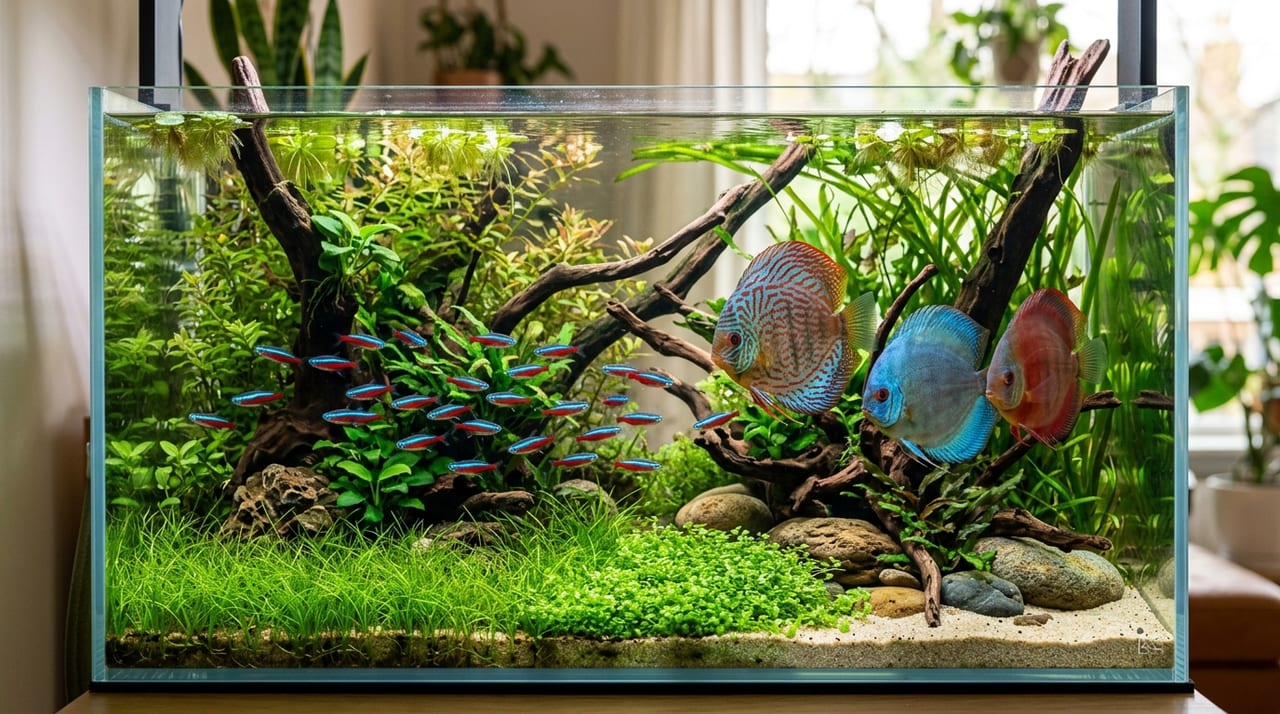
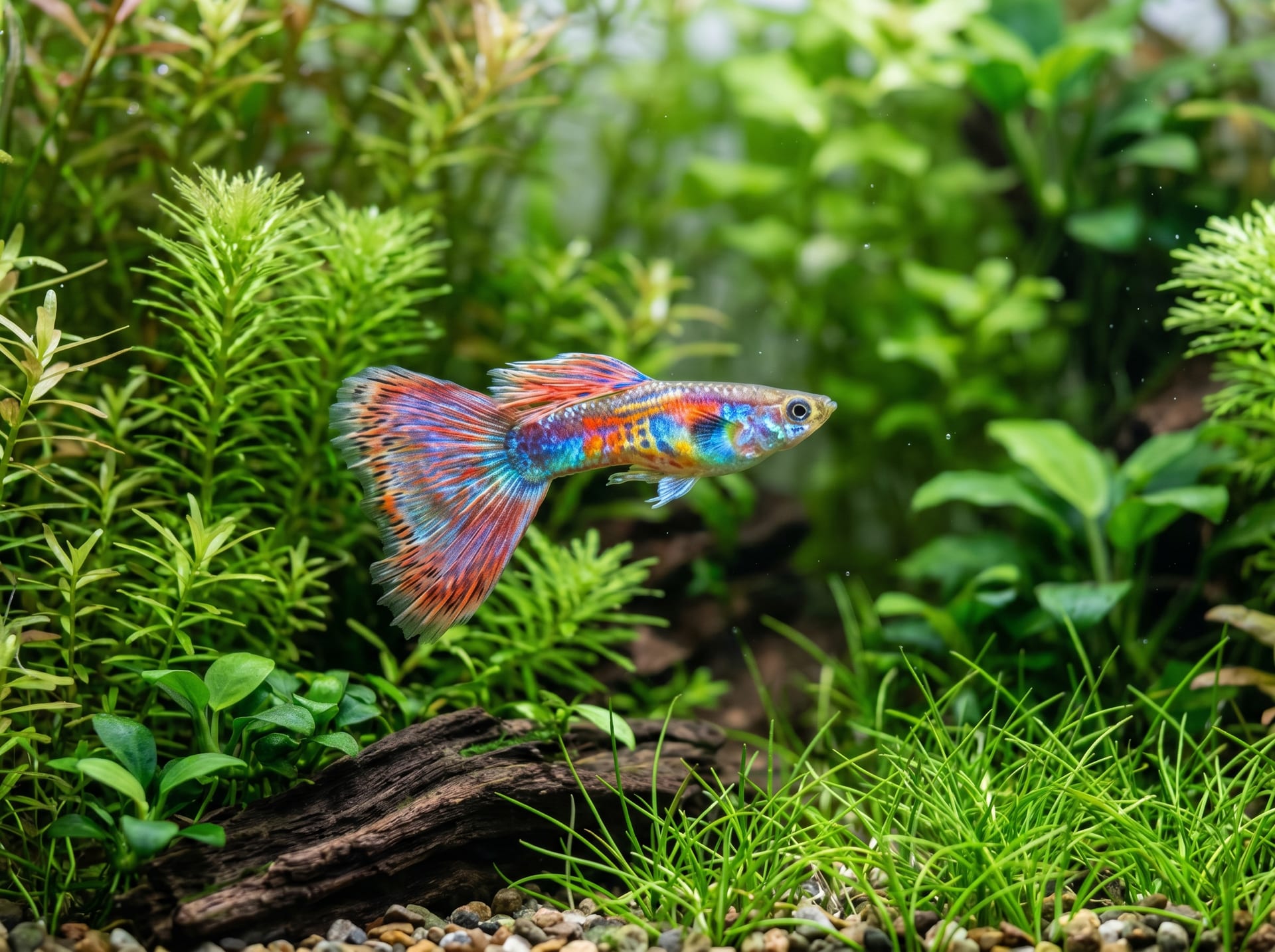
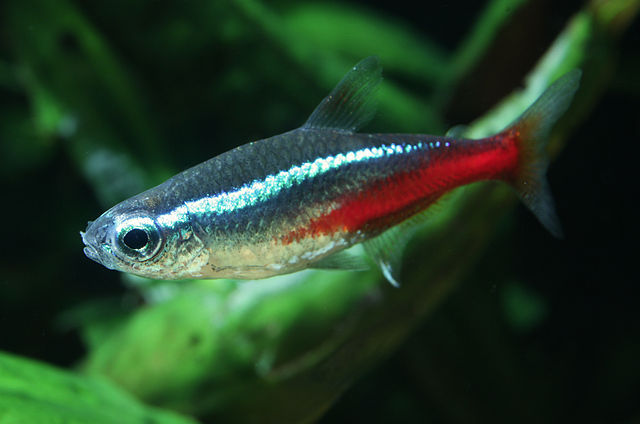
Spiny Eels have a gentle temperament and show little aggression toward larger fish. However, small fish that fit in their mouth (under 3–5 cm) may be predated upon at night, so keeping them with Neon Tetras, Guppies, and similar small fish is not recommended.
They are relatively compatible with their own kind, and multiple individuals can be kept if there is sufficient space. However, competition for food becomes intense, so monitoring to ensure each fish feeds adequately is necessary.
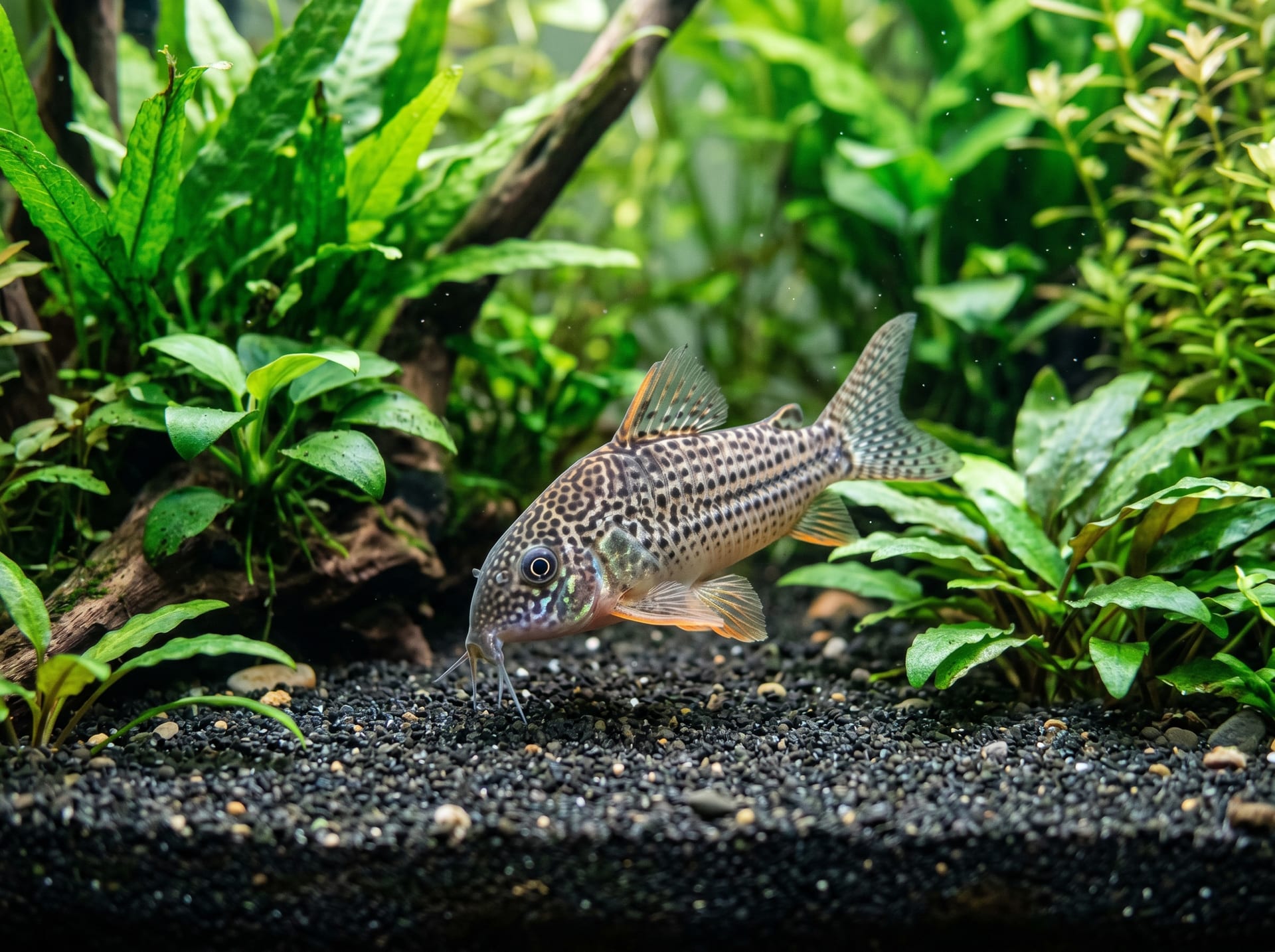
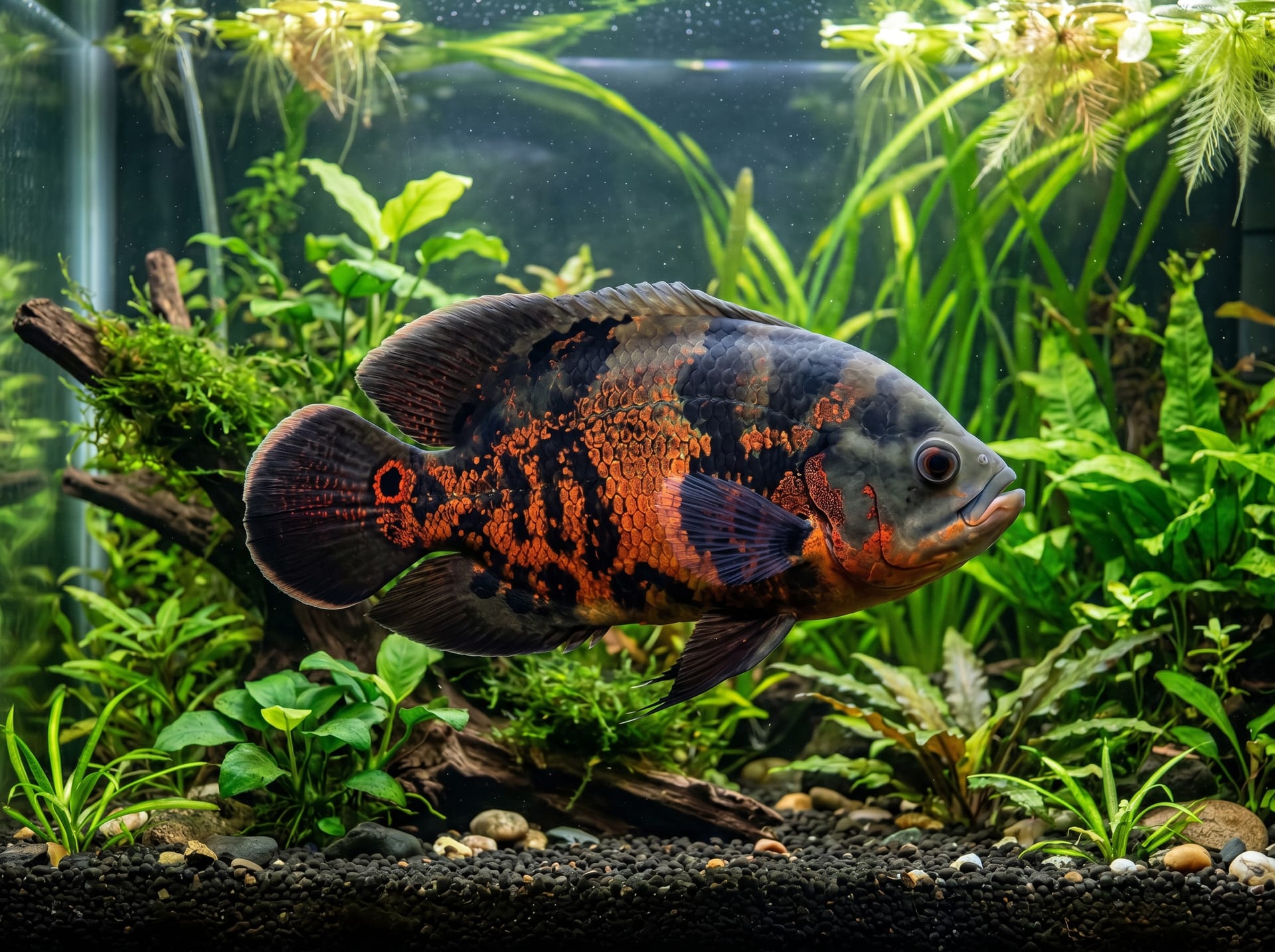
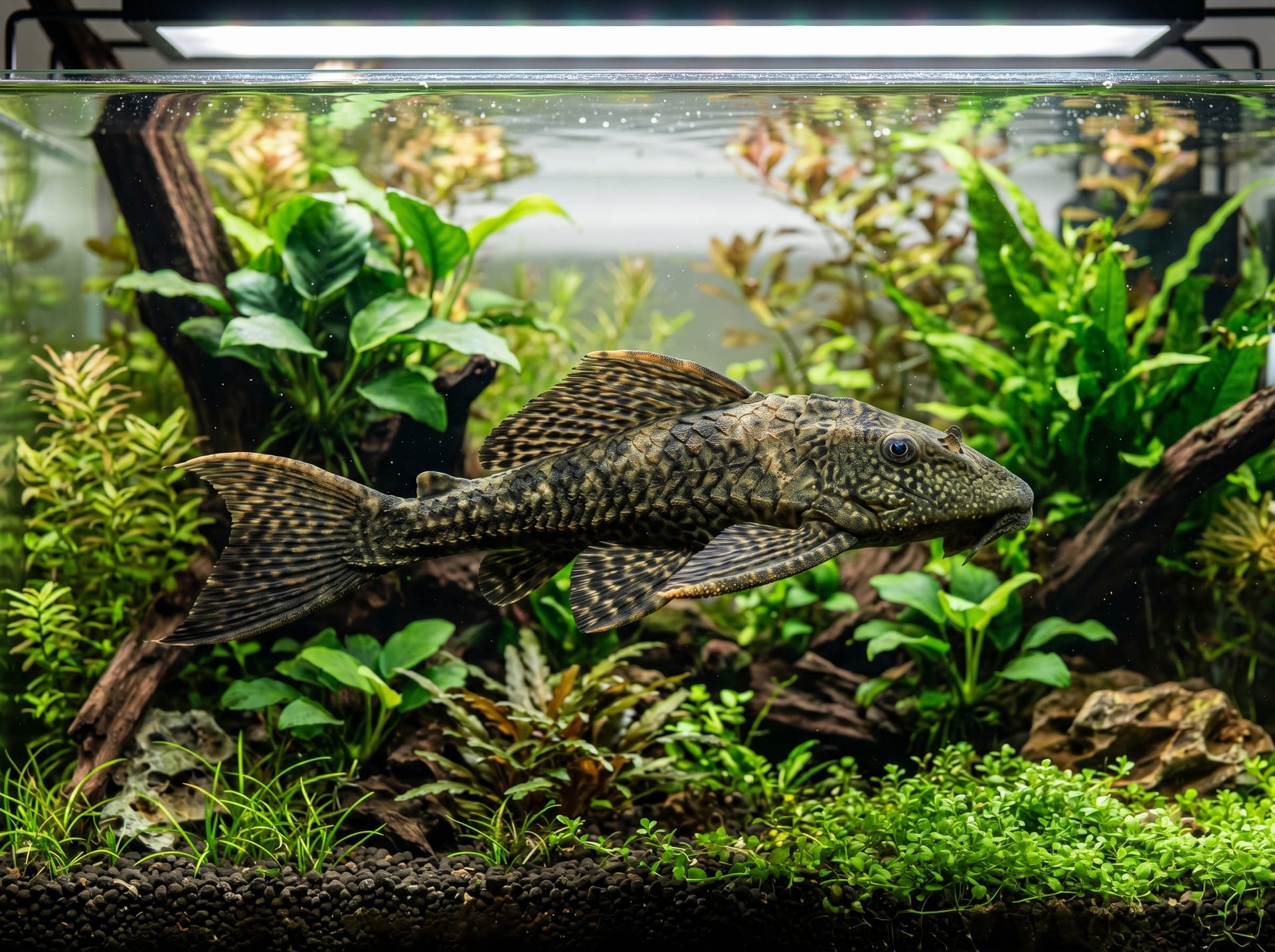
Mixing with bottom-dwelling Corydoras or Plecos is often without issue, though they may startle and flee when the Spiny Eel attempts to burrow into the shared sand substrate. Large cichlids (such as Oscars and Jaguar Cichlids) pose a predation risk when the Eel is small, so attention to size difference is necessary.
Conclusion: The Pleasure of Sand-Burrowing Observation and Long-Term Care
Spiny Eels and Fire Eels are fascinating to observe, with their distinctive body shape, sand-burrowing habits, and active nocturnal behavior. By following three key points—proper sand substrate setup, escape prevention, and feeding management suited to their nocturnal habits—long-term care of over 10 years is achievable, as these are hardy fish. They are especially recommended for intermediate or advanced aquarists seeking a striking fish for a large tank or those interested in unusual bottom-dwelling species.
Benefits of Purchasing from Breeders
Most Spiny Eels and Fire Eels in circulation are wild-caught imports. Wild specimens may carry parasites due to transport stress, and external parasites (white spots on the body surface, excessive mucus secretion) may appear after introduction. Individuals bred and raised by domestic breeders have lower risk of parasites and are often acclimated to prepared foods, reducing the risk of feeding difficulties upon introduction. However, domestic breeding is difficult and availability is limited, so if an opportunity arises, it is worth considering seriously. At purchase, check for body damage, missing fins, and abdominal thinness (signs of poor condition), and select a healthy individual—this is the first step toward successful long-term care.