Siamese Flying Fox Care Guide | Algae-Eating Ability, Tank Mates, and Important Notes
A comprehensive guide to caring for the Siamese Flying Fox (Crossocheilus siamensis), a popular choice for controlling algae in aquariums. This article covers their algae-eating abilities, black beard algae consumption, characteristics, personality changes as they grow, tank mate compatibility, and common misidentification problems—everything you need to know before bringing one home.
Key Takeaways
A comprehensive guide to caring for the Siamese Flying Fox (Crossocheilus siamensis), a popular choice for controlling algae in aquariums. This article covers their algae-eating abilities, black beard algae consumption, characteristics, personality changes as they grow, tank mate compatibility, and common misidentification problems—everything you need to know before bringing one home.
Related Species
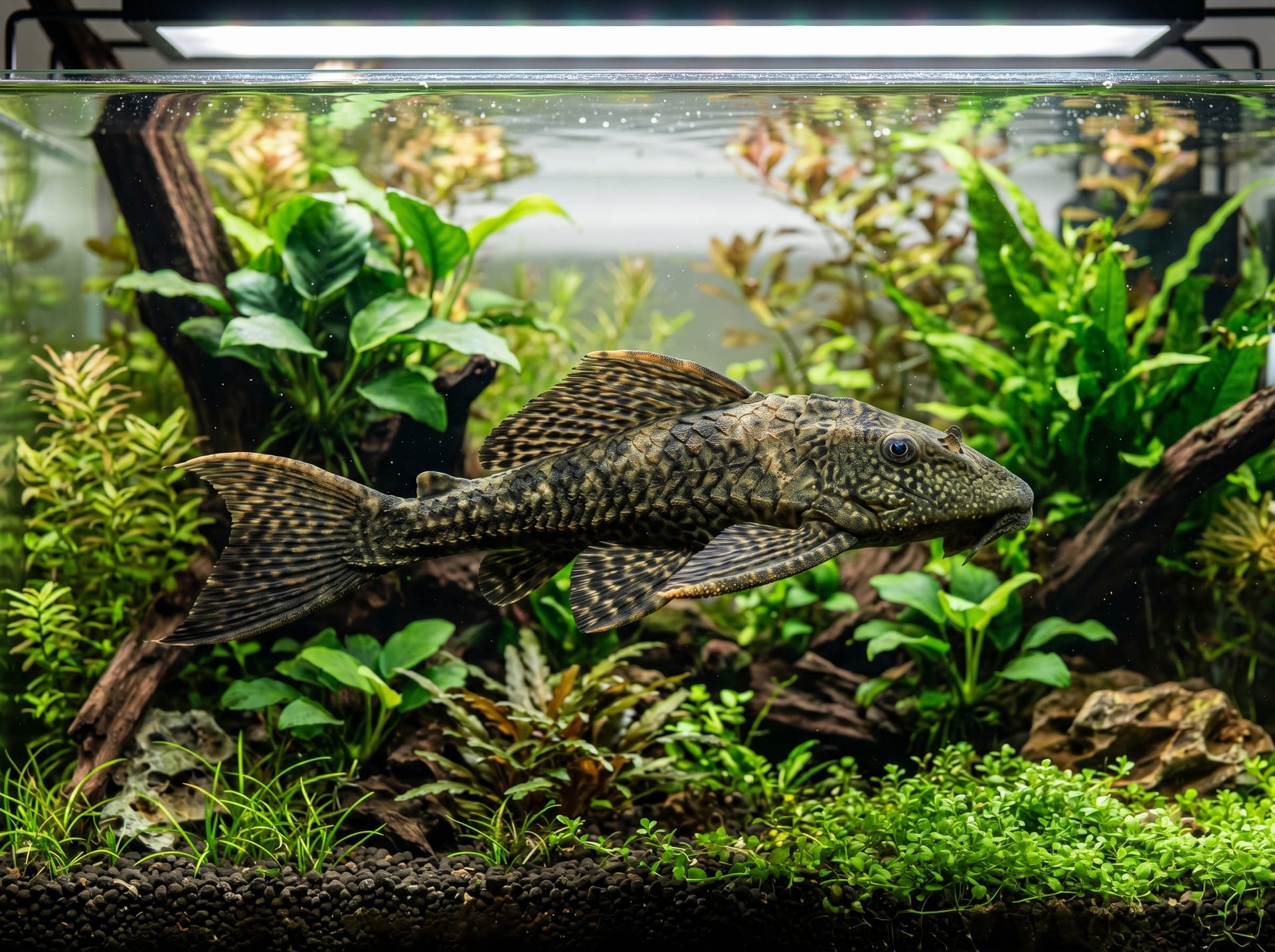
What Kind of Fish Are Siamese Flying Foxes?
The Siamese Flying Fox (Crossocheilus siamensis) is a member of the carp family (Cyprinidae) native to clear streams in Southeast Asia, including Thailand and Malaysia. Adult fish reach 14–16 cm in length (typically 10–12 cm in aquariums), making them medium-sized fish that feed on algae using their slightly downward-facing mouths.
In the aquarium hobby, they are especially prized as one of the few fish species that will eat black beard algae (Audouinella), a stubborn type of algae that most other algae-eating fish and invertebrates refuse to consume. Siamese Flying Foxes have been reported to actively feed on this problematic algae.
Basic Information
| Item | Details |
|---|---|
| Scientific Name | Crossocheilus siamensis |
| Classification | Order: Cypriniformes, Family: Cyprinidae |
| Size | 14–16 cm (typically 10–12 cm in aquariums) |
| Lifespan | 5–10 years |
| Water Temperature | 23–27°C |
| pH | 6.5–7.5 |
| Temperament | Peaceful when young; develops strong territorial behavior as adults |
Distinguishing "Real" from "Fake"
It is common for aquarium shops to sell fish labeled as "Siamese Flying Fox" that are actually closely related species with poor algae-eating abilities. This problem has been a long-standing concern among aquarists, and learning to distinguish them before purchase is essential.
Characteristics of Crossocheilus siamensis (the real deal)
- The black line running along the body extends all the way to the tip of the tail fin
- The belly is white, with a continuous black line running from mouth to tail
- Black lines are present around the mouth area (adjacent to the "whiskers")
Characteristics of commonly confused related species
| Species | Identification Points |
|---|---|
| Flying Fox (Epalzeorhynchos kalopterus) | Body line does not extend to the tail fin; yellow coloring in the fins; strong territorial behavior makes tank mates difficult |
| False Siamese (Garra cambodgiensis) | Line is thicker and less distinct; poor algae-eating ability |
| Chinese Algae Eater (Gyrinocheilus aymonieri) | Adults are aggressive; distinctive sucker-like mouth |
Fish sold in shops as "SAE" or "Flying Fox" are often actually these related species. If possible, verify before purchasing that the black line extends all the way to the tail fin.
Setting Up the Tank Environment
Recommended Tank Size
Since adults reach nearly 15 cm in length, a 60 cm or larger tank is recommended for long-term care. Young fish can be kept in a 45 cm tank, but they will need more swimming space as they grow.
Water Parameters
| Parameter | Optimal Range |
|---|---|
| Temperature | 23–27°C |
| pH | 6.5–7.5 |
| Hardness | 5–15 dGH |
| Oxygen Level | High (stream-dwelling species) |
As stream-dwelling fish, they prefer oxygen-rich water. Use the outlet of an external filter or a submersible pump to create surface ripples and maintain adequate dissolved oxygen levels.
Aquascaping
- Place plenty of driftwood and rocks to distribute territorial space
- Use sand or fine gravel as substrate
- Rooted aquatic plants that establish strong roots are ideal (these fish rarely uproot plants)
Algae-Eating Ability and Application
Types of Algae Siamese Flying Foxes Will Eat
| Algae Type | Will They Eat? | Notes |
|---|---|---|
| Black beard algae (Audouinella) | Readily eat | Their greatest strength; rarely eaten by other organisms |
| Filamentous algae (green thread algae) | Readily eat | — |
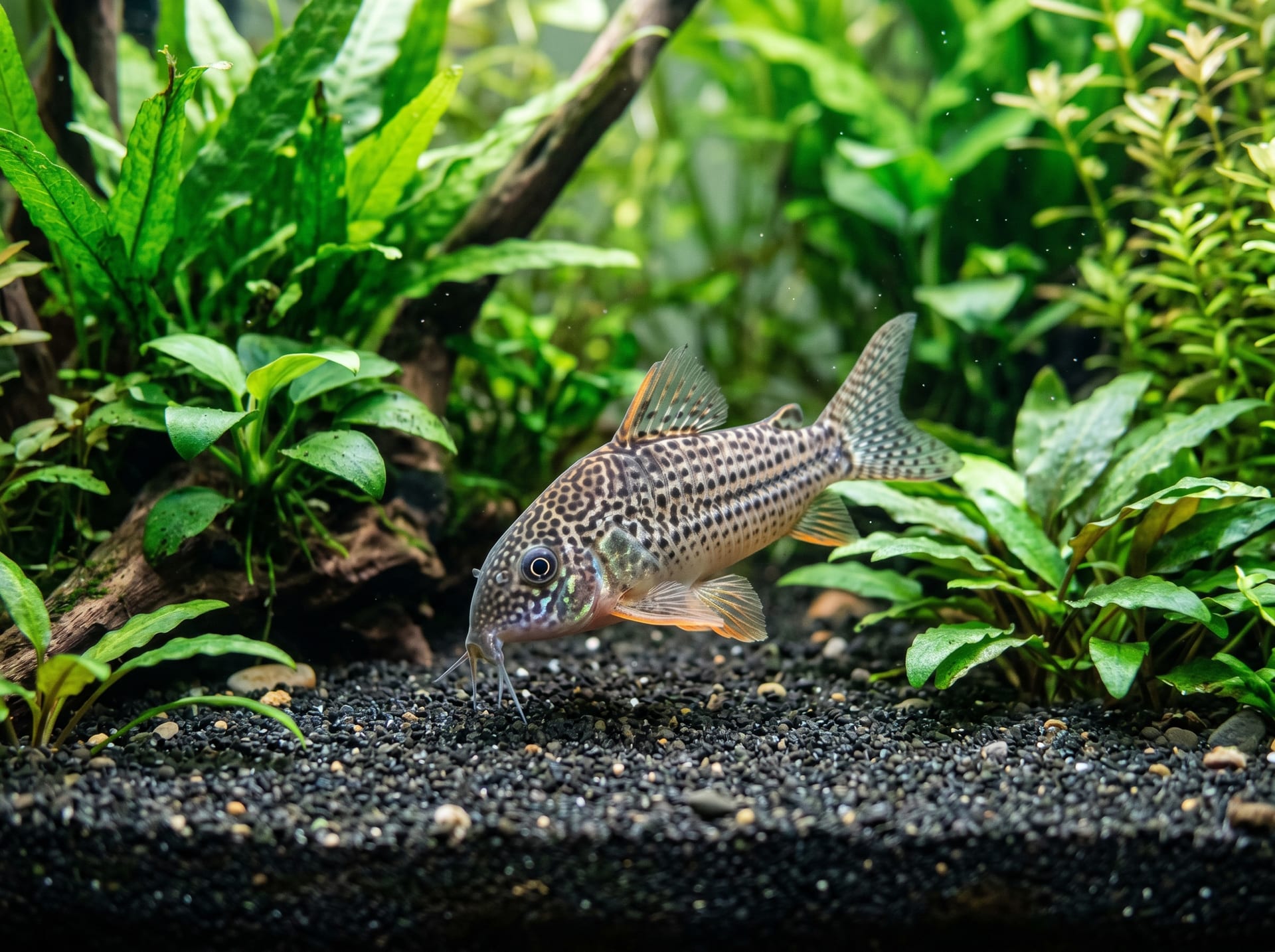
| Diatoms (brown algae) | Will eat | Can also be eaten by Corydoras and Otocinclus |
| Spot algae (glass spot algae) | Rarely eat | Snails and driftwood additives are more effective |
| Oedogonium (water net algae) | Sometimes eat | — |
Important Note: They Won't Eat Algae When Well-Fed
Siamese Flying Foxes tend to stop eating black beard algae if plenty of other food is available. To maximize their algae-eating effectiveness, slightly reduce feeding (but do not starve them completely) or limit supplemental feeding to dried vegetables and blanched spinach.
Growth and Personality Changes
While young fish (5 cm or smaller) are calm and compatible with a wide variety of tank mates, adults (10 cm or larger) develop strong territorial behavior, leading to increased aggression and chasing of conspecifics and closely related species.
Important Points for Tank Mate Compatibility
- Keeping multiple Siamese Flying Foxes often leads to territorial conflicts once they reach adulthood
- Keeping a single fish is the most stable approach
- If you must keep multiple fish, 3–5 or more specimens in a 60 cm or larger tank is more stable than keeping just 2 (a pair often results in one-sided harassment)
Compatibility with Other Species
- Characins (Tetras, etc.): No problems
- Corydoras and Otocinclus: No problems
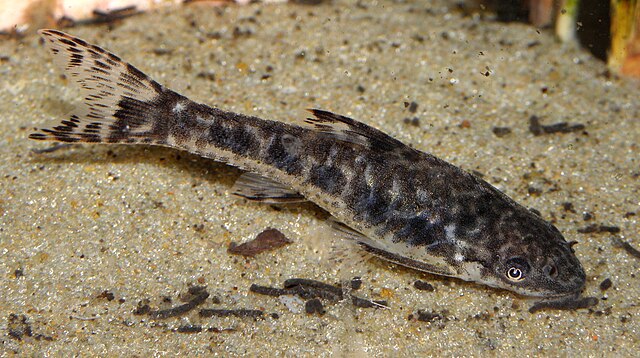
- Plecos: No problems (occupy different bottom space with minimal interaction)
- Bettas and Gouramis (territorial species): May interact negatively as adults
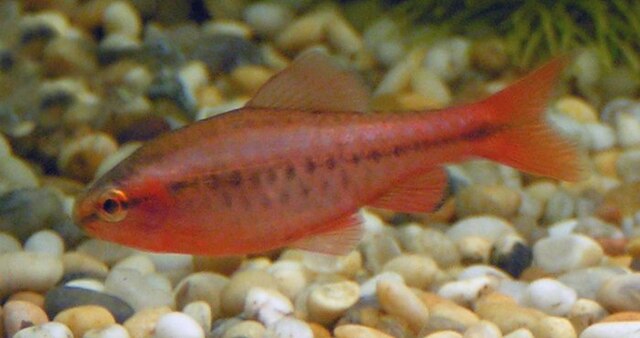
- Small fish (Cherry Barbs, etc.): Adults may chase them
Feeding Management
Siamese Flying Foxes are omnivorous, and algae alone does not provide complete nutrition.
Recommended Foods
- Vegetables (blanched spinach, cucumber, zucchini, etc.)
- Sinking pellets and Corydoras tablets
- Dried bloodworms and flake food
To maintain their algae-eating effectiveness while ensuring balanced nutrition, limit feeding to small amounts once or twice daily and maintain an algae-producing environment in the tank.
Common Problems and Solutions
Fish Stops Eating Algae
This may be caused by excessive food availability, adulthood maturation, or reduced algae growth. Review feeding amounts, and if algae is scarce, you can transfer rocks or plants with algae from other tanks to supplement their diet.
Fish Chases Other Fish
This is territorial behavior that develops as they mature. Increase hiding places, driftwood, and rocks to distribute territorial space, or move the fish to a separate tank.
Fish Jumps Out of Tank
These fish are surprisingly active swimmers, so a tank cover is essential. Be especially careful during water changes and when they become excited.
Summary
The Siamese Flying Fox is a valuable algae-eating fish that can tackle the difficult task of controlling black beard algae. However, it is important to be aware of two pitfalls: the common misidentification of related species at purchase and the personality changes that occur in adulthood. With proper tank conditions and careful management of tank mates, the Siamese Flying Fox becomes a reliable partner in keeping your aquarium algae-free for years to come.