Care Guide for Rope Fish (Reed Fish) | Escape Prevention, Feeding, and Tank Mates for Eel-like Ancient Fish
Rope Fish (Erpetoichthys calabaricus) is a rare primitive fish species with a rope-like, eel-shaped body. Known for its remarkable escape abilities, this guide covers care tips from tank lid management to feeding, water parameters, and compatible tank mates.
Key Takeaways
Rope Fish (Erpetoichthys calabaricus) is a rare primitive fish species with a rope-like, eel-shaped body. Known for its remarkable escape abilities, this guide covers care tips from tank lid management to feeding, water parameters, and compatible tank mates.
What is Rope Fish?
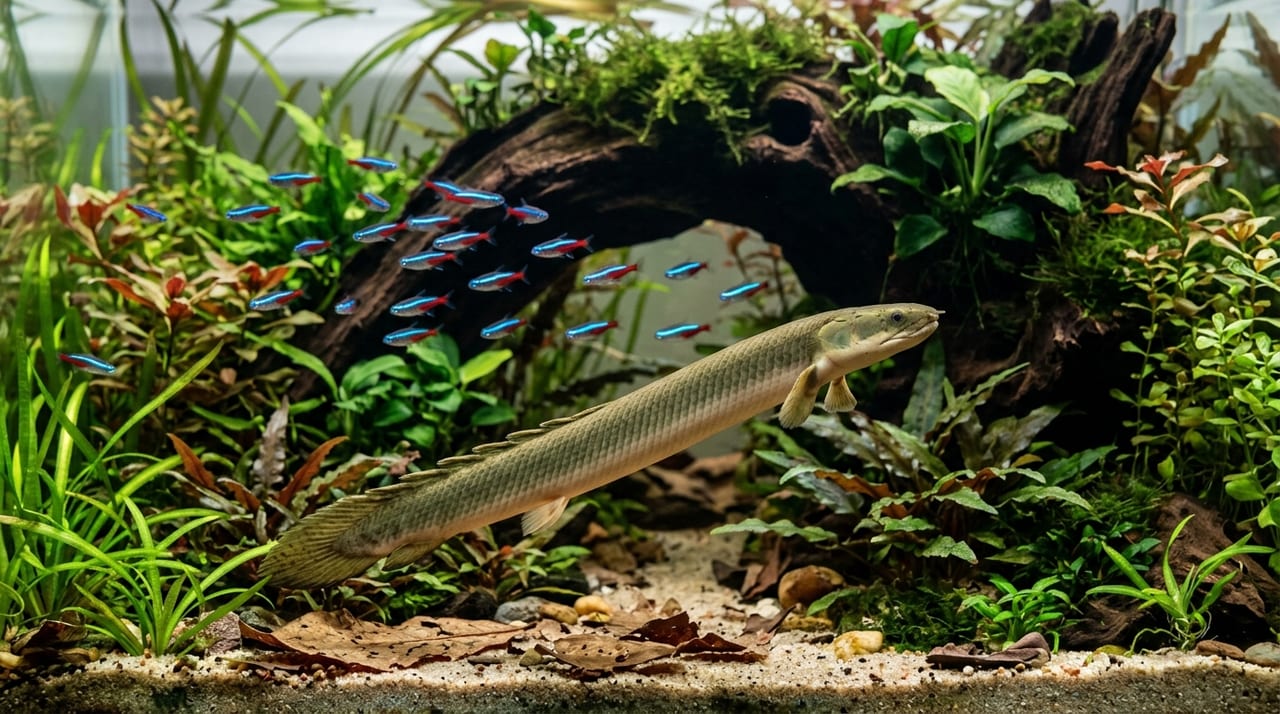
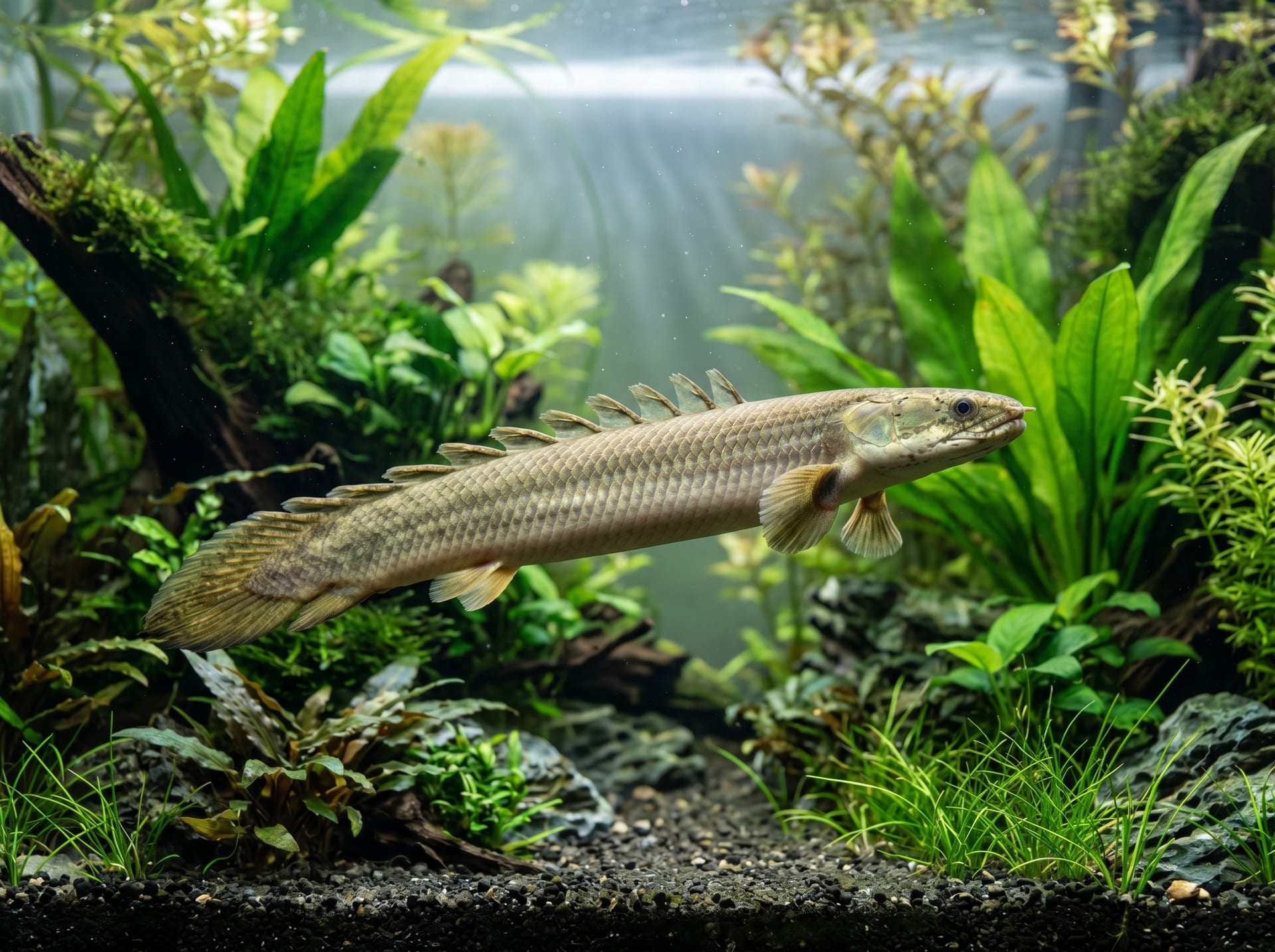
Rope Fish (Erpetoichthys calabaricus) is a primitive fish species from West Africa (Nigeria, Cameroon, etc.) native to rivers and swamps, belonging to the order Polypteriformes, family Calamarichthyidae. Also called "Reed Fish," its most distinctive feature is its slender, rope-like, snake-like body. It grows to about 30–40 cm in length, with the vast majority of its slender body maintaining nearly uniform thickness along its entire length.
✍️
BreederDirect Editorial
The BreederDirect editorial team specializes in care information for animals, covering veterinary care and breeding to deliver beginner-friendly guides.
Find Tropical Fish on BreederDirect
Buy directly from verified breeders
Browse Related Listings
Find Tropical Fish listings related to this article on BreederDirect. Buy directly from verified breeders.
Related Tools
Related Articles
Browse by Category
🪸Coral
🐠Marine Fish
🐟Tropical Fish
🐡Goldfish
🐟Medaka
🦎Reptiles
Share
Though related to Polypterus (within the same order Polypteriformes), its body form is completely different, appearing at first glance like an eel or snake. Its color ranges from greenish brown to olive, with a light yellow to cream-colored underside. Like amphibians, it possesses primitive air-breathing ability (a primitive lung similar to that of lungfish) and occasionally rises to the surface to breathe air. This primitive ecology is why it's called a "living fossil."
Nocturnal with slow movements, it hides and rests under driftwood and in crevices during the day. While not extremely popular as a pet, it has a dedicated following of enthusiasts fascinated by its unique appearance and behavior.
Water Parameters and Tank Setup
Rope Fish can adapt to a relatively wide range of water parameters. The ideal conditions are pH 6.5–7.8 and temperature 22–28°C, preferring slightly acidic to neutral water similar to African river environments. It can tolerate moderate hardness (GH 5–15 dGH).
Tank size should be at least 90 cm standard (approximately 180 L) or larger, considering body length. Ample bottom area is advantageous since its slender body requires swimming space and it's particularly active at night. Use fine sand or rounded gravel as substrate, maintaining sufficient depth (around 5 cm) for the fish to burrow and dig, which reduces stress.
A key tip is to arrange multiple "tunnel-shaped hideouts" such as driftwood, rocks, PVC pipes, and ceramic shelters where its slender body can slip in. Having places to hide during the day helps it feel secure and maintains active nocturnal behavior.
Critical: Escape prevention. Rope Fish has a remarkable ability to escape from tanks—with gaps of just 2–3 cm from the water surface, it can easily crawl out and flee. It is essential to check all possible gaps (filter intake tubes, air vents, tank lid seams, etc.) and seal them completely. Numerous cases have been reported of fish escaping and drying out overnight outside the tank.
Feeding and Diet Management
Rope Fish is carnivorous, feeding on insect larvae, small crustaceans, and small fish in nature. In the aquarium, though its vision is poor, it relies on excellent sense of smell and lateral line sensitivity to locate food.
The most important aspect of feeding is choosing sinking foods. Since Rope Fish inhabits the bottom, it shows little interest in floating food. Frozen bloodworms, frozen krill (small shrimp), and small pieces of frozen tuna are particularly favored. It also responds excellently to live foods (earthworms, insect larvae, live bloodworms), and even reluctant feeders often readily take live food.
Acclimation to prepared foods varies widely among individuals; some accept sinking carnivore tablets, while others consistently prefer only live and frozen foods. Feeding after lights out at night (since it's nocturnal) improves feeding response. It's recommended to place food directly in front of the fish or use a cone-shaped feeding tool to deliver food before other fish consume it.
Tank Mates and Compatibility
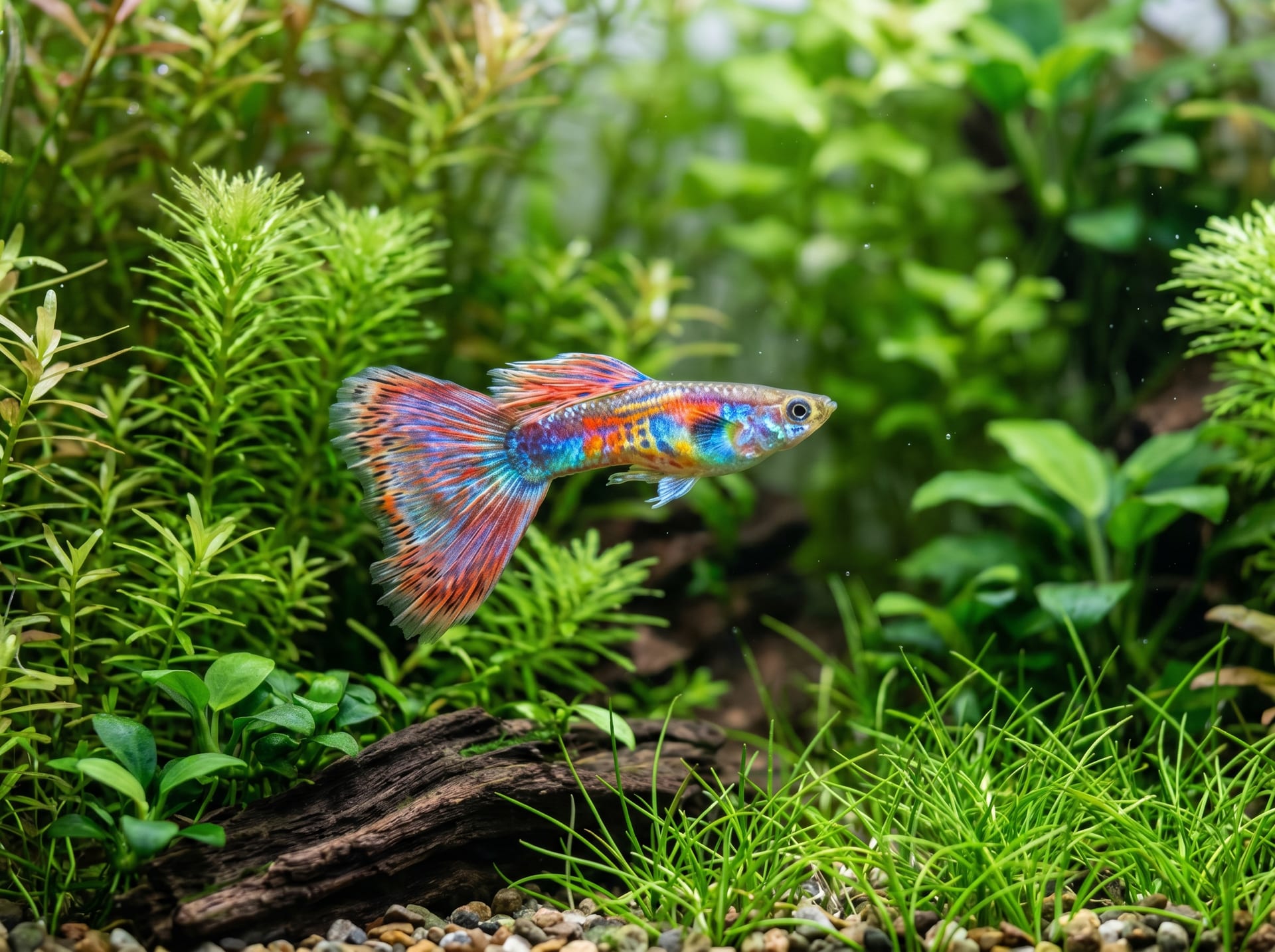
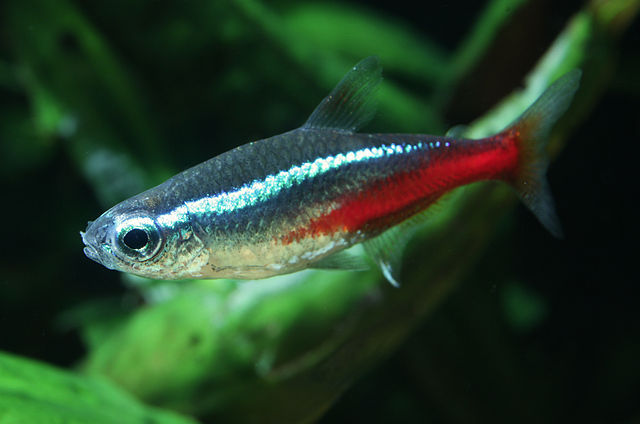
Rope Fish itself has a relatively peaceful temperament and rarely actively attacks larger fish. However, any fish small enough to fit in its mouth (5 cm or less) becomes prey. Housing with small species such as neon tetras or guppies is dangerous, as they are especially vulnerable to predation at night.
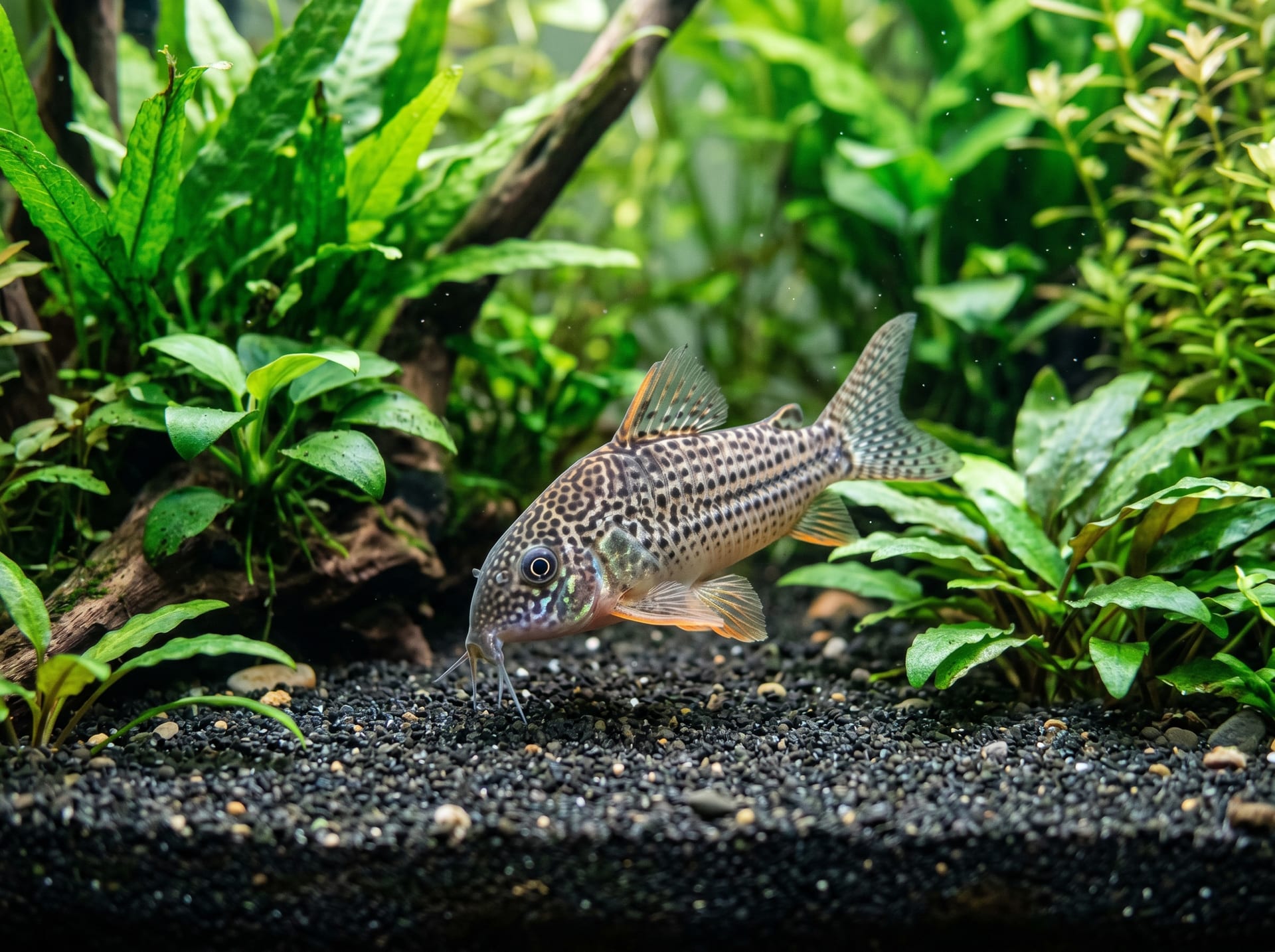
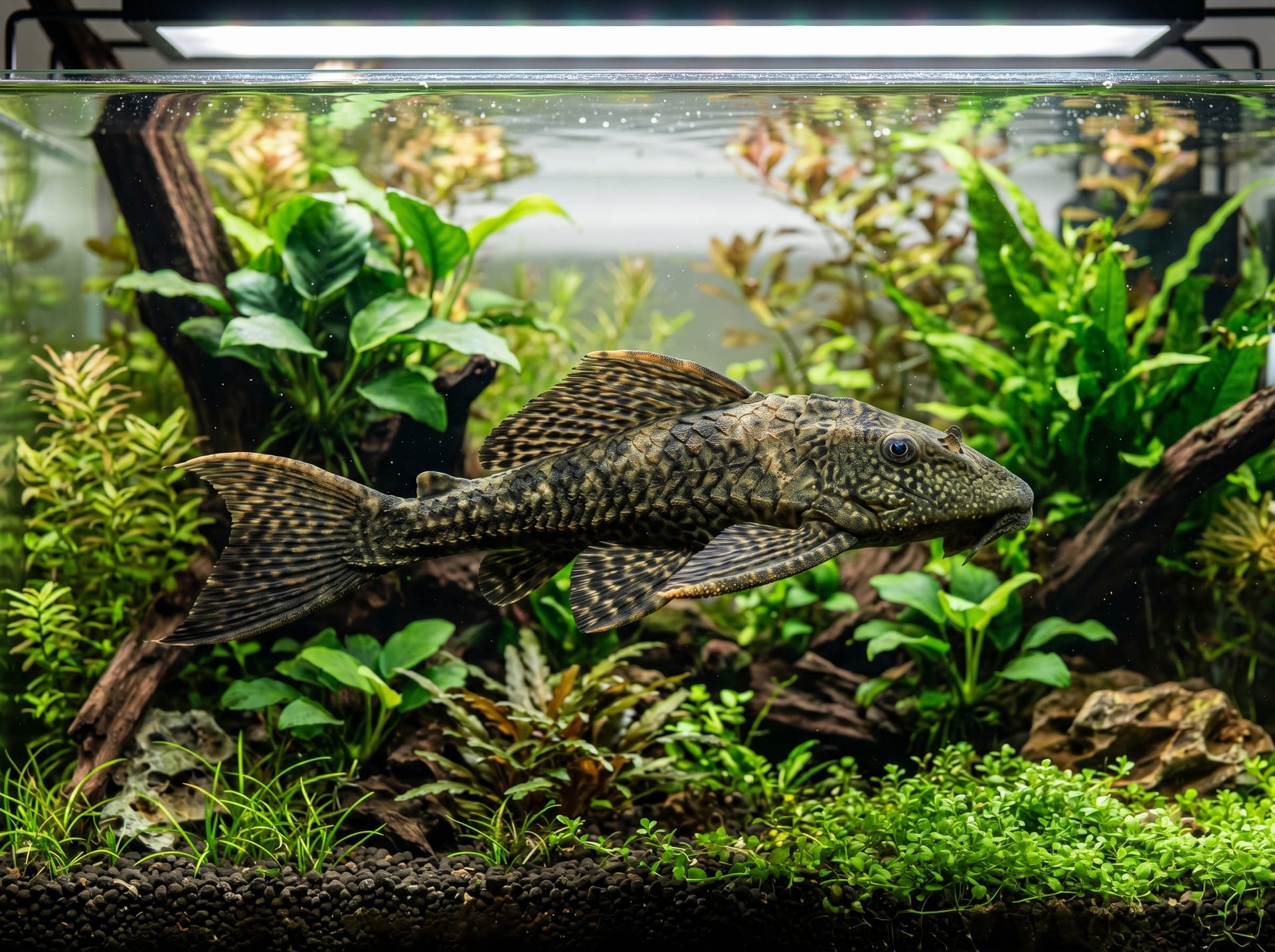
Suitable tank mates are peaceful fish of equal or larger size. It can sometimes be housed with medium to large Polypterus (though compatibility among Polypterus themselves should be verified), large Corydoras catfish, large Pleco species (such as Royal Pleco), and medium-sized cichlids. However, since competition for bottom-dwelling space is possible, ample tank size and adequate hiding places are prerequisite.
Multiple Rope Fish can be kept together in spacious tanks where competition is minimal with robust feeding. However, fin-nipping of weaker individuals has been reported, so careful observation is essential.
Summary: Key Points for Rope Fish Care
When the three key challenges—escape prevention, accommodation for nocturnal behavior, and appropriate carnivorous diet—are properly managed, Rope Fish offers rewarding long-lived (reports of 10–15+ years) and distinctive primitive fish keeping. While it remains hidden under driftwood during the day, its slow crawl along the bottom after lights-out provides a unique and mesmerizing viewing experience unlike other fish. It is especially suited for hobbyists who appreciate unusual species and are interested in ancient fish.