Characteristics of Rainbow Sharks and Red-Tailed Black Sharks
The Rainbow Shark (Epalzeorhynchos frenatum) and Red-Tailed Black Shark (Epalzeorhynchos bicolor) are bottom-dwelling fish native to Southeast Asia, belonging to the Cyprinidae family. Despite their "shark" name, they are freshwater fish completely unrelated to true sharks—the name comes from their shark-like body shape and dorsal fin structure.
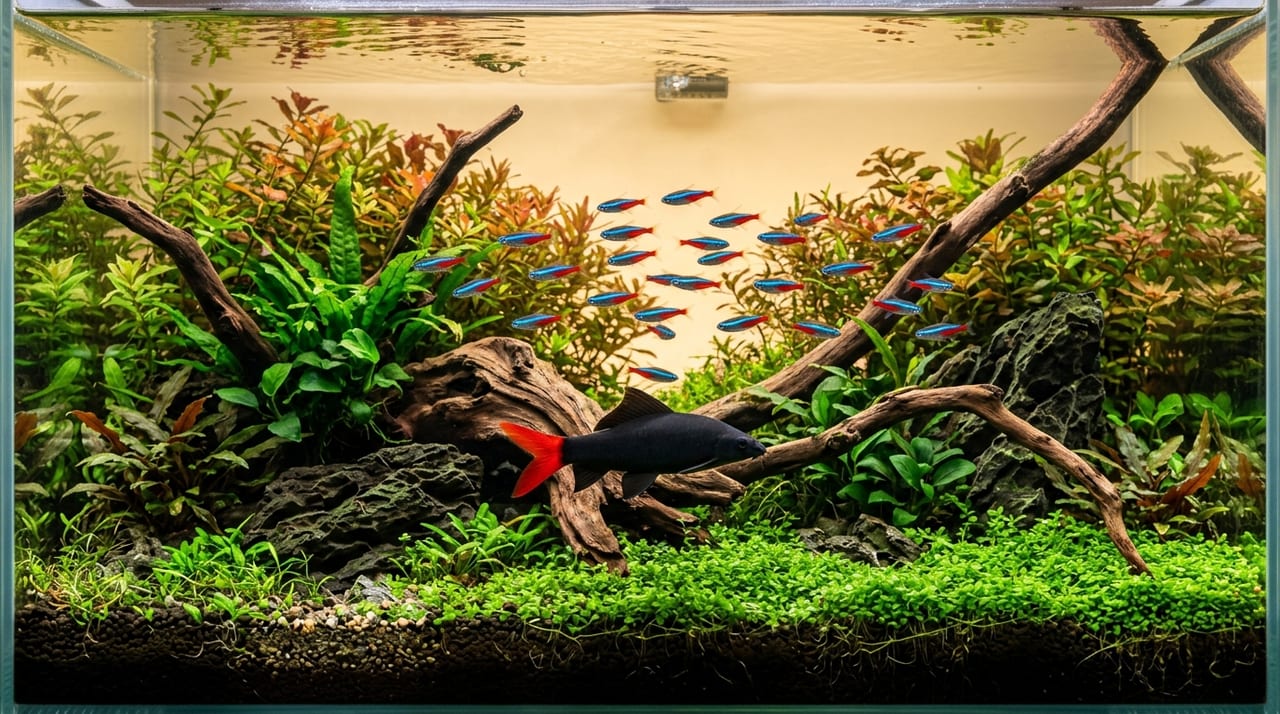
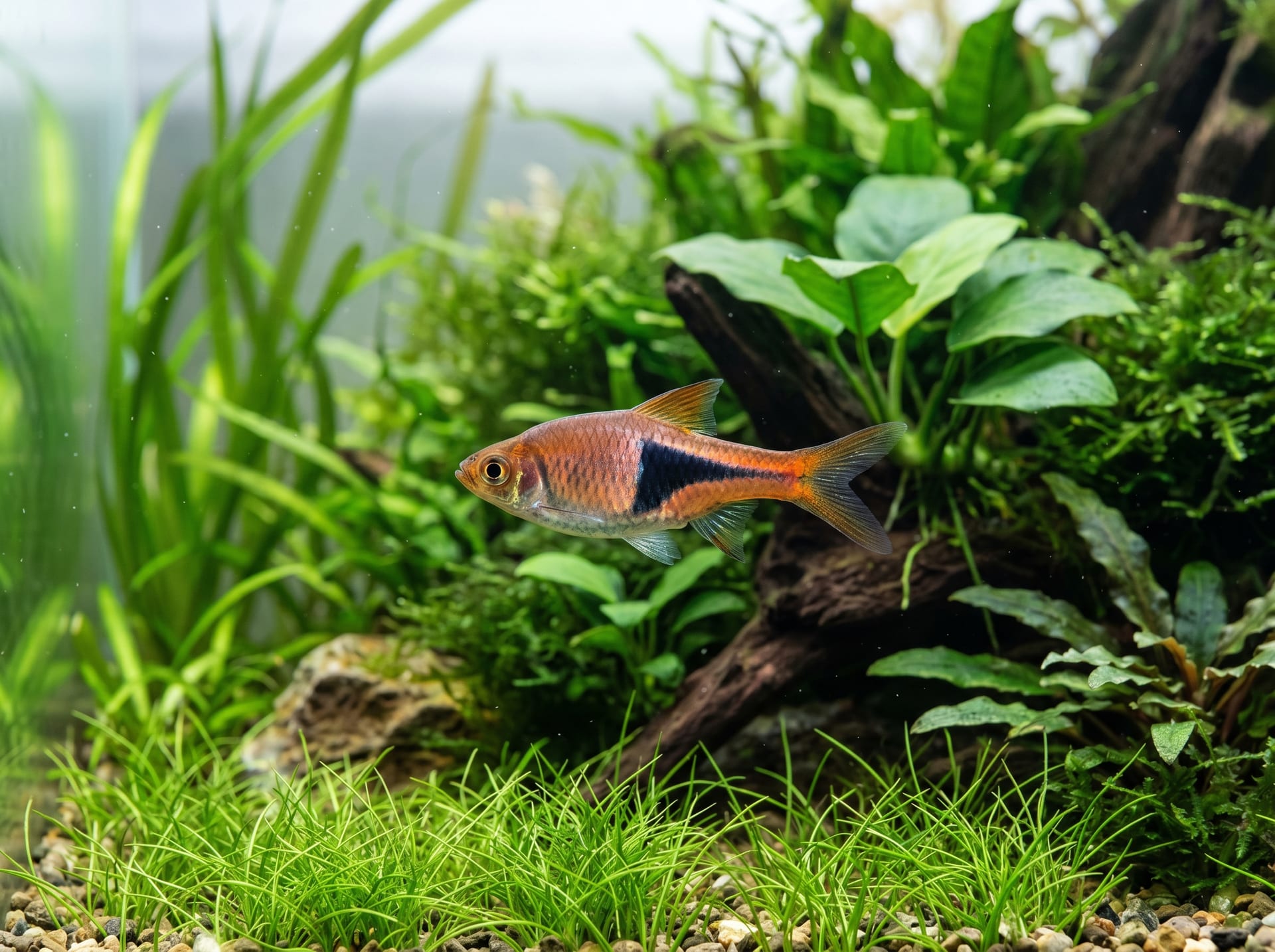
The Rainbow Shark is characterized by a blue-gray to black body with vibrant orange-colored fins, growing to a maximum length of around 15 cm. In mature specimens, fin color becomes more intense, and during breeding season the males appear to glow, which is how the "Rainbow" name originated. The Red-Tailed Black Shark has a deep black body overall, with only the tail fin displaying a striking red (vermillion) color, creating a striking black-and-white contrast. Both species are highly popular in aquariums and tropical fish shops, with their vibrant colors and active behavior making them natural centerpieces for any tank.
However, both species have extremely strong territorial instincts, particularly known for intense conflict between the same species or related species. Proper tank layout and careful selection of tank mates are essential for successful keeping.
Tank Water Parameters and Setup
Both Rainbow Sharks and Red-Tailed Black Sharks prefer slightly acidic to neutral water conditions. The ideal pH is 6.5–7.5, with a water temperature of 24–27°C. They can tolerate moderate hardness (GH 5–12 dGH). While they are not overly sensitive to water parameter fluctuations, they can be managed by beginners with proper care, though they are sensitive to overcrowding and poor water quality.
Use a minimum 60 cm tank (approximately 60 L) or larger. Given that they grow to 15 cm and display territorial behavior, a 90–120 cm tank is preferable. Use fine sand or smooth gravel for the substrate, and create multiple hiding spots and territorial boundaries using driftwood, rocks, and aquatic plants. Stone arrangements and driftwood arches that block sightlines are particularly effective in reducing conflict between tank mates.
Lighting has no specific requirements, but since these fish also consume plant matter, adequate light to support plant photosynthesis is beneficial for aquatic plant management. External or top filters are most suitable, providing a good balance between oxygen supply and water quality maintenance.
Territorial Behavior and Tank Mate Considerations
The strongest concern when keeping Rainbow Sharks and Red-Tailed Black Sharks is their strong territorial instinct. Conflict is particularly likely to occur in the following situations:
Keeping multiple individuals of the same species is extremely difficult, and the basic rule is one fish per tank. In small to medium tanks (60–90 cm), keeping two or more individuals triggers intense fighting, with reports of weaker individuals being chased to death. Multiple individuals are only possible in large tanks (120 cm or larger) with sufficient territorial separation. Mixed species keeping of Rainbow Sharks and Red-Tailed Black Sharks is similarly not recommended for the same reason.
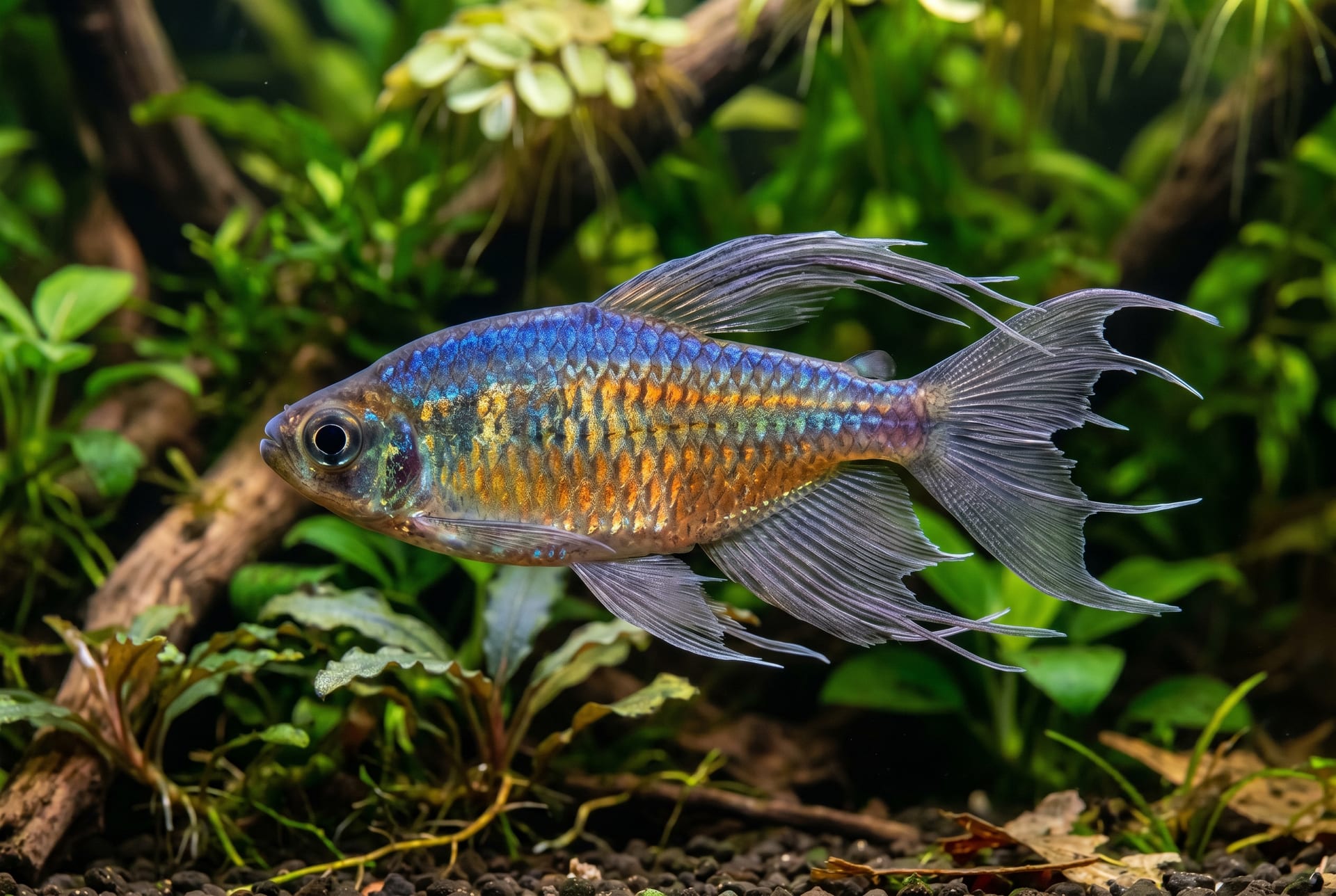
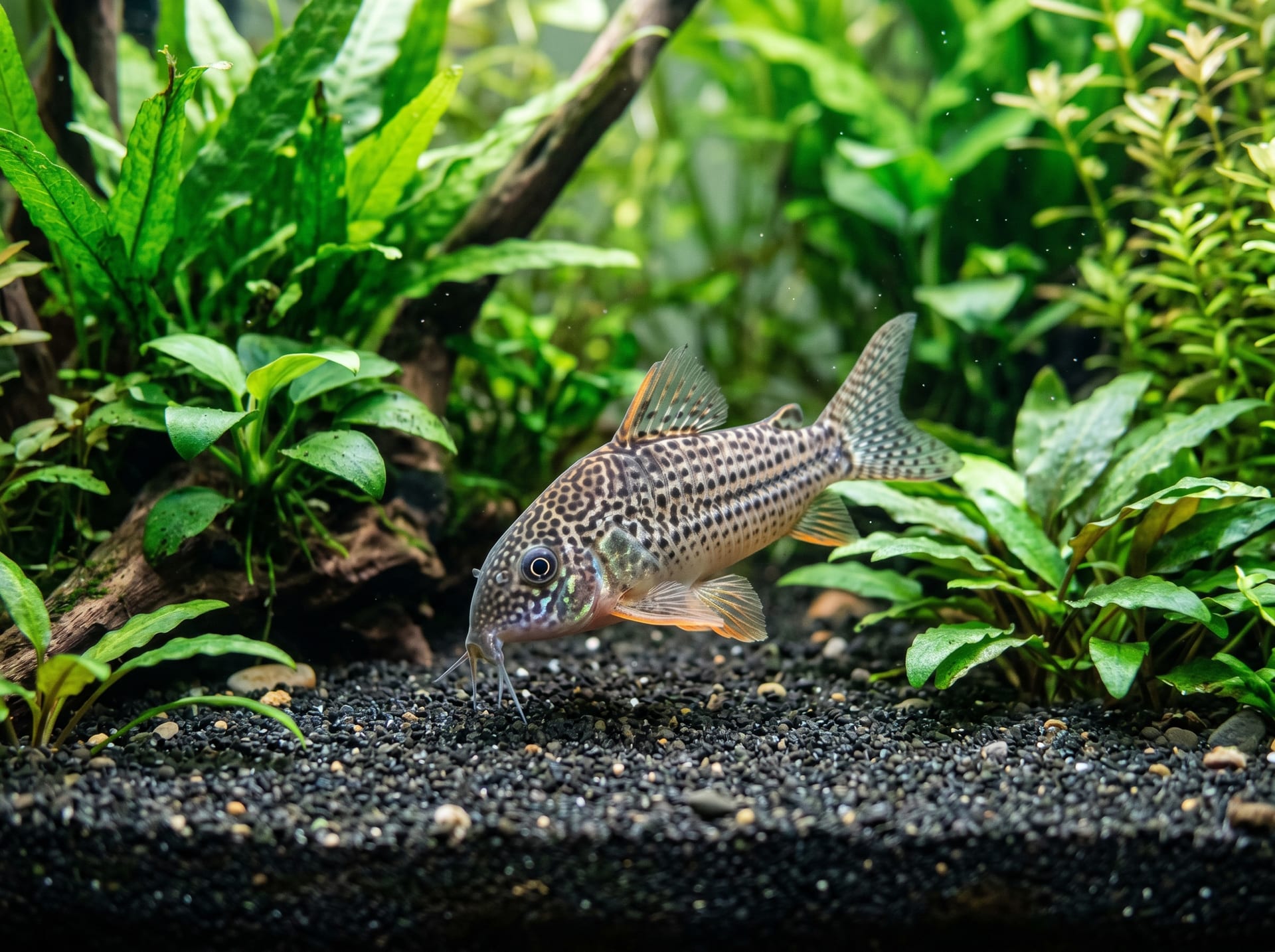
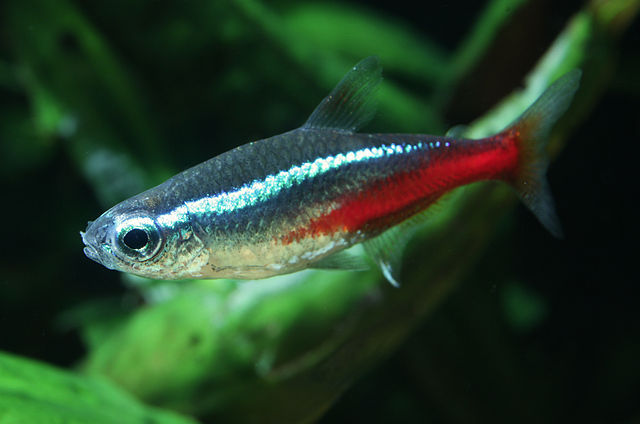
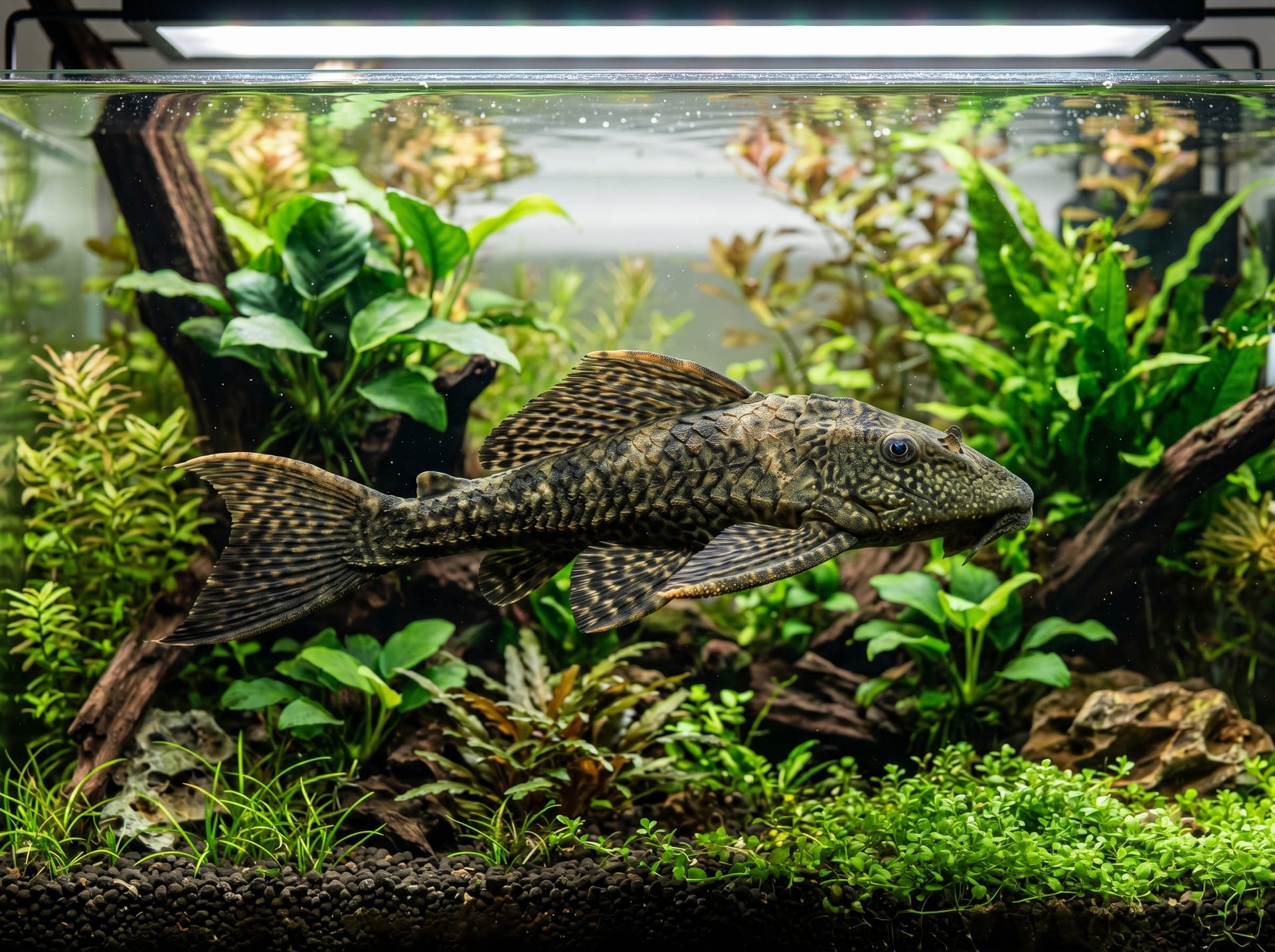
When considering tank mates with other species, caution is needed with bottom-dwelling fish such as Corydoras catfish, Plecos, and loaches. Corydoras are relatively docile and less likely to be targeted, but larger Plecos or bottom-dwelling catfish may compete for the same hiding spots. Fish swimming in the middle to upper water column—such as small Characins (Neon Tetras, Rasboras, Congo Tetras) and small Gouramis—have minimal territorial overlap and are compatible.
A key to successful tank mates is "avoid adding the Rainbow Shark last." If a Rainbow Shark is introduced into a tank with established residents, its territorial behavior is often suppressed. Conversely, when other fish are added to a tank where a Rainbow Shark is already established, territorial behavior tends to intensify.
Feeding and Diet Characteristics
Rainbow Sharks and Red-Tailed Black Sharks are omnivorous, feeding on algae, organic detritus (decomposing plant matter), and small invertebrates in their natural habitat. In tanks, balanced feeding according to their diet is important.
Primary foods should be sinking pellets with high plant-based content, such as Pleco tablets, spirulina flakes, and vegetable-based foods (including dried spinach). Supplement with animal protein sources such as frozen or dried bloodworms and brine shrimp once or twice weekly. While they play a cleaning role by consuming food debris on the tank floor, this alone does not provide sufficient nutrition.
Feed once or twice daily, enough to be consumed in 3–5 minutes. Overfeeding leads to water quality deterioration and digestive problems. Since these are voracious eaters, monitor feeding amounts carefully.
Breeding Difficulty and Considerations
Breeding Rainbow Sharks and Red-Tailed Black Sharks in home aquariums is extremely difficult, with almost no successful cases reported domestically. Most individuals in commercial trade are captive-bred in Southeast Asian farms, primarily in Thailand and Malaysia.
In the wild, they are reported to migrate upstream during the rainy season to spawn, but reproducing this behavior in an aquarium requires large dedicated breeding tanks with precise control of water flow, temperature, and chemistry. Currently, intentional breeding in typical home aquariums is not practical, and purchasing from shops or breeders is the realistic option for obtaining individuals.
That said, with proper daily care, these are hardy fish with a lifespan of 5–8 years or more. The joy of keeping them lies in long-term care in appropriate conditions.
Summary: Living Successfully with Territorial Fish
Rainbow Sharks and Red-Tailed Black Sharks are fascinating fish that brighten the aquarium with their vibrant colors and active behavior. Understanding their strong territorial nature and selecting appropriate tank layout and tank mates will allow you to enjoy them long-term. The key to successful keeping is following three basic principles: one fish per tank, an adequately sized tank, and the provision of hiding spots that block sightlines.