Rummy Nose Tetra Care Guide | Water Quality Management and Schooling Techniques for These Beautiful Red-Headed Schooling Fish
A beginner's guide to caring for Rummy Nose Tetras with their striking red heads and black-and-white striped tail fins. Learn the number of fish, tank size, water quality management needed to showcase beautiful schooling, plus detailed methods for checking body color as a health indicator.
Key Takeaways
A beginner's guide to caring for Rummy Nose Tetras with their striking red heads and black-and-white striped tail fins. Learn the number of fish, tank size, water quality management needed to showcase beautiful schooling, plus detailed methods for checking body color as a health indicator.
Related Species
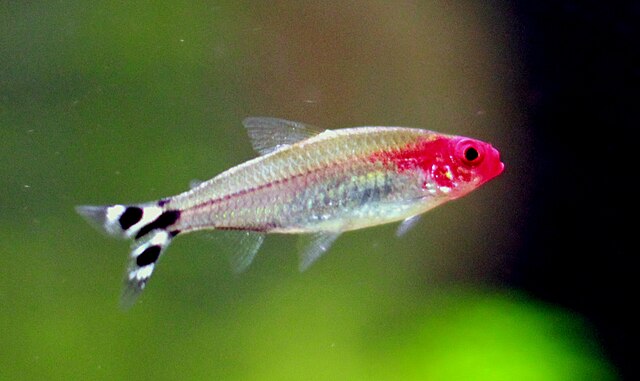
Rummy Nose Tetra (Hemigrammus rhodostomus) is a small South American characin distinguished by its vibrant red nose and white-black zebra-striped tail fin. It prefers soft, acidic, clear water and ranks among the top aquarium fish for the beauty of its schooling behavior. It is beloved by many aquarists as the main fish in planted tanks and as a community fish.
Basic Data
| Item | Details |
|---|---|
| Scientific Name | Hemigrammus rhodostomus |
| Origin | Brazil (Rio Negro basin), Colombia |
| Size | 3-4 cm |
| Lifespan | 3-5 years (with good water quality) |
| Water Temperature | 24-28°C (optimal: 25-27°C) |
| pH | 5.5-7.0 (optimal: 6.0-6.5) |
| Hardness | 1-8 dGH (prefers soft water) |
| Care Difficulty | Intermediate (sensitive to water quality) |
Body Color as a "Health Barometer"
The key characteristic of Rummy Nose Tetras is that their health status is clearly reflected in their body color.
Assessing Health by Head Color
| Head Coloration | Status |
|---|---|
| Vibrant red extending behind the eyes | Healthy, good water quality |
| Pale pink or faded red | Water quality deterioration, stress |
| Nearly white/completely faded | Water quality crisis, disease, recently transported |
Even if fish are discolored from transport stress immediately after purchase, healthy individuals will regain their red coloration within 1-2 days when placed in well-maintained water. When purchasing, it's ideal to select individuals with deep red coloration or to verify the water quality in the sales tank.
Showcasing Beautiful Schooling
A Minimum of 20+ Fish is Recommended
With small numbers (5-10 fish), Rummy Nose Tetras tend to scatter and don't display beautiful schooling. With 20-30 or more fish, their natural schooling behavior emerges, and you can enjoy "shoaling"—watching them change direction as if they were a single organism.
| Number of Fish | Schooling Quality |
|---|---|
| 10 or fewer | Tends to scatter |
| 15-20 | Forms a loose school |
| 30+ | Impressive coordinated schooling |
Tank Size
| Number of Fish | Recommended Tank |
|---|---|
| 20-30 | 60 cm standard (54L) |
| 40-50 | 90 cm or larger (160L+) |
The larger the swimming space, the more impressive the schooling display.
Layout Tips
The red nose stands out beautifully against the green background of aquatic plants. Densely plant background plants (Vallisneria nana, Hygrophila, etc.) while keeping the foreground to midground open for swimming space—this creates the most impressive schooling display.
Using black sand or dark substrate makes the fish's colors appear more vivid.
Water Quality Management Tips
Rummy Nose Tetras are sensitive to deteriorating water quality. Pay special attention to the following points.
Maintaining Soft, Acidic Soft Water
The Rio Negro River in their native habitat is an extreme soft-water, low-pH (pH 4-6) "blackwater" environment. Tap water (most Japanese tap water is moderately hard, around pH 7) requires adjustment to lower the hardness.
Methods for Softening Water:
- RO water (reverse osmosis filtration)
- Filters using peat moss or activated carbon
- Amazon soil substrate (lowers pH and hardness through ion exchange)
- Blackwater additives (tannins and humic acids)
Maintaining Zero Nitrite and Ammonia
In tanks where the filter hasn't cycled, this becomes fatal. For 30-50 fish, dual filtration with an external filter (such as a 2217) plus a secondary filter provides reliable results.
Weekly Water Changes (25-30%)
Perform water changes with dechlorinated water at the same temperature to avoid stress from sudden water chemistry shifts. In a blackwater environment, brownish water is normal, so avoid overchanging water out of concern for its appearance.
Feeding and Food Selection
Due to their small mouths, fine-particled flake food or pellets are most suitable.
- Primary diet: small-grain tropical fish flakes (Tetramins, etc.)
- Supplementary food: frozen brine shrimp nauplii (2-3 times weekly), daphnia, bloodworms
- Feeding frequency: twice daily, only as much as they can consume in 2-3 minutes
A slightly underfed state tightens the schooling formation, so modest feeding actually enhances the beauty of their schooling behavior.
Community Tank Considerations
While Rummy Nose Tetras are peaceful characins with good community compatibility, note the following:
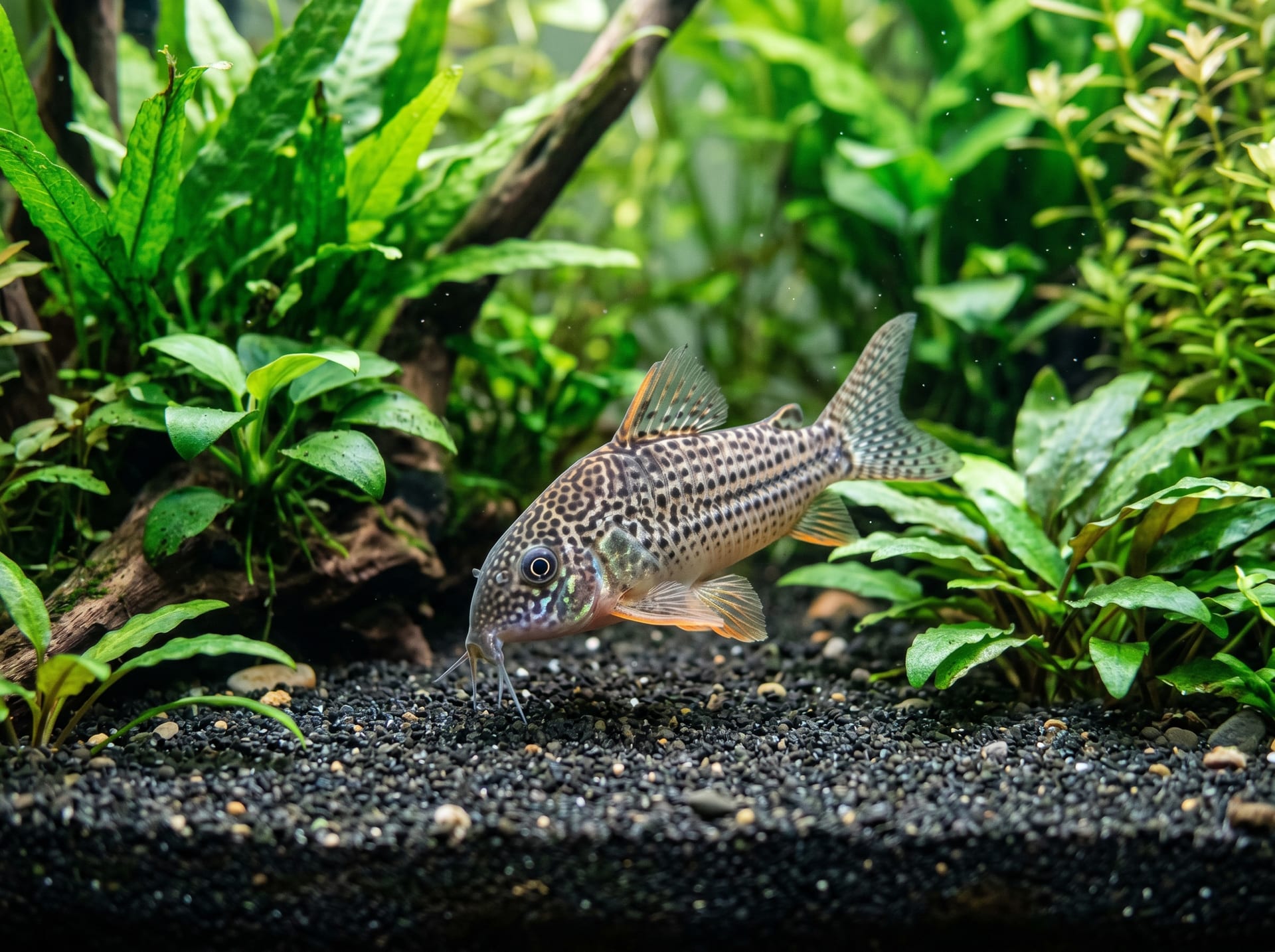
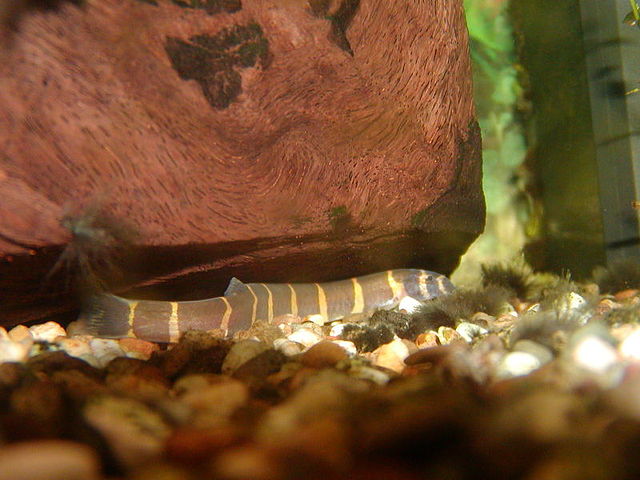
- With same-sized, peaceful fish: Cardinal Tetras, Corydoras, Otocinclus, Kuhli Loaches
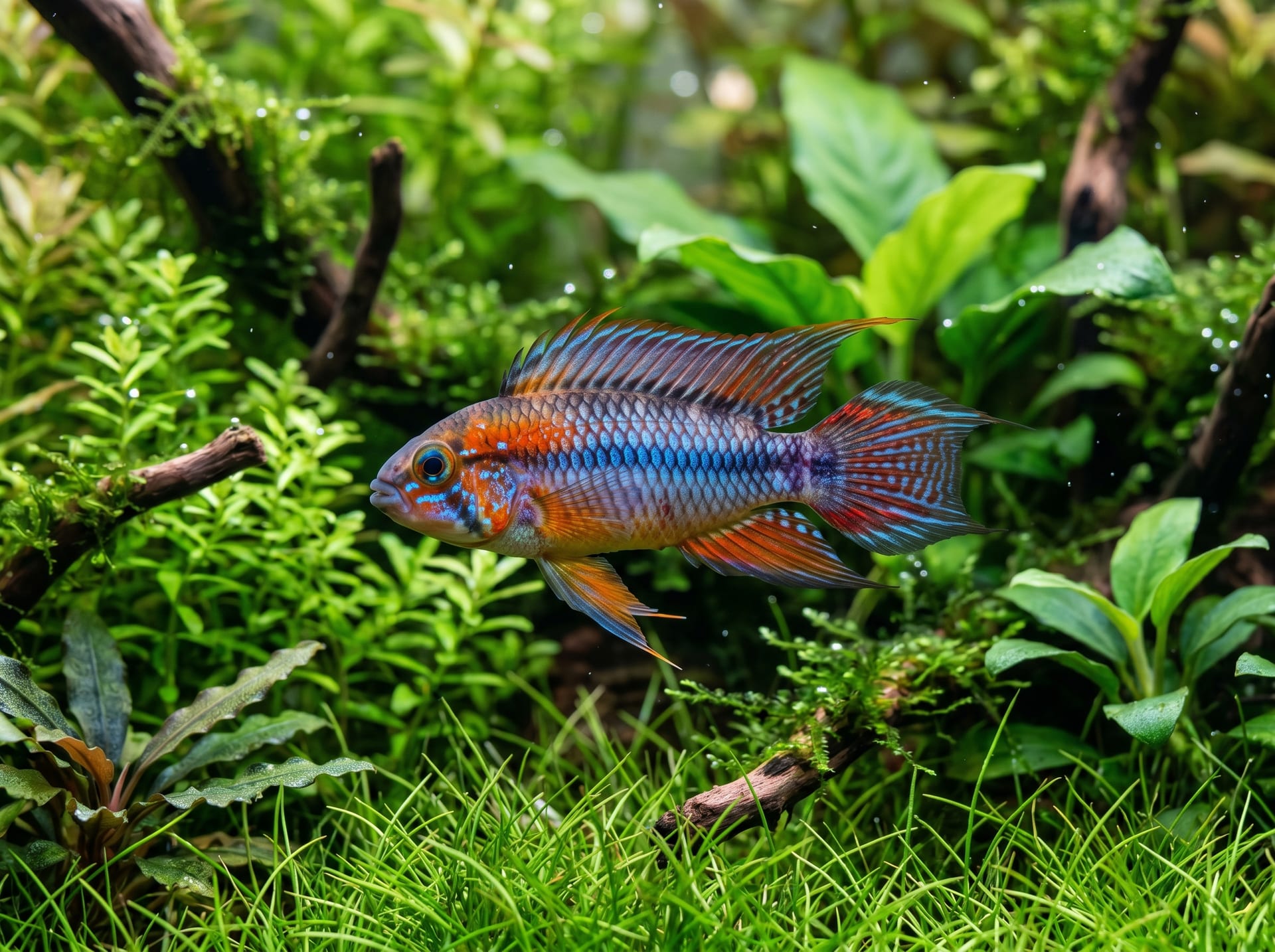
- Fish to avoid: Large cichlids (predation), Apistogramma (territorial aggression), Bettas (fin-nipping)
- Shrimp are compatible (though shrimplets may be eaten)
Disease and Prevention
Disease is unlikely with good water quality, but watch for Ichthyophthirius (white spot disease).
White Spot Disease Prevention:
- Quarantine new fish for 2 weeks
- Avoid sudden temperature drops (address summer power outages and air conditioning effects)
- Acclimate newly transported fish slowly to temperature and pH before introducing to the tank
Summary
The schooling of Rummy Nose Tetras brings planted tanks to life with stunning visual appeal. The fact that their health is reflected in their body color is also appealing—you'll see the direct results of your care. While maintaining soft, acidic water requires some effort, the extraordinary beauty you'll witness in return is well worth it. Experience the true magic of Rummy Nose Tetra schooling with a group of 20 or more.