Tropical Fish Breeding Methods and Precautions | A Breeding Guide for Beginners
This guide explains how to breed tropical fish that are easy for beginners to breed, such as guppies, platies, and corydoras. Learn about spawning signs, fry isolation methods, and how to hatch brine shrimp.
Key Takeaways
This guide explains how to breed tropical fish that are easy for beginners to breed, such as guppies, platies, and corydoras. Learn about spawning signs, fry isolation methods, and how to hatch brine shrimp.
Related Species
As you become comfortable with tropical fish keeping, many people want to take the next step and try "breeding." Watching fry hatch and grow steadily is one of the greatest joys of fishkeeping. While some species can be bred relatively easily even by beginners, success requires basic knowledge and proper preparation. This article covers everything from selecting easy-to-breed species to detailed breeding procedures and fry care.
Recommended for Beginners | How to Choose Easy-to-Breed Tropical Fish
If you want to try breeding, the first step to success is choosing "easy-to-breed species." Tropical fish reproduction falls into two main categories: "livebearing" and "egg-laying."
Livebearing Fish (Best for Absolute Beginners)
Livebearing means the fish incubate eggs internally and give birth to live fry. Since the fry are already a certain size at birth, they have a high survival rate and are especially recommended for beginners.
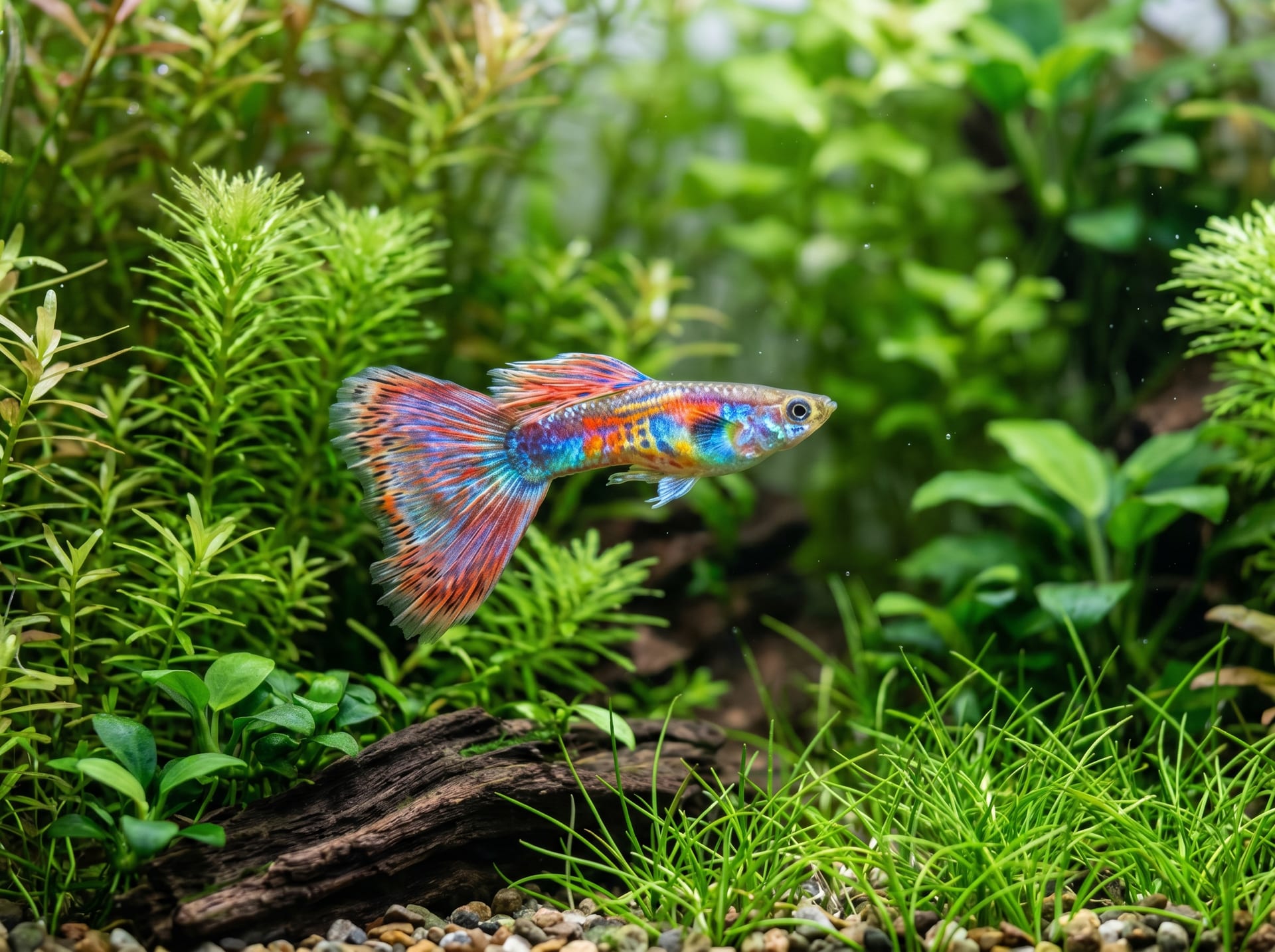
Guppies — Extremely prolific breeders that often reproduce naturally even in community tanks. Available in many colorful varieties, and selective breeding is very popular.
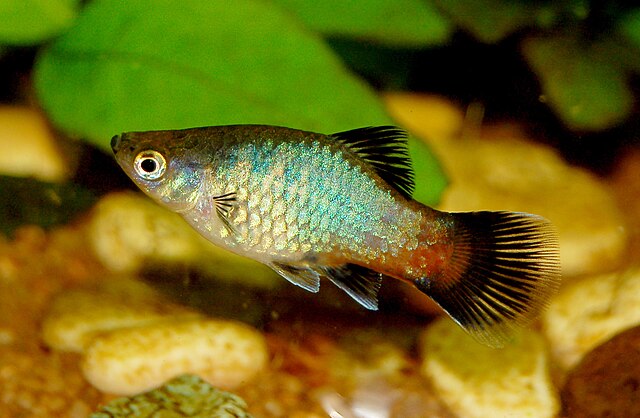
Platies — Easy breeders like guppies with hardy constitutions and straightforward care. Vibrant color variations including red, yellow, and blue are widely available.
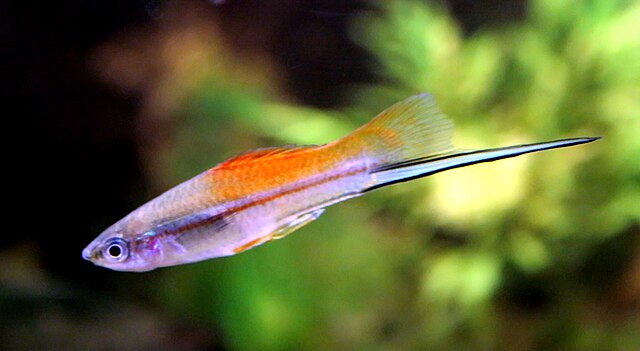
Swordtails — Attractive for their distinctive appearance as males develop sword-like tail extensions when mature. Hardy and easy to breed.
Beginner-Friendly Egg-Layers
These require spawning, hatching, and fry management steps, but they offer the enjoyment of observing breeding behavior firsthand.
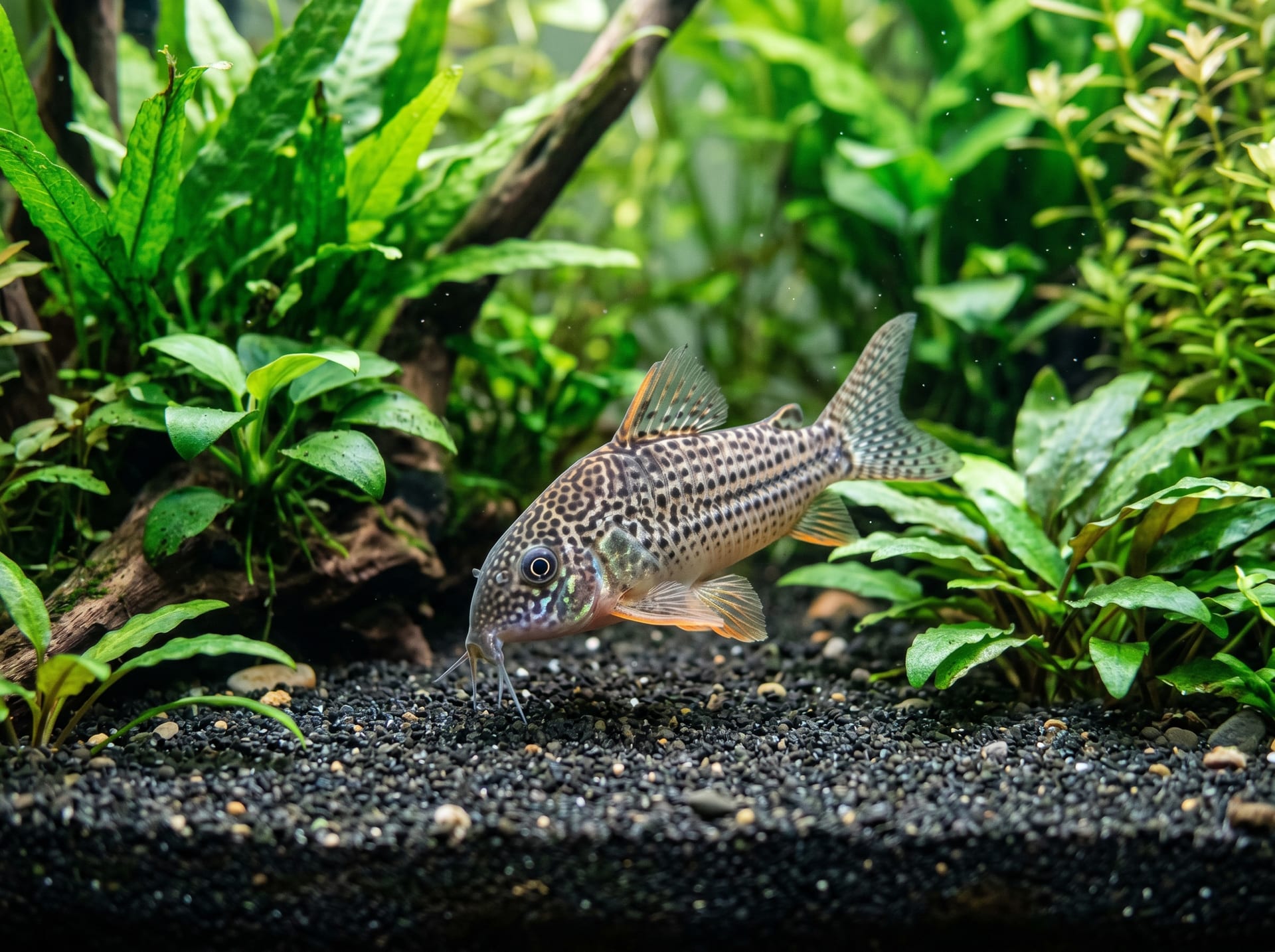
Corydoras — Observable unique mating behavior called "T-position." Eggs are laid on glass surfaces or aquatic plants.
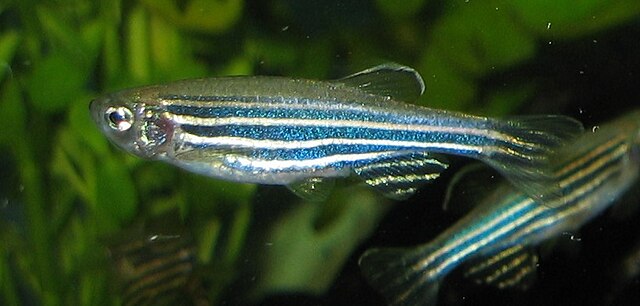
Zebra Danios — Easy to breed with "broadcast" spawning among plants. Hardy and tolerant of temperature fluctuations.
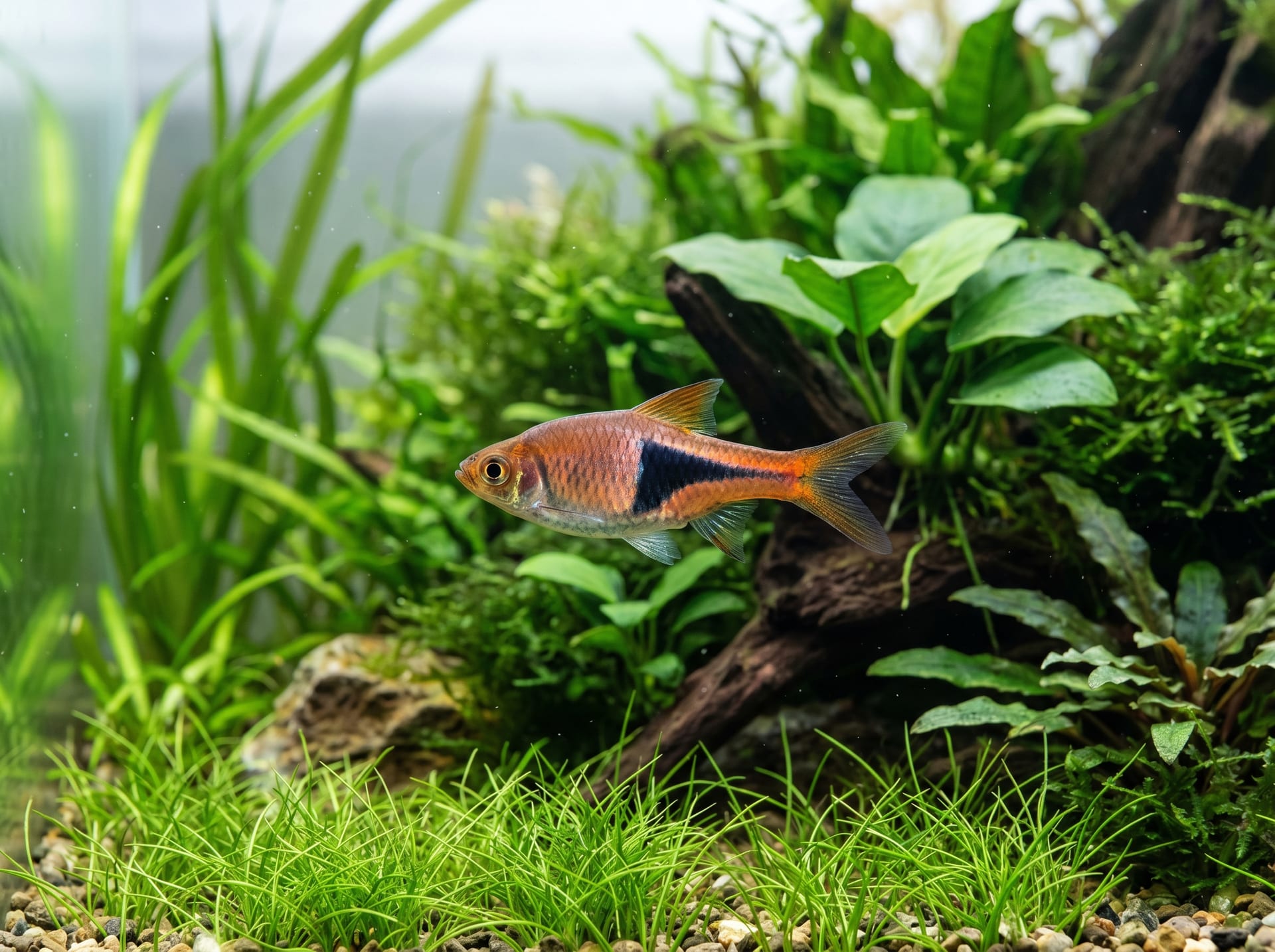
Rasboras — Spawn in dense vegetation. Keeping them in groups promotes natural reproduction.
✍️
BreederDirect Editorial
The BreederDirect editorial team specializes in care information for animals, covering veterinary care and breeding to deliver beginner-friendly guides.
Find Tropical Fish on BreederDirect
Buy directly from verified breeders
Browse Related Listings
Find Tropical Fish listings related to this article on BreederDirect. Buy directly from verified breeders.
Guppy Breeding Steps | The Easiest Livebearing Fish
Guppies are particularly easy to breed among tropical fish and are ideal for beginners to start with.
Setting Up the Breeding Environment
Water temperature: Maintain a stable 25–28°C
pH: Around 7.0 (neutral to slightly alkaline)
Ideal ratio: 1 male per 2–3 females. Too many males will stress females.
Breeding Process
Identify pregnancy signs — The female's belly swells and a dark "pregnancy spot (gravid spot)" appears near the anus.
Don't miss signs of imminent birth — When the belly becomes angular and movement slows, it's time to move her to a birthing box.
Isolate in a breeding box — Move the female to a breeding box before birth to prevent fry from being eaten by adults.
Monitor the birth — One batch produces approximately 20–50 fry. Return the female to the main tank after birth.
Repeat the cycle — Guppies reproduce at approximately one-month intervals.
Corydoras Breeding Steps | Fun to Observe
Corydoras breeding is attractive for its unique spawning behavior. While it requires some extra effort, the satisfaction of success is unmatched.
How to Trigger Spawning
Lowering water temperature by 1–2°C during water changes triggers spawning. Think of it as recreating seasonal temperature drops during monsoon or fall transitions. Group breeding (multiple males and females) also tends to promote spawning.
Breeding Process
Confirm T-position — The male placing his body perpendicular to the female's mouth (the "T-position") indicates mating.
Spawning — The female uses her pelvic fins to hold eggs and deposits them on preferred surfaces like glass, plants, or filters.
Collect the eggs — Gently remove eggs with a pipette or card and transfer to a separate container.
Prevent fungus on eggs — Add methylene blue at recommended doses to prevent fungal growth.
Hatching — At around 25°C, eggs hatch in approximately 3–5 days.
Rearing Fry | Basic Care to Protect Newborn Life
Fry are extremely sensitive to water quality changes and low temperatures compared to adults, so careful management is essential.
Fry Tank Setup
Breeding containers: Satellite boxes (external isolation boxes) or small tanks work well.
Water temperature: Maintain 25–27°C like the parent tank. A heater is essential.
Filter: Use sponge filters to prevent fry from being sucked in.
Water changes: Perform frequent partial water changes of 1–2% of total volume daily or every other day.
Feeding Fry | Using Brine Shrimp
The most effective food for fry is live "brine shrimp (Artemia)." High in nutrition, it significantly accelerates fry growth.
Hatching Instructions:
Prepare saltwater in a bottle (500ml water + 1 tablespoon salt).
Add about 1 spoonful (as provided) of brine shrimp eggs.
Add aeration and keep at approximately 28°C for about 24 hours.
Stop aeration and shine light from the side; hatched shrimp will congregate there.
Use a pipette to collect them, rinse with freshwater using a tea strainer, then feed.
Feeding tips: Feed 3–4 times daily in small amounts the fry can finish within 5 minutes. Remove uneaten food promptly to prevent water quality deterioration.
Breeding Precautions | Knowledge for Success
Behind the joy of breeding lie several risks and precautions. Understanding them in advance can prevent problems.
Avoid overstocking — Guppies and platies are prolific; left unchecked, tanks become overcrowded. Plan for rehoming excess fish to maintain appropriate population levels.
Prevent crossbreeding — Keeping different varieties or related species together produces hybrids that lose defining characteristics. Maintain separate tanks per species to preserve breed standards.
Maintain parent health — Breeding and spawning tax the fish heavily. Feed high-nutrition foods like frozen bloodworms and brine shrimp regularly to maintain stamina.
Avoid inbreeding — Repeated breeding within the same bloodline risks deformities and immune suppression. Introduce outside bloodlines periodically to maintain quality.
After Mastering Basic Breeding | Next Steps
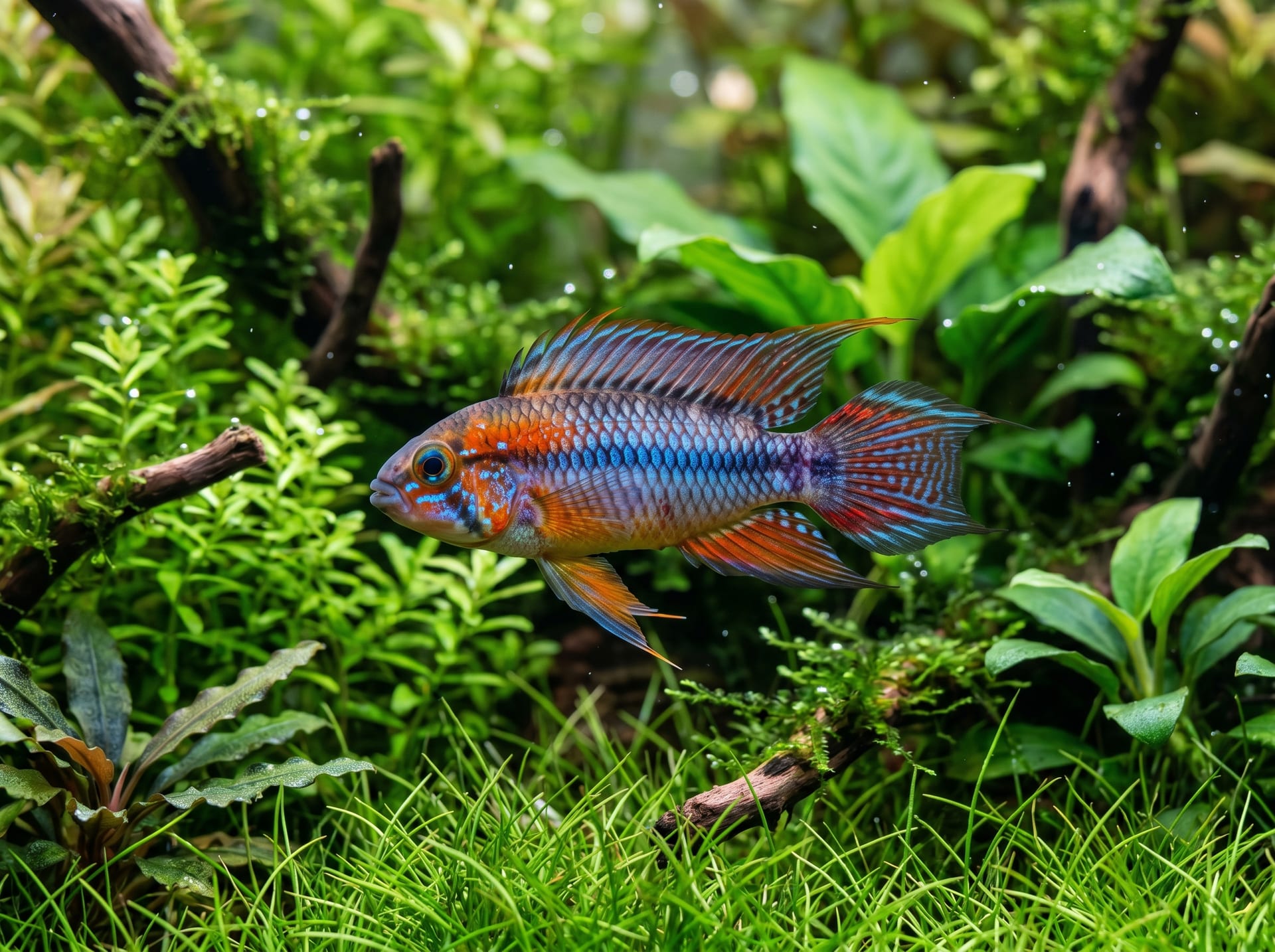
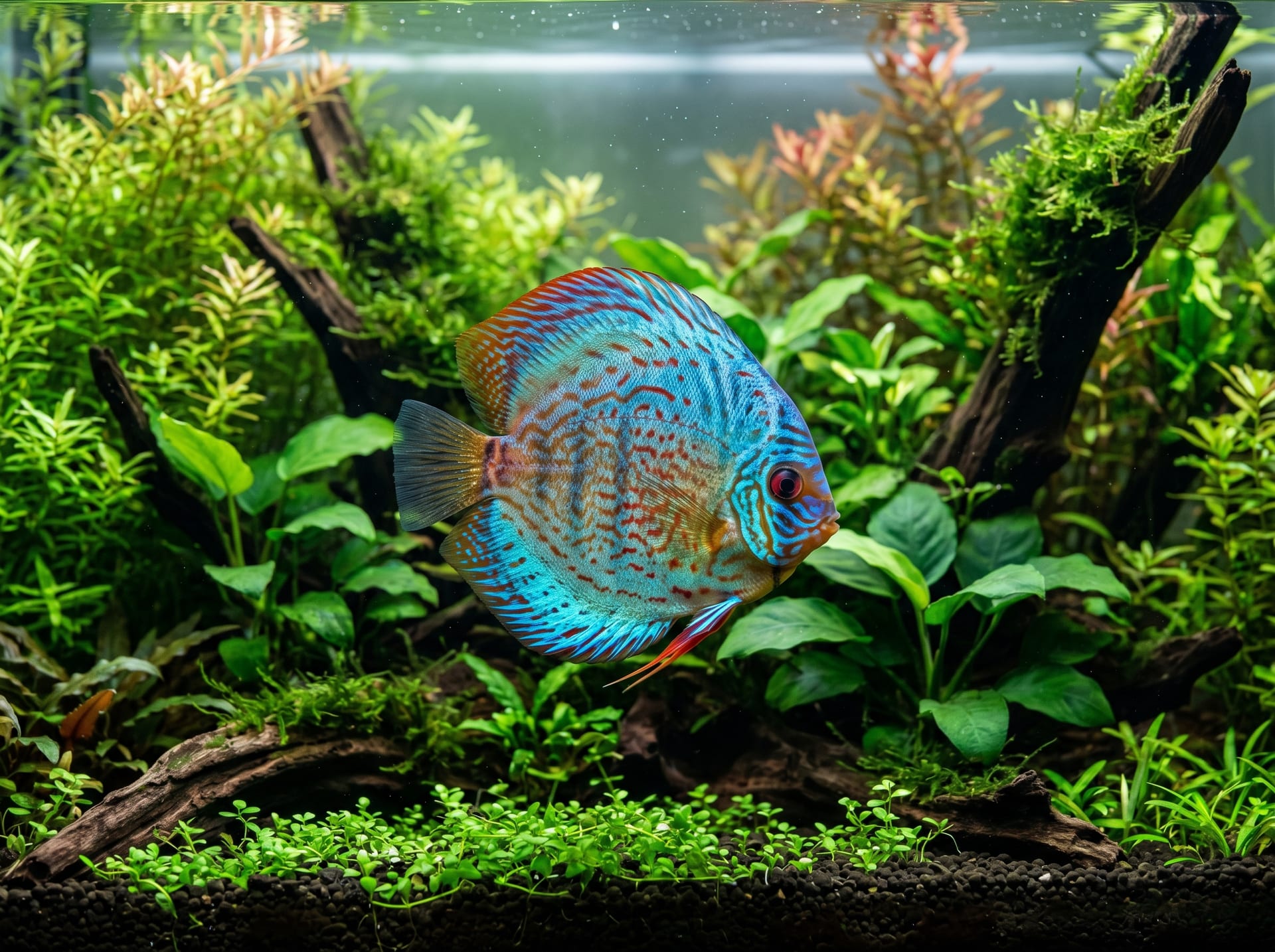
Once you've successfully bred guppies or corydoras, consider challenging yourself with more difficult species. Advanced species like discus and apistos require fine-tuning of water parameters, temperature, pair compatibility, and spawning substrate, but the satisfaction of success is extraordinary. The key to success is acquiring quality parent stock before attempting to breed.
BreederDirect's Safe and Secure System
For those wanting to seriously pursue breeding or start with superior bloodlines, we recommend BreederDirect, where you can purchase directly from breeders.
BreederDirect allows you to purchase fish directly from tropical fish breeders with proven breeding records. Clear lineage and care history make these fish ideal foundations for breeding goals. The ability to consult directly with breeders about breeding methods and water management is also a major advantage.
BreederDirect offers rare varieties hard to find in pet shops and individuals specialized for specific phenotypes (color or body type), meeting the needs of aspiring breeders pursuing advanced breeding. The peace of mind from resolving questions through pre-purchase communication is BreederDirect's greatest strength.