Tropical Fish Spawning and Fry Rearing Net Systems: How to Use Separation Breeding and Important Precautions
Explains fry separation breeding methods using spawning nets and rearing boxes, water quality and oxygen management considerations, and stage-specific care for growing fry.
Key Takeaways
Explains fry separation breeding methods using spawning nets and rearing boxes, water quality and oxygen management considerations, and stage-specific care for growing fry.
One of the most challenging aspects of tropical fish breeding is "protecting fry from adult fish." In many species, parent fish and other adults consume fry, making it necessary to rear fry in a separate environment. Separation breeding using spawning nets or rearing boxes is a simple and effective method, but improper use carries the risk of fry mortality. This article covers practical knowledge from the basics to advanced techniques for separation breeding systems.
✍️
BreederDirect Editorial
The BreederDirect editorial team specializes in care information for animals, covering veterinary care and breeding to deliver beginner-friendly guides.
Find Tropical Fish on BreederDirect
Buy directly from verified breeders
Browse Related Listings
Find Tropical Fish listings related to this article on BreederDirect. Buy directly from verified breeders.
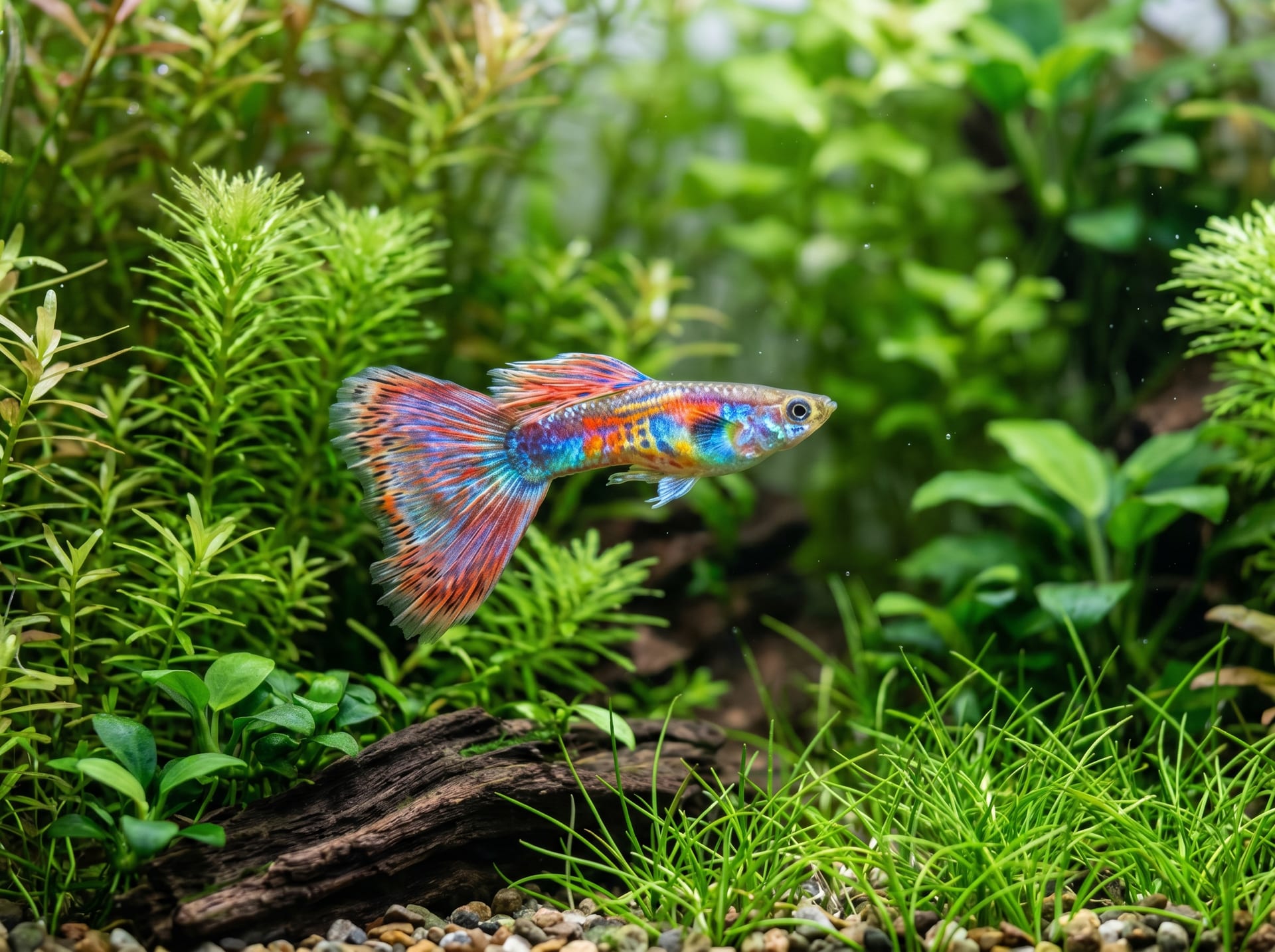
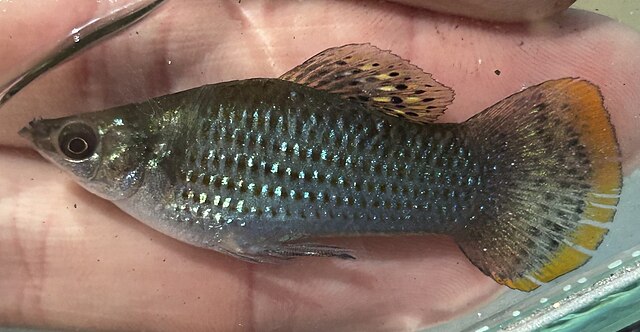
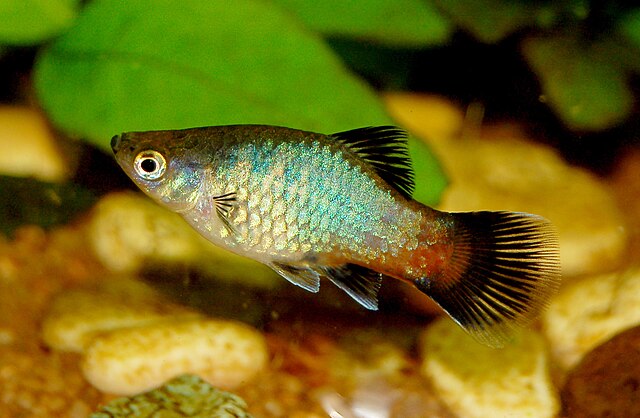
Live-bearing fish such as guppies, mollies, and platies tend to consume fry immediately after giving birth. It is not uncommon for mother fish to even consume their own fry, making it necessary to isolate them at the right spawning timing. Egg-laying fish like tetras also frequently have their eggs consumed by other fish shortly after spawning. This requires either isolating the spawning bed or collecting eggs and managing them in a separate environment.
Breeding in community tanks
In tanks with multiple species and multiple individuals, fry are recognized as "food" by other fish. Even adult fish of the same species may prey on fry, and nearly any creature small enough to fit in their mouths becomes prey. When attempting breeding in a community tank, practical options include densely planting aquatic plants to provide hiding spots for fry, or using spawning nets or separate tanks for isolation.
In species where parents provide parental care
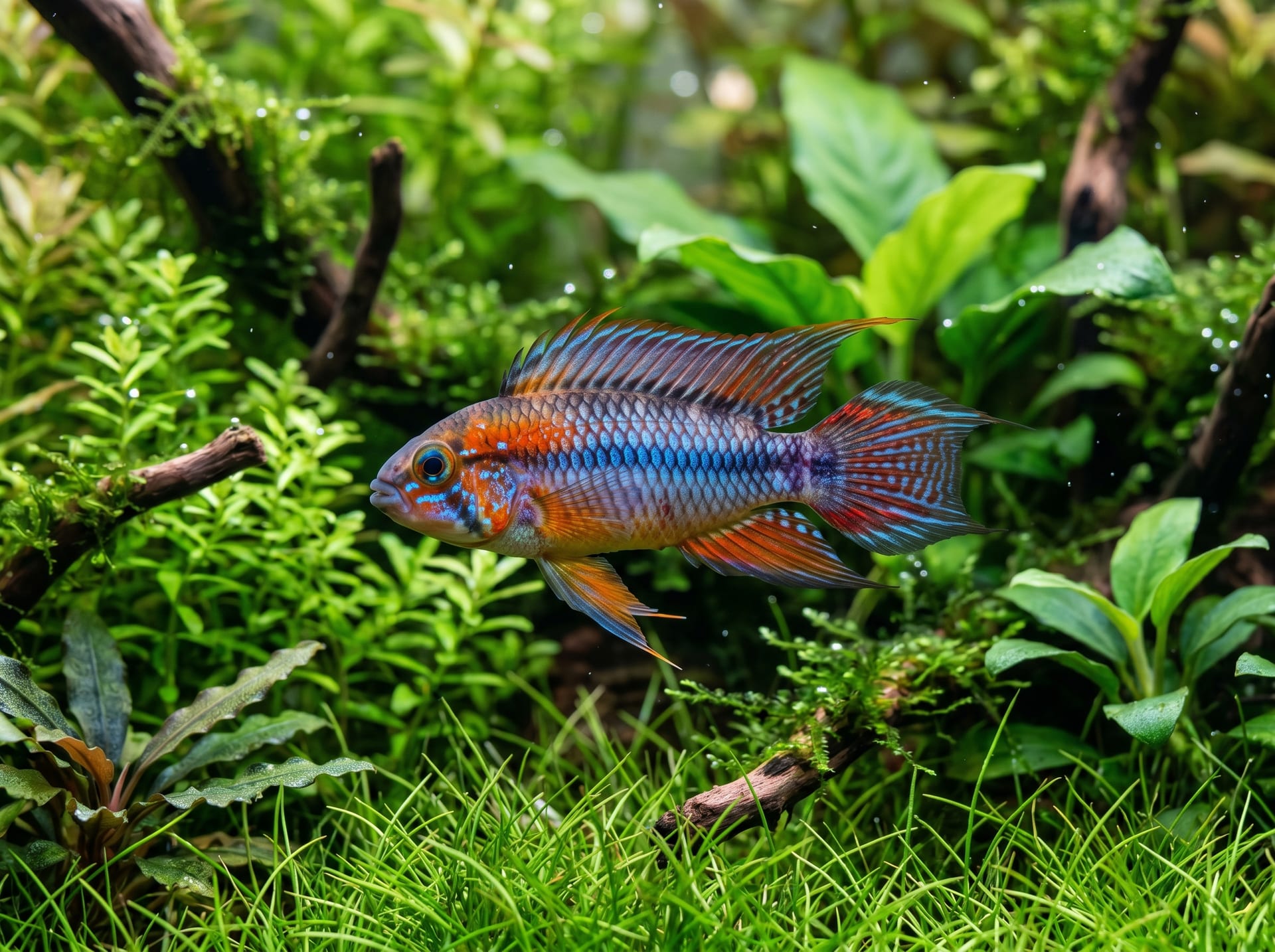
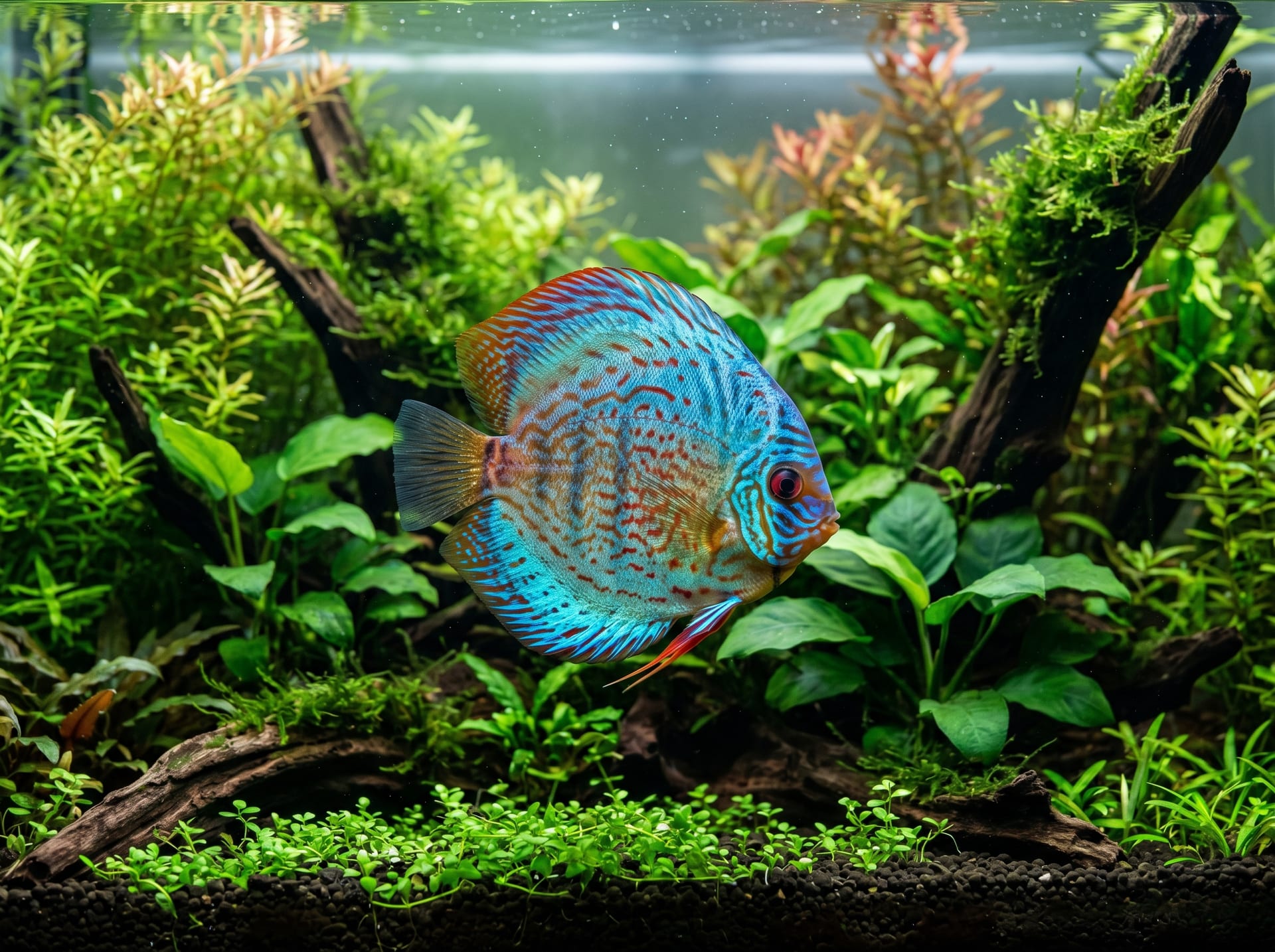
Cichlids such as Apistogramma and discus fish display active parental behavior to protect their fry. However, in community tanks, stress from attacks by other fish can cause parents to abandon their fry. In such cases, isolating both the fry and parents in a separate environment can maintain parental care behavior while eliminating the risk of predation.
Main Separation Breeding Methods and How to Choose
Spawning nets (breeding nets)
Mesh nets fixed to the aquarium wall, these are the most convenient separation tools. The greatest advantage is that water exchange occurs between the inside and outside, maintaining temperature, water quality, and oxygen levels almost identical to the outer tank. They are inexpensive and useful for emergency temporary isolation.
However, if the mesh is too fine, water flow becomes restricted and oxygen depletion occurs easily. Installing a small air stone inside is critical. Additionally, limited capacity makes them unsuitable for large numbers of fry, and they are better suited for short-term protection rather than extended rearing.
Rearing boxes (floating separators)
Small plastic boxes floating in the tank that are more rigid and easier to manage than spawning nets. Types with small holes in the bottom have water exchange, while completely sealed types allow independent water quality management. Most commonly used for temporary protection of guppies and mollies immediately after birth, they prevent predation by separating mother from fry while allowing management within the same tank.
Separate rearing tank (dedicated fry tank)
The most reliable and versatile method. Setting up a 10-20 liter dedicated fry tank with filtered water and bacteria from the parent tank allows quick establishment of a stable rearing environment. Sponge filters are essential, preventing fry from being sucked in while providing biological filtration. For breeding rare species or managing large numbers of fry, separate tank rearing is most appropriate.
Water Quality and Oxygen Management in Practice
Filtration and oxygen supply
Spawning nets and rearing boxes have limited capacity, so water quality deteriorates rapidly from fry waste and uneaten food. Powerful external or hang-on filters risk sucking in fry and cannot be used. The basic approach for maintaining water quality is supplying oxygen via air stones while using a siphon to carefully remove waste and leftover food settled at the bottom daily.
For separate tank rearing, fine-mesh sponge filters are optimal. Established bacterial colonies on sponge also provide biological filtration, suppressing ammonia and nitrite accumulation.
Daily water changes
Fry are more sensitive to water quality fluctuations than adults, with particularly low tolerance for ammonia and nitrite. Ideal practice in separation containers is performing 10-20% partial water changes daily or every other day. Water used for changes should come from the parent tank or be the same temperature with dechlorinator applied, avoiding sudden temperature changes. Too little water change causes deterioration; too much causes stress from sudden water quality changes. Frequent small water changes are the rule.
Stage-Specific Care and Feeding for Growing Fry
Immediately after hatching to day 3 (yolk sac stage)
Newly hatched fry carry a yolk sac on their abdomen and do not require feeding while digesting this nutrition. Many species are light-sensitive during this period, so keep lighting dim or shade part of the tank. Most individuals remain stationary at the bottom; care must be taken not to accidentally siphon them out with waste.
Days 3-7 (initial feeding begins)
Once the yolk sac is absorbed and fry begin swimming near the surface, start feeding. At this stage, their mouth is extremely small—food size determines survival.
Infusoria (protozoa like paramecia): The tiniest initial food. Either self-culture using commercial kits or naturally generate by soaking dead plant material in water
Brine shrimp nauplii: High nutrition and the standard initial food for most fry. Hatch in saltwater with specialized lamps in 24-48 hours
Commercial fry powder food: Convenient but easily fouls water, so feed small amounts and remove uneaten portions immediately
Feed 3-5 times daily in small amounts, removing leftover food with a siphon each time.
1 week to 1 month (growth period)
As fry mouth size increases, gradually increase feed size. Transition from brine shrimp to finely crushed flake food and small pellets. Providing sufficient food during this period significantly affects growth rate and ultimately influences body shape and coloration. Avoid overcrowding as it causes uneven growth; move larger individuals to separate containers to manage density.
1 month onwards (timing for main tank integration)
When fry reach 60-70% of adult size, integration into the main tank can be considered. Before integration, always perform a quarantine period to prevent disease introduction. After integration, carefully observe other fish reactions; if aggression or predation occurs, re-isolate immediately.
Fry Management System Building from a Breeder's Perspective
Breeders conducting serious breeding and sales establish systems to maximize fry survival and growth efficiency. By preparing multiple rearing tanks and sorting fry by growth stage, weaker individuals are prevented from being suppressed by larger tankmates. Many breeders now employ auto water-change systems and water quality sensors, significantly reducing daily management burden. As of 2026, affordable smart water quality monitors are becoming widespread domestically, with environments enabling real-time water quality monitoring via smartphone.
Automated feeders are also effective, supplying small consistent portions at set morning and evening times to reduce growth variation among fry. Record keeping is an important practice—continuously documenting spawn date, hatch count, survival numbers, feeding content, and water quality data clarifies improvements for future generations.
Separation breeding follows common basic principles regardless of equipment scale. Maintaining "stable water quality," "appropriate food size and frequency," and "avoiding overcrowding"—these three principles are fundamental to successful fry rearing. Even for first-time breeding attempts, careful management following this article's steps will allow the satisfaction of raising fry to adulthood.