Sex Change and Hermaphroditism in Tropical Fish | Sex Determination Mechanisms in Amphiprion, Guppies, and Cyprinid Fish Breeding
Explains the biological mechanisms of sex change observed in tropical fish (hermaphroditism, protandry, protogyny), changes in sex determination due to environmental and social factors, the principles of artificial sex reversal through hormones (estrogen, methyltestosterone), and applications in aquaculture and research.
Key Takeaways
Explains the biological mechanisms of sex change observed in tropical fish (hermaphroditism, protandry, protogyny), changes in sex determination due to environmental and social factors, the principles of artificial sex reversal through hormones (estrogen, methyltestosterone), and applications in aquaculture and research.
Related Species
Sexual Diversity in Tropical Fish
Among vertebrates, fish represent the group with the most diverse sex determination systems. While mammals and birds typically employ genetic sex determination through sex chromosomes, many fish species can change their sex in response to temperature, social hierarchy, and hormonal environment.
Understanding the mechanisms of "sex change (Sex Change / Sex Reversal)" is valuable not only for enthusiasts seeking to understand breeding behavior, but also for breeders looking to improve breeding efficiency.
Major Types of Sex Change
1. Protandry (Male-first Maturity)
Sex change from male to female. All individuals are born as males (or in an immature state), and some transition to females as they mature.
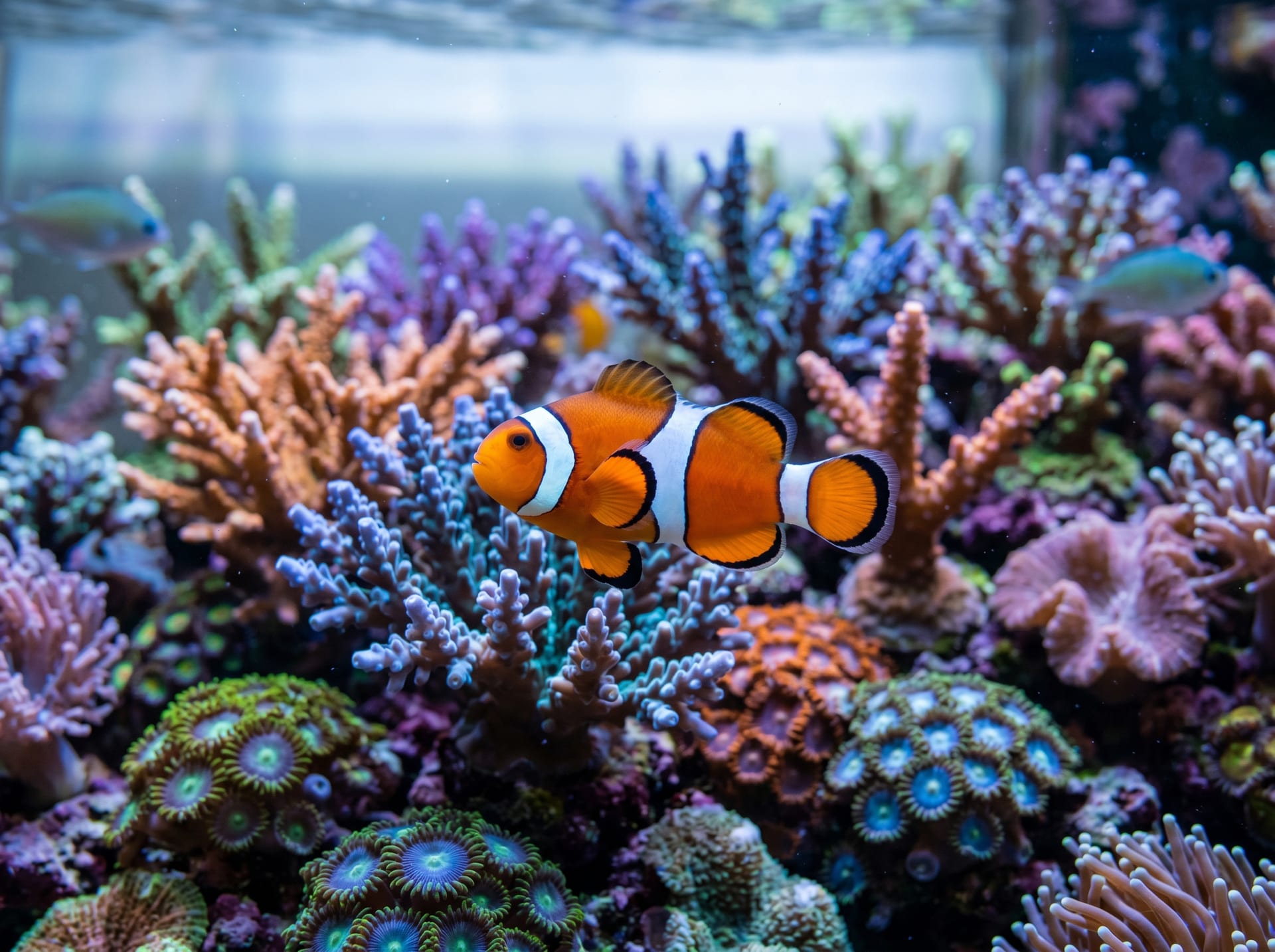
Representative species: Clownfish (Amphiprion genus; aquarium trade name: Ocellaris clownfish, etc.)
Clownfish pairs always inhabit a single sea anemone, and within that group, the largest individual becomes female. When the female dies or disappears, the next largest male undergoes sex change to become female.
Observations in captive aquariums:
- When a new pair is established, initially both individuals may appear male (or hermaphroditic)
- Over months to a year, the larger individual transitions to female
- Once the transition to female begins, spawning behavior becomes more active
Husbandry implications: If only a single clownfish is kept, it remains male. When a pair is introduced, the larger individual will transition toward becoming female if there is a size difference.
2. Protogyny (Female-first Maturity)
Sex change from female to male. All individuals are born as females (or in an immature state), and transition to males as their social rank increases.
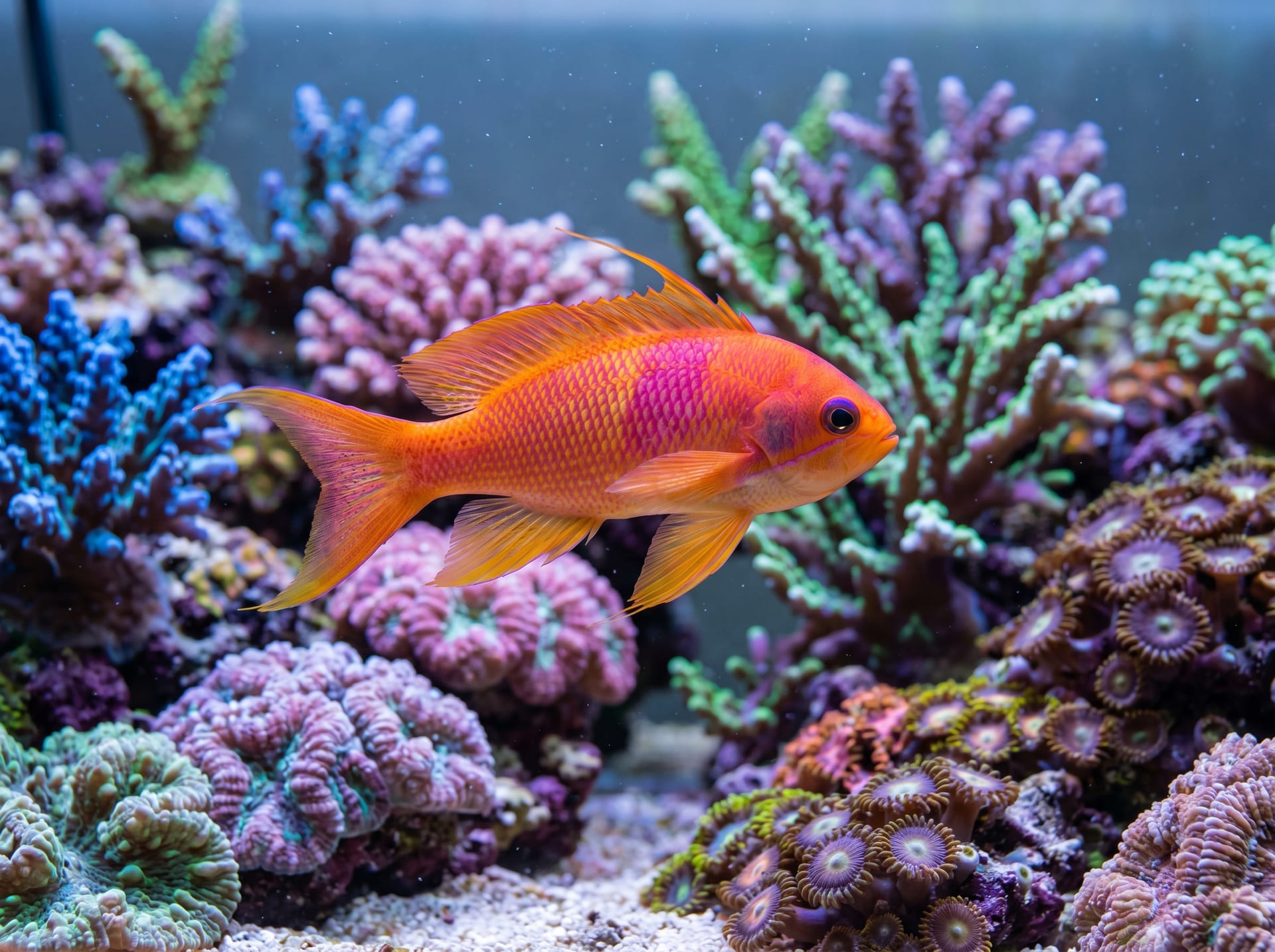
Representative species: Anthias species (Anthias genus, etc.), Flame Anthias
In a school of Anthias, one dominant male harem master coexists with multiple females. When the dominant male dies or is removed, the largest and most dominant female in the group transitions to male within days to weeks. The change in body coloration from female colors to the vivid colors of the male is visibly observable.
Husbandry implications: If the male is removed from a tank containing one male and multiple females, the largest female will begin transitioning to male, though the process takes time (weeks to months).
Other examples:
- Pictichthys wrasses
- Some wrasse species (e.g., Dispar wrasse)
- Eviota gobies
3. Bidirectional Sex Change
Species capable of transitioning in both directions—male to female and female to male—have been discovered in recent research.
Representative species: Torafugu pufferfish relatives, some nudibranch species
While relatively rare in fish, the ability to transition bidirectionally based on social conditions has been demonstrated.
Environmental Sex Determination (ESD)
Beyond genetic sex chromosomes, environmental factors can alter sex ratio.
Temperature-Dependent Sex Determination (TSD)
- Common in reptiles, but also reported in some fish species
- Medaka (Oryzias latipes): Experiments have shown that at high temperatures (34°C or above), chromosomally female (XX) individuals can become phenotypically male
Social Sex Determination
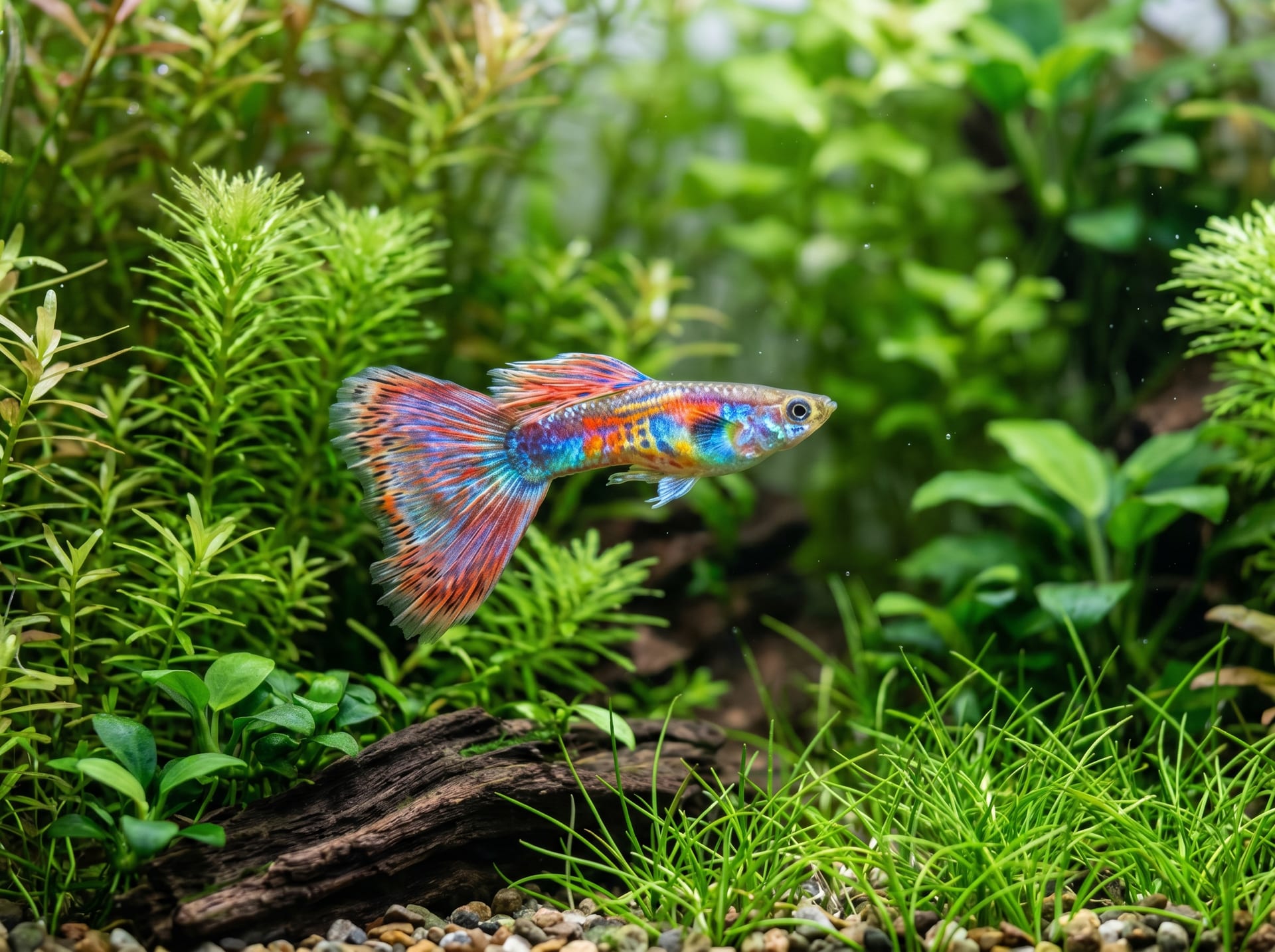
- Guppies: Females in groups with high male ratios tend to maintain female characteristics. Conversely, in environments with few males, the tendency toward feminization is maintained.
- Cichlids: Social suppression (situations where individuals are inhibited by dominants) is known to influence sexual expression.
Principles of Hormone-Induced Sex Reversal
In addition to environmental and social factors, artificial sex reversal through exogenous hormones has been employed in research and the aquaculture industry.
Methyltestosterone (MT) Administration
When male hormone (androgen) is administered through feed or dissolved in water, genetically female (XX) individuals can be converted into morphologically and functionally male individuals.
Applications in aquaculture:
- In fish species where males grow larger (faster growth), creating XX males (possessing all-female genetics but male morphology) enables large-scale production of all-female populations
- Implemented in rainbow trout (feminization technology) and tilapia (all-male production technology)
Mechanism: Exogenous androgen promotes the differentiation of spermatogonial cells in the gonads and triggers testis formation.
Estrogen Administration
It is also possible to convert genetically male (XY) individuals to females through estrogen administration. However, reproductive capacity may be incomplete.
Issues with Environmental Hormones Estrogen-like substances (endocrine disruptors) derived from household wastewater, pesticides, and plastics that flow into rivers and lakes have been found to induce sex change in wild fish populations, becoming a significant environmental concern. Particularly in cyprinid fish, numerous cases of ovarian-like tissue formation in male fish have been reported downstream from industrial wastewater discharge sites.
Practical Implications for Enthusiasts and Breeders
Clownfish Pairing
To breed Ocellaris clownfish:
- Start with two similarly sized individuals (it is initially unclear which will become female)
- If there is a size difference, the larger individual will transition toward becoming female
- Allow several months of preparation before spawning is observed
Forcing a pairing by suddenly placing individuals together can result in aggression. Gradual social acclimation is necessary.
Harem Maintenance of Anthias
Maintaining one male with multiple females mimics natural conditions and provides a stable environment. Minimizing stress can be achieved by maintaining natural sex ratios and behavior patterns in captivity.
Temperature Management for Cyprinid Breeding
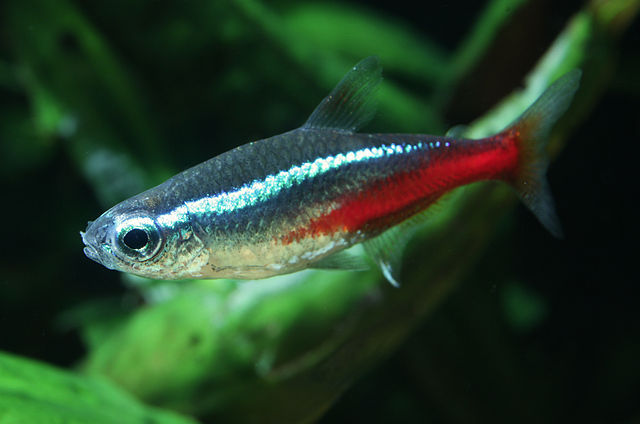
In cyprinid fish (goldfish, koi, neon tetras, etc.), reproduction can be induced by properly controlling water temperature during the breeding season. Prior to breeding, sex can be determined by observing abdominal fullness, genital pore shape, and body morphology differences.
While hormone injection (GnRHa, HCG, etc.) for reproductive induction is common in the aquaculture industry, it is typically unnecessary at the hobbyist level and can be achieved through water temperature, feed, and environmental adjustments.
Summary
The diversity of sex determination in fish demonstrates a "plastic sex system" fundamentally different from that of mammals.
In captivity, you can observe:
- Clownfish transitioning from male to female
- The process of female Anthias becoming male following the collapse of the harem
- How water temperature and social conditions directly influence breeding behavior
By understanding these biological mechanisms, you can manage breeding more scientifically and experience the deeper dimensions of aquarium keeping.