Pearl Gourami Care and Breeding Guide | Water Quality, Feeding, Tank Mates, and Bubble Nest Breeding Methods
What is the Pearl Gourami The Pearl Gourami (scientific name: Trichopodus leerii ) is a representative species of gourami known for its pearl-like white…
Key Takeaways
What is the Pearl Gourami The Pearl Gourami (scientific name: Trichopodus leerii ) is a representative species of gourami known for its pearl-like white…
What is the Pearl Gourami
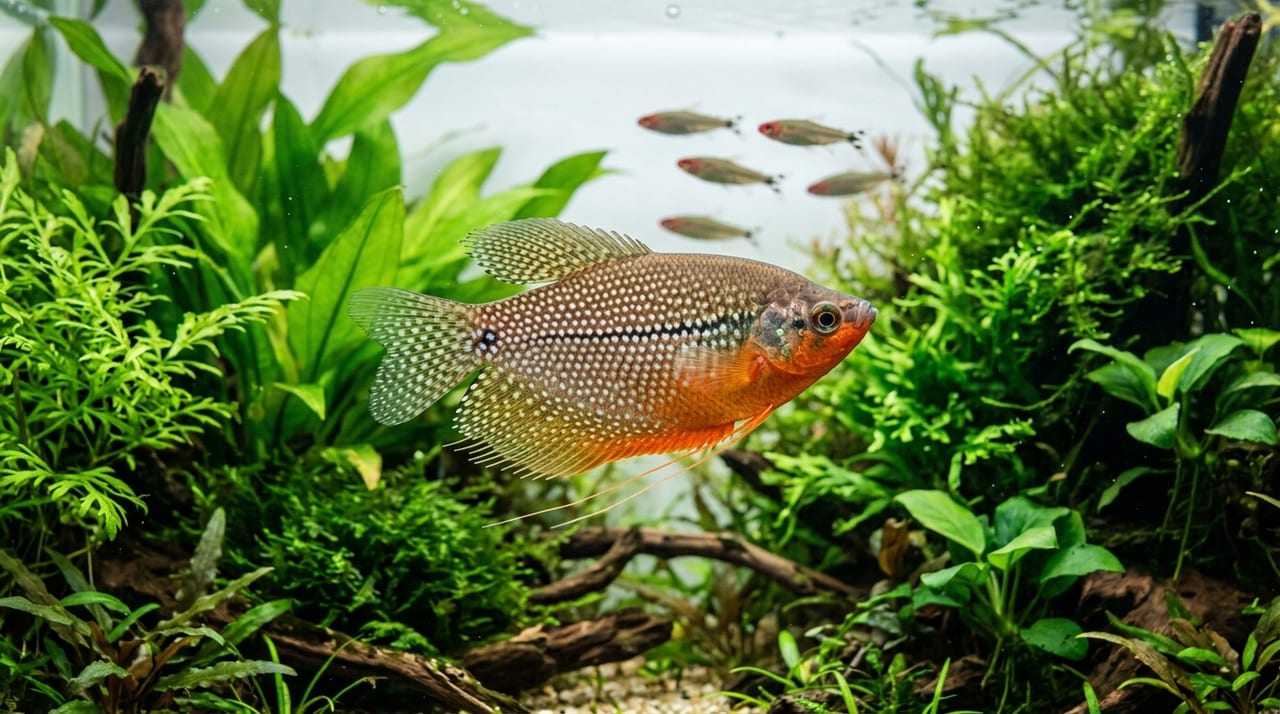
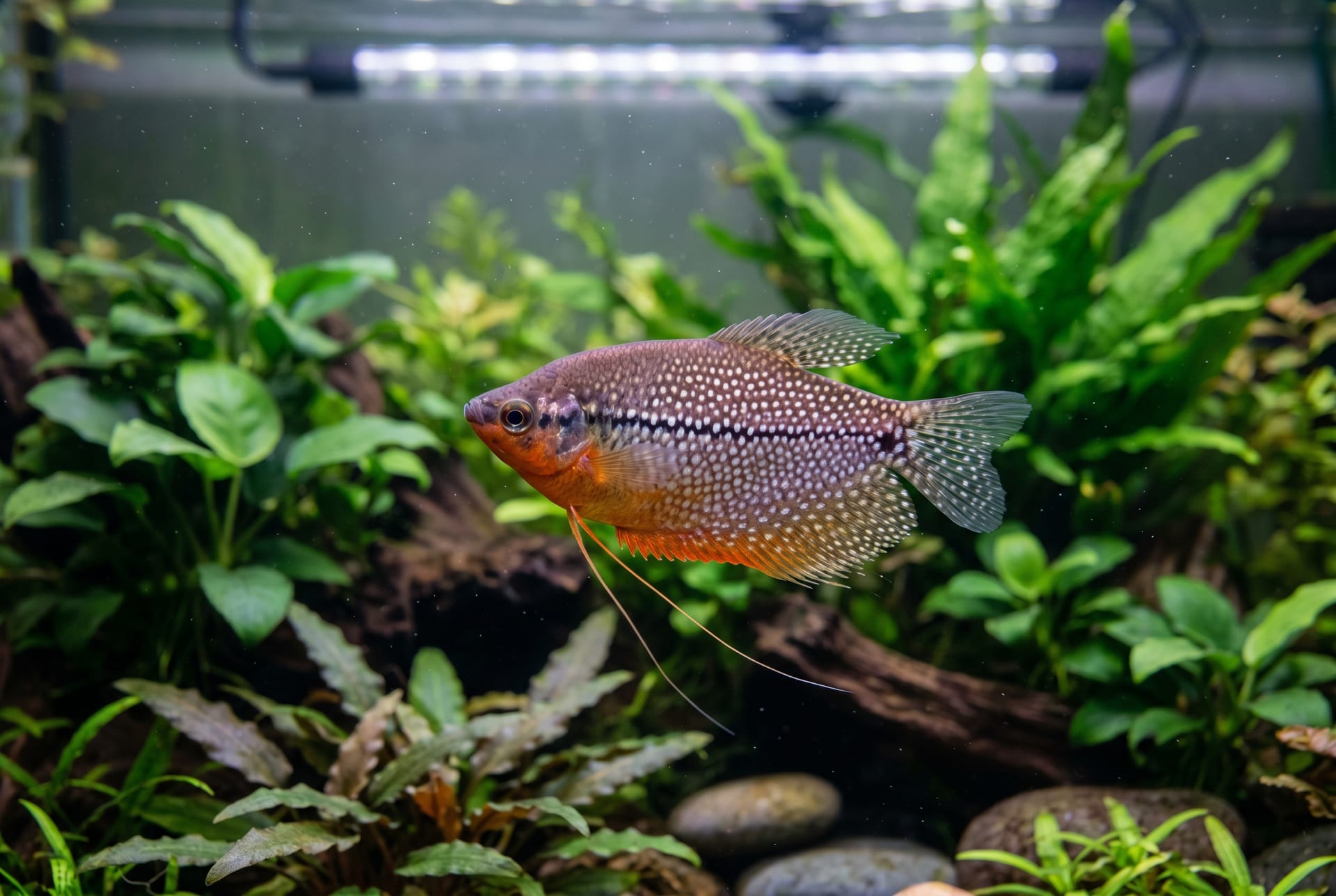
The Pearl Gourami (scientific name: Trichopodus leerii) is a representative species of gourami known for its pearl-like white spots scattered across its entire body and brilliant orange-to-red coloring on its belly. Native to wetlands and slow-flowing waters in the Malay Peninsula, Sumatra, and Borneo, they grow to a maximum length of about 12 cm.
✍️
BreederDirect Editorial
The BreederDirect editorial team specializes in care information for animals, covering veterinary care and breeding to deliver beginner-friendly guides.
Find Tropical Fish on BreederDirect
Buy directly from verified breeders
Browse Related Listings
Find Tropical Fish listings related to this article on BreederDirect. Buy directly from verified breeders.
Related Tools
Related Articles
Browse by Category
🪸Coral
🐠Marine Fish
🐟Tropical Fish
🐡Goldfish
🐟Medaka
🦎Reptiles
Share
Members of the gourami family possess a labyrinth organ—an auxiliary breathing apparatus that allows them to take air directly from the surface. This enables them to survive in environments with low oxygen levels, making them remarkably hardy. With their gentle temperament and leisurely swimming style, they have long been favored as beautiful mid-sized community tropical fish.
Tank Setup and Water Parameters
Pearl Gouramis thrive best in aquariums of 60 cm or larger. Balancing open swimming space with plants and driftwood for hiding places allows you to observe their natural behaviors.
Ideal water parameters are as follows:
Temperature: 24–28°C
pH: 6.0–7.5 (slightly acidic to neutral)
Hardness: soft to moderately hard water (GH 4–12 approximately)
Ammonia and nitrite: zero
Native waters tend to be acidic and soft, so recreating blackwater conditions (using peat or alder cones) will enhance their coloration. However, they adapt well to standard neutral water.
They prefer densely planted environments. Incorporating plants like Amazon sword, water sprite, and willow moss encourages them to relax and display their fins beautifully.
Feeding and Nutrition
Pearl Gouramis are omnivorous and feed on small crustaceans, insects, algae, and organic matter in their natural habitat. In the aquarium, they accept a wide variety of foods:
Flake and granule foods (freshwater formulations, not marine)
Frozen bloodworms and frozen brine shrimp
Dried shrimp and krill
Live foods (brine shrimp nauplii, daphnia)
Their mouths are relatively small, so foods around 1 mm are ideal. Feed twice daily with amounts that will be consumed within 3–5 minutes. To maintain vibrant coloration, introduce color-enhancing foods containing carotenoids 2–3 times per week.
Breeding and Bubble Nests
Pearl Gouramis exhibit a distinctive gourami breeding behavior—constructing bubble nests on the water surface. A mature male meticulously builds a bubble nest beneath aquatic plants and uses it to court the female.
Conditions to encourage spawning:
Pre-spawning Preparation
Raise the water temperature by 0.5–1°C (to 26–28°C) and increase water change frequency. Lower the water level to around 20 cm and add floating plants (such as Amazon frogbit) to the surface to trigger bubble nest construction.
Spawning and Hatching
The male wraps around the female during spawning. Eggs number in the hundreds to thousands, and floating eggs are incorporated into the bubble nest. After spawning, remove the female and allow the male to tend the nest. Eggs hatch within 24–48 hours.
Fry Care
Fry are sustained by their yolk sac for 3–4 days after hatching and do not require feeding during this period. Once they absorb the yolk sac, provide infusoria (paramecia) or commercially available powder food. Once they reach approximately 1 cm, they can consume brine shrimp.
Tank Mates and Compatibility
Pearl Gouramis are generally peaceful, but males of the same species will engage in territorial disputes. Key considerations for tank mates:
Multiple Males Require Space: 90 cm tanks or larger can house multiple males, though careful observation is needed to ensure no individual is constantly chased.
Caution with Long-finned or Red Fish: Avoid combining with fin-nipping fish such as barbs.
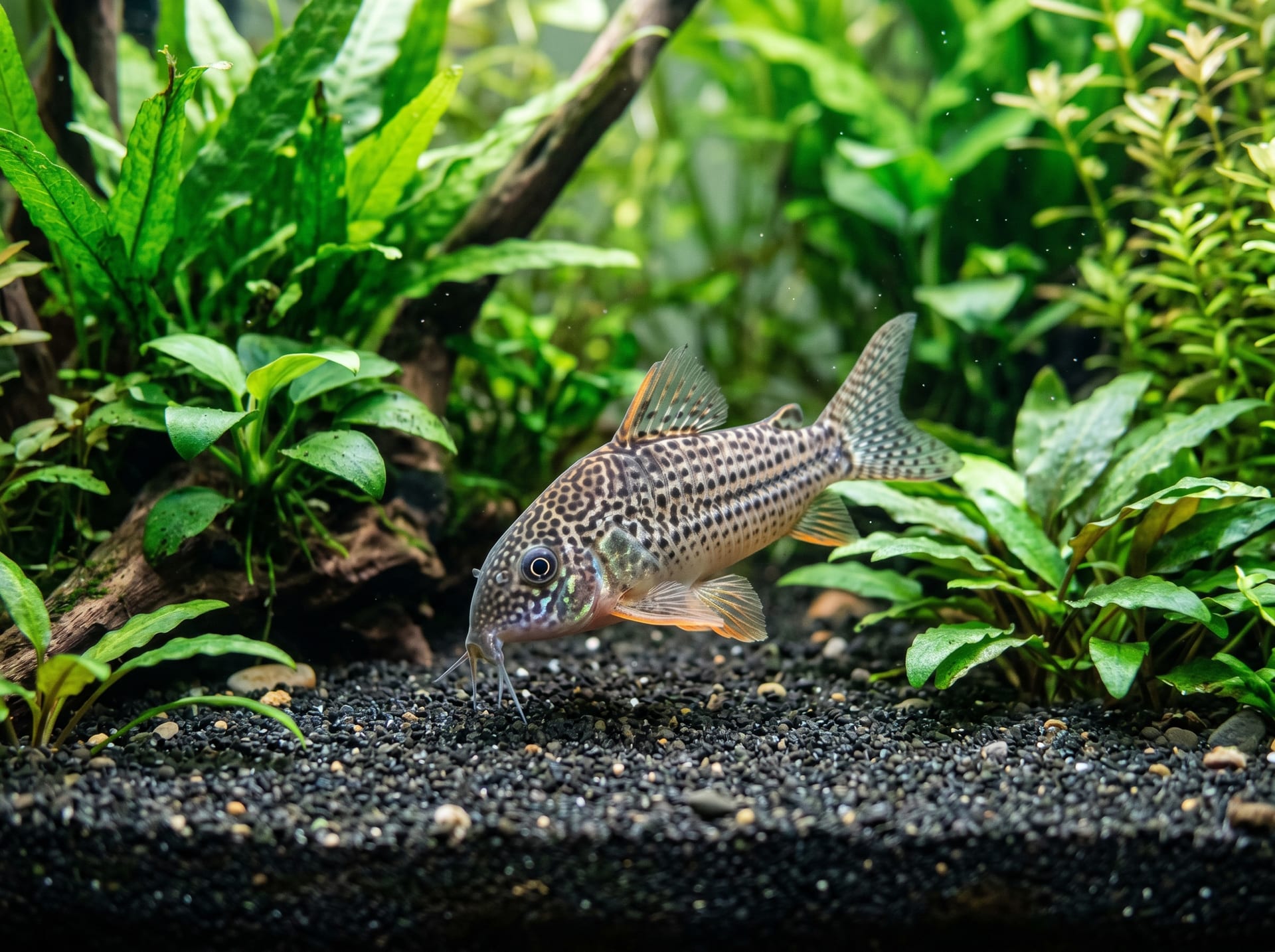
Compatible Species: Corydoras catfish, tetras, small loaches, and characins of similar size make excellent companions.
Compatibility with Small Bee Shrimp: Pearl Gouramis may consume shrimp, so introduce them cautiously to tanks with breeding shrimp populations.
Health Management and Longevity
Pearl Gouramis are hardy, but sudden temperature changes and stress from overcrowding can lead to velvet disease or ich.
Make a habit of daily health checks, observing fin condition, appetite, and coloration. Dull coloring, clamped fins, or reduced feeding interest are signs of illness. Address water quality promptly and consider salt baths or medicated treatments if necessary.
With proper care, some individuals live 5 years or longer. To maximize the beauty of their distinctive pearl patterning, focus on three fundamentals: regular water changes, balanced feeding, and adequate hiding places.
The Labyrinth Organ and Oxygen Supply
Pearl Gouramis belong to the "labyrinth fish" family (Anabantidae), the same group as bettas and gourami species. Their labyrinth organ is a supplementary breathing structure that allows them to survive in low-oxygen environments by gulping air directly from the surface.
While this adaptation enables survival with minimal aeration, it does not mean oxygen-poor conditions are acceptable. In community tanks with other fish species, maintain proper oxygenation with an air pump.
Ensure nothing blocks access to the water surface. A sealed lid or plants completely covering the surface can cut off the air supply to the labyrinth organ.
Summary: Enjoying Pearl Gouramis Long-Term
Key points for successfully keeping Pearl Gouramis healthy for 5+ years:
Maintain water temperature of 24–28°C and pH of 6.0–7.5 (slightly acidic to neutral)
Perform 25–30% water changes weekly
Provide a balanced diet of spirulina, frozen bloodworms, and granule foods
Create hiding places with plants and driftwood to reduce stress
When housing multiple males, use 90 cm+ tanks and monitor continuously
Pearl Gouramis reward observation with fascinating breeding behavior and offer the true pleasure of tropical fish keeping. We encourage you to embrace the challenge of long-term care.