Snakehead (Channidae) Breeding and Care Guide | Species Characteristics, Tank Selection, and Spawning Induction
Complete guide to snakehead (Channa and Parachanna) care methods and breeding techniques organized by species. From tank size, water quality management, feeding, and tankmate considerations to pairing, spawning induction, and fry rearing—a comprehensive guide from a breeder's perspective.
Key Takeaways
Complete guide to snakehead (Channa and Parachanna) care methods and breeding techniques organized by species. From tank size, water quality management, feeding, and tankmate considerations to pairing, spawning induction, and fry rearing—a comprehensive guide from a breeder's perspective.
Related Species
What Are Snakeheads?
Snakeheads (Channidae) are carnivorous freshwater fish belonging to the Channa and Parachanna genera, native to Asia and Africa. The name derives from their elongated bodies and flattened heads, which resemble snakes.
In Japan, they have long been known as "raigyo" (thunder fish), and recently their popularity among tropical fish enthusiasts has grown due to their diverse species, beautiful coloration, and engaging care requirements. They range from small species to giants exceeding 1 meter in length, making it easy to find a species suited to your available space and breeding goals.
Major Species and Characteristics
| Species | Maximum Length | Characteristics |
|---|---|---|
| Channa bleheri (Bleheri Snakehead) | 20–25 cm | Beautiful cobalt blue coloration. Relatively peaceful. |
| Channa andrao | 15–20 cm | Small species with reddish coloration. Popular for beginners. |
| Channa marulius (Northern Snakehead) | 60–100 cm | Large species native to Japan. Currently designated as an invasive species. |
| Channa maculata (Taiwan Snakehead) | 50–80 cm | Also distributed as food fish in Asia. |
| Channa pulchra | 25–35 cm | Beautiful species with orange, red, and blue throughout the body. |
| Channa ornata (Ornate Snakehead) | 40–60 cm | Medium-sized, easy to care for, with many successful breeding examples. |
Note: Some large species such as Channa marulius (Northern Snakehead) and Channa argus (Asiatic Snakehead) are designated as invasive species and are generally prohibited for possession, sale, and transport. Always verify legal regulations before purchasing.
Setting Up the Proper Environment
Tank Size
Snakeheads vary greatly in maximum size by species, so selecting a tank that accommodates their adult size is crucial.
| Adult Size | Required Tank |
|---|---|
| Up to 25 cm (small species) | 90 liters or larger (60×45×30 cm) |
| 25–50 cm (medium species) | 200 liters or larger (90×45×45 cm) |
| Over 50 cm (large species) | 500 liters or larger (120×60×60 cm) |
Snakeheads are air-breathers that gulp air directly from the water surface. Always use a secure lid on the tank, as they are strong jumpers and will escape and desiccate if the tank is uncovered. Maintain an air gap of 5–10 cm between the water surface and the lid.
Water Parameters
| Parameter | Recommended Value |
|---|---|
| Temperature | 24–28°C (varies by species) |
| pH | 6.0–7.5 |
| Hardness | Soft to moderately hard water |
| Ammonia | 0 ppm |
| Nitrite | 0 ppm |
Some species, such as Channa bleheri, prefer slightly cooler temperatures (22–25°C). Additionally, some species prefer blackwater (tannin-enriched water), so adjust based on your species' preferences.
Filtration and Water Management
Snakeheads produce large quantities of waste, requiring powerful external or canister filtration. Aim for a turnover rate of 3–4 times the tank volume per hour.
Perform water changes 1–2 times per week, replacing 20–30% of the water volume. Use substrate such as Akadama sand or fine gravel, as snakeheads are diggers.
Feeding Management
Snakeheads are obligate carnivores. In the wild, they prey on small fish, frogs, crustaceans, and small animals.
Recommended Foods in Captivity
Primary Foods
- Frozen river shrimp: Nutritionally balanced and readily accepted by most individuals.
- Frozen food pellets or catfish pellets: Transition to prepared foods requires patience.
Supplementary Foods
- Frozen krill (brine shrimp): Highly palatable and stimulates appetite.
- Loach (dead): Effective for calcium and phosphorus supplementation.
Foods to Avoid
- Live feeders (goldfish, killifish): Can increase aggressive behavior and carry parasite risk.
- Mammal meat (chicken, etc.): High fat content can cause liver disease.
Feed once or twice daily, providing only what can be consumed in 5–10 minutes.
Tankmate Compatibility
Snakeheads are territorial and carnivorous, so tankmate selection requires careful consideration.
Possible Tankmate Scenarios
- Same species may cohabitate in large tanks (450+ liters) with multiple hiding spots.
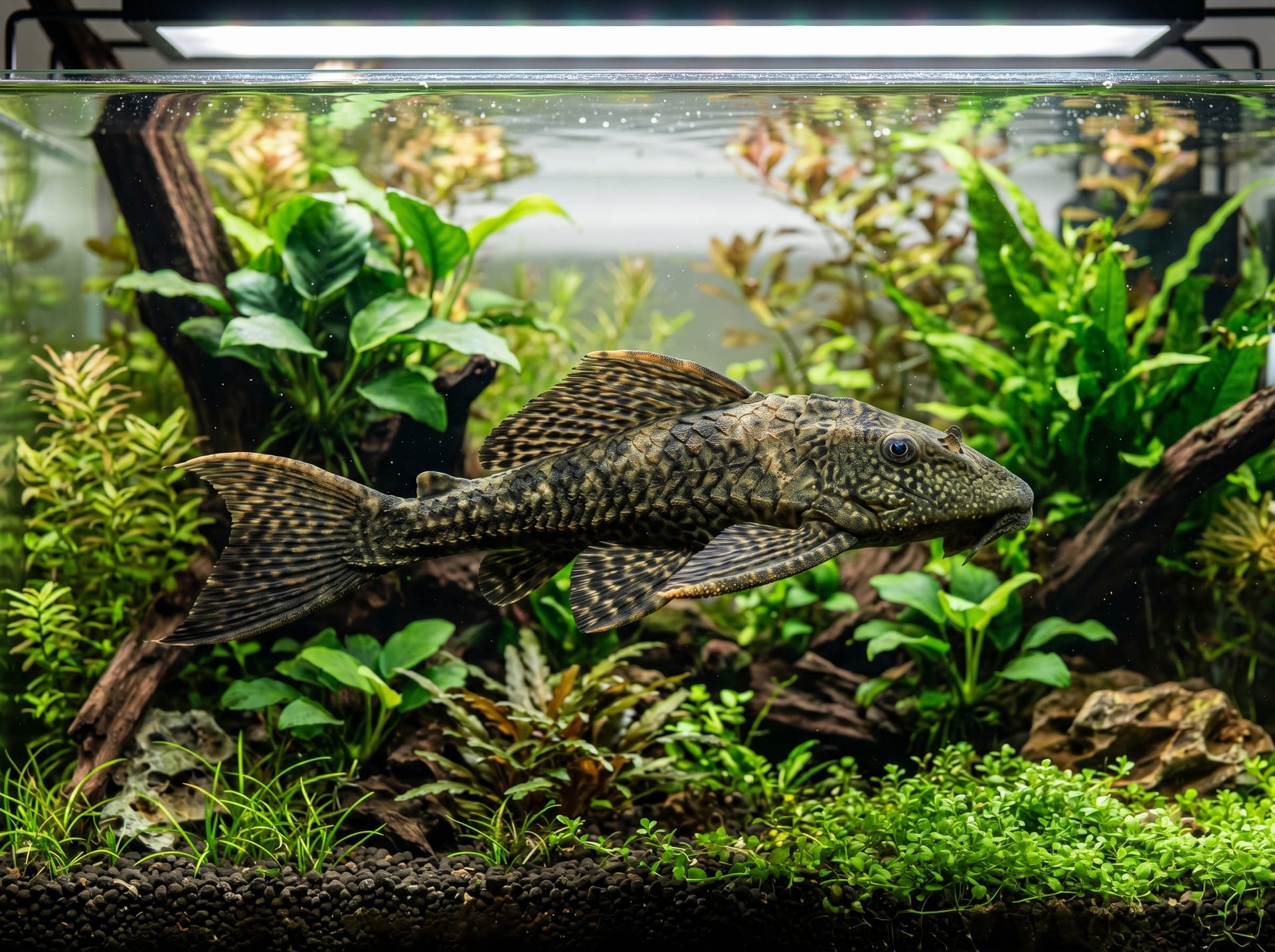
- Large plecos (for algae control) are relatively safe companions.
- Breeding pairs should be kept in dedicated tanks.
Incompatible Tankmates
- All smaller fish are predation targets.
- Conspecific males (will fight aggressively).
Pairing and Breeding
Sexing
Sexing Channa species is challenging, but these characteristics can help:
- Males: Develop more vivid coloration when mature. Belly is relatively firm.
- Females: Belly appears distended during spawning season. Body shape is more rounded.
In some cases, endoscopic examination by a specialist may be necessary for definitive sexing.
Breeding Types: Mouthbrooding and Bubble Nests
Snakeheads employ different breeding strategies depending on species:
Mouthbrooding
- Observed in species such as Channa bleheri and Channa andrao.
- Males incubate eggs and guard fry in their mouths.
- Males cease feeding during mouthbrooding, requiring separation from females.
Bubble Nest Building
- Observed in species such as Channa maculata and Channa ornata.
- Males construct bubble nests at the water surface and deposit eggs within.
- Males continue guarding eggs and fry near the nest after hatching.
Spawning Triggers
Temperature Manipulation: Mimic the breeding season (end of dry season to rainy season) by lowering the temperature 1–2°C and then gradually raising it back.
Replicating the Rainy Season: Periodically add small amounts of RO (soft) water to lower total hardness, simulating the water quality changes that occur during the rainy season.
Nutritional Conditioning: For 1–2 months prior to spawning, increase protein-rich foods to condition the breeding pair.
Tank Layout: Float aquatic plants (such as Amazon frogbit and water sprite) to provide hiding spots and bubble nest substrates.
Egg Hatching and Fry Rearing
Newly hatched fry survive on their yolk sacs for 3–5 days. After that, feed the following:
| Age (Days) | Recommended Food |
|---|---|
| 5–14 | Brine shrimp nauplii (with infusoria) |
| 15–30 | Frozen copepods or finely chopped frozen shrimp |
| 30+ | Small pellets or frozen bloodworms |
For mouthbrooding species, transfer fry to a separate tank when the male begins releasing them (typically 2–4 weeks after spawning). For bubble nest builders, move fry to a separate rearing tank about one week after hatching.
Legal and Ethical Considerations for Breeders
If you plan to breed snakeheads commercially, verify the following legal regulations:
- Invasive Species: Some species such as Channa marulius and Channa argus are legally prohibited for possession, sale, and transport.
- Animal Handling License: Breeding for commercial sale requires registration under the Animal Protection and Management Law.
- Escape Prevention: Escaped snakeheads pose serious ecological threats. Preventing escapes is the breeder's responsibility.
By selecting legal species and selling captive-bred individuals directly, you can contribute to the domestic propagation of rare species. With a thorough understanding of your responsibility as a keeper, share the fascination of snakeheads with fellow enthusiasts.