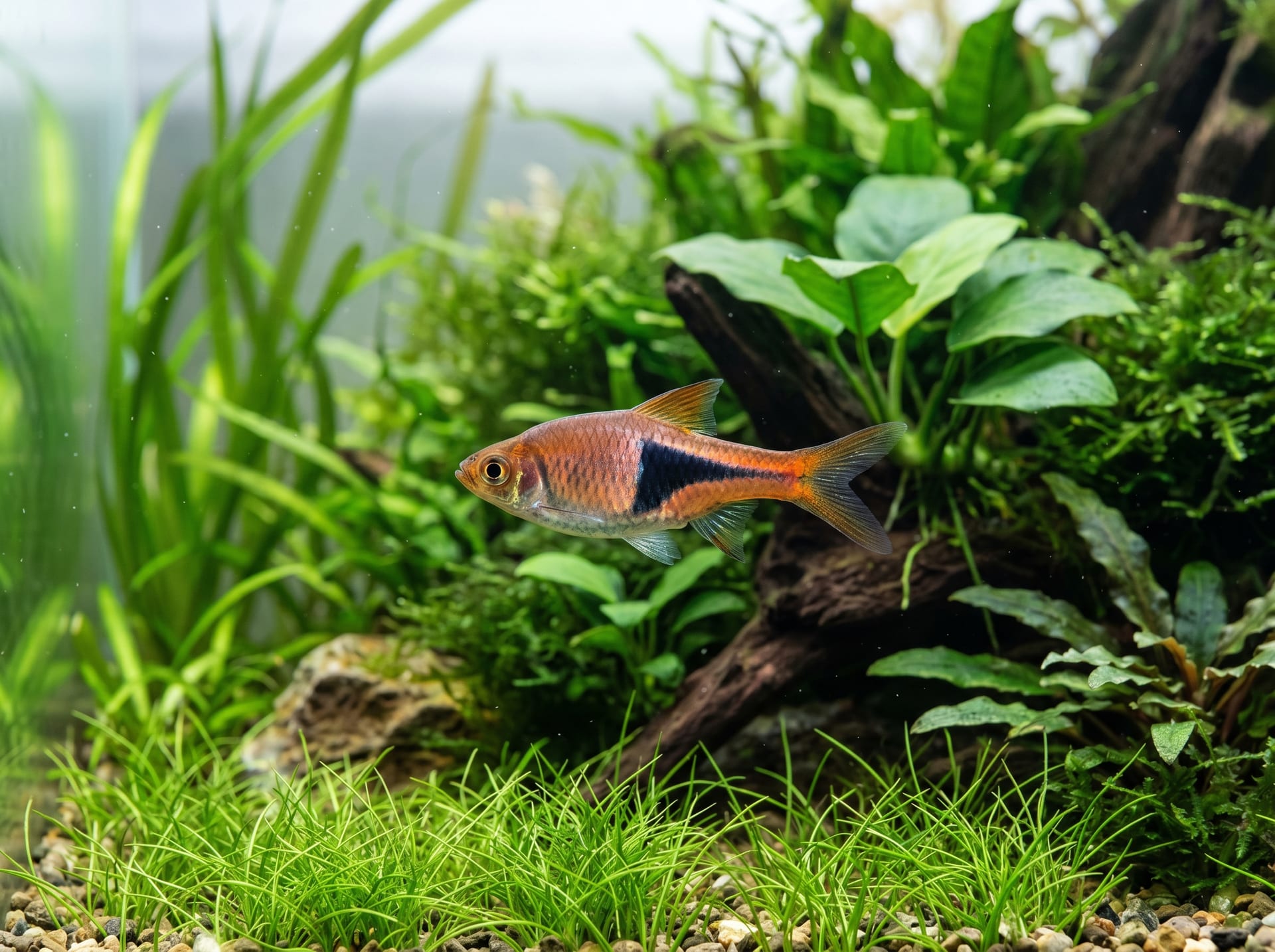
Pelvicachromis (Kribensis) Care and Breeding Guide | Water Quality, Spawning Shelters, and Fry Rearing
A comprehensive guide to keeping and breeding Pelvicachromis (Kribensis), a small West African cichlid. Explore the striking sexual dimorphism with the female's vibrant purple belly, how to create soft, slightly acidic water conditions, cave-type spawning shelter setup, and the complete process from egg protection through fry rearing.
Key Takeaways
A comprehensive guide to keeping and breeding Pelvicachromis (Kribensis), a small West African cichlid. Explore the striking sexual dimorphism with the female's vibrant purple belly, how to create soft, slightly acidic water conditions, cave-type spawning shelter setup, and the complete process from egg protection through fry rearing.
About Pelvicachromis
Pelvicachromis is a genus of small cichlids found in rivers and wetlands of West Africa, primarily in Nigeria and Cameroon. The most famous species is Kribensis (Pelvicachromis pulcher), known for its sexual dimorphism—males and females display distinctly different coloration—and relatively peaceful temperament for a cichlid. This combination has made it a popular freshwater aquarium fish worldwide.
✍️
BreederDirect Editorial
The BreederDirect editorial team specializes in care information for animals, covering veterinary care and breeding to deliver beginner-friendly guides.
Find Tropical Fish on BreederDirect
Buy directly from verified breeders
Browse Related Listings
Find Tropical Fish listings related to this article on BreederDirect. Buy directly from verified breeders.
Related Tools
Related Articles
Browse by Category
🪸Coral
🐠Marine Fish
🐟Tropical Fish
🐡Goldfish
🐟Medaka
🦎Reptiles
Share
Kribensis Characteristics
Males: 7–10 cm in body length. A black lateral line runs along the body. Fins are elongated and the tail fin tapers to a point
Females: 5–7 cm in body length (smaller than males). The belly becomes a vivid purple, pink, or red, especially prominent during courtship and spawning periods. Body shape is stockier and more rounded
Lifespan: 3–5 years
Major Species of Pelvicachromis
Species
Distribution
Characteristics
P. pulcher (Kribensis)
Nigeria
Most common; widely available in the trade
P. taeniatus
Nigeria–Cameroon
Considerable regional variation in patterning
P. subocellatus
Congo Basin
Ladder-like stripe pattern
P. kribensis
Cameroon
A variant form of P. taeniatus
Setting Up the Tank Environment
Tank Size
For a pair of Kribensis, a 60 cm (60 L) tank or larger is appropriate. For breeding or housing with tankmates, 90 cm or larger is recommended.
Water Quality
Recreating the soft, slightly acidic water conditions of West Africa will improve coloration and breeding success.
Parameter
Target Range
Temperature
24–28°C
pH
6.0–7.5 (ideally 6.5–7.0 for breeding)
GH (General Hardness)
5–10 dH (soft to moderately soft)
Nitrite
0
Tap water hardness varies by region, but many areas tend to have high GH. If softening is needed, mixing RO water or using driftwood and blackwater additives are effective solutions.
Tank Layout
Tank layout is important for triggering breeding behavior.
Spawning shelter (essential): Unglazed clay pots (placed horizontally), broken pottery, rock caves, or spaces covered with almond leaves
Use live plants extensively (Amazon sword, Anubias nana, water sprite, etc.) to reduce territorial aggression
Use fine sand as substrate (Kribensis have a natural digging behavior)
Feeding
Kribensis are omnivorous, eager feeders, and easy to keep.
Recommended Foods
Food Type
Notes
Small cichlid flakes / pellets
Staple diet
Frozen brine shrimp
Nutritious; enhances coloration
Frozen bloodworms
Highly palatable; improves breeding condition
Live tubifex worms
Conditioning food for breeding
Feed once or twice daily, offering only what they can consume in 2–3 minutes.
Breeding
Kribensis are cave spawners, and are known as one of the easier cichlids to breed.
Requirements for Breeding
Mature pair: Both male and female should be at least 6–8 months old (deep purple coloration on the female's belly indicates maturity)
Spawning shelter: Provide clay pots or rock caves
Maintain temperature at 26–28°C: This temperature range triggers breeding
Stable water quality: Soft water with pH 6.5–7.0
From Spawning to Hatching
The female deposits 50–200 adhesive eggs on the ceiling or walls of the shelter
The male guards the entrance while the female tends the eggs (distinct role division)
At 26–28°C, eggs hatch in approximately 2–3 days
After 3–5 more days, the yolk sac is absorbed and fry begin free-swimming
Once fry are free-swimming: Feed powdered flakes and fine frozen copepod particles
The parents, especially the female, actively protect the fry, so they can be housed together until the fry are reasonably large
If there are many fry (100 or more), move them to a separate tank to prevent water quality deterioration from overfeeding
Breeding Notes
Males become aggressive during breeding, so tankmates need ample space or should be separated
Parents may consume eggs (common in first-time spawners) → this usually improves with proper environment and subsequent spawnings
Subsequent spawning attempts have higher success rates
Tankmate Compatibility
Although Kribensis are relatively peaceful for cichlids, they become quite aggressive during breeding.
Suitable Tankmates
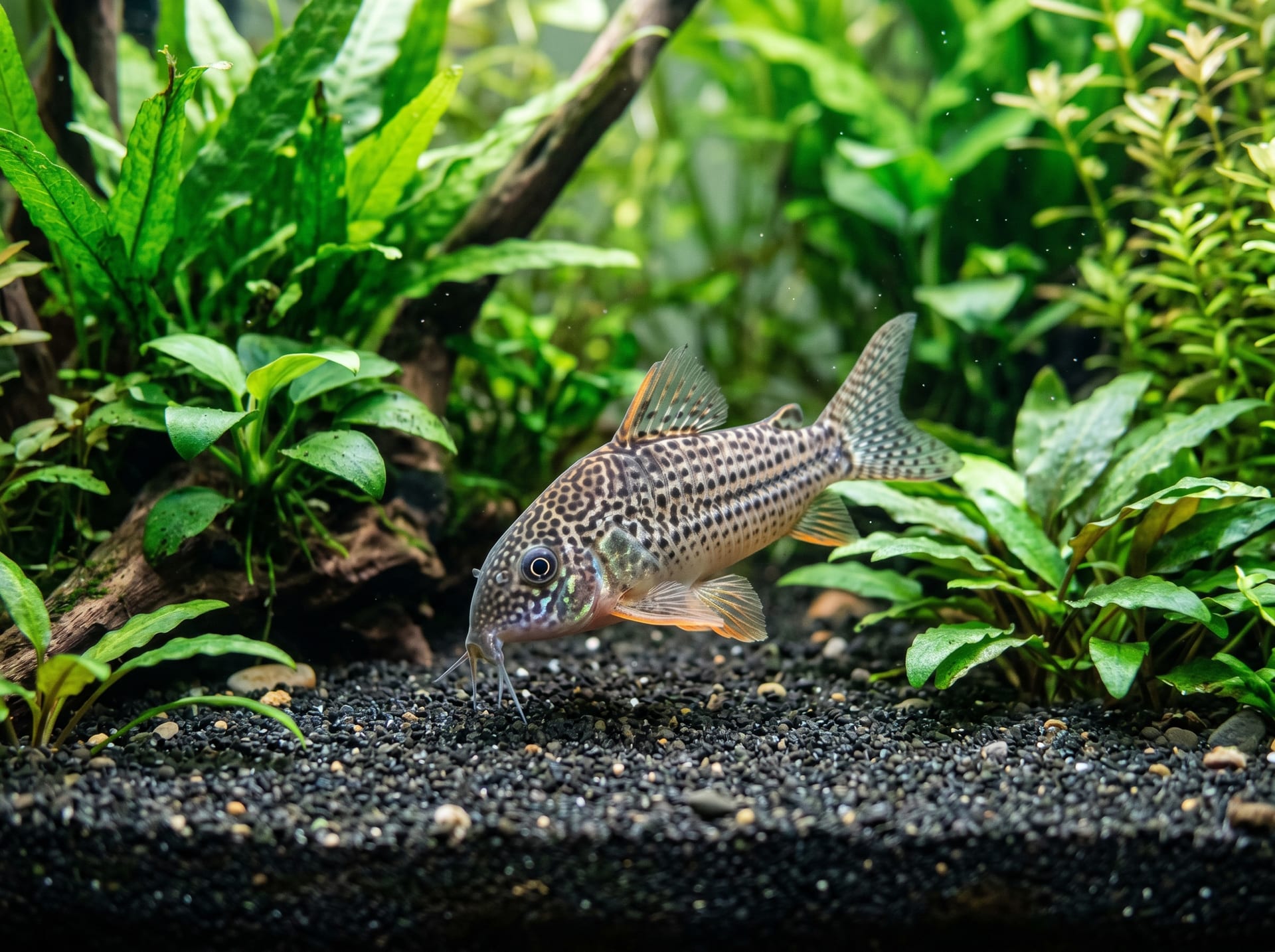
Corydoras catfish (occupy the bottom layer, minimizing territorial overlap)
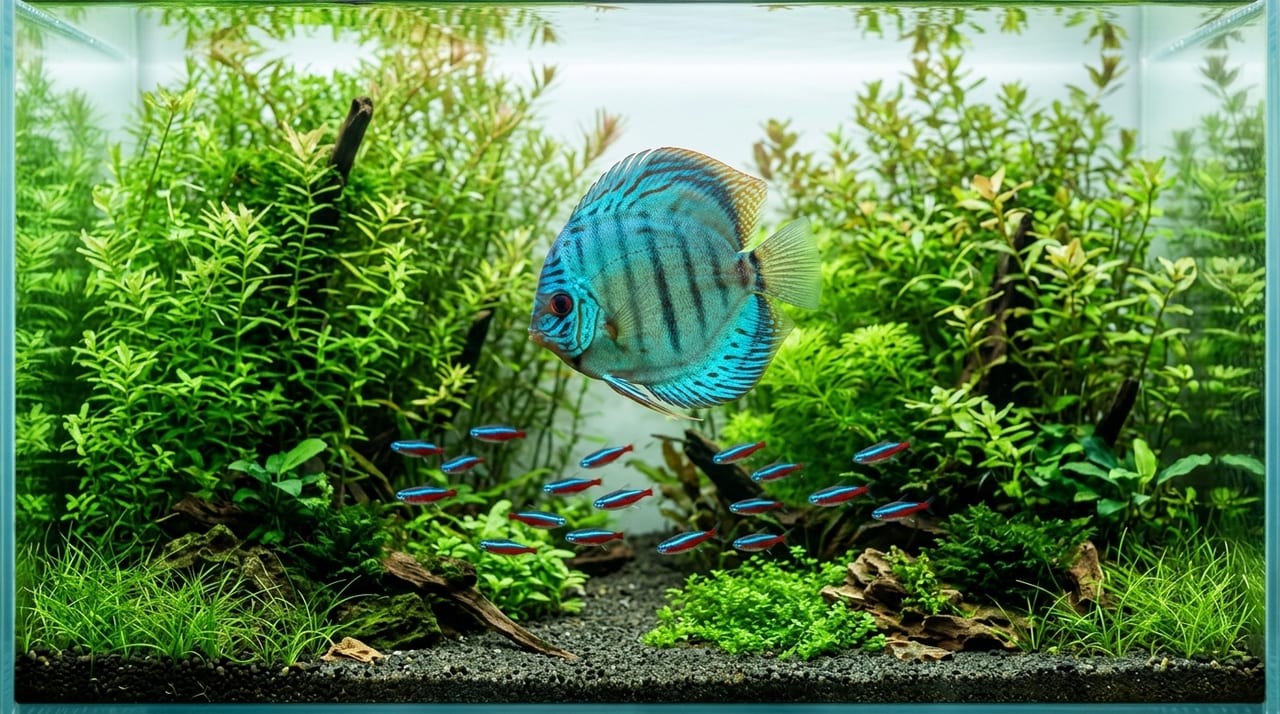
Rasboras and tetras (inhabit upper and middle water columns)
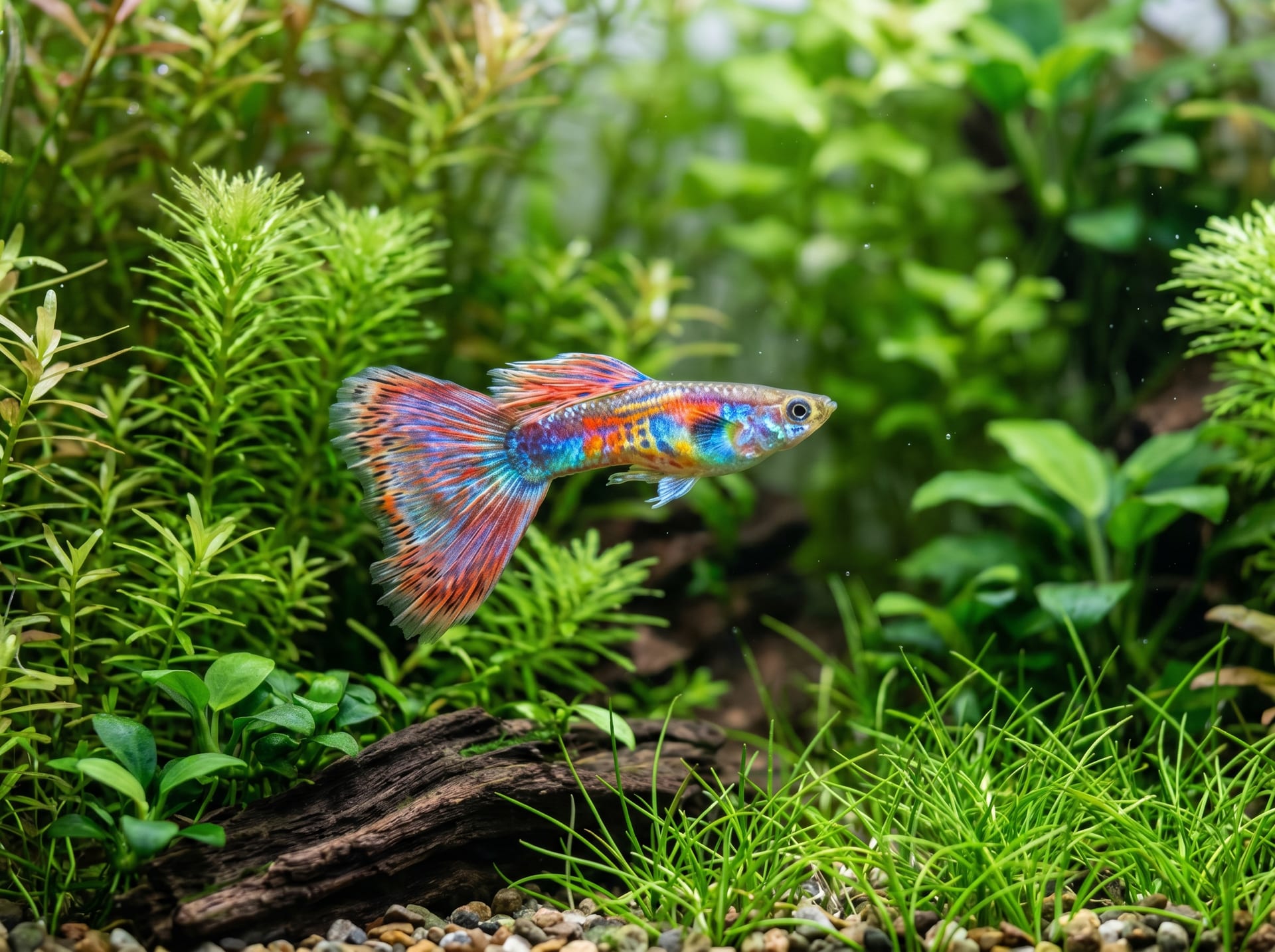
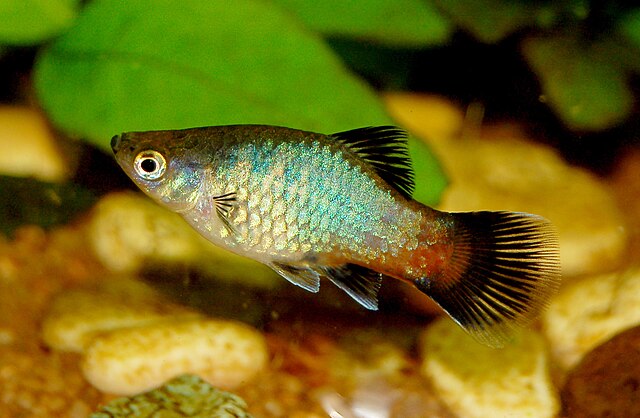
Platies and guppies (peaceful mid-water fish)
Incompatible Tankmates
Other cichlids (same-sized cichlids will fight over territory)
Large corydoras species and similar fish (may predate on fry)
Conclusion
Pelvicachromis (Kribensis) is a tropical aquarium fish that combines striking coloration, peaceful temperament, and relatively easy breeding. Observing the pair's parental care from egg-laying through fry rearing is one of the greatest joys of keeping them. With soft water conditions, a spawning shelter, and proper feeding to maintain good conditioning, breeding is definitely achievable.