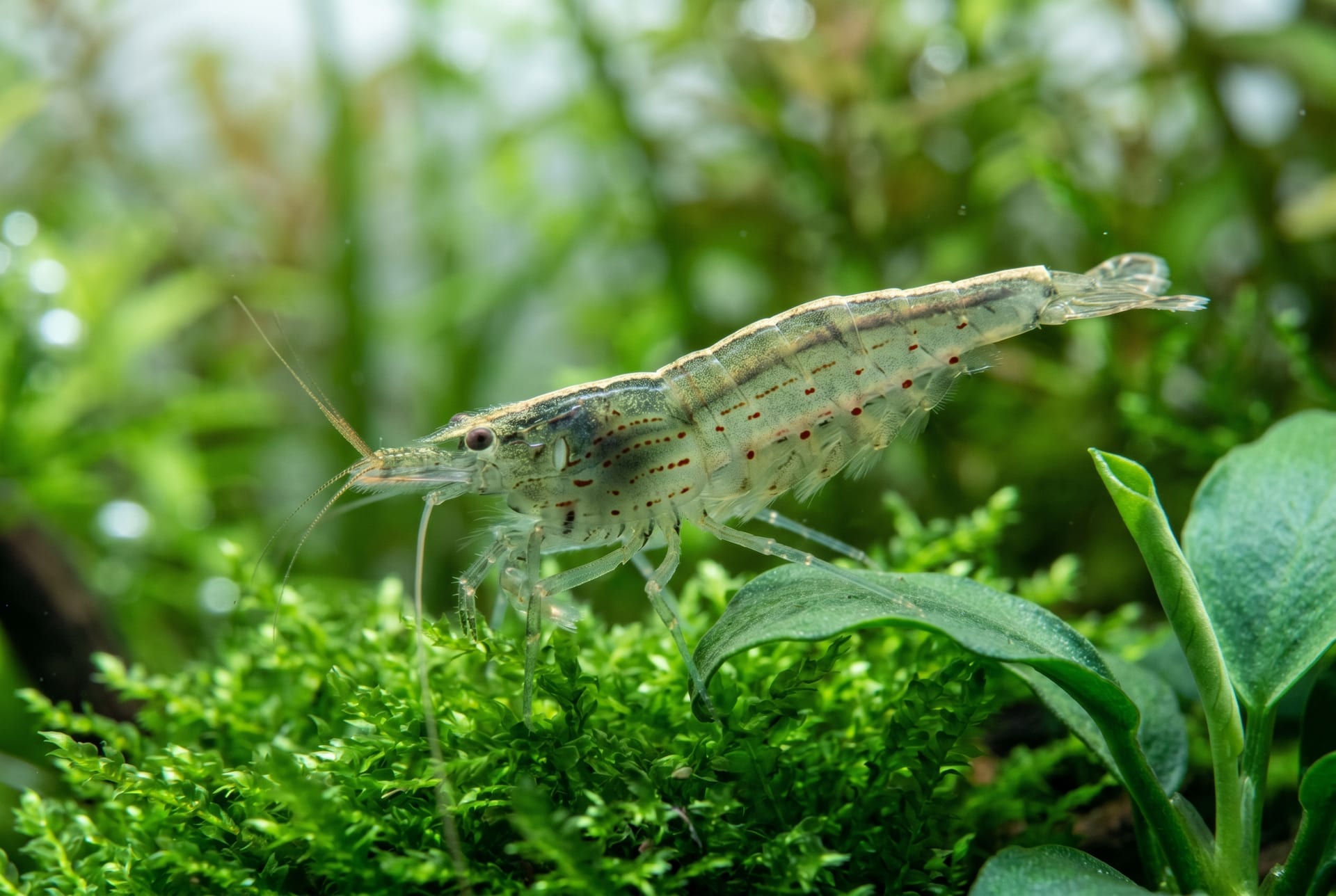
Source: Wikimedia Commons
Bee Shrimp
AdvancedCaridina cantonensis
Small shrimp with beautiful red-white or black-white banding. High-quality specimens command premium prices. Strict water quality needs.
Difficulty
Advanced
Temperature
22〜28℃
Lifespan
1-2 years
Size
2-3cm
Diet
Shrimp food, biofilm
About
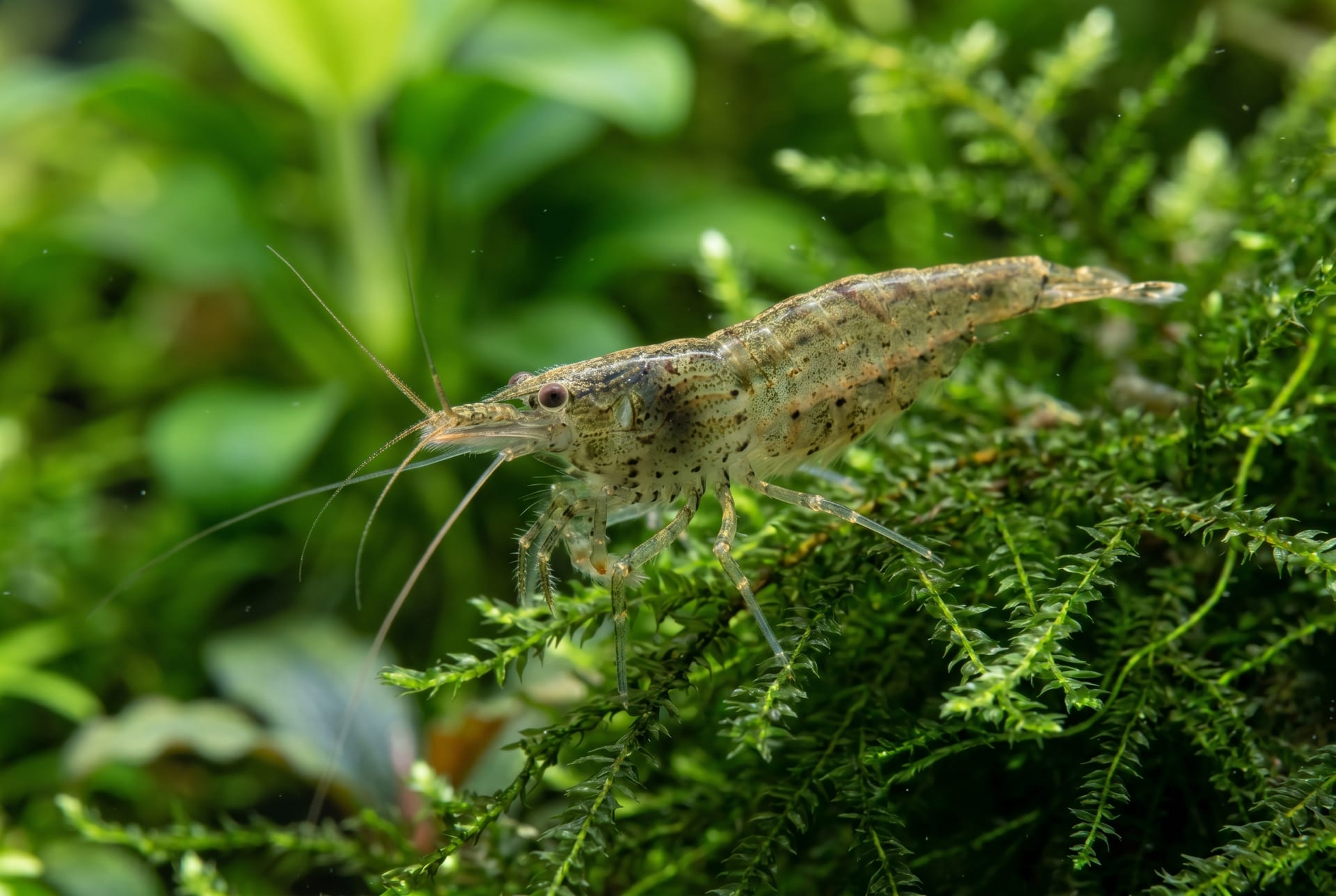
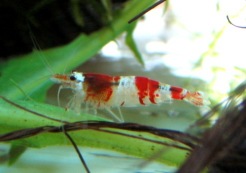
Bee shrimp, commercially sold as Crystal Red Shrimp and Crystal Black Shrimp, are selectively bred ornamental shrimp originating from specimens found in southern China and Taiwan. The Crystal Red Shrimp was developed in Japan during the 1990s by breeder Hisayasu Suzuki, who selected for the now-iconic white and red banded pattern from wild Caridina cantonensis. Grading systems (SSS, SS, S, A, B, C) based on the intensity and distribution of white coloration command wildly different market prices, with top-grade specimens fetching premium prices. Adults reach 2–3 cm. Far more demanding than cherry shrimp, bee shrimp require very soft, acidic water (TDS 100–150, pH 5.5–6.5), typically achieved by using RO water remineralized with shrimp-specific mineral additives. They are highly sensitive to nitrate accumulation and sudden parameter changes; small, regular water changes are essential. Breeding occurs naturally in stable environments; dense moss (Vesicularia sp.) provides critical biofilm for young shrimp. Diet centers on low-protein shrimp-specific foods and plant-based supplements.
Lifespan of the Bee Shrimp
The Bee Shrimp lives 1-2 years.
Size of the Bee Shrimp
The Bee Shrimp grows to 2-3cm.
Temperature & humidity for the Bee Shrimp
The ideal water temperature for the Bee Shrimp is 21〜23℃.
Preferred temperature is a cooler 22–24°C.
Basic Info
Origin
Southern China and Taiwan (original stock); selectively bred variety
Lifespan
Care Specifications
- pH
- 6.2–7.2
- Hardness (GH)
- 3–7 dGH
- Water Temp.
- 21–23℃
- Min. Tank
- 40 L
PeacefulGroupBreeding: Moderate
Sources: Aquarium Breeder
References & Sources
Edited & verified by: BreederDirect editorial team
The taxonomic, regulatory, and husbandry data on this page are compiled and verified against the authoritative primary sources below.
Primary sources
Taxonomy & Authority
Accepted name: Caridina cantonensis Yü, 1938
Synonyms: Caridina mutata Cai & Ng, 1999
Authority databases: GBIF
Nomenclature follows global taxonomic authority databases.
Regulations & Conservation Status
Not CITES-listed
Invertebrate (shrimp). Caridina cantonensis is not listed under CITES.
Sources: FishBase / CITES Appendices (Checklist)
Regulations may change. Always verify the latest information with the relevant authorities.
Bee Shrimp Listings
Loading latest listingsFind listings for this species