Shrimp and Tropical Fish Cohabitation Guide | Coexistence Tips with Cherry Shrimp
Learn how to safely keep Cherry Shrimp and Amano Shrimp with tropical fish. Discover how to select fish species that won't eat shrimp, create hiding places, build an environment for successful breeding, and important water quality management notes.
Key Takeaways
Learn how to safely keep Cherry Shrimp and Amano Shrimp with tropical fish. Discover how to select fish species that won't eat shrimp, create hiding places, build an environment for successful breeding, and important water quality management notes.
Related Species
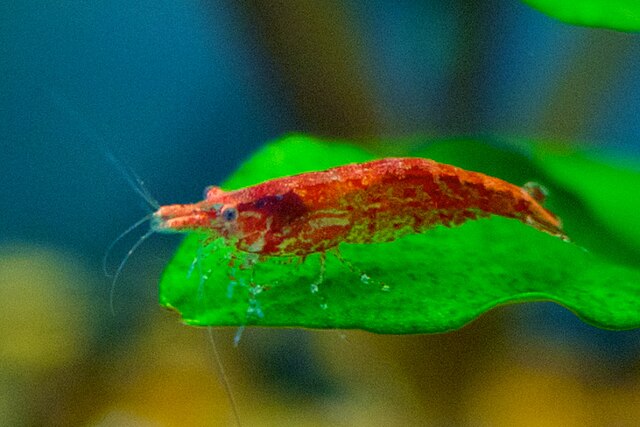
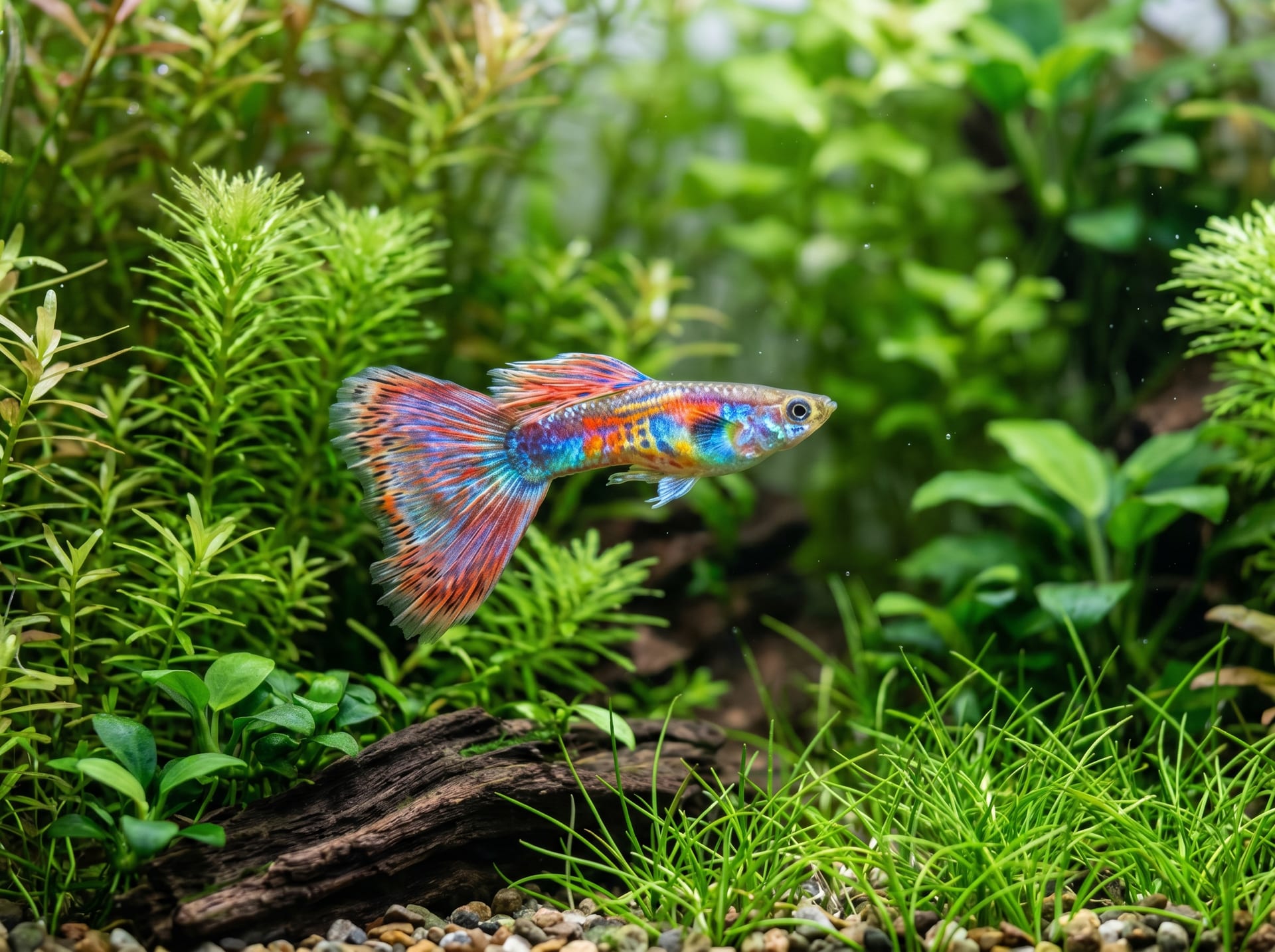
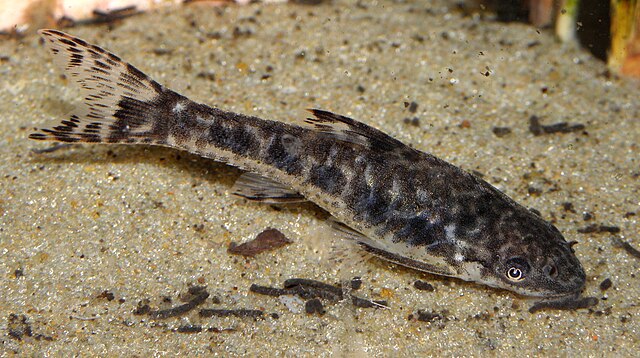
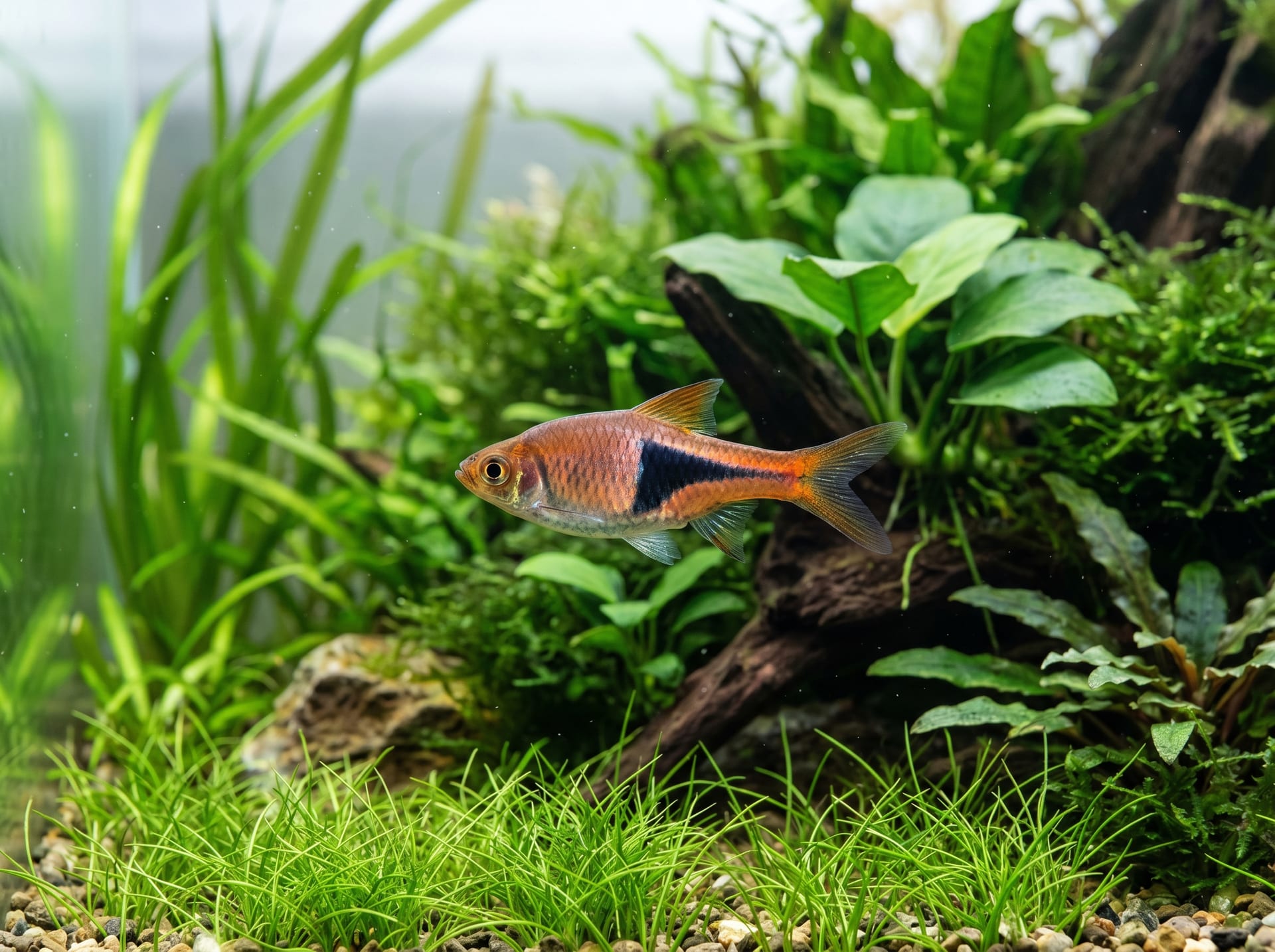
The sight of a vibrant red Cherry Shrimp walking across aquatic plants adds a unique charm to any tank. Shrimp and tropical fish cohabitation has grown increasingly popular in recent years, but to most tropical fish, shrimp appear as "food." Safely maintaining both requires careful fish selection and proper tank setup. With the right combinations and environment, you can create a thriving tank where shrimp can even reproduce.
Selecting Tropical Fish for Cohabitation
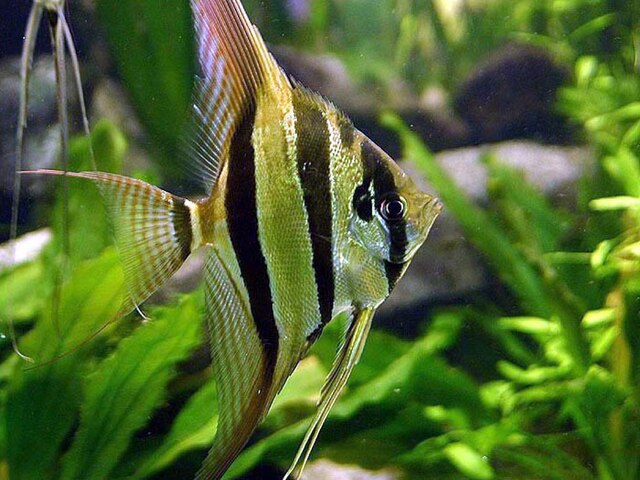
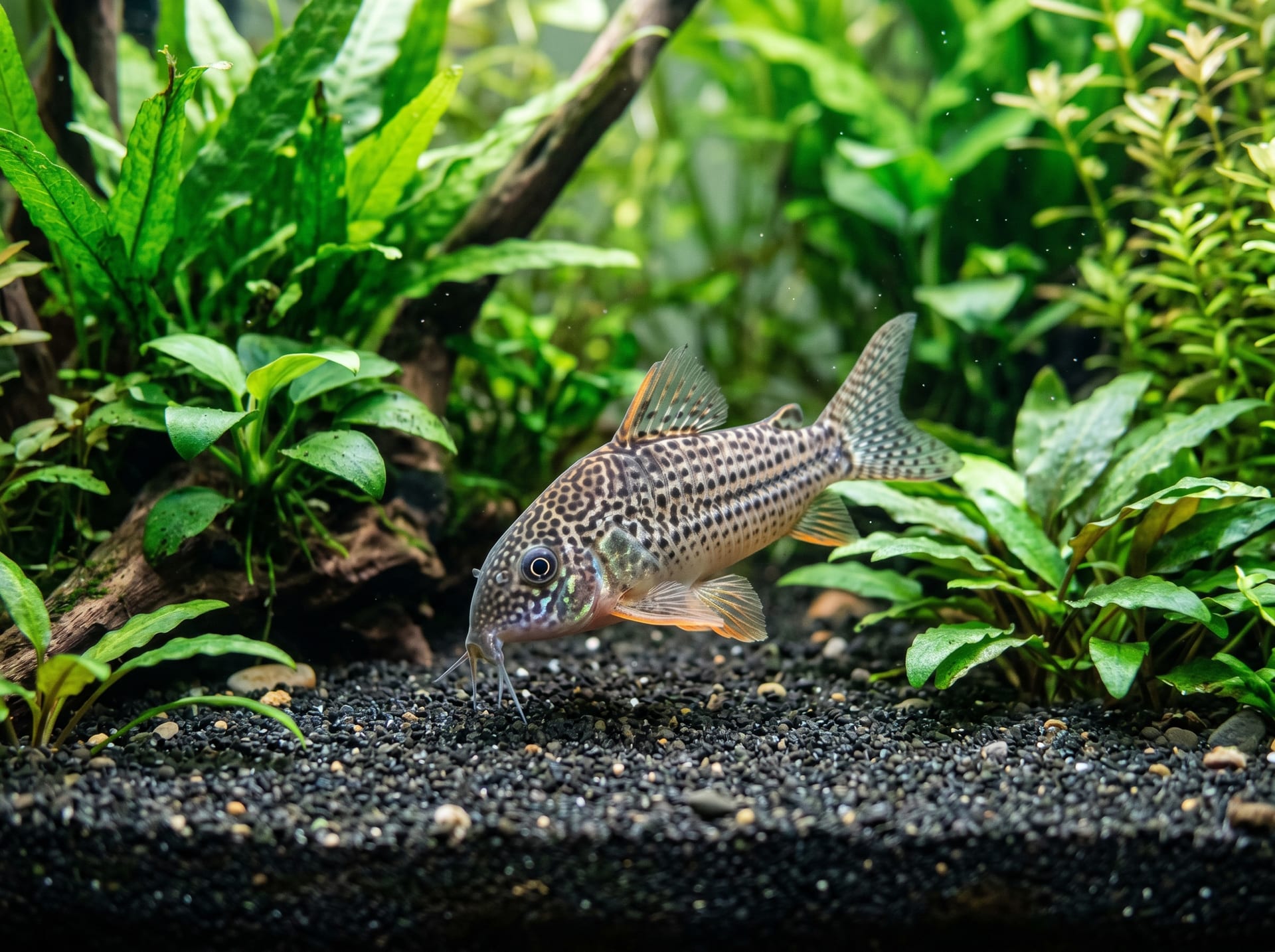
The most critical factor in cohabiting with shrimp is choosing fish species that don't predate on them. The basic guideline is simple: "the size of the fish's mouth." If shrimp can fit inside a fish's mouth, there's always the risk of predation, regardless of apparent disinterest. Otocinclus and small Corydoras species (Habrosus, Pygmy) are excellent choices due to their herbivorous or bottom-feeding nature and very low interest in shrimp. Small Rasbora species (Harlequin Rasbora, Microrasbora Blue Neon) also work well with their small mouths and gentle temperaments. Caution is needed with Bettas, which show high individual variation and may chase shrimp relentlessly, and Guppies, which are harmless to adult shrimp but may eat shrimplets. Fish species to absolutely avoid include Angelfish, medium to large Cichlids, Pufferfish, and large Tetras—these actively predate on shrimp.
Shrimp Compatibility Quick Reference Chart
| Fish Species | Compatibility | Notes |
|---|---|---|
| Otocinclus | ◎ Safe | Herbivorous, indifferent to shrimp |
| Small Corydoras (Habrosus, Pygmy) | ◎ Safe | Bottom-dwelling, low interest |
| Small Rasbora (Harlequin, etc.) | ○ Safe | Small mouth, gentle nature |
| Guppies | △ Caution | Harmless to adults, may eat shrimplets |
| Bettas | △ Caution | High individual variation, may chase |
| Angelfish | × Avoid | Actively predatory |
| Medium-Large Cichlids, Pufferfish, Large Tetras | × Avoid | Predatory |
※The basic rule: "Can the shrimp fit in the fish's mouth?" If yes, predation will eventually occur.
Creating Hiding Places and Tank Layout for Shrimp
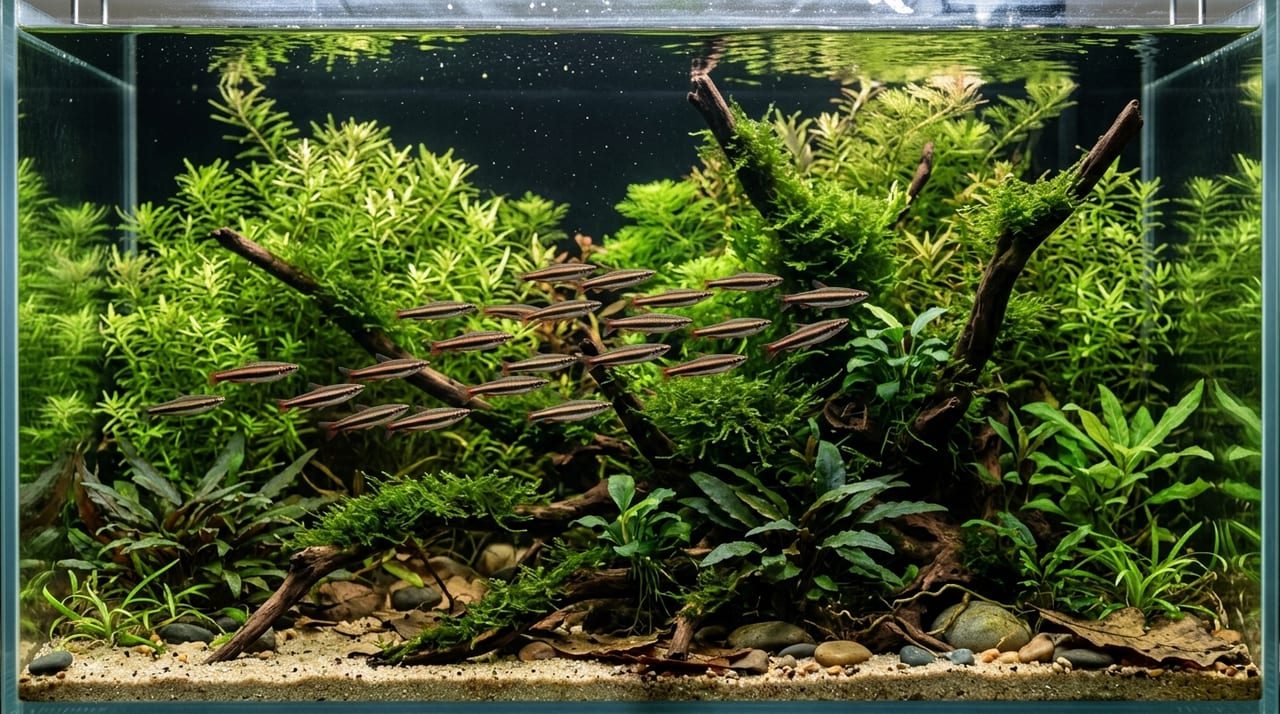
For shrimp to thrive safely, abundant hiding spots away from fish predators are essential. The most effective refuge is densely planted aquatic plants. Willow Moss is ideal—its fine leaves create gaps where shrimp can hide, dramatically increasing shrimplet survival rates. Willow Moss attached to driftwood is both aesthetically pleasing and excellent habitat for shrimp. South American Willow Moss and Flame Moss work equally well. Floating plants (Salvinia, Amazon Frogbit) create shadows at the surface, providing the dim, secure environment shrimp prefer. Store-bought shrimp caves and shelters are effective temporary refuge for shrimplets. Placing dried leaves (Catappa Leaves, Almond Leaves) on the substrate is also beneficial—they serve as hiding places while decomposing microbes provide food for shrimp.
Creating the Right Environment for Shrimp Breeding
Cherry Shrimp breeding is relatively straightforward, but in community tanks, shrimplet survival is key. Gravid females carry eggs on their swimmerets for approximately 3-4 weeks before shrimplets hatch. Newborn shrimplets are only about 2mm long and are consumed by most fish species. Densely planted Willow Moss areas are the most effective for improving shrimplet survival. With sufficient moss, a portion of shrimplets will survive even in community tanks, allowing the colony to persist and grow. Optimal water parameters for breeding are: TDS 150-250ppm, GH 4-8, KH 2-6, pH 6.5-7.5. Maintain temperatures between 22-26°C; higher temperatures increase metabolism and shorten lifespan. Perform weekly water changes of only 15-20% to avoid sudden fluctuations. Large water changes trigger molting, and freshly molted shrimp are vulnerable and easily targeted by fish.
Water Quality Management and Shrimp Vulnerability
Shrimp are far more sensitive to water parameter changes than fish, particularly vulnerable to copper and pesticides. Trace copper in tap water isn't removed by standard dechlorinators—consider using RO water. Newly purchased plants often contain pesticide residues that can be fatal to shrimp. Always thoroughly rinse new plants and soak them in a separate container for several days to remove pesticide residue before adding them to the tank. Tissue-cultured plants in cups grown without pesticides are safest. Many medications used to treat fish diseases are toxic to shrimp; white spot treatments and methylene blue cannot be used in tanks with shrimp. If fish become ill, move them to a separate treatment tank.
Tips for Managing Community Tanks
When keeping shrimp with multiple tropical fish, follow these practices:
Feeding Strategy
When fast and slow-swimming species coexist, scatter food at multiple spots simultaneously to ensure slower swimmers receive adequate nutrition. Using both sinking and floating foods is also effective.
Careful Observation
Pay close attention during the first few days after introducing fish. Watch for chasing, fin nipping, and food monopolization. During breeding season (spring), males may aggressively chase females—if females appear stressed from continuous pursuit, use a divider or temporarily separate them.
Tank Environment
Decorations that provide hiding places help weaker individuals avoid stress. However, avoid creating gaps so narrow that fish could become trapped.
A well-designed shrimp and fish cohabitation tank highlights the beauty of both species when you choose compatible combinations and create the right environment. At BreederDirect, you can purchase healthy Cherry Shrimp and compatible fish directly from breeders, and receive specific advice on cohabitation compatibility and breeding conditions. Create your own small ecosystem where shrimp and fish coexist peacefully.