Complete Guide to Blackwater Environments and pH Management for Tropical Fish | How to Recreate South American Amazon Acidic Water
Complete Guide to Blackwater Environments and pH Management for Tropical Fish。What is Blackwater?
Key Takeaways
Complete Guide to Blackwater Environments and pH Management for Tropical Fish。What is Blackwater?
Related Species
What is Blackwater? Understanding the Amazon River's "Black Water"
Blackwater is water in which organic matter such as humic soil, fallen leaves, and driftwood from tropical rainforests have been submerged for extended periods, causing humic substances like tannins, humic acids, and fulvic acids to dissolve into the water. True to its name, it displays an amber to tea-brown color similar to diluted tea or coffee, and while it maintains high transparency, it possesses a distinctive hue.
The Rio Negro River in the South American Amazon basin is a prime example, characterized by a strongly acidic pH of 4–5 and ultra-soft water with hardness approaching nearly zero. Fish that have evolved in this environment for long periods have their physiological structures built around these specific water parameters in all aspects—reproduction, coloration, and immune function. Conversely, long-term rearing in neutral to alkaline hard water often results in dulled coloration, reproductive difficulties, and reduced immunity leading to increased disease susceptibility.
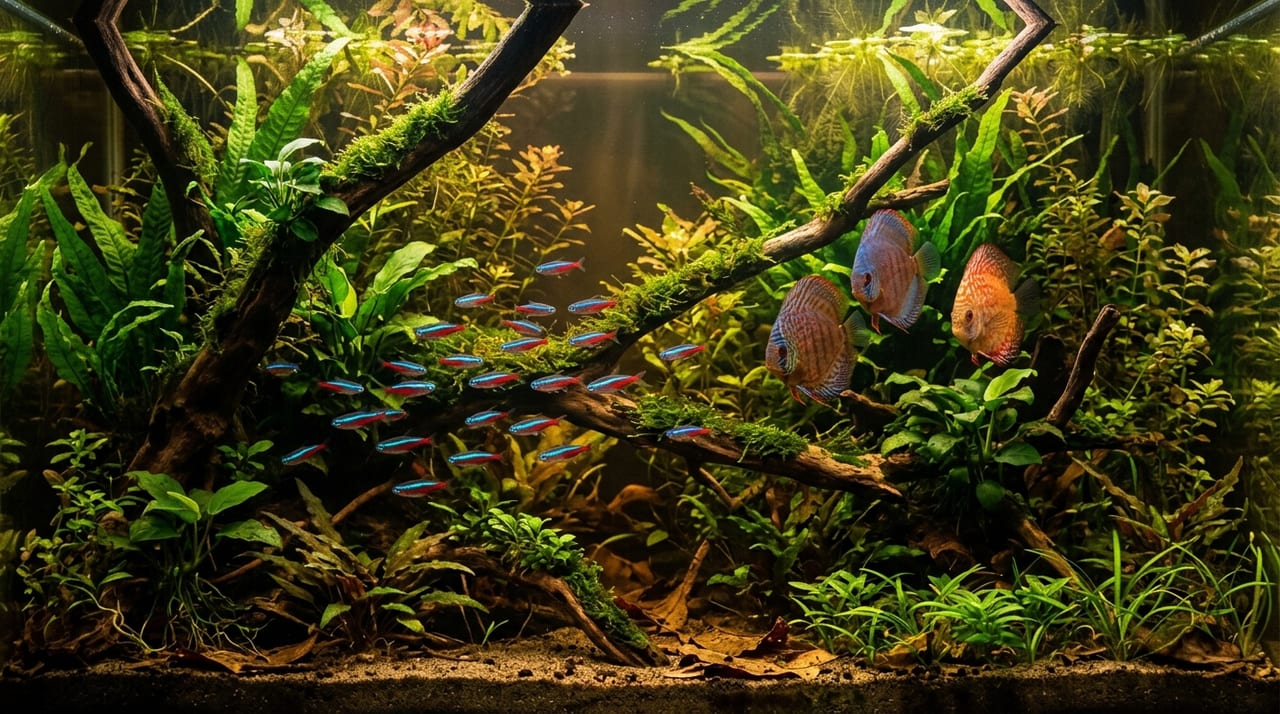
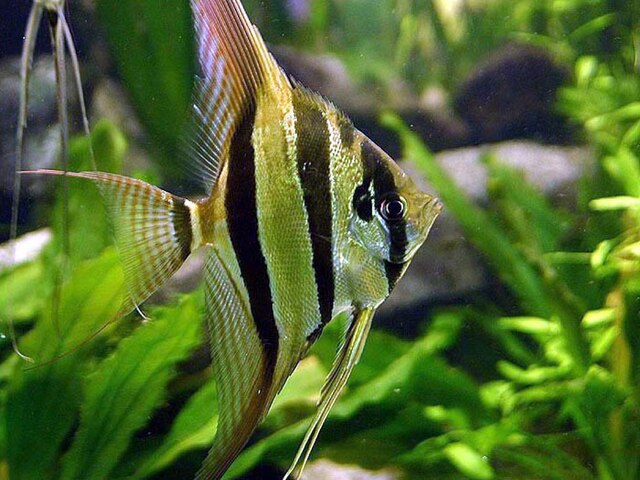
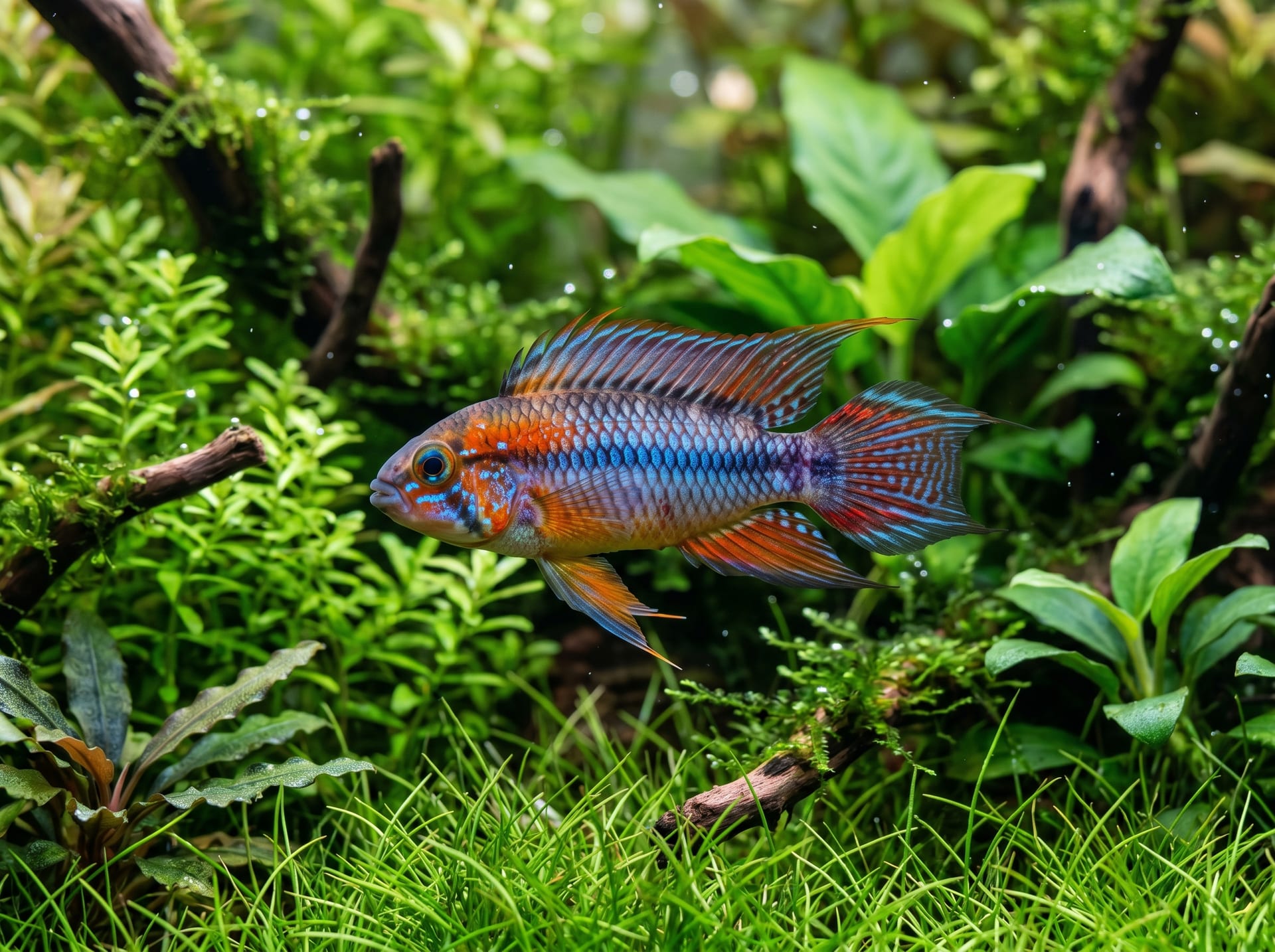
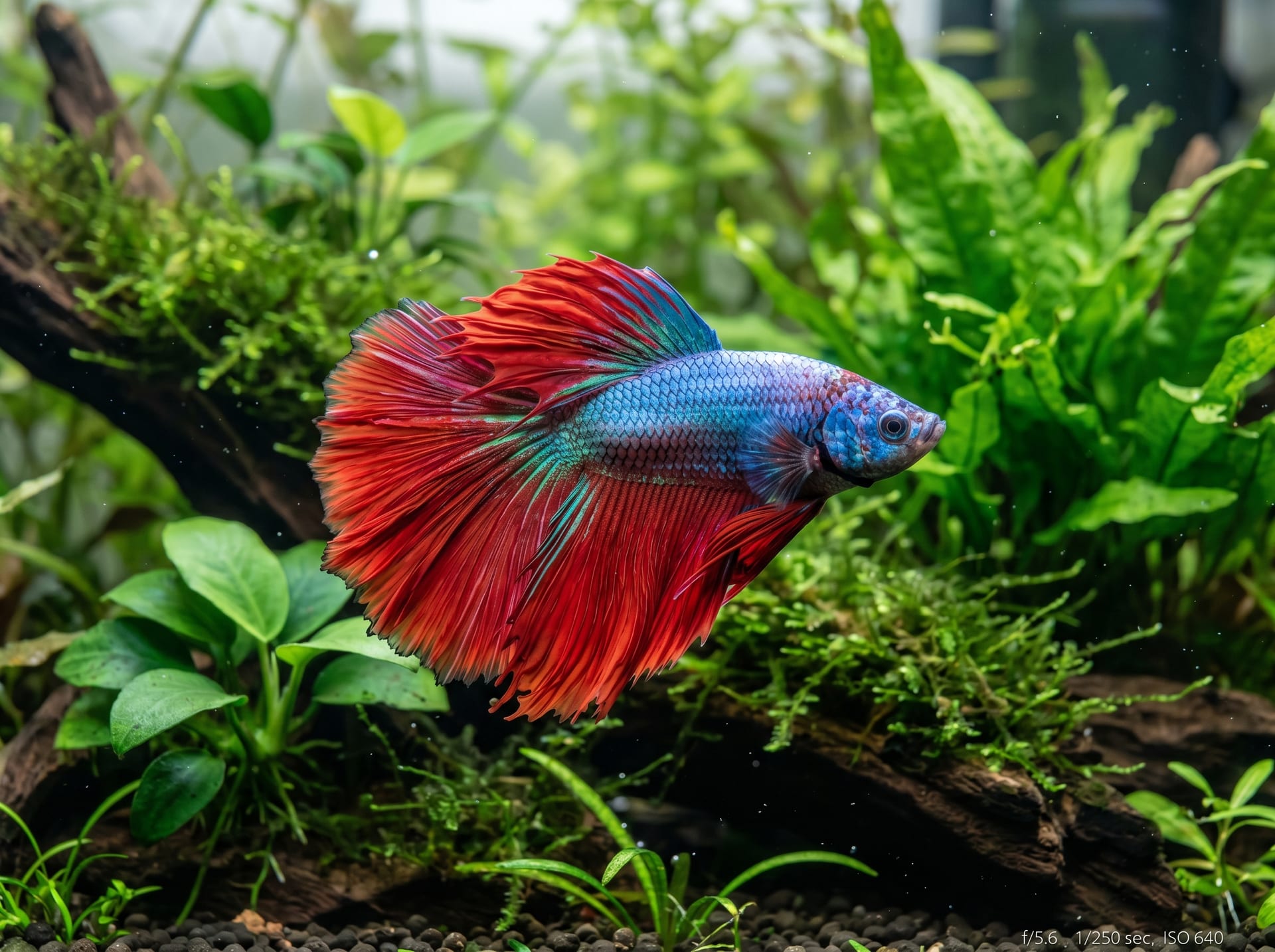
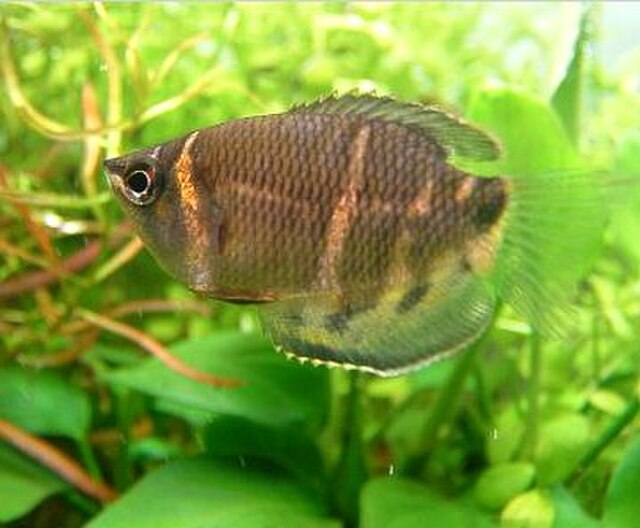
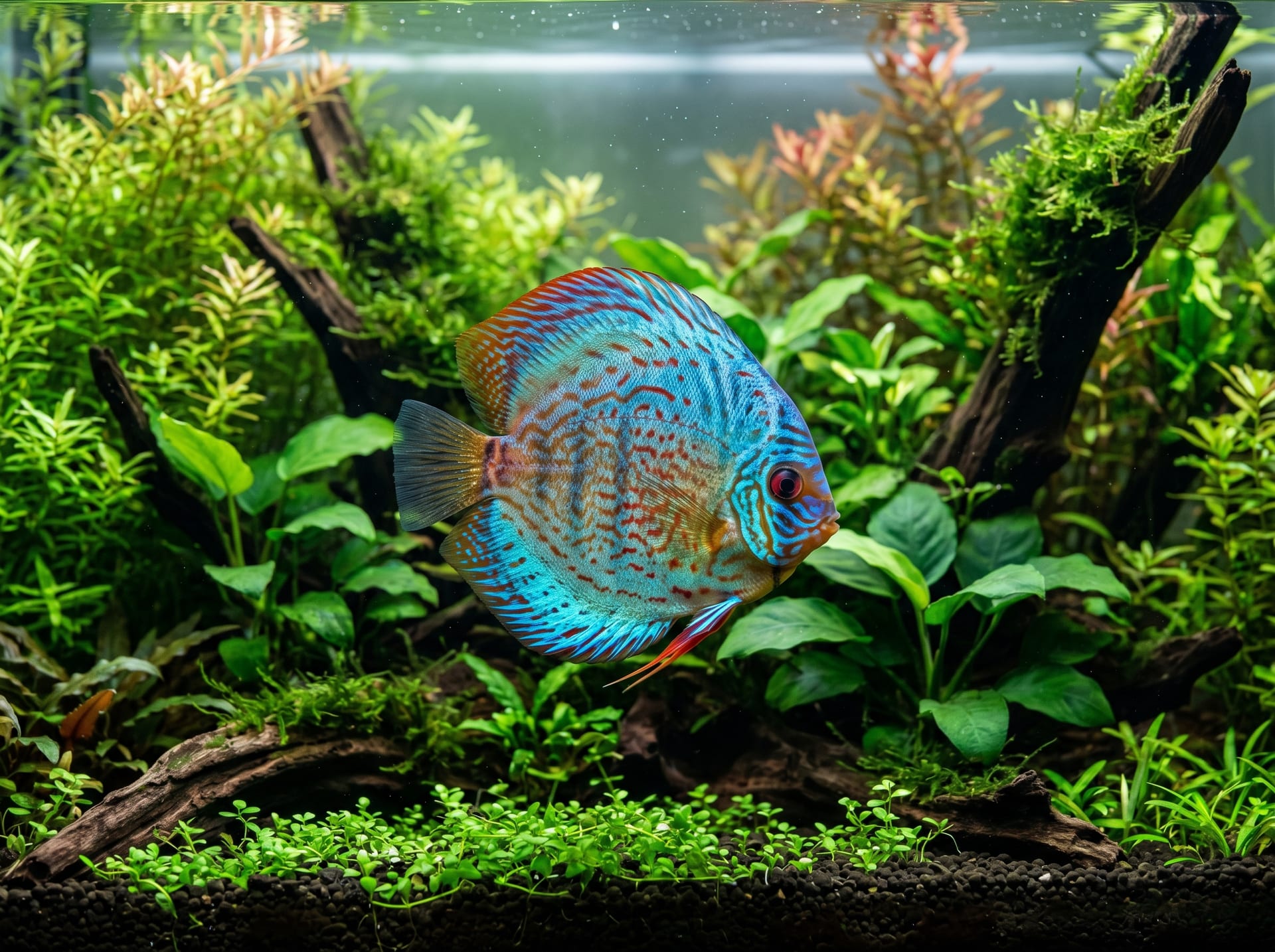
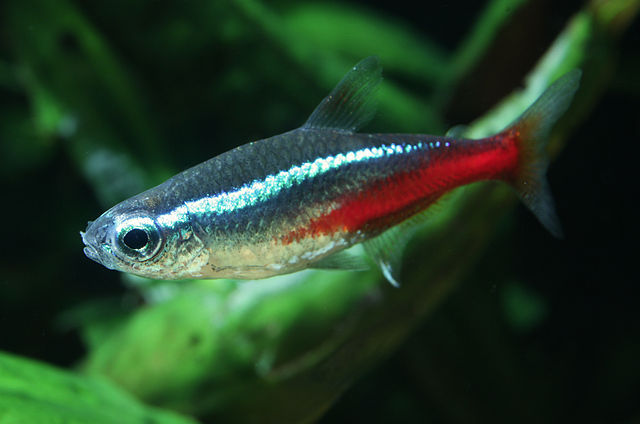
To seriously raise and breed Apistogramma, Discus, Altum Angels, wild-caught Characins (such as wild Neon Tetras and Cardinal Tetras), Chocolate Gouramis, and blackwater-inhabiting Bettas (such as Betta channoides and B. macrostoma), understanding the "essence of the water" is the essential starting point.
Physiological Benefits of Blackwater for Fish
The effects of blackwater extend far beyond visual appeal. Tannins and humic acids have the following physiological and environmental actions:
Antibacterial and Antimicrobial Action: Tannins act on bacterial cell walls and are said to have some effectiveness in suppressing Ich (white spot disease) and water mold. This is why blackwater is often used immediately after receiving wild-caught specimens.
Mucus Membrane Protection: Humic acids are known to bind with the mucus layer on fish skin, strengthening the protective barrier against external irritation and stress. They aid in mucus membrane recovery following transport and water changes.
Impact on Spawning and Hatching: Many Amazon fish species receive spawning signals under low pH, low hardness, and in the presence of tannins. Breeders intentionally create blackwater conditions for Apistogramma and Discus specifically to recreate this physiological trigger.
Stress Reduction: Water color and quality that approximate the fish's natural habitat calm their behavior. Wild-caught specimens in particular may display excessive defensive behavior in clear-water tanks, but in blackwater conditions they more readily resume their natural behavior patterns.
How to Create Blackwater | Materials and Methods
Here are the primary materials and methods for creating blackwater.
Driftwood and Dried Leaves (Almond Leaf and Magic Leaf)
Almond Leaves (Terminalia catappa leaves) are among the most convenient blackwater materials. Simply adding 1–2 leaves per 10 liters of water will tint the water a subtle amber color within days and gradually lower the pH. Driftwood (especially Branchy Wood and Mopani) continuously releases tannins over extended periods, so combining them as layout materials sustains the effect.
Peat Moss
The method of filling a filter's biobag with peat moss and running water through it is a time-tested standard technique. It rapidly releases tannins and humic acids, effectively lowering both pH and hardness simultaneously. However, since the effect can sometimes be too strong, I recommend starting with a small amount while monitoring pH readings with a meter.
Dedicated Blackwater Conditioners
Commercial blackwater conditioners are liquid products that concentrate humic and fulvic acids. They take effect immediately and allow fine concentration adjustments through dosing, making them beginner-friendly. However, unlike peat and leaves which continuously release humic matter, they require periodic reapplication.
Combining with RO Water
Tap water contains chlorine and various minerals, and in regions with high hardness (GH), pH may not drop sufficiently even with blackwater materials. In such cases, it's most reliable to use ultra-soft water purified by RO (reverse osmosis) filtration as the base, then mix in small amounts of raw water or mineral supplements to fine-tune hardness before adding blackwater materials.
Target pH and Hardness Values and Management Tips
Target values for blackwater environments vary by species, but approximate guidelines are as follows:
| Fish Species Group | Target pH | Target GH |
|---|---|---|
| Wild-caught Apistogramma | 4.5–6.0 | 1–3°dH |
| Cardinal Tetra (wild-caught) | 5.5–6.5 | 1–4°dH |
| Discus (wild-caught) | 5.5–6.5 | 1–4°dH |
| Blackwater Betta | 5.0–6.5 | 1–5°dH |
| Captive-bred / Farm specimens | 6.0–7.0 | 3–8°dH |
The basic approach is to lower pH gradually over approximately one week in increments of 0.5–1.0, rather than dropping it all at once. Sudden pH fluctuations can cause serious shock to fish. Proceed with particular caution if you already have established specimens.
A tester for measuring pH and hardness is an essential tool. Prepare a digital pH meter (one with calibration capability) and a test kit that can measure GH and KH. In blackwater environments, KH (carbonate hardness) often becomes extremely low, creating a risk of sudden pH drops—a phenomenon known as "pH crash." Making it a habit to check values once weekly is key to long-term management.
Filter Selection and Substrate | Tips for Maintaining a Blackwater Tank
Filter and substrate selection are important for maintaining blackwater.
Avoid Activated Carbon: Activated carbon rapidly absorbs and removes tannins and humic acids, making it unsuitable for blackwater tank filters. Instead, use biologically-focused filtration media such as sponge filters, undergravel filters, or substrate-based filter materials.
Use Aquasoil or Fine Sand: Amazon-type aquasoil has buffering properties that maintain a weakly acidic pH and pairs excellently with blackwater environments. Conversely, gravel such as Ohito sand and coral sand should be avoided because they leach calcium and raise pH.
Keep Flow Gentle: Amazon currents are gentle. Strong water flow damages the fins of Apistogramma and Bettas and causes stress. A standard remedy is to use sponge filters or place a sponge over the filter outlet to diffuse the flow.
Use Subdued Lighting: While darker water absorbs more light, fish themselves tend to prefer dimmer environments. Prioritize diffused lighting over direct light, and creating partial shadows with décor (driftwood and aquatic plants) enhances fish security.
Tropical Fish Suited to Blackwater and How to Begin
The following fish species excel particularly well in blackwater environments:
- Apistogramma species (cacatuoides, agassizii, trifasciata, etc.): Small cichlids suited for pair breeding. At low pH, their coloration becomes vibrant and breeding behavior increases.
- Cardinal Tetra (wild-caught): Their red and blue coloration becomes exceptionally vibrant in blackwater.
- Chocolate Gourami: A challenging species that requires acidic water at pH 5–6 for successful long-term care and breeding.
- Blackwater Betta: Blackwater-origin Bettas from Southeast Asia, such as B. macrostoma and B. channoides, also prefer similar water conditions.
- Altum Angelfish: Keeping wild-caught specimens requires soft water around pH 6.
When beginning, the fundamental approach is to establish stable water conditions in the tank before introducing fish. Specimens sourced directly from breeders are accustomed to their shipping water, so acclimate them carefully using the drip method over 30–60 minutes, aiming to keep pH difference within 0.5. Once a blackwater environment stabilizes, it is not difficult to maintain. By making daily observation and weekly water parameter checks a habit, you can enjoy the mysterious Amazon aquascape and its inhabitants for years to come.