Tropical Fish Water Hardness (GH・KH) Management Guide | Adjusting Soft and Hard Water
Explanation of GH (General Hardness) and KH (Carbonate Hardness), which are important in tropical fish keeping. Detailed introduction to target values by species, methods for softening and hardening water, and their relationship with pH.
Key Takeaways
Explanation of GH (General Hardness) and KH (Carbonate Hardness), which are important in tropical fish keeping. Detailed introduction to target values by species, methods for softening and hardening water, and their relationship with pH.
Related Species
What is Water Hardness (GH・KH)?
Water hardness is a measure of the amount of dissolved minerals in water, primarily calcium and magnesium. In tropical fish keeping, the following two parameters are important.
GH (General Hardness):The total amount of calcium (Ca²⁺) and magnesium (Mg²⁺). It represents "water hardness" itself. Units are dH (German hardness degrees) or ppm (mg/L).
KH (Carbonate Hardness):The amount of carbonate ions (HCO₃⁻・CO₃²⁻). It indicates pH buffering capacity. Higher KH means pH fluctuates less (buffering effect).
| Hardness Category | GH Value (dH) | Representative Water |
|---|---|---|
| Ultra-soft | 0〜4 | Amazon River, Southeast Asian mountains |
| Soft | 4〜8 | Most Japanese tap water (Tokyo, etc.) |
| Medium | 8〜12 | European tap water |
| Hard | 12〜18 | Groundwater from limestone areas |
| Ultra-hard | 18 or higher | African Great Rift Valley lakes (Lake Tanganyika, etc.) |
Relationship Between Hardness and Fish's Native Habitats
Tropical fish are adapted to the water chemistry of their native regions. When kept in appropriate hardness levels, their coloration, behavior, and breeding ability improve.
Fish Preferring Soft, Acidic Water (GH 1〜8, pH 5.5〜7.0)
Many species from Amazon and Southeast Asia:
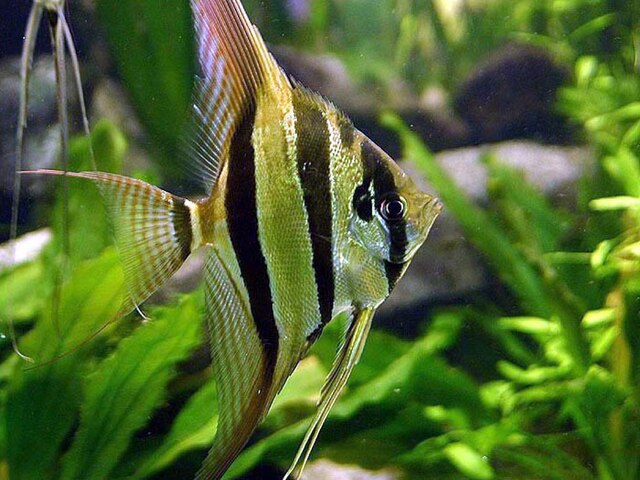
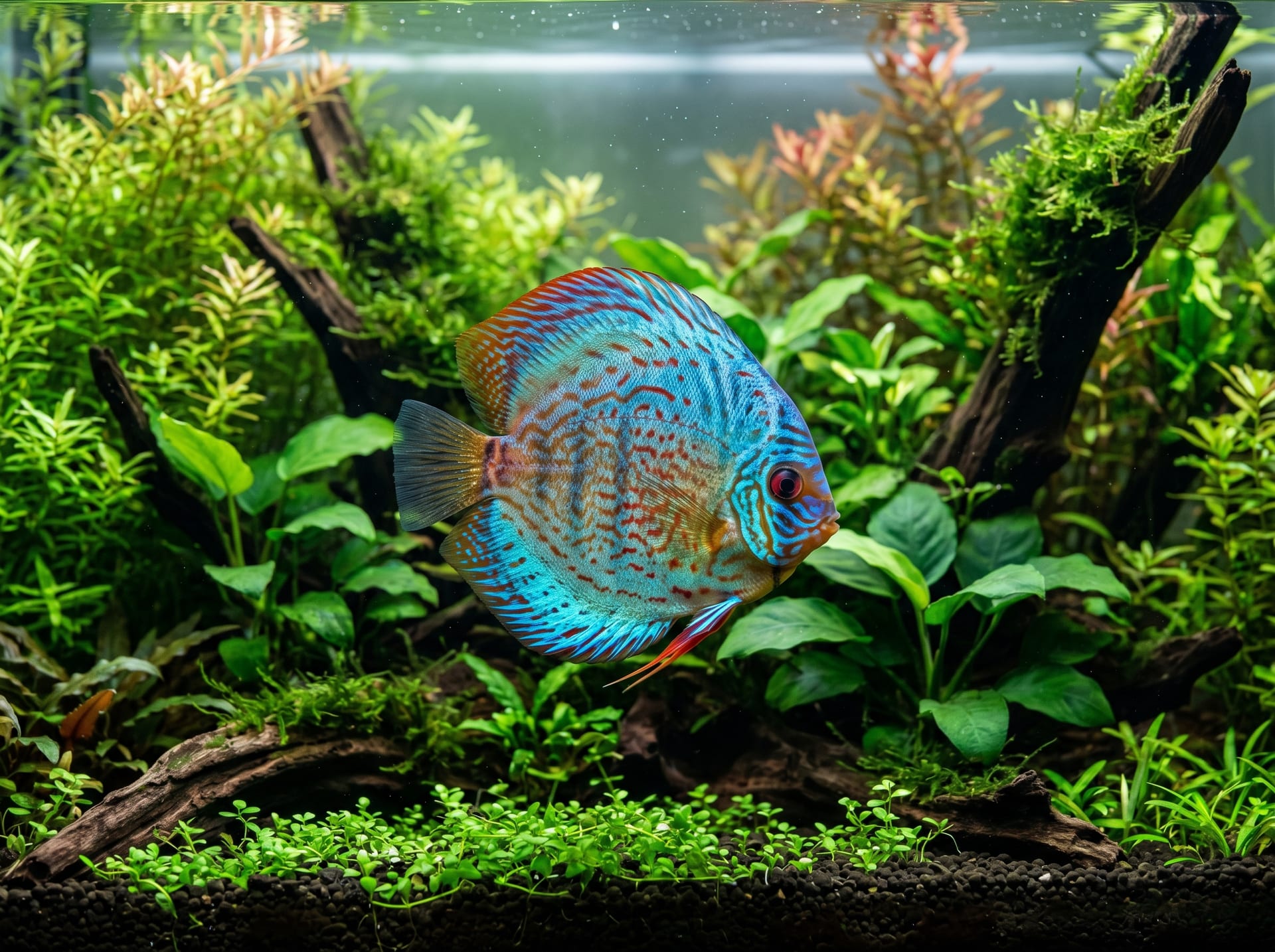
- Discus, Angelfish
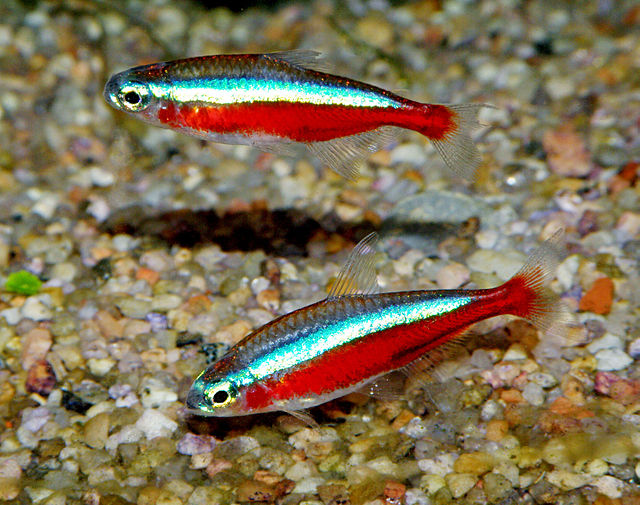
- Neon Tetra, Cardinal Tetra
- Betta (especially soft water for breeding)
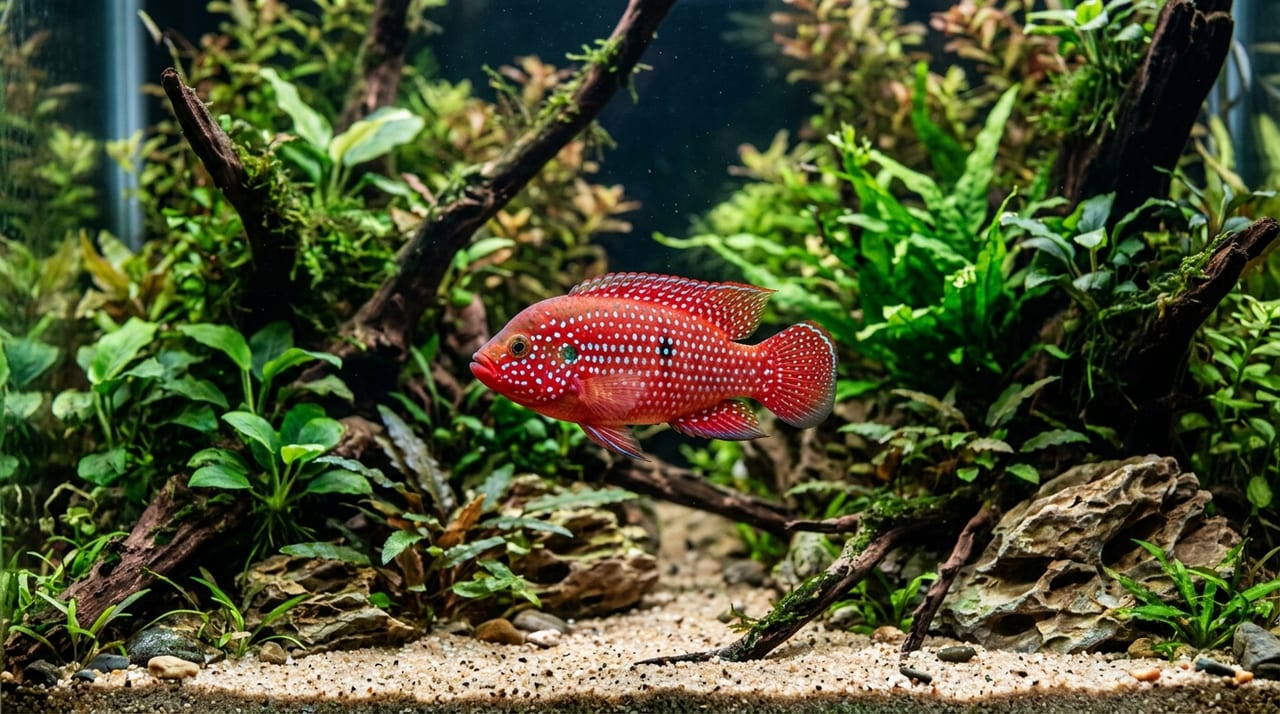
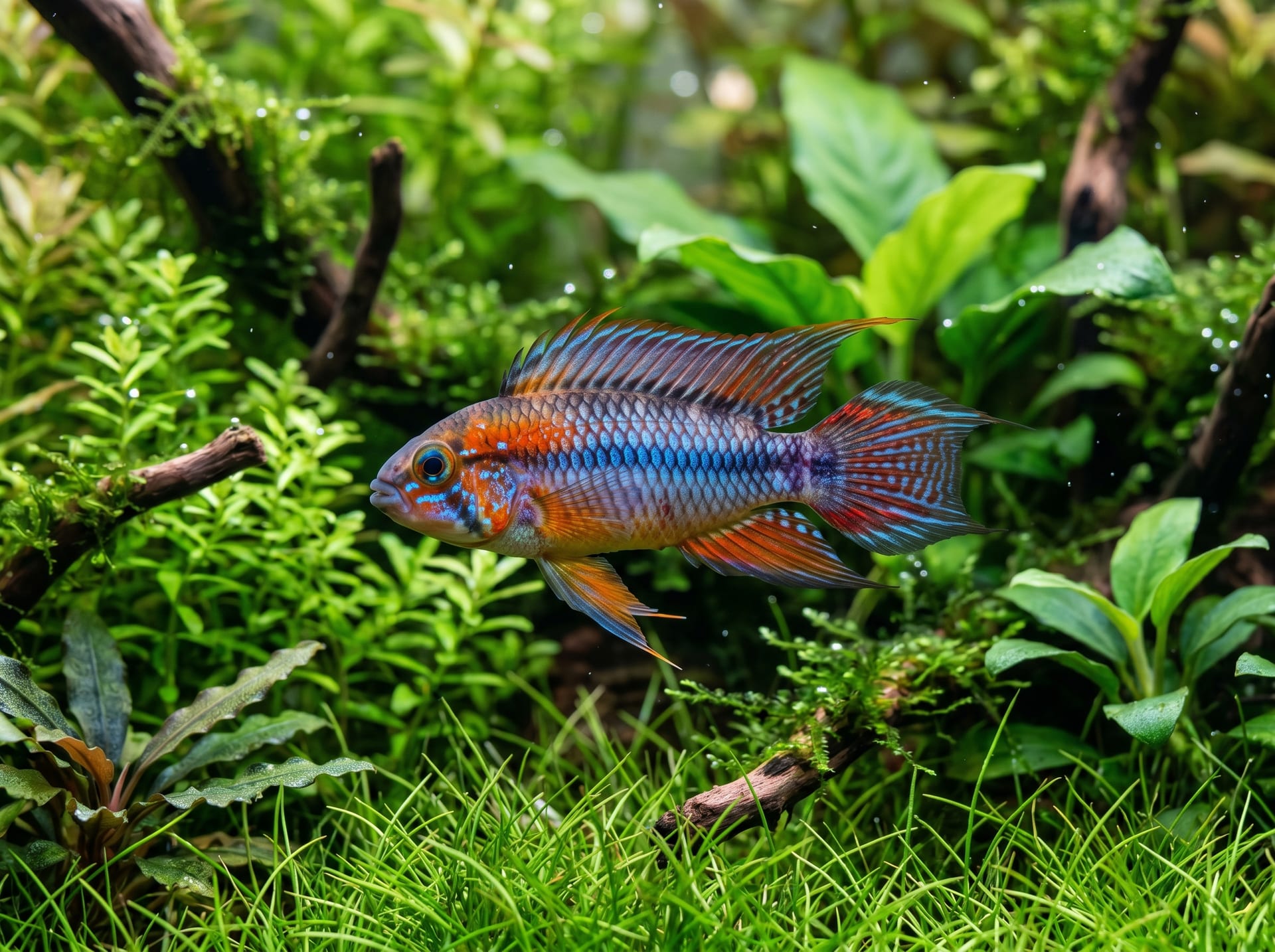
- Ramirezi, Apistogramma (cichlid species)
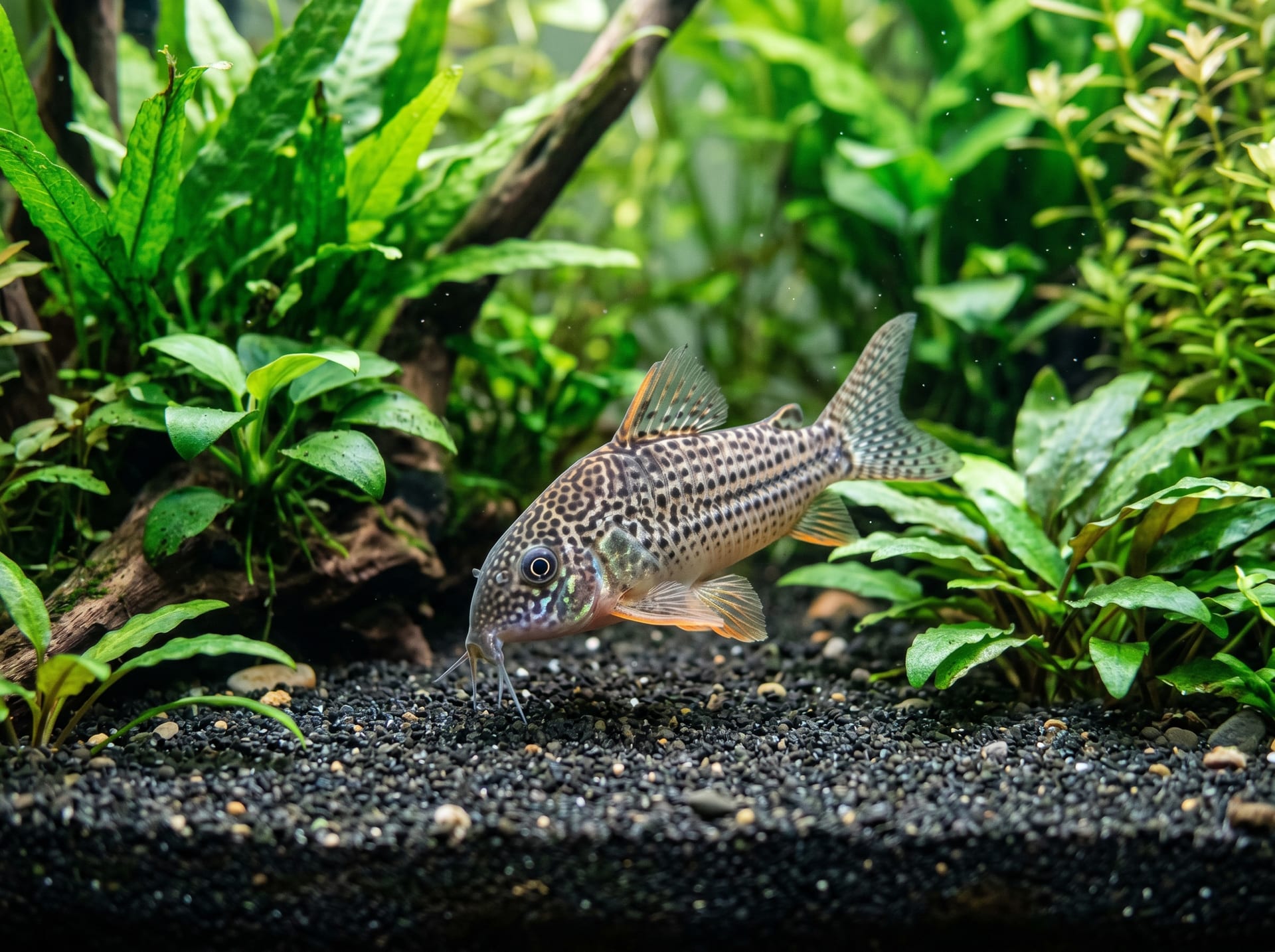
- Corydoras (most species)
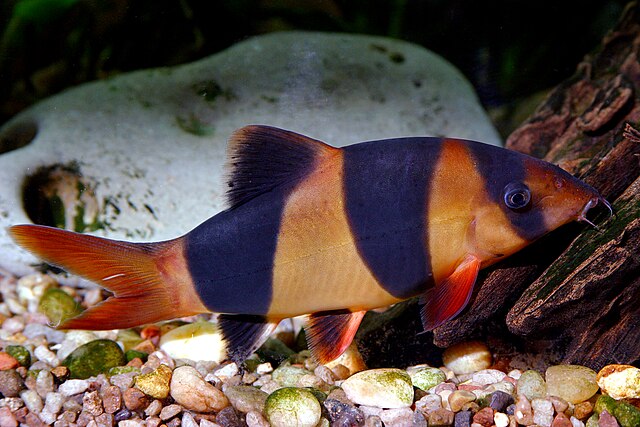
- Crown Loach
Fish Preferring Moderate Hardness (GH 5〜15, pH 6.5〜7.8)
Most common tropical fish:
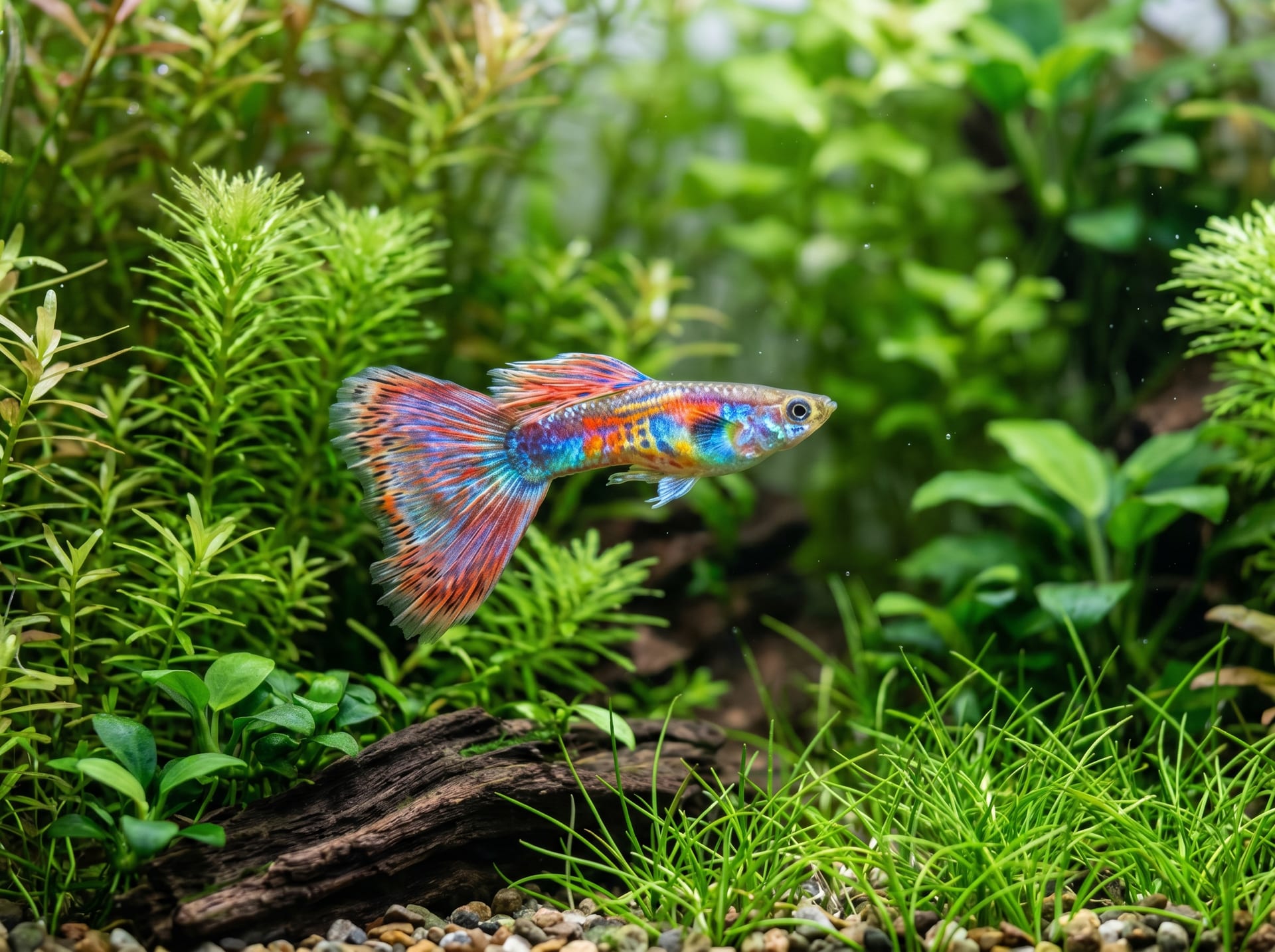
- Guppy, Platy, Swordtail (prefer medium to hard water)
- Molly
- Zebra Danio
- Golden Barb, etc.
Fish Preferring Hard, Alkaline Water (GH 12〜25, pH 7.5〜9.0)
Species from African Great Rift Valley lakes:
- Cichlids (Mbuna, Haplochromis, etc.)
- Lamprologus
- Most Tanganyika and Malawi species
Water Hardness of Japanese Tap Water
Japanese tap water is generally soft (GH 3〜8), suitable for keeping most tropical fish. However, there is regional variation—Okinawa and some urban areas may have medium to hard water. You can check your local water quality report from your water utility.
Measuring Water Hardness
Tetra Test (Liquid Reagent):The most widely used measurement method. Add reagent drop by drop and judge by color change. Purchase GH and KH kits separately.
Test Strips:Convenient but lower accuracy. Use as a reference only.
TDS (Total Dissolved Solids) Meter:Does not directly measure hardness but measures all dissolved ions. There is correlation with GH, but they are not identical.
Digital Hardness Meter:High accuracy but expensive. For breeders and advanced users.
Methods to Lower Hardness (Softening Water)
Using RO Water (Reverse Osmosis)
The most reliable softening method. An RO/DI purifier removes nearly all minerals, producing pure water with GH≒0. Then adjust to appropriate levels using blackwater additives or softening agents.
Softening Materials
- Peat (Peat Moss):When placed in the filter, it absorbs calcium and exchanges minerals. Simultaneously lowers pH through humic acids (blackwater effect)
- Aquarium Softening Agents:Liquid additives for easy GH adjustment
- Soil (Nutritious Substrate):Absorbs calcium through cation exchange, lowering GH. Particularly effective immediately after setup
Mixing with Rainwater or Distilled Water
Dilute with collected rainwater (careful of contamination) or commercial soft mineral water. Often impractical from a cost perspective.
Methods to Raise Hardness (Hardening Water)
Adding Coral Sand or Oyster Shells
Use in the filter or substrate. Calcium dissolves, raising GH and KH. Effective for African cichlid tanks and as preparation for saltwater tanks.
Baking Soda (Sodium Bicarbonate)
Used to raise KH (carbonate hardness). Approximately 1g/10L raises about 3〜4 dKH. Does not affect GH.
Calcium Chloride or Magnesium Sulfate
Used when you want to raise GH precisely. Requires calculations and is difficult for beginners. A popular approach in international aquascaping called "Remineralization."
Commercial Mineral Additives
Products such as "Cichlid Salt" and "Tanganyika Mix." Specialized for African cichlids.
Relationship Between GH, KH, and pH
The higher the KH, the less pH fluctuates (buffering effect).
- KH 3 or below:pH is unstable and prone to sudden changes. Daily measurement recommended
- KH 4〜8:Stable pH maintenance possible in typical tropical fish keeping
- KH 8 or higher:pH tends to be fixed at higher levels (suitable for African cichlids, etc.)
In CO₂-injected planted tanks, KH is often set to 3〜5 to maintain pH at 5.5〜6.8.
Target Hardness Summary by Species
| Species | GH Target (dH) | KH Target (dKH) | pH Target |
|---|---|---|---|
| Discus | 1〜5 | 1〜3 | 6.0〜7.0 |
| Neon Tetra | 2〜8 | 1〜5 | 6.0〜7.5 |
| Guppy | 8〜18 | 6〜12 | 7.0〜8.0 |
| Corydoras | 2〜10 | 1〜6 | 6.0〜7.5 |
| Angelfish | 3〜8 | 2〜5 | 6.0〜7.5 |
| African Cichlid | 12〜25 | 10〜20 | 7.8〜9.0 |
Summary
Managing water hardness (GH・KH) in tropical fish keeping is fundamentally about matching the water chemistry to the native habitat of the species you keep. Japanese tap water is soft and suitable for many species, but RO water is effective for discus and when breeding is the goal. Conversely, African cichlids require hardening. Regular measurement of GH and KH, avoiding sudden fluctuations while maintaining target values, is the key to long-term health and successful breeding.