Tropical Fish and Japan's Alien Species Act | Prohibited Species, Species of Concern, and Proper Procedures When You Can No Longer Keep Fish
An explanation of Japan's Alien Species Act for tropical fish. Comprehensive guide to prohibited species lists, the legal status of snakeheads, alligator gar, and plecos, and proper procedures when you can no longer keep fish (prohibition on release into the wild).
Key Takeaways
An explanation of Japan's Alien Species Act for tropical fish. Comprehensive guide to prohibited species lists, the legal status of snakeheads, alligator gar, and plecos, and proper procedures when you can no longer keep fish (prohibition on release into the wild).
Related Species
What is Japan's Alien Species Act?
The Law Concerning the Prevention of Damage to Ecosystems Caused by Alien Species (Japan's Alien Species Act) was enacted in 2005 to prevent organisms brought into Japan from overseas from causing adverse effects on Japan's ecosystems. Under this law, the following activities are generally prohibited for "specified alien species" designated by the Ministry of the Environment.
- Keeping in captivity
- Selling
- Transferring
- Importing
Violations of this strict regulatory framework incur the following penalties.
| Target | Penalty |
|---|---|
| Individual | Fine of up to 1 million yen |
| Corporation | Fine of up to 100 million yen |
An important point for tropical fish enthusiasts is that species previously in circulation as aquarium fish may later be designated as specified alien species. Individuals kept before the law took effect may continue to be raised if permission is obtained, but acquiring or breeding new specimens is generally prohibited. Notices are issued by the Ministry of the Environment each time new designations are made, so it is important to develop a habit of regularly checking for the latest information.
Main Specified Alien Species Related to Tropical Fish
The following species are known to require particular attention in the tropical fish hobby.
- Channel catfish (American catfish)
- Bluegill
- Largemouth bass
- Some caracins and cichlids (popular as aquarium fish, with certain cases falling under the regulation)
- Gars (alligator gar, spotted gar, etc.)
- Some sturgeons
Gars were designated as specified alien species in 2018, and because they were popular as large, ancient fish, this had a significant impact on enthusiasts. Some sturgeons are also subject to regulation, and confirming the species name before purchase is essential.
There is also a category called "species of concern." These are species that have not been designated as specified alien species, but are noted as requiring caution due to concerns about their impact on ecosystems. There are no legal restrictions on keeping them, but releasing them into the wild is absolutely prohibited from the perspective of ecosystem conservation. Even among aquarium enthusiasts, it is recommended to regularly check the list of species of concern.
What to Confirm Before Keeping Tropical Fish
When purchasing aquarium fish, always check beforehand whether the species has been designated as a specified alien species. The Ministry of the Environment's website contains the most up-to-date list of specified alien species and is updated regularly.
It is also important to purchase from trustworthy shops or breeders. If you use a breeder direct-sales marketplace, you can directly confirm the details of the species and precautions for care with knowledgeable sellers. Inexpensive items with unclear import routes carry the risk of mislabeled species names and illegal species being mixed in.
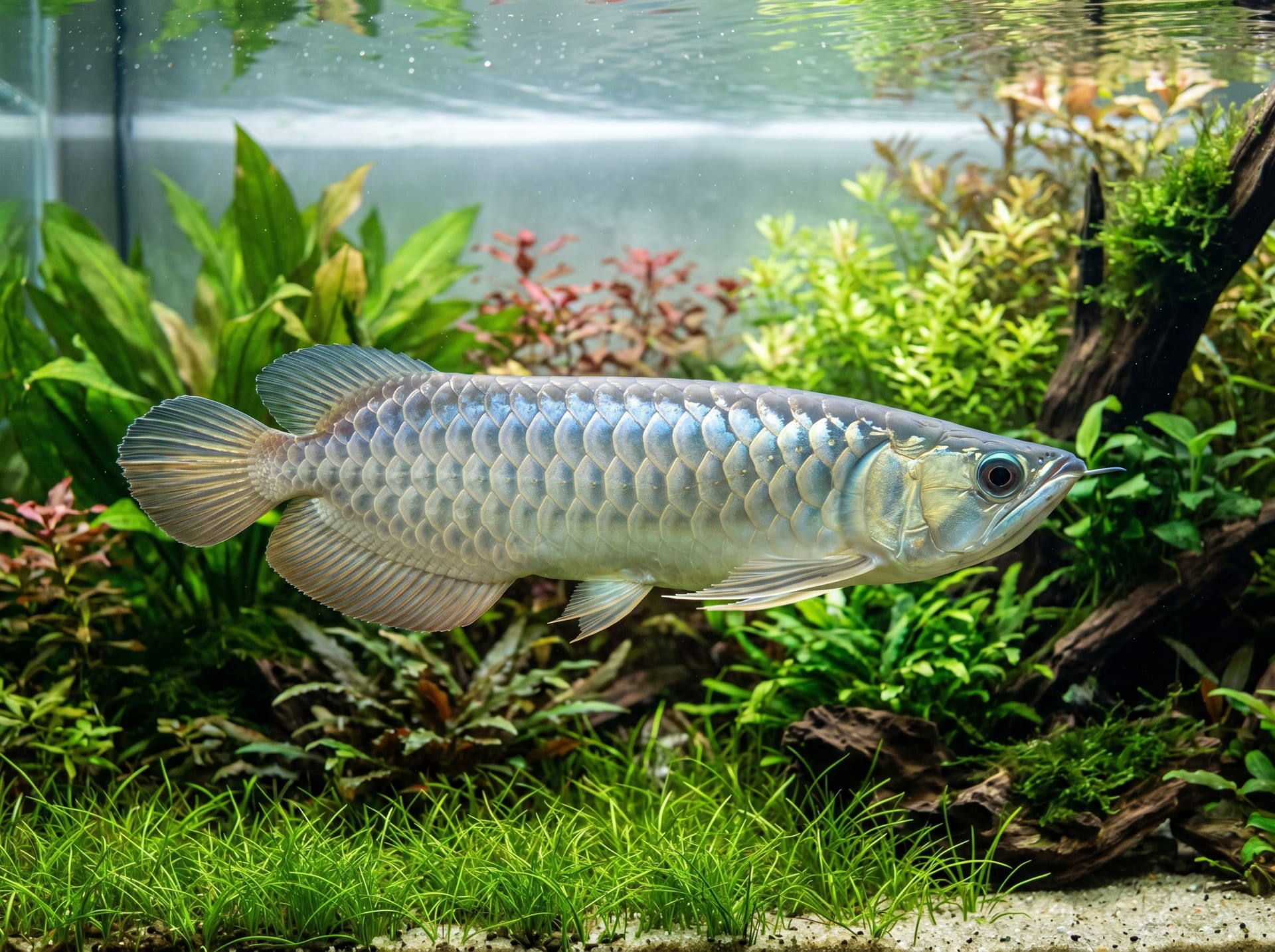
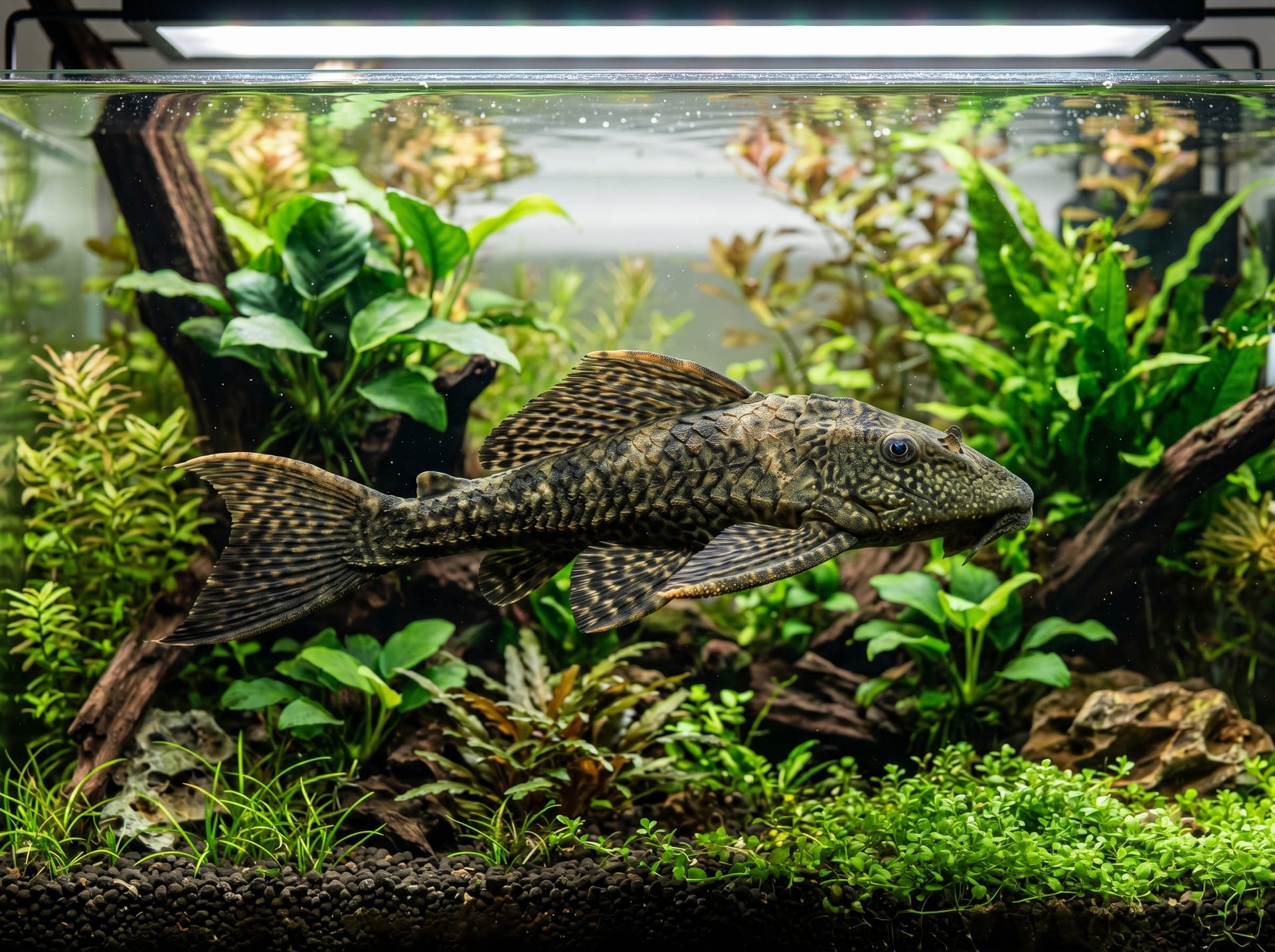
Be especially careful when dealing with large fish or rare species. Some varieties of piranhas and arowanas, as well as large plecos, are species that require attention to regulatory changes. It's reassuring to make it a habit to confirm the scientific name at purchase. For fish species with many varieties and morphs, we recommend cross-referencing the alien species list using scientific names in addition to common names.
Proper Procedures When You Can No Longer Keep Fish
If you can no longer care for tropical fish you are keeping, you must absolutely avoid releasing them into rivers or ponds. Releasing alien species into the wild not only damages ecosystems but also constitutes a violation of Japan's Alien Species Act and related laws, making it subject to legal penalties. While we understand the sentiment of wanting to "return them to nature because it's sad," releasing organisms that do not naturally exist in Japan's environment can cause irreversible damage.
The proper procedures are as follows.
- Search for foster homes or adoption options. The best approach is to transfer the fish to someone who will continue caring for them by utilizing tropical fish-specific SNS communities or online marketplaces. On breeder direct-sales platforms, regular transfers between collectors are actively conducted.
- Consult with your local tropical fish specialty shop about taking them. For specimens in good condition, they may be able to purchase them.
- Contact aquariums, schools, or educational institutions. Some may be willing to accept them, so it's worth inquiring.
- As a last resort, consult a veterinarian or appropriate disposal facility. This is an option when no one is willing to take them.
It is natural to feel psychological resistance to treating a living creature's life carelessly, but when weighing the impact on ecosystems against legal risks, releasing into the wild should not be considered an option.
Caution on Breeding and Overpopulation
If you are keeping species similar to specified alien species, overpopulation from breeding becomes difficult to manage. Even small fish with high reproductive capacity can result in an overpopulated tank before you know it. There are actual reports of cases where excessive individuals are released into the wild due to difficulty handling overpopulation, so when breeding, it is important to have a plan for where the offspring will go before you begin.
If you are breeding as a breeder, secure sales outlets first and proceed with careful planning. Through listing on online marketplaces, you can deliver your fish to fellow enthusiasts who love the same species. Transfer through proper distribution channels is the ideal method for balancing ecosystem conservation with the promotion of fish keeping.
Responsibility as a Keeper and Ongoing Information Gathering
The joy of keeping tropical fish lies in their diverse colors and behaviors. However, before starting to keep them, correctly understanding the fish's ecology, difficulty level, and legal status is the first step in being a responsible keeper.
Specified alien species are regularly reviewed, and species that can currently be kept without restriction may be subject to regulation in the future. It is important to stay informed through announcements from the Ministry of the Environment and aquarium industry associations, and to continuously update your knowledge.
By building an ongoing relationship with breeders and shops, you can more easily obtain early information about legal requirements and new regulations. Transactions with trustworthy sellers are a great help in enjoying your tropical fish hobby with peace of mind.