Tropical Fish Stress Signs & Solutions — Reading Distress Signals from Color Changes and Abnormal Behavior
How to identify stress in tropical fish through color fading, abnormal swimming, appetite loss, and breathing changes, with cause-specific treatment and prevention strategies.
Key Takeaways
How to identify stress in tropical fish through color fading, abnormal swimming, appetite loss, and breathing changes, with cause-specific treatment and prevention strategies.
Related Species
Stress Signs in Tropical Fish and How to Address Them | Reading the Signals of Illness from Body Color Changes and Abnormal Behavior
Tropical fish cannot "vocalize" their discomfort. However, signs of stress and illness definitely exist—changes in body color, abnormal swimming patterns, loss of appetite, and more. Recognizing these signs without missing them and taking appropriate action early is key to protecting your fish from disease and death.
While stress alone may not be immediately fatal, it weakens the immune system and opens the door to infections like ich and fin rot. The ability to act when you sense "something seems off" is what separates skilled aquarists from the rest.
This article categorizes the stress signs that tropical fish display into four categories—body color, behavior, appetite and digestion, and respiration—and explains the causes and specific countermeasures for each in detail.
The Effects of Stress on Tropical Fish
Weakened Immune System
Like mammals, fish under chronic stress continuously secrete cortisol (the stress hormone). Excessive cortisol secretion suppresses the immune system and can trigger bacterial and parasitic infections that would normally not occur. The water tank always contains small amounts of pathogens like Ichthyophthirius (ich) and Columnaris bacteria. Healthy fish can resist these, but when stress weakens immunity, these pathogens proliferate rapidly—this is the typical disease mechanism.
Stunted Growth
Prolonged stress reduces appetite, and the nutrients consumed are diverted to stress response rather than growth, resulting in significantly slower development. If young or juvenile fish experience stress, they may fail to reach their natural adult size.
Cessation of Spawning Behavior
Breeding is a higher-order behavior that occurs only when survival is stable. When stress factors like poor water quality or overcrowding are present, breeding behavior may stop entirely, or if spawning occurs, the parents may consume the eggs.
Shortened Lifespan
Chronic stress definitively shortens a fish's lifespan. If a species that should naturally live over 5 years dies within 2–3 years, there is likely a stress factor lurking in the aquarium environment.
✍️
BreederDirect Editorial
The BreederDirect editorial team specializes in care information for animals, covering veterinary care and breeding to deliver beginner-friendly guides.
Find Tropical Fish on BreederDirect
Buy directly from verified breeders
Browse Related Listings
Find Tropical Fish listings related to this article on BreederDirect. Buy directly from verified breeders.
Related Tools
Related Articles
Browse by Category
🪸Coral
🐠Marine Fish
🐟Tropical Fish
🐡Goldfish
🐟Medaka
🦎Reptiles
Share
Reading Stress from Body Color Changes
Body Color Becomes Pale or Fades
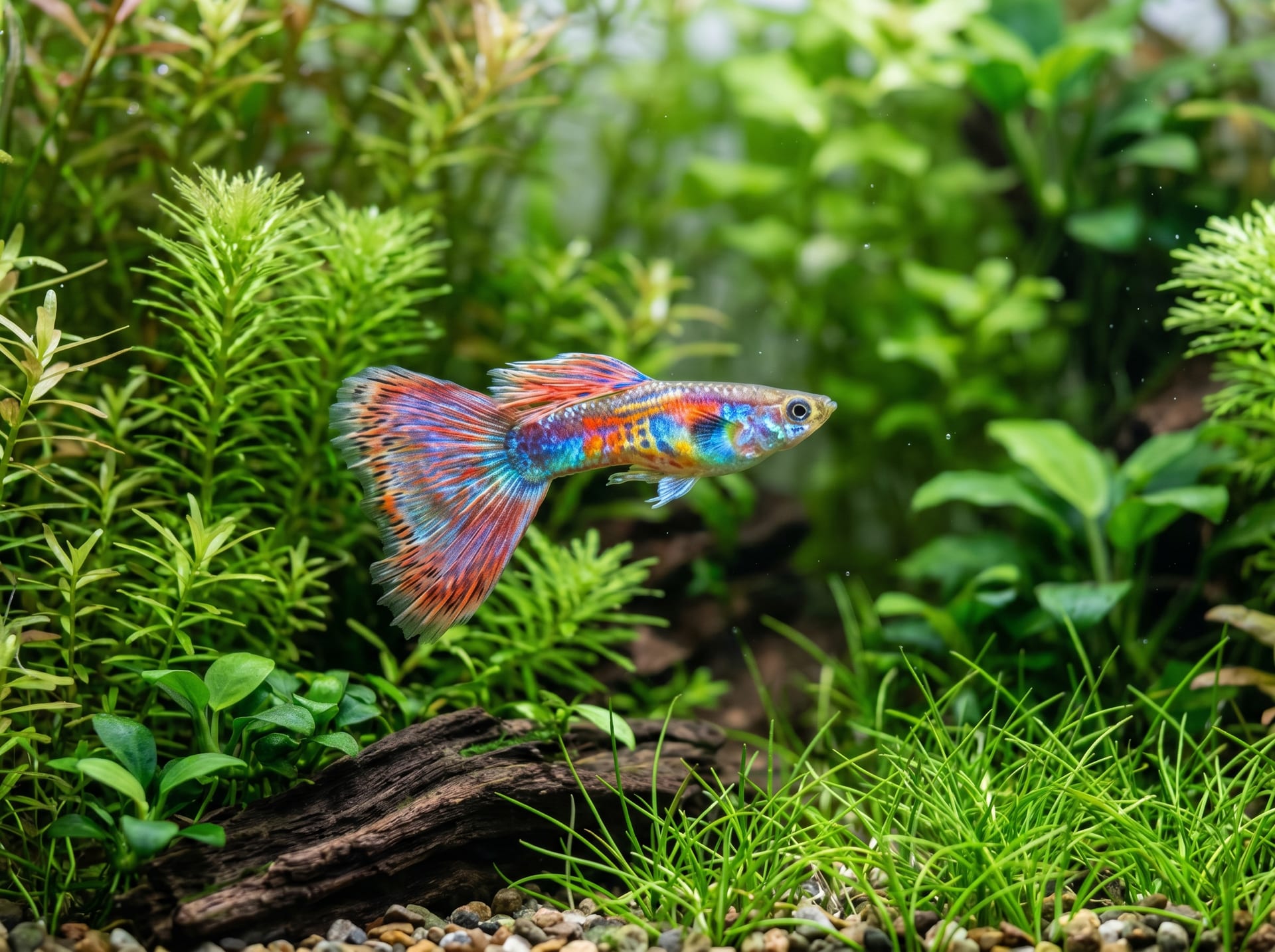
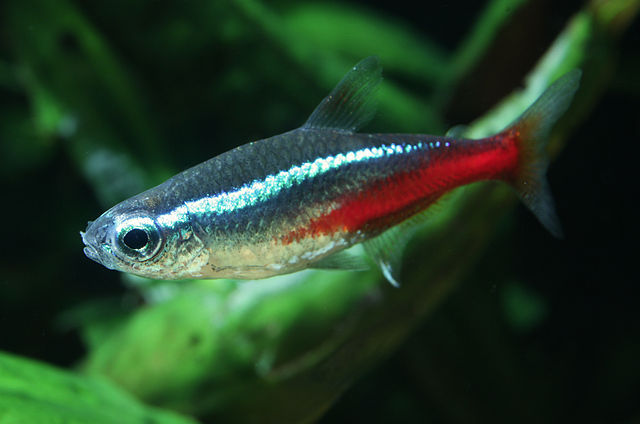
One of the most recognizable stress signs is fading color. You might notice the blue lines on neon tetras becoming fainter, the color of a guppy's tail losing vibrancy, or the deep reds and blues of bettas becoming dull.
Possible Causes
Lighting is too intense or on for too long
Water quality has deteriorated (ammonia and nitrite levels rising)
Intimidation or attacks from other fish
Sudden temperature fluctuations
Countermeasures
Start by testing water quality (ammonia, nitrite, nitrate, and pH) to rule out problems. If water quality is fine, limit lighting to 6–8 hours per day and ensure there are sufficient hiding places (driftwood, aquatic plants, tubes, etc.) in the tank.
Body Color Darkens
Some fish darken when stressed, especially cichlids and bettas. This is called "stress coloration" and is often seen in fish that have lost territorial disputes or are still acclimating to a new environment.
Possible Causes
Subordinate position in territorial hierarchy
Poor adaptation to new environment (immediately after purchase, after layout changes)
Overcrowding
Countermeasures
If the fish was just purchased, observe for 2–3 days. It will typically recover naturally as it acclimates. If another fish is constantly chasing it, change the layout to reset territories or isolate the aggressive individual.
White Mucus Layer on Body Surface
During stress or poor water quality, fish may secrete excess mucus from their body surface. The entire body appears slightly whitish, as if covered by a membrane.
Possible Causes
Sudden water parameter changes (abrupt pH or temperature swings)
Contamination from chemicals or soaps
Residual chlorine (chloramines from tap water)
Early-stage parasitic infection
Countermeasures
Double-check your dechlorination method during water changes and match the new water's temperature and pH to the existing tank water before adding it. Also verify that soap or hand creams aren't being introduced to the tank. If symptoms persist, consider parasitic infection and begin treatment.
Reading Stress from Abnormal Behavior
Fish Hiding Motionlessly in Corners or at the Bottom
When normally active fish retreat to tank corners, behind filters, or under driftwood and remain stationary, it signals severe stress or illness.
Possible Causes
Water quality deterioration
Temperature abnormality (too high or too low)
Bullying by other fish
Early disease symptoms (ich, aeromonas infection, etc.)
Countermeasures
First check the thermometer reading and verify the heater is functioning. Next, test water parameters. If all is normal, carefully examine the body for abnormalities (white spots, fin congestion, abdominal swelling, etc.). If only one fish is hiding, bullying is likely—identify the aggressor and consider isolation.
Gasping at the Water Surface (Gulping)
The "gulping" behavior where fish open and close their mouths at the surface is a classic sign of oxygen depletion. If multiple fish are doing this simultaneously, dissolved oxygen is critically low.
Possible Causes
Insufficient aeration
Reduced dissolved oxygen from elevated water temperature (common in summer)
Overcrowding increasing oxygen demand
Filter clogging reducing water flow
Countermeasures
Immediately add or increase aeration. If no air pump is available, as a temporary measure gently stir the water surface to allow air intake. In hot summer months, use a fan or cooler to lower the temperature. Check whether filter flow has decreased and clean if necessary.
Fish Rubbing Body Against Tank Walls and Substrate
This behavior, called "flashing," often occurs when parasites have attached to the body surface. The fish rubs itself against rocks, driftwood, or substrate to dislodge the parasites.
Possible Causes
Early-stage ich
Bell ornament parasites (Epistylis)
Monogenean (gill and body) infections
Sudden water parameter changes (chlorine or ammonia irritation of mucus membranes)
Countermeasures
Carefully examine the body surface for white dots or cloudy deposits. For ich, raise temperature to 28–30°C and begin medication baths using methylene blue or malachite green. If water quality is the cause, perform a 1/3 water change and monitor.
Swimming in Circles
Repeatedly circling in one spot may indicate nervous system abnormality.
Possible Causes
Ammonia poisoning causing neurological damage
Inner ear infection (loss of balance)
Congenital abnormality
Pesticide or heavy metal contamination
Countermeasures
Test water for ammonia levels. If 0.25 ppm or above, perform an immediate 50% water change. If only one fish shows symptoms, it likely has an infection or congenital issue—isolate it for observation.
Clamped Fins
When normally extended fins are held tightly against the body, this state is called "clamping" and signals overall distress or stress.
Possible Causes
Water quality deterioration
Low temperature
Early bacterial infection
Parasitic infection
Countermeasures
Clamping is a common sign with many possible causes, so check water quality and temperature first and correct any issues. Combine this sign with others (color changes, white spots, loss of appetite) to narrow down the cause.
Reading Stress from Appetite and Digestion Changes
Loss of Appetite (Refusing Food)
When fish don't approach at feeding time, spit food out immediately, or show reduced appetite, something is wrong.
Possible Causes
Water quality deterioration
Poor adaptation to new environment (fish may not eat for 1–3 days after purchase)
Water temperature too low (reducing metabolism and appetite)
Mouth or digestive illness
Incompatible food (type or size)
Other fish stealing food before they can eat it
Countermeasures
For newly purchased fish, observe for 2–3 days. If the fish still refuses food afterward, test water quality and check temperature, then try different food types. High-palatability foods like frozen bloodworms or brine shrimp may trigger a feeding response.
White Stringy Feces
Healthy fish produce dark brown to blackish feces of reasonable thickness. Persistent white, thin, thread-like feces indicate digestive system problems.
Possible Causes
Internal parasites (roundworms, hexamitids, etc.)
Indigestion
Bacterial enteritis
Stress-induced digestive dysfunction
Countermeasures
If white feces persist for several days, suspect internal parasites and consider treatment with praziquantel or metronidazole-based medications. If it's a one-time occurrence, stress or indigestion is likely—fast for 1–2 days and observe.
Reading Stress from Respiratory Changes
Rapid Gill Movement (Hyperventilation)
Normally, fish move their gills in a calm, steady rhythm. Under oxygen stress or general distress, gill movement becomes noticeably faster.
Possible Causes
Dissolved oxygen depletion
Ammonia or nitrite poisoning (gill damage)
Parasites attached to gills
Elevated water temperature
Countermeasures
Prioritize strengthening aeration and testing water quality. If ammonia or nitrite is detected, perform an immediate water change. If only one gill opens and remains open, suspect parasites or gill disease and consider isolation with medication bath.
Only One Gill Moving
Asymmetrical gill movement may indicate an issue with one gill.
Possible Causes
Gill cover damage (physical injury from fighting or collision)
Gill disease (Columnaris bacteria, etc.)
Gill fluke parasites
Countermeasures
Carefully observe the gill cover for inflammation, swelling, or discoloration. If found, isolate the fish and begin medication bath with an antibiotic like Green F Gold.
Main Causes of Stress and Prevention Strategies
Water Quality Management
Water quality deterioration is the #1 cause of stress. The fundamental rule is to perform a 1/3 water change weekly to keep ammonia and nitrite at zero.
Keep test kits on hand and measure water quality at least once weekly
Clean the filter about once monthly (rinse in tank water to preserve beneficial bacteria)
Avoid overcrowding (as a general rule for small fish, aim for no more than 1 fish per liter of water)
Temperature Stability
Most tropical fish prefer temperatures between 24–28°C. Temperature fluctuations exceeding 2°C within a day cause stress.
Use reliable heaters and thermostats
In summer, maintain water below 30°C using fans or coolers
When changing water, adjust the new water to match the tank temperature before adding
Hiding Places
In nature, fish constantly need places to hide from predators. A tank without hiding places is a stress factory.
Place driftwood, rocks, and tubes
Create visual barriers with dense aquatic plants
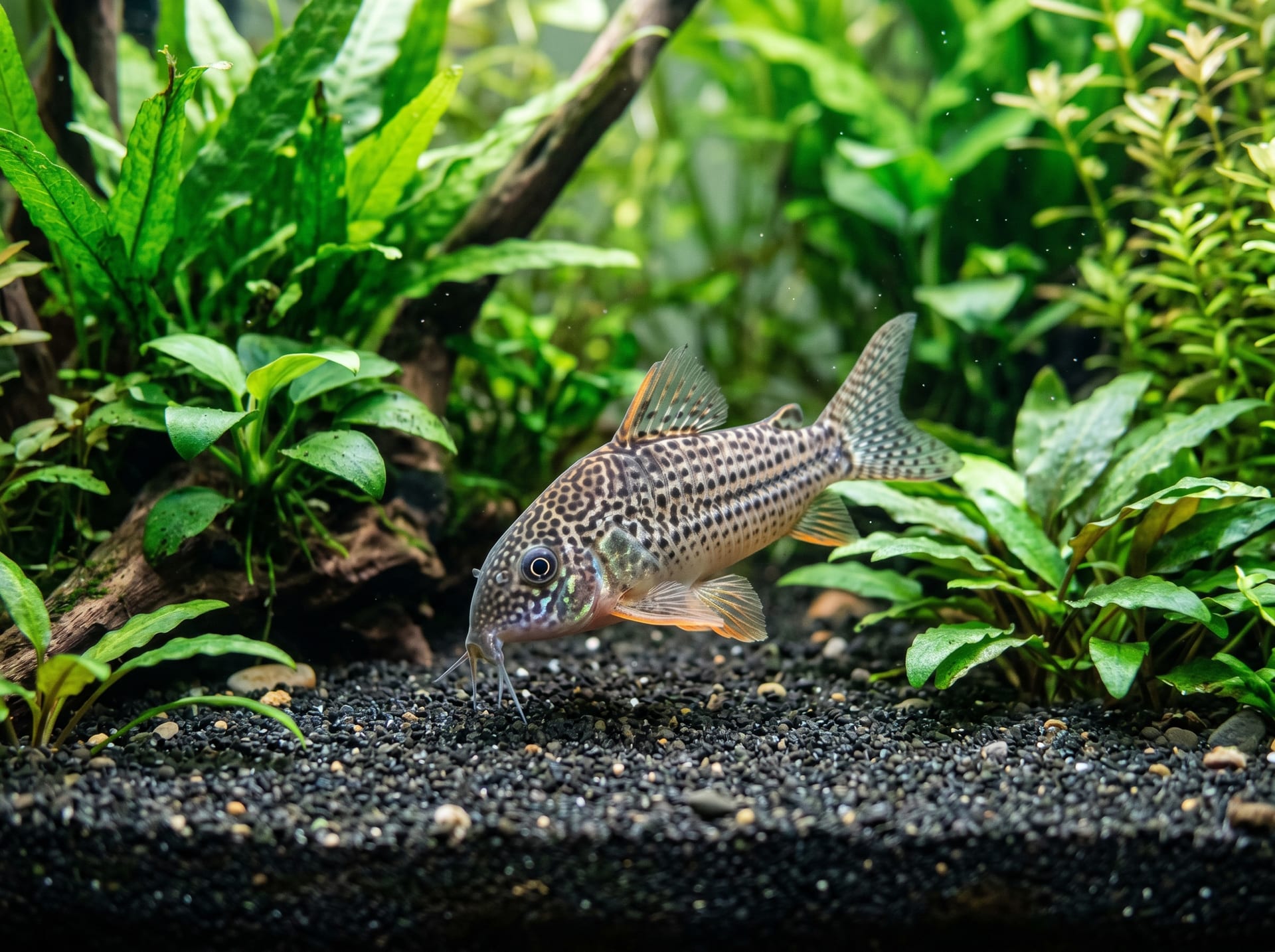
Timid species (corydoras, dwarf cichlids) especially need ample cover
Appropriate Tank Mates
Incompatible fish combinations are a source of chronic stress.
Don't mix aggressive and peaceful species
Avoid pairings with large size differences
Territorial fish need sufficient space
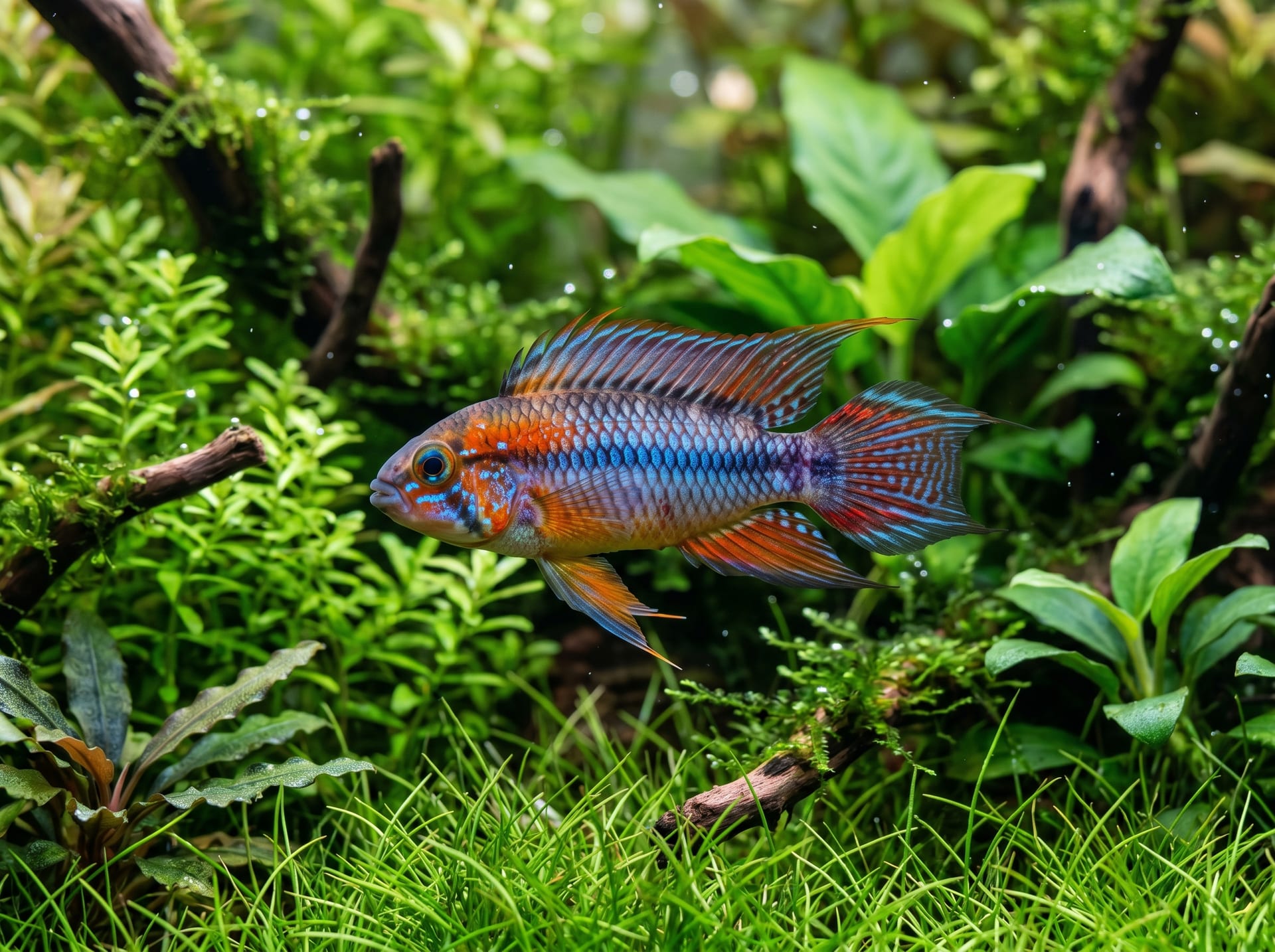
Watch for same-sex male conflict (bettas, apistos, etc.)
Introducing New Fish
Adding a newly purchased fish directly to the tank is one of the biggest stress triggers. Always acclimate the fish (temperature matching plus drip method).
Float the bag in the tank for 20–30 minutes to equalize temperature
Then use the drip method for 30 minutes to 1 hour to acclimate water parameters
Dim lighting on the first day and keep the environment quiet
If possible, quarantine for 1–2 weeks in a separate tank
Response Flow When You Spot Stress Signs
Follow this sequence when you notice something is wrong with your fish.
1. Observe
Record which fish, when symptoms started, and what symptoms are present. Note whether it's one fish or multiple—this is a crucial clue.
2. Test Water Quality
Measure ammonia, nitrite, nitrate, and pH. Water quality is the culprit in most cases.
3. Check Temperature
Verify the heater is functioning and water temperature is in the appropriate range.
4. Perform a Water Change if Needed
If water quality is problematic, do a 1/3 water change. Avoid sudden large water changes, as they create additional stress.
5. Identify and Address the Cause
If water quality and temperature are fine, check tank mate relationships, lighting conditions, filter status, and other factors in sequence.
6. Isolate if Severe
If clear disease signs are present, isolate the fish in a treatment tank to prevent transmission and begin appropriate medication bath.
Conclusion
Stress signs in tropical fish manifest as changes in body color, behavior, appetite, and respiration. Catching these signs through daily observation is fundamental to keeping your fish healthy and long-lived. Spending just 10–15 seconds during feeding to ask "is anything different from usual?" leads to early detection.
Most stress is preventable through basic husbandry: water quality management, temperature stability, appropriate stocking density, and sufficient hiding places. Rather than treating problems after they arise, creating an environment where stress never develops in the first place is the shortcut to long-term aquarium success.