Beginner's Guide to Keeping Arowanas | Complete Explanation of Required Equipment, Water Quality, and Feeding
Explanation of large aquariums, filters, and temperature management essential for raising prehistoric arowanas. Introduction for beginners covering differences between silver arowanas and Asian arowanas, feeding methods, and care precautions.
Key Takeaways
Explanation of large aquariums, filters, and temperature management essential for raising prehistoric arowanas. Introduction for beginners covering differences between silver arowanas and Asian arowanas, feeding methods, and care precautions.
Related Species
Arowana Types and Characteristics
Arowanas captivate tropical fish enthusiasts with their overwhelming presence and mysterious beauty as ancient fish. Also called "dragon fish," they are considered auspicious in feng shui and enjoy worldwide popularity, especially throughout Asia. However, arowana care requires large-scale equipment and specialized knowledge. Let's first understand the main species available.
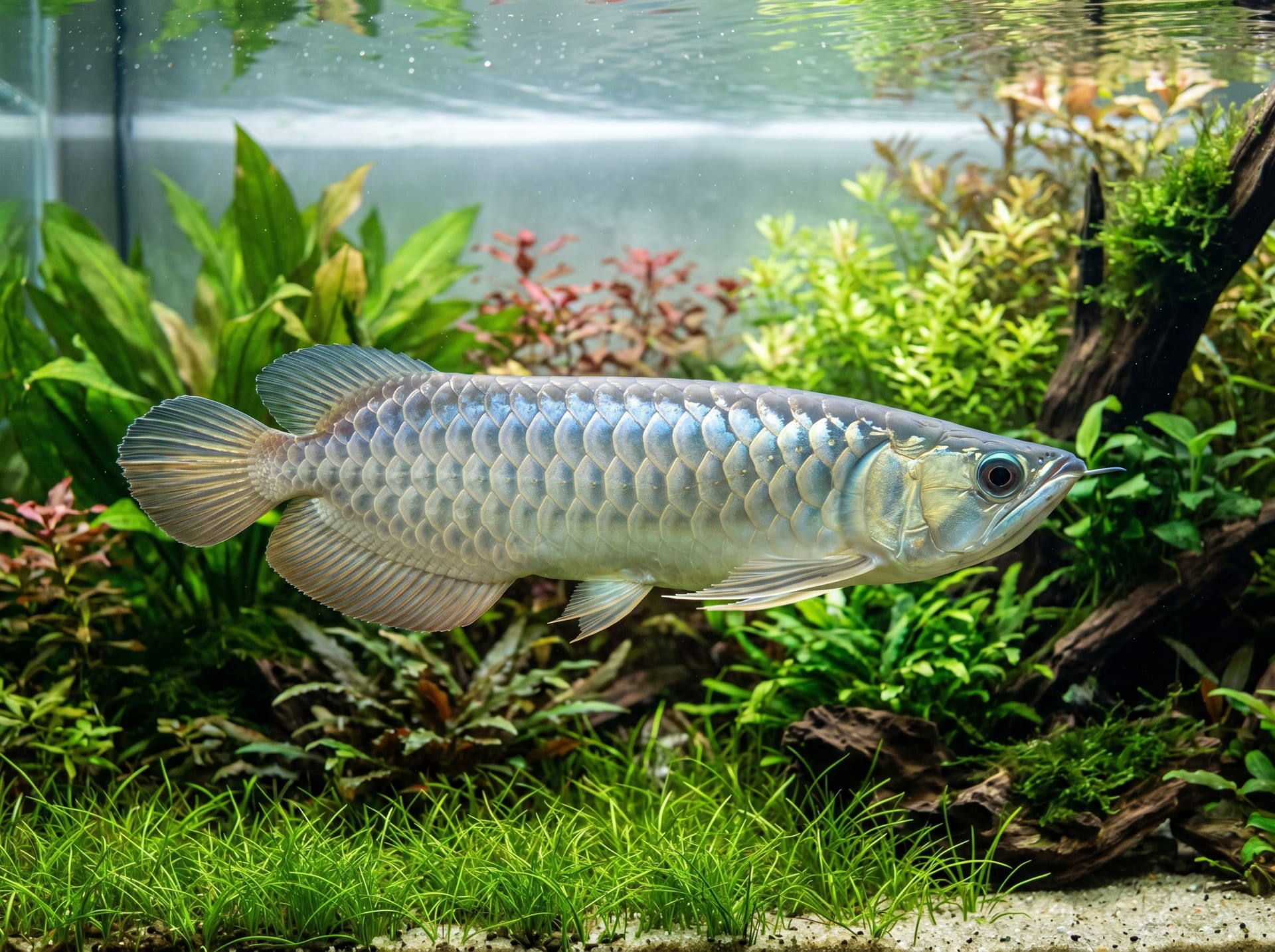
Silver Arowana (Osteoglossum bicirrhosum) Native to South American Amazon. The most widely available and easiest to obtain species. Adult fish reach 60–90 cm in body length, eventually requiring a large aquarium, but the price is relatively affordable, making this species popular among first-time arowana keepers. The charm lies in silvery scales that gleam white-silver and their graceful swimming near the water surface.
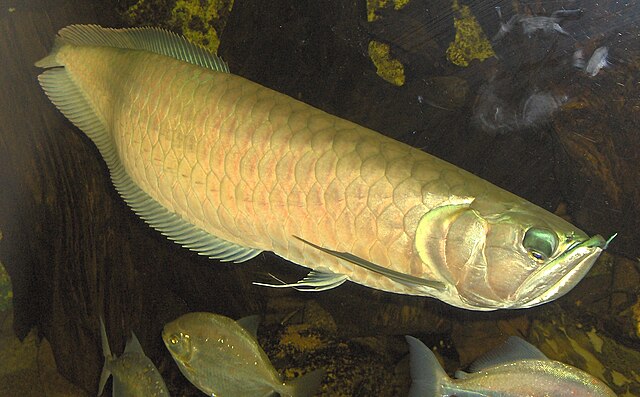
Asian Arowana (Scleropages formosus) Native to Southeast Asia. Available in diverse color variations including gold, super red, ruby, and green. High-quality specimens, particularly gold arowanas and premium super reds, can exceed one million yen. Listed in CITES Appendix I, import and keeping require official CITES documentation. Purchasing or selling specimens without proper certification is illegal—always obtain certified, legitimate individuals with complete paperwork.
Black Arowana (Osteoglossum ferreirai) South American species in the same genus as silver arowanas. Juveniles display striking black-and-yellow contrast that transforms to silver as they mature. Many collectors enjoy observing this color transformation.
Australian Arowana (Scleropages jardinii) Popular among enthusiasts for distinctive patterning and body shape. Tends to have a more aggressive temperament than Asian arowanas, requiring special caution when housing with tank mates.
Equipment Requirements for Care
Tank Size Tank selection is the most critical factor in arowana care. Juveniles (approximately 15–25 cm) can start in 90 cm tanks, but they grow extremely rapidly, eventually requiring tank length at least double their body length. As a guideline, a 60 cm adult requires a minimum of 150 cm, ideally 180 cm or larger. Ensuring depth of at least half the body length reduces turning-related stress in the water.
Filter System Arowanas have high metabolic rates and heavy bioloads, making powerful filtration essential. Combining upper-level and external filters is standard practice. Aim for filtration capacity of at least 3–5 times the total tank volume per hour. Larger tanks benefit from running two external filters in parallel. Combine physical, biological, and chemical filtration media, and maintain regular cleaning routines.
Heater and Lighting Use a thermostat-equipped heater for temperature control. Large tanks may require higher wattage to maintain proper heating. LED lighting that enhances arowana coloration is popular, but excessive lighting duration promotes algae growth—aim for 8–10 hours daily.
Tank Cover Arowanas have exceptional jumping ability and can escape through the smallest gaps. Install a sturdy cover on the tank top and keep it closed except during feeding. Jumping-related injuries are fatal, so this point is non-negotiable.
Basic Water Quality Management
Maintaining stable water parameters is essential for arowana health:
| Parameter | Target Value |
|---|---|
| Temperature | 26–28°C |
| pH | 6.5–7.5 (varies by species) |
| Ammonia (NH₃) | Undetectable |
| Nitrite (NO₂) | Undetectable |
| Nitrate (NO₃) | 40 ppm or below |
| Hardness | Soft to moderately hard water (GH 4–10) |
Perform 1–2 water changes weekly at 20–30% of total volume. Large single water changes risk sudden parameter swings; small, consistent changes are safer. Before adding new water, verify temperature, pH, and proper dechlorination. Keep a test kit on hand and measure parameters weekly.
Feeding: Food Selection and Methods
Arowanas are carnivorous, naturally feeding on insects, small fish, and frogs near the water surface. In captivity, the following foods are standard:
Live and Frozen Foods Crickets, grasshoppers, cockroaches, small fish like goldfish and killifish, shrimp, and mealworms/superworms are commonly fed. Live food yields excellent feeding response and high nutritional value, but carries risks of parasites and pathogens—source from trusted suppliers.
Transitioning to Prepared Feeds Individuals accustomed to live food often refuse prepared pellets, but acclimation greatly simplifies management. Effective transition involves mixing small quantities of large pellets with live food, gradually increasing pellet proportion. Attempting during hunger periods improves success.
Feeding Frequency and Quantity Juveniles need 2–3 feeds daily; adults require once daily. Feed only quantities consumed within 5–10 minutes and remove uneaten food immediately to prevent water quality degradation. Overfeeding causes obesity, digestive upset, and water quality decline.
Health Management and Common Diseases
Common arowana diseases include eye-drop (dropeye, where the eyeball droops), white spot disease, and Aeromonas infection.
Preventing Eye-Drop Eye-drop occurs especially in Asian arowanas, attributed to tracking external movement. Applying a background screen to tank rear and sides effectively blocks external stimuli.
White Spot Disease and Bacterial Infection White spot disease develops readily after import or following water parameter changes. Raise temperature to 28–30°C and treat with appropriate medication. Aeromonas-related ulcers and scale inflammation require early detection and medication baths. Always quarantine new individuals for several weeks before introducing to the main tank.
Purchase Tips and Long-Term Care
When purchasing arowanas, select individuals with clear eyes, intact scales, normal swimming behavior, and good appetite. Always verify CITES certification for Asian arowanas.
Sourcing from reputable breeders or specialty stores provides better access to health history and lineage information. With proper care, arowanas live 20–30+ years, making them long-lived companions. Investing in proper equipment and daily maintenance yields a truly unique partner with commanding presence for years to come.