Tropical Fish Purchasing Guide | How Beginners Can Welcome Them Without Failure
Explaining key points for purchasing tropical fish for beginners. Introduces how to identify healthy individuals, beginner-friendly species, acclimation methods, and the benefits of buying from breeders.
Key Takeaways
Explaining key points for purchasing tropical fish for beginners. Introduces how to identify healthy individuals, beginner-friendly species, acclimation methods, and the benefits of buying from breeders.
Related Species
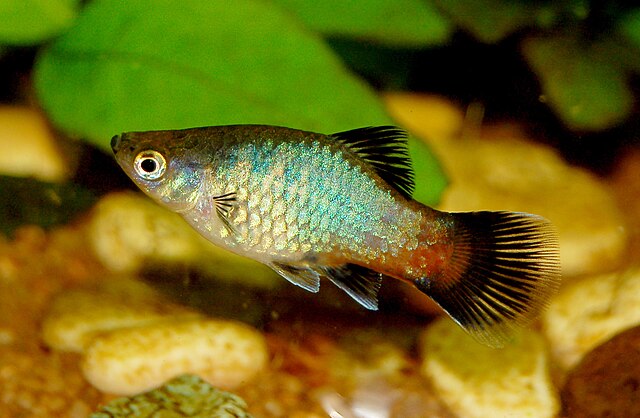
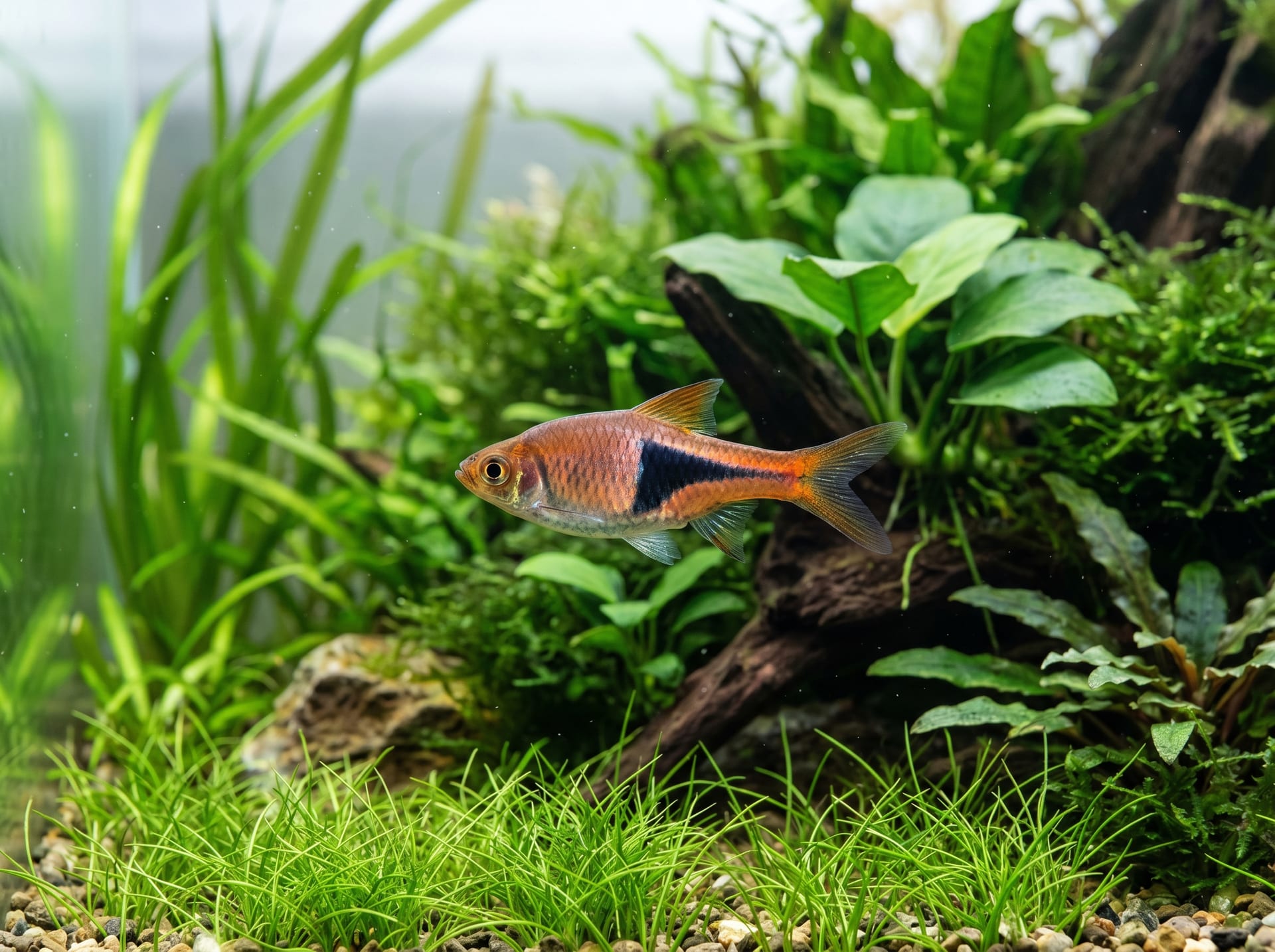
Tropical fish are captivating pets with vibrant colors and diverse varieties. However, if you encounter failure on your first introduction, you may end up disliking fish-keeping altogether. This guide explains practical methods for beginners to purchase and welcome tropical fish with confidence.
Preparation Before Purchase: Set Up Tank Environment First
Setting up your tank environment before purchasing tropical fish is the first step toward success.
- Tank Cycling: Turn on the filter 2-4 weeks before introducing fish to establish beneficial bacteria
- Water Quality Check: Purchase only after ammonia and nitrite levels reach zero
- Essential Equipment Preparation: Heater, filter, air pump, lighting, thermometer
- Aquatic Plant Setup: Effective for oxygen supply and shelter. Allow at least a week after planting for the tank to stabilize
How to Identify Healthy Individuals
The health condition of the individual you purchase directly impacts the success of future care. Check the following points carefully.
- Swimming Actively: Avoid individuals hiding in corners or gasping at the water surface
- Clean Body Surface: Check for white spots, cotton-like growths, redness, or raised scales
- Fins Fully Spread: Fish with folded fins show signs of stress or illness
- Plump Body Shape: Thin individuals may not have eaten for an extended period
- Swimming with Other Fish: In schooling species, isolated individuals may be in poor health
For online purchases, it's best to ask the breeder directly about the fish's condition rather than relying solely on photos.
5 Beginner-Friendly Species
Choosing hardy and easy-to-care-for species is a shortcut to success in tropical fish-keeping for beginners.
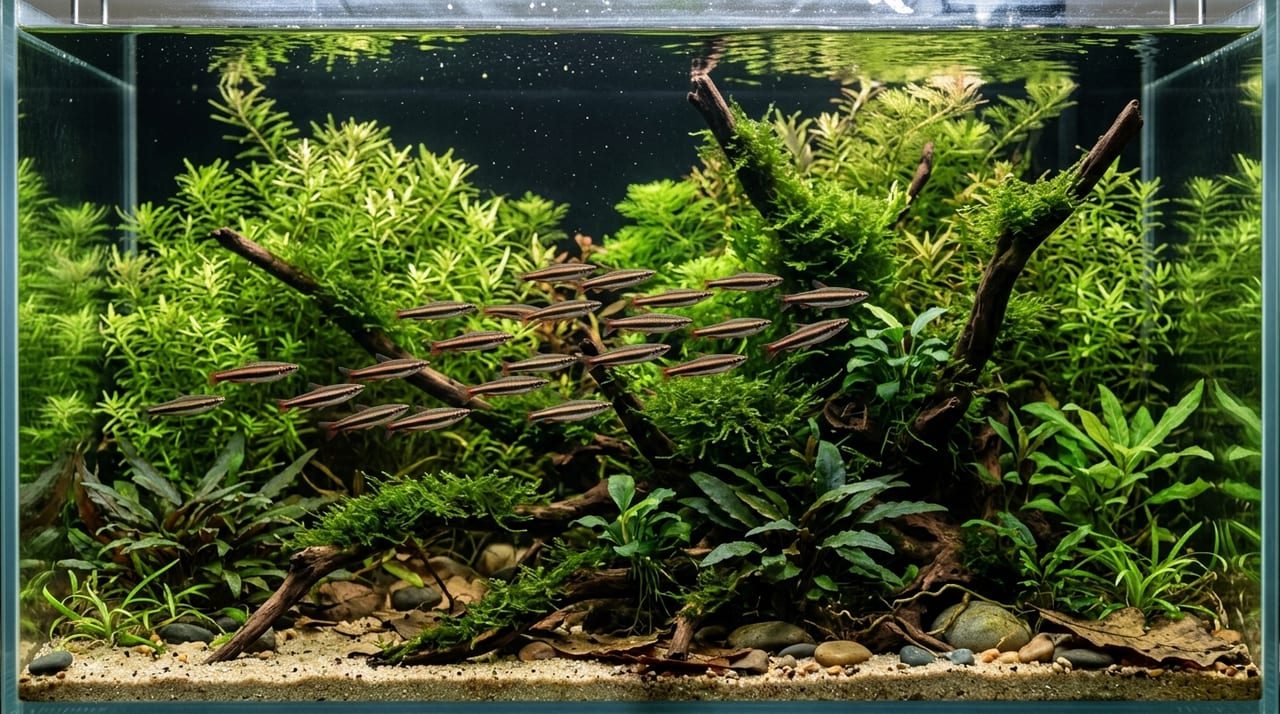
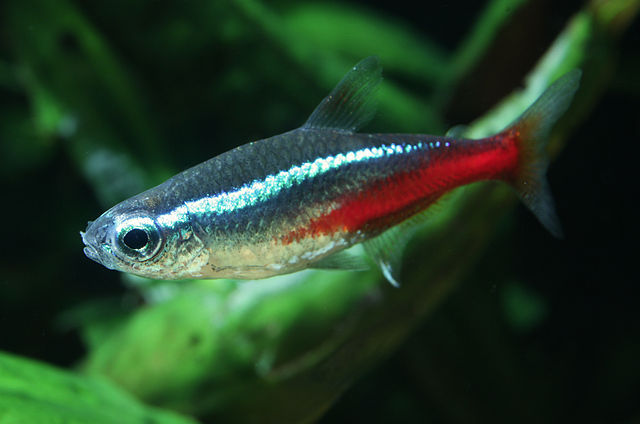
- Neon Tetra: Highly adaptable to water conditions with beautiful schooling behavior. Recommended to purchase 10 or more together
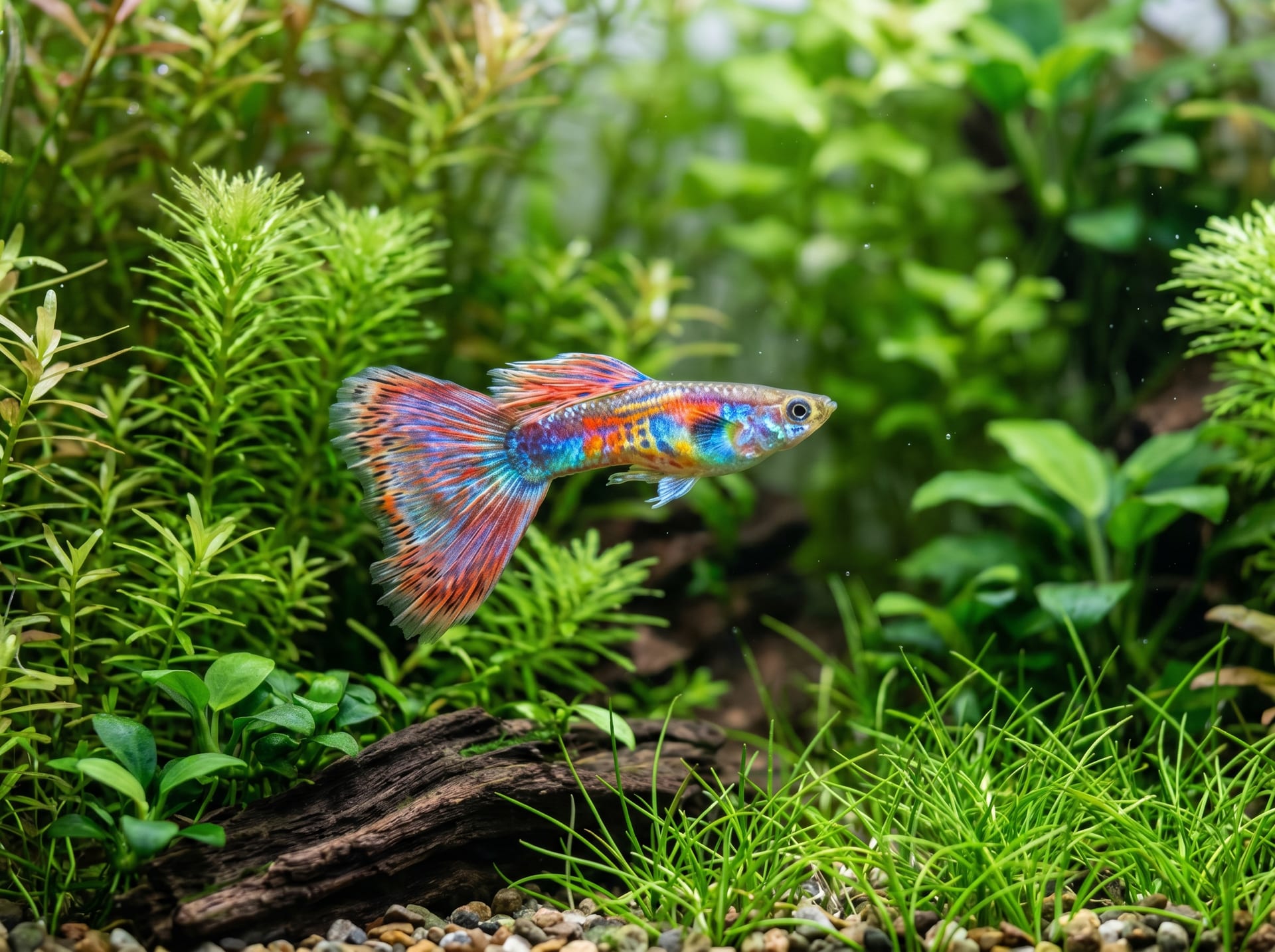
- Guppy: Available in many color variations and breeding is enjoyable. Japanese-bred individuals are particularly hardy
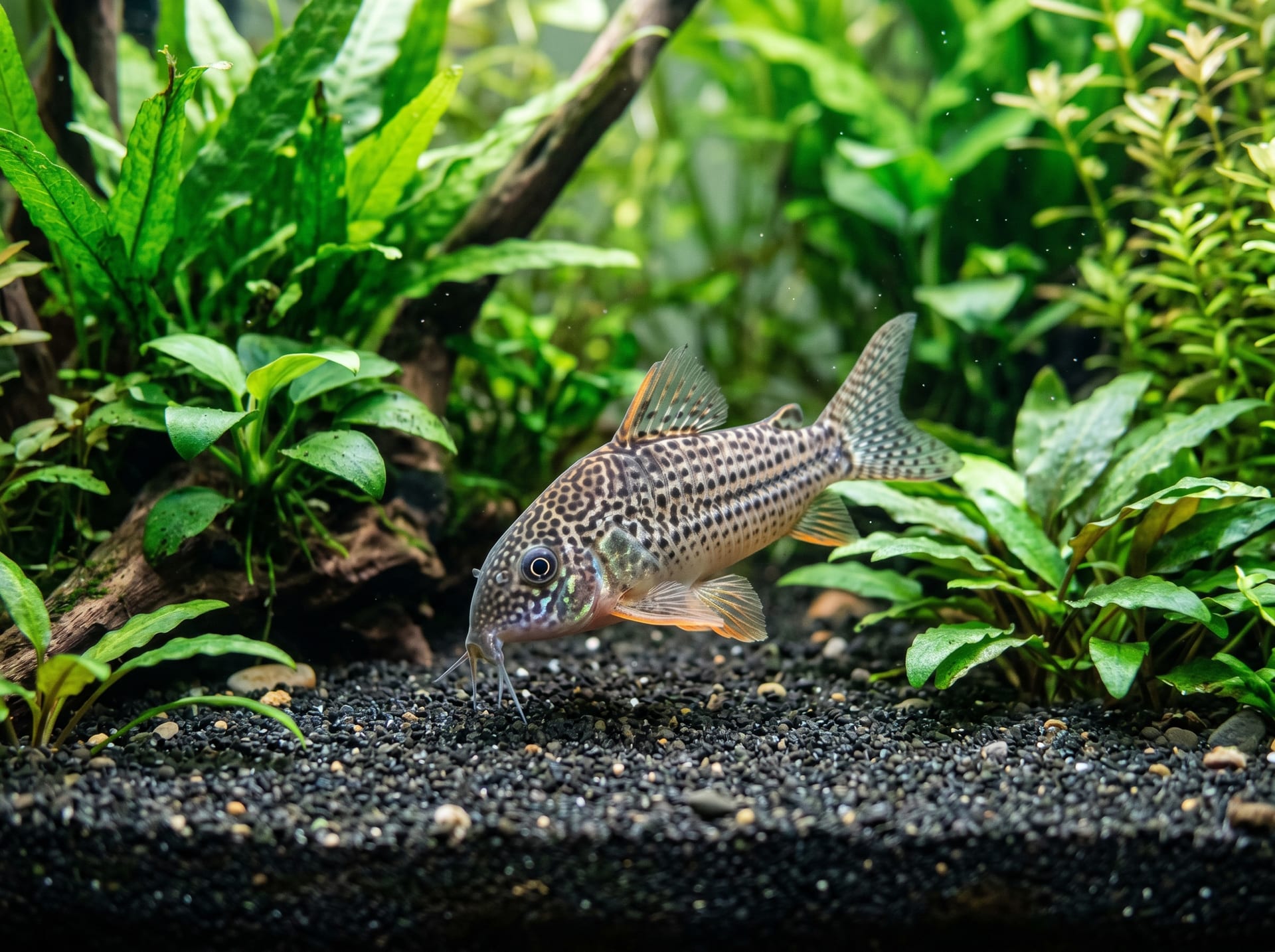
- Corydoras Paleatus (Blue Corydoras): A peaceful species that also helps clean the substrate. Resistant to low temperatures
- Platy: Docile and good eaters. Many beautifully colored varieties available
- Red Rasbora (Harlequin Rasbora): Beautiful warm orange coloring, suitable for community tanks. Relatively tolerant of water quality changes
All of these species are resistant to water parameter fluctuations and typically recover quickly from transport stress.
How to Acclimate
Tropical fish are sensitive to sudden changes in temperature and water chemistry, making careful acclimation crucial.
- Temperature Acclimation: Float the bag in the tank for 20-30 minutes to equalize temperature
- Open the Bag: Transfer the bag's water into a plastic container
- Drip Acclimation: Using an air tube and valve, drip water from your tank at a rate of 2-3 drops per second
- Continue Until Water Volume is 2-3 Times Original: Aim for approximately 30 minutes to 1 hour
- Transfer Fish to Tank: Use a net to gently move the fish to the tank. Discard the bag water
Tip: Turn off lighting during acclimation and maintain a quiet environment to minimize stress.
Care After Introduction
The first week after introducing fish to the tank is the most critical period.
- Don't Feed on the First Day: Transport stress reduces digestive function. Start with small amounts the next day
- Keep Lighting Dim: For the first 2-3 days, reduce lighting duration to help fish adjust to their environment
- Test Water Daily: Carefully monitor ammonia and nitrite levels
- Watch for Abnormal Behavior: Observe for signs such as rubbing against objects (flashing), floating at the surface, or color fading
- Perform Small Water Changes: Starting on the 3rd day, perform 1/5 water changes every 2-3 days
If fish survive the first 1-2 weeks, they will adapt to the environment and reach a stable condition.
Benefits of Buying from Breeders
Purchasing directly from breeders rather than shops offers many advantages.
- Know the Rearing Environment: Understand the exact water conditions and food used, making it easier to match your home tank
- Track Individual History: Know when the fish was born and how it was raised, including genetic background
- Get Care Advice: After purchase, you can ask the breeder directly for accurate guidance
- Less Markup: Direct breeder sales mean more reasonable pricing
- Fewer Transport Steps: Direct shipping from breeder results in less stress compared to fish shipped multiple times through wholesalers and shops
Benefits of Purchasing on BreederDirect
BreederDirect is a platform that directly connects tropical fish breeders with buyers. You can check breeder transaction records and reviews before making contact, and use messaging to consult about rearing environments and introduction methods. Payment methods and timing can be arranged in advance, so even first-time online purchases can be made with confidence. Find your ideal tropical fish on BreederDirect today.