Complete Algae Control Guide for Tropical Fish Tanks | Causes, Removal & Prevention by Type
Learn to identify types of tank algae (green algae, brown algae, black beard algae, and more), understand the causes, and apply solutions. This guide also covers how to use algae-eating creatures, manage lighting, and control nutrient levels.
Key Takeaways
Learn to identify types of tank algae (green algae, brown algae, black beard algae, and more), understand the causes, and apply solutions. This guide also covers how to use algae-eating creatures, manage lighting, and control nutrient levels.
Related Species
Identifying algae types and characteristics
The first priority in tank management is to accurately identify which type of algae has appeared. Since each algae type has different causes and treatments, misidentifying the algae can make your efforts counterproductive.
| Type | Characteristics, Causes & Treatment |
|---|---|
| Green Algae | The most common algae type, appearing as a thin green film on glass surfaces. Main causes are excessive lighting and accumulation of nitrates and phosphates. Easy to remove with a scraper, and algae-eating creatures readily consume it. This is a manageable algae type with regular maintenance. |
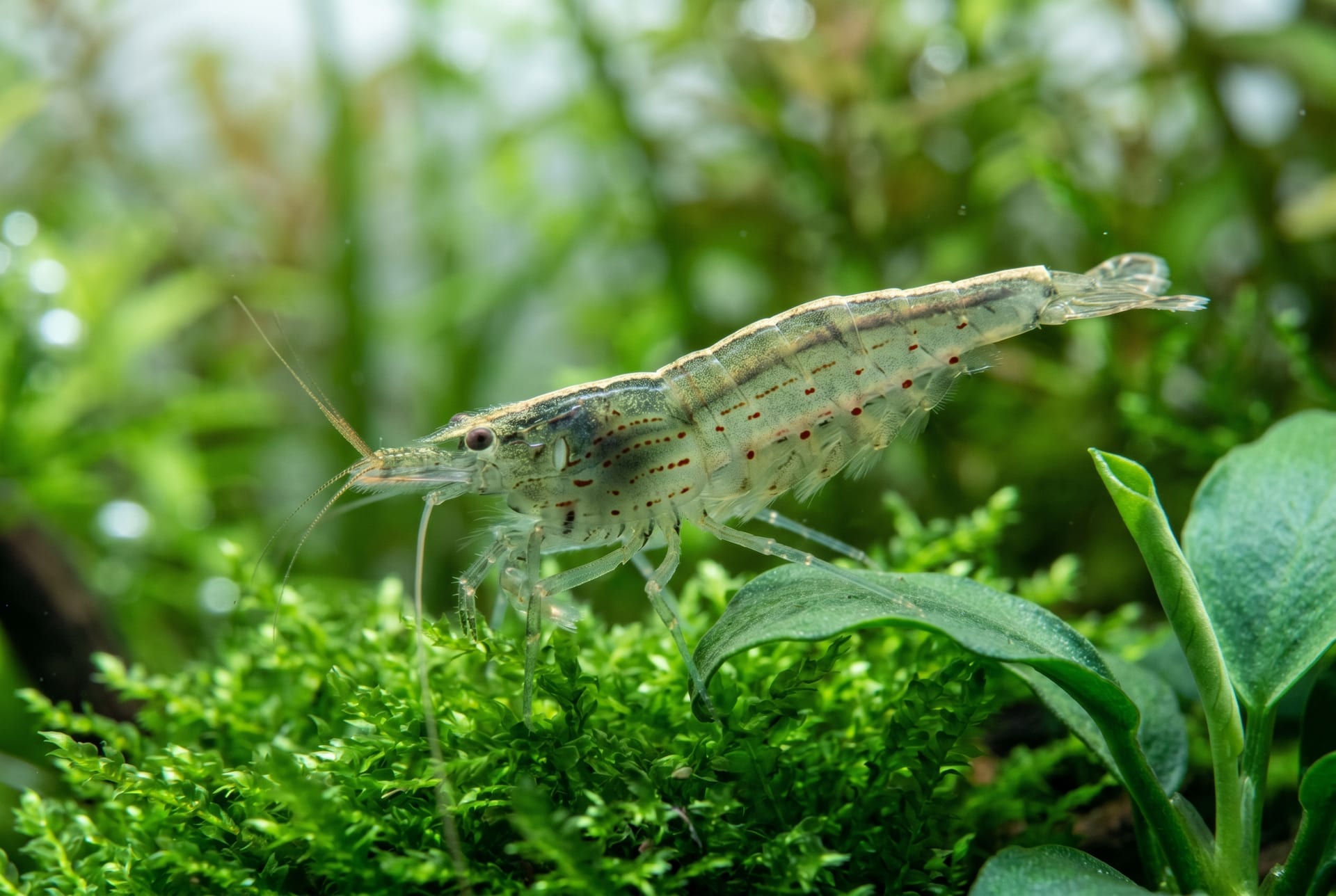
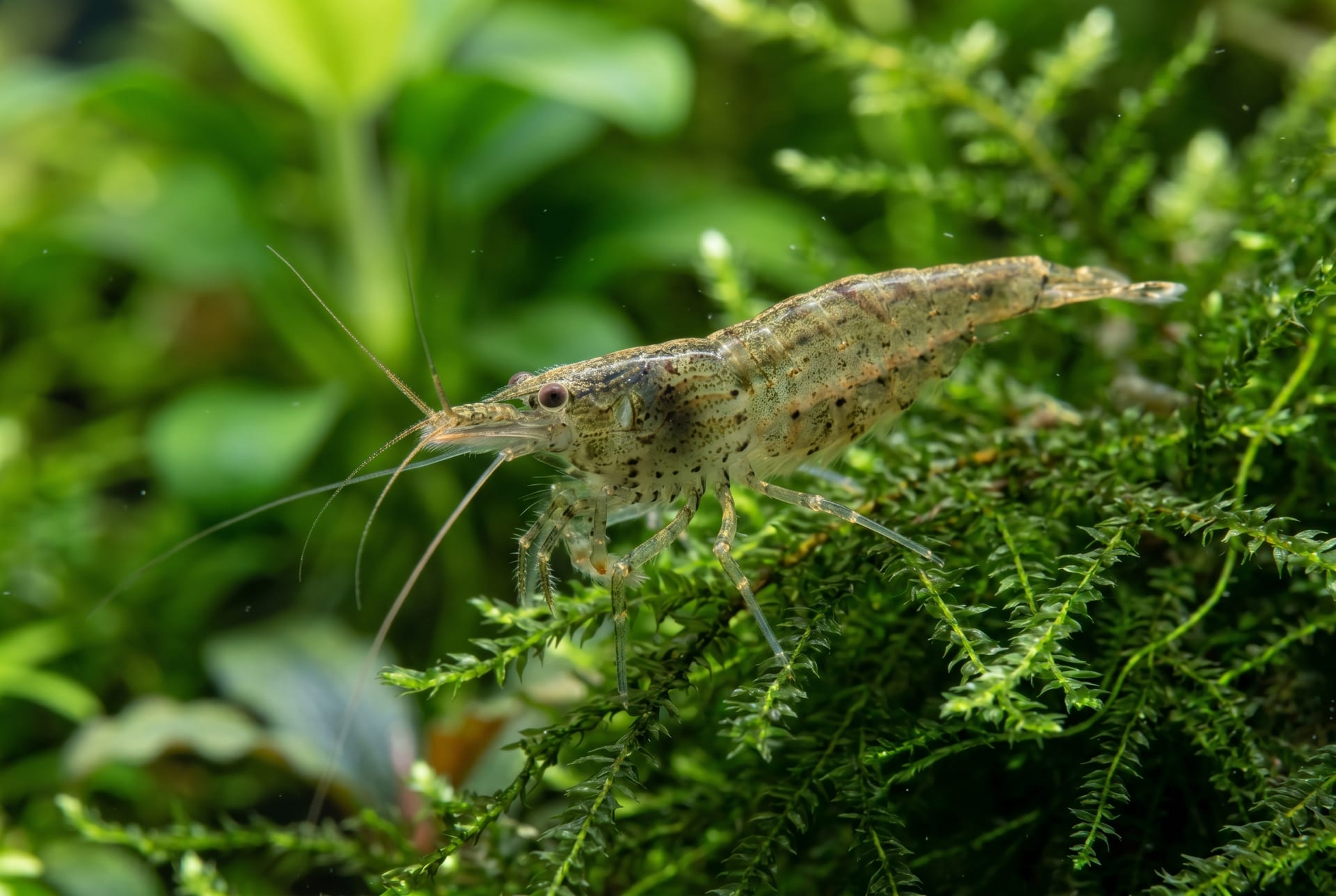
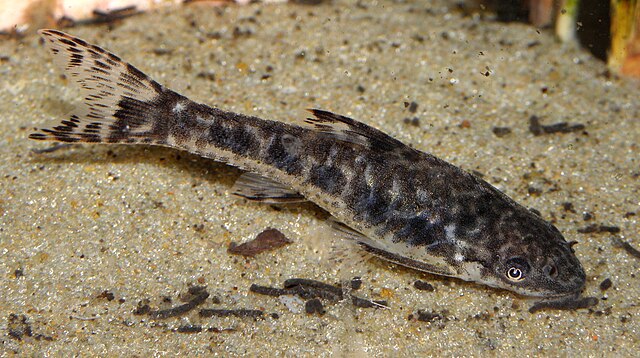
| Brown Algae (Diatoms) | Brown powdery algae that often appears in tanks during the early startup phase. It tends to develop when bacteria have not yet established, during unstable periods, but usually disappears naturally as the tank matures. Otocinclus and Amano Shrimp readily consume it. |
| Black Beard Algae (a type of red algae) | Black to gray fibrous algae that develops in areas with strong water flow, such as near filter outlets and on the edges of driftwood and rocks. Excess phosphate is the main trigger, and once established, it is extremely stubborn. Early detection and early treatment are essential. |
| Filamentous Algae | Green algae that grows like thin threads, and if left unchecked, tangles around aquatic plants and inhibits their growth. Main causes are eutrophication (excess nitrates and phosphates) and long lighting periods. Amano Shrimp readily consume it. |
| Blue-Green Algae (Cyanobacteria) | Blue-green membrane-like algae with a distinctive foul odor. It is not actually algae but a type of bacteria that develops in areas with weak water flow or where organic matter accumulates on the substrate. Treatment differs from other algae types, and antibacterial products may be effective. |
| Spot Algae | Extremely hard algae that appears as dots on glass surfaces. Caused by strong lighting and increased nitrates, it is difficult to remove with plastic scrapers, so metal scrapers or razor blades are used. |
Root causes of algae blooms
Algae have the property of multiplying before aquatic plants when the balance of light, nutrients, and CO₂ is disrupted. Most cases involve multiple underlying causes.
- Excessive lighting duration and intensity: The recommended lighting duration is 8 to 10 hours per day. If it exceeds 10 hours, algae gradually takes over. Using a timer to maintain consistent lighting hours is fundamental. Additionally, lighting that is too strong provides light energy that plants cannot fully utilize, which is then consumed by algae.
- Accumulation of nutrients (nitrates and phosphates): As uneaten food, fish waste, and dead plant leaves decompose, nitrates and phosphates increase. These become nutrient sources for algae. It is important to increase water change frequency or use adsorbents to remove these nutrients.
- Weakened plants due to CO₂ deficiency: Aquatic plants need CO₂ for healthy photosynthesis. When CO₂ is insufficient, plants lose vigor and cannot fully consume nutrients, leaving excess nutrients for algae. Installing a CO₂ injection system is a highly effective fundamental solution.
- Insufficient water changes and overstocking: Neglecting water changes allows nutrients to accumulate continuously. Overstocking relative to tank size causes waste output to exceed processing capacity, triggering explosive algae growth. As a guideline, a 60cm tank should contain approximately 10 to 15 medium-sized fish.
Leveraging algae-eating creatures
Introducing creatures that naturally consume algae is a highly effective strategy for both prevention and management. Choose based on your tank size and livestock composition.
- Amano Shrimp: The most classic algae-eating creature in aquariums. It consumes a wide range of algae from filamentous algae to brown algae with impressive appetite. For a 60cm tank, 5 to 10 individuals are recommended. However, caution is needed in tanks with large or carnivorous fish, as they may be preyed upon.
- Cherry Shrimp: Smaller than Amano Shrimp and easier to breed. Well-suited for removing brown algae and green algae in planted tanks. A benefit is that they can be bred in large numbers to increase algae-eating capacity.
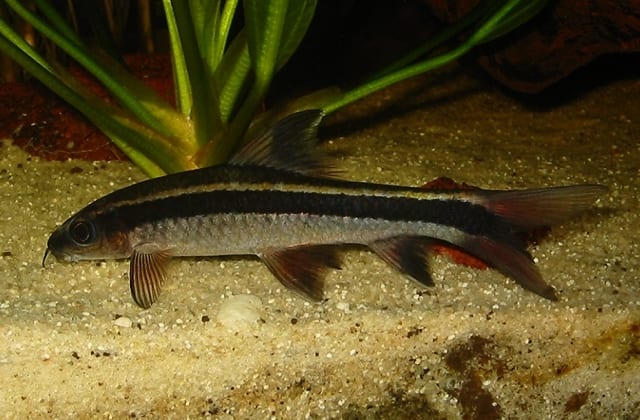
- Otocinclus and Black-striped Otocinclus: Meticulously consume brown algae on glass and plant leaves. Peaceful and harmless to other fish, they are excellent for planted tanks. Introducing multiple individuals is effective.
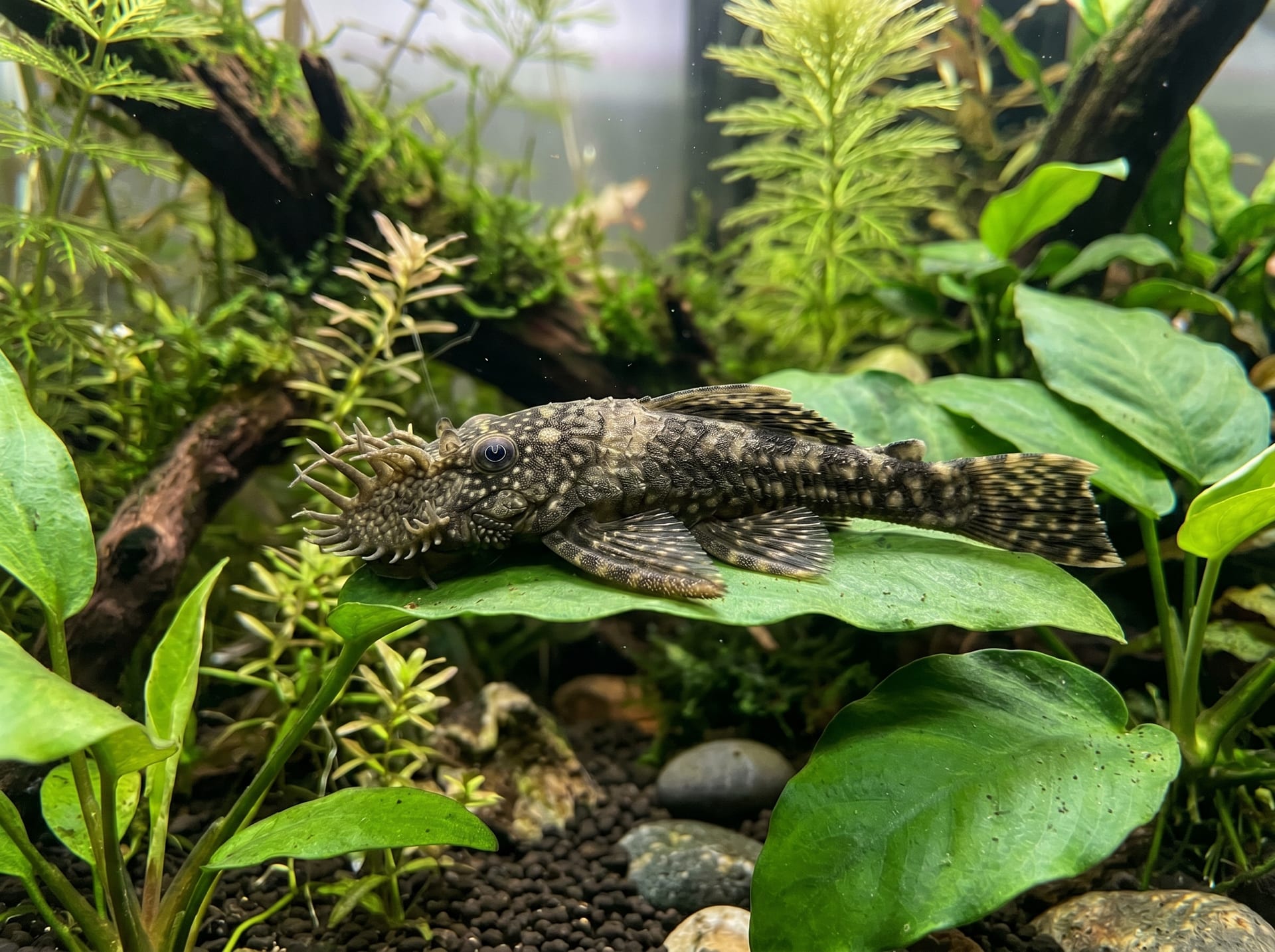
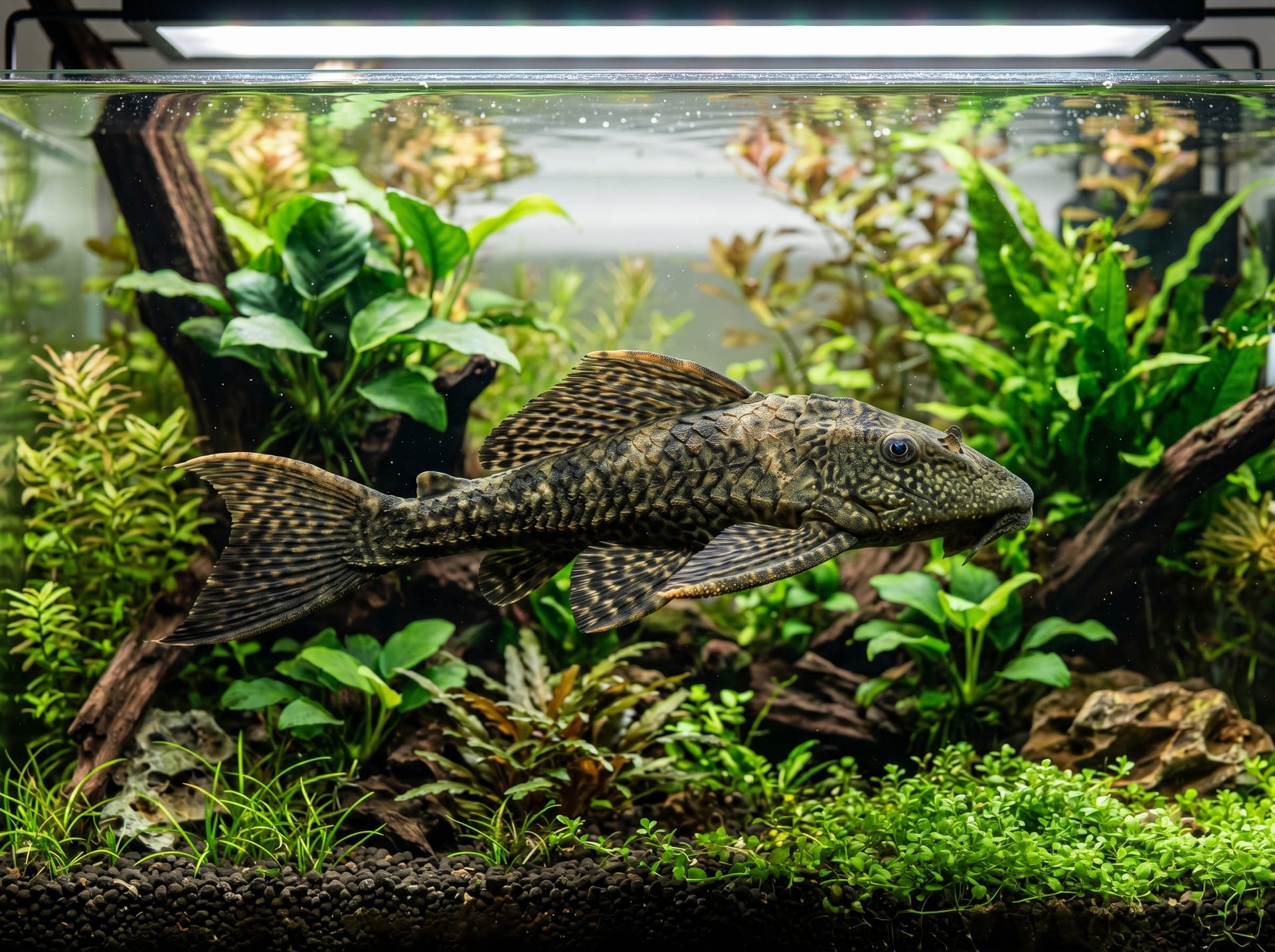
- Bristlenose Pleco: Members of the small pleco family that scrape algae off glass and driftwood. Unlike larger plecos, they are manageable in 30-60cm tanks and can even breed.
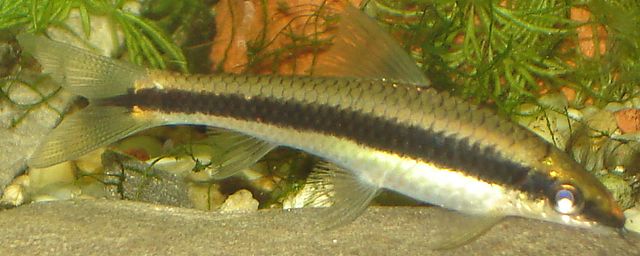
- Siamese Algae Eater: Known as one of the few creatures that eat black beard algae. However, as they mature, they become territorial and may be aggressive toward similar or related species, so 1 to 2 per tank is appropriate.
- Nerite Snail: Snail species that are excellent at removing algae from glass. While they lay eggs, these do not hatch in freshwater, so there is no risk of unintended overpopulation. Easy to introduce even in compact tanks.
Special treatment for black beard algae and blue-green algae
Black beard algae and blue-green algae respond poorly to general algae control methods and require specialized treatment.
- Wood vinegar or white vinegar treatment for black beard algae: Apply wood vinegar or white vinegar directly with a brush to layout materials removed from the tank and leave for 2 to 3 minutes. If the black beard algae turns red, it is a sign of successful treatment. Then rinse thoroughly with water before returning to the tank. If plants are attached, diluting the vinegar or directly applying a small amount of hydrogen peroxide with a syringe is also effective.
- Phosphate management is the fundamental solution: To prevent black beard algae recurrence, reducing phosphate levels is most important. Combine strategies such as adding phosphate adsorbent (such as Lowafos) to the filter, increasing water change frequency to 1 to 2 times per week, and reviewing feeding amounts.
- Erythromycin or wood vinegar for blue-green algae: Since blue-green algae is a type of bacteria, aquarium antibacterials (such as Green F Gold) or wood vinegar are effective. Improving water flow and cleaning the substrate are also key to preventing recurrence by preventing organic matter buildup.
Daily tank management habits to prevent algae
The ultimate goal of algae control is to maintain an environment where algae does not thrive. Incorporate the following habits into your routine tank care.
- Manage lighting with a timer, strictly maintaining 8 to 9 hours of light per day.
- Perform water changes once weekly at approximately 30% of tank volume, and thoroughly clean the filter about once per month.
- Keep feeding amounts to what fish can consume in 2 to 3 minutes, and always remove any uneaten food.
- Plant aquatic plants at appropriate density, as consuming nutrients through photosynthesis directly prevents algae.
Algae in your tank is also "a sign of your tank's condition." By observing which types of algae appear and where, you can quickly identify water quality and environmental issues. While completely eliminating algae is difficult, maintaining beautiful aquascapes for extended periods is entirely possible through appropriate management and combined strategies.