A Beginner's Complete Guide to Starting Tropical Fish Keeping
For beginners wanting to start keeping tropical fish. We explain in detail how to choose necessary equipment such as aquariums, filters, heaters, and lighting, the basics of water preparation, and recommended beginner-friendly species such as Neon Tetras, Guppies, and Corydoras.
Key Takeaways
For beginners wanting to start keeping tropical fish. We explain in detail how to choose necessary equipment such as aquariums, filters, heaters, and lighting, the basics of water preparation, and recommended beginner-friendly species such as Neon Tetras, Guppies, and Corydoras.
Related Species
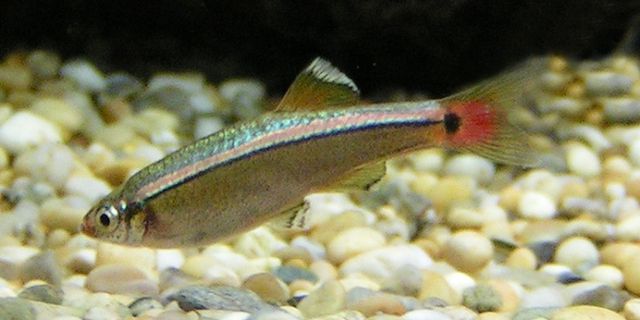
Tropical fish come in a dazzling array of colors, and when combined with aquatic plants, can create a stunning aquarium that looks like a slice of nature—a river or lake captured in glass. Among ornamental fish, they are particularly popular as an entry point into the hobby, and with the right knowledge and careful preparation, even beginners can enjoy them fully. This guide explains all the fundamental knowledge you need to start keeping tropical fish from zero—equipment, setup methods, recommended species, and daily care—in an easy-to-understand way.
Gather the Necessary Equipment
First, prepare the basic equipment that forms the foundation of your aquarium environment. If you want to keep initial costs down, starter kits are convenient, but understanding the role of each piece of equipment will make troubleshooting smoother later.
- Aquarium: A 45–60 cm standard-size aquarium is recommended for beginners. Larger volumes of water tend to maintain stable water quality more easily, while very small tanks experience dramatic swings in temperature and water chemistry, actually making them harder to manage.
- Filter (Filtration Device): An external hang-on filter is easy to handle and beginner-friendly. For 60 cm or larger tanks, or when keeping many fish, choose a more powerful external canister filter.
- Heater: Tropical fish generally prefer water temperatures between 25–28°C. An automatic heater with built-in thermostat is convenient because it requires no adjustment. Selecting the correct wattage for your tank volume is important.
- Lighting: If you're growing aquatic plants, choose LED lighting with appropriate brightness and color temperature. For fish-only setups, standard aquarium LED lighting is fine. Aim for 8–10 hours of light per day.
- Substrate: Aragonite sand or aquatic plant soil is easy to manage and versatile. If you want to seriously grow aquatic plants, nutrient-rich substrates are recommended, but be aware that water chemistry can shift noticeably when first used.
- Dechlorinator: This is essential for neutralizing chlorine and chlorine compounds in tap water. Always follow the recommended dosage.
- Thermometer: Install either a digital or analog thermometer so you can constantly monitor water temperature visually.
- Water Test Kit: By regularly measuring ammonia, nitrite, pH, and nitrate, you can assess the health of your aquarium system.
Setting Up the Aquarium and Water Preparation
Once your equipment is ready, do not add fish immediately. You need to "cycle" the tank—creating a safe water environment where tropical fish can thrive. Skipping this step can cause fish to weaken or, in the worst case, die.
Cycling Steps
- Place the aquarium on a stable surface and rinse the substrate before adding it
- Fill with tap water and add the recommended dose of dechlorinator
- Turn on the filter, heater, and lighting
- Wait 2–4 weeks for beneficial bacteria to establish
Beneficial bacteria break down harmful ammonia from fish waste into nitrite, and then further into the relatively harmless nitrate. If you add fish before these bacteria establish, ammonia and nitrite accumulate and fish suffer poisoning. Use a water test kit to confirm that ammonia and nitrite levels are zero before introducing fish for the first time. Adding bacteria starter cultures can sometimes shorten the cycling period. For detailed water chemistry guidance, see The Basics of Tropical Fish Water Quality and Water Changes. Common beginner mistakes and how to avoid them are covered in 7 Common Mistakes Tropical Fish Beginners Make.
5 Tropical Fish Species Recommended for Beginners
Once your tank is cycled, it's time to choose your fish. Starting with hardy, easy-to-keep species lets you learn the basics of fishkeeping while enjoying the hobby.
Neon Tetra
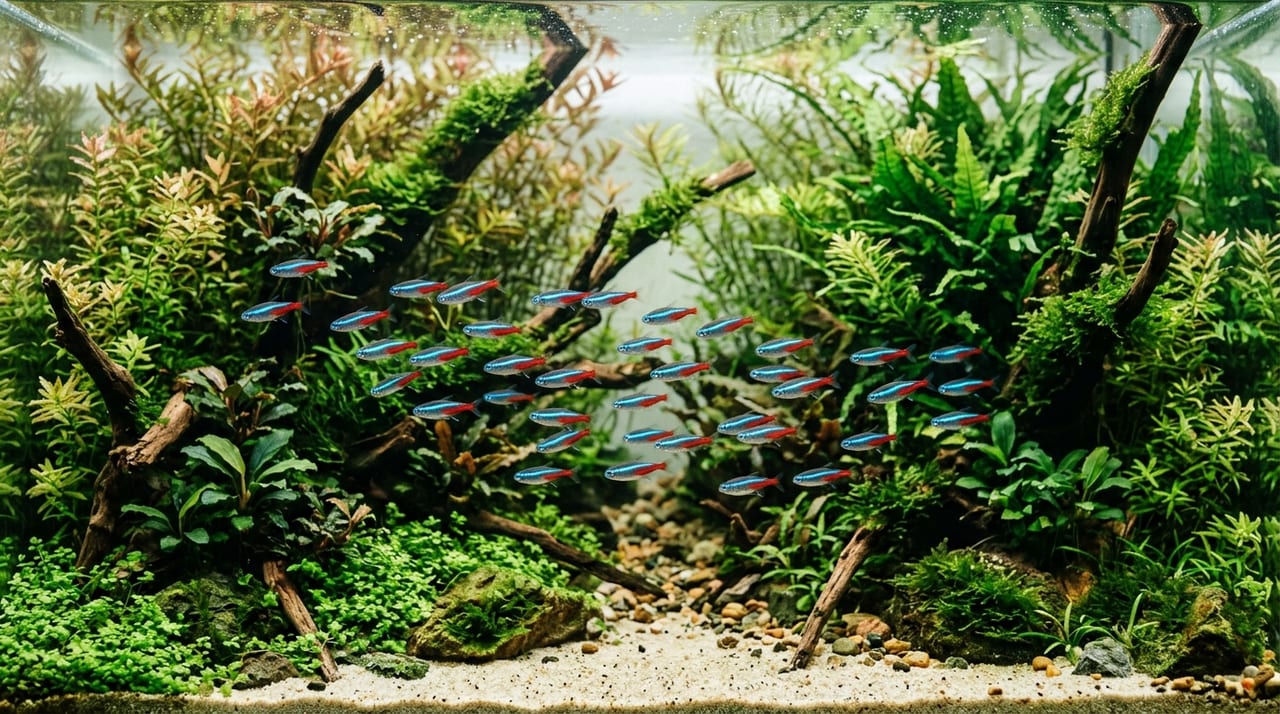
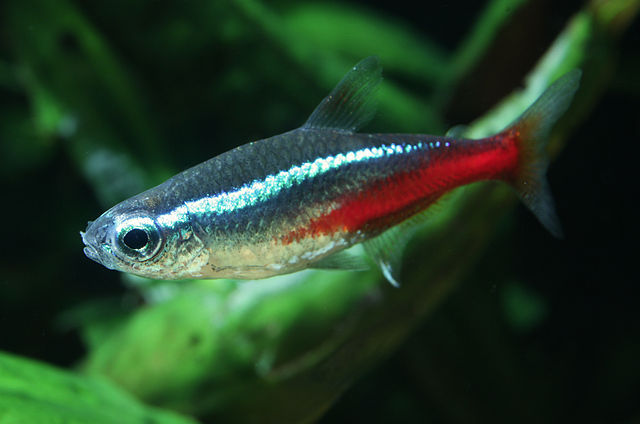
The quintessential tropical fish—with beautiful blue and red stripes, and schools swimming together look like jewels gliding through water. Hardy and affordable, they're ideal as your first tropical fish. When you keep 20–30 together, their schooling behavior is absolutely stunning. They pair beautifully with aquatic plants.
Guppy
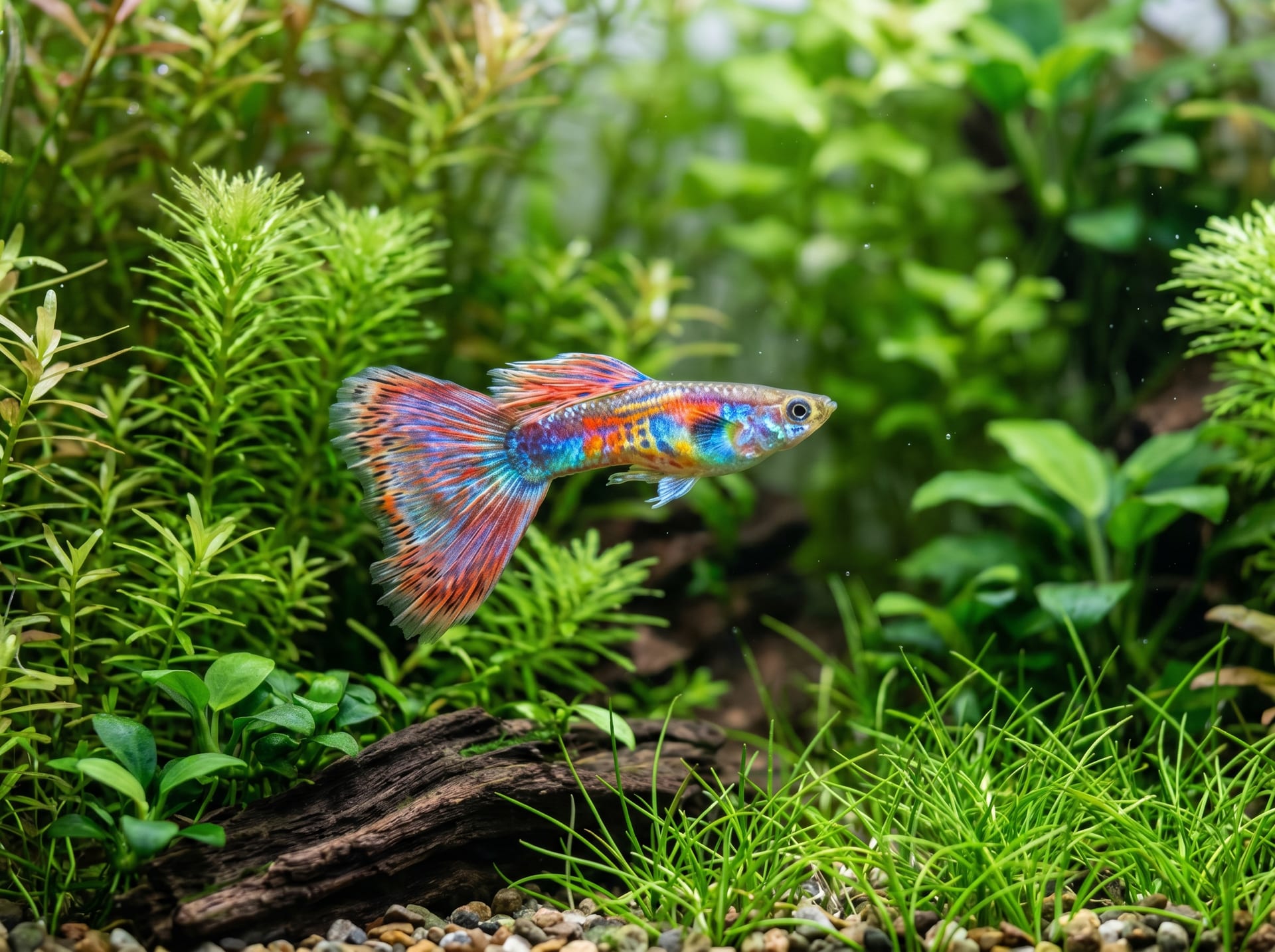
Males display large, ornate tail fins, while females are plain but extremely hardy. They breed readily; if you keep a pair, you may find fry swimming in the tank before long. They come in an enormous range of colors, and many improved strains developed by breeders over decades are available. If you're interested in breeding, see Tropical Fish Breeding, Spawning, and Fry Care.
Corydoras
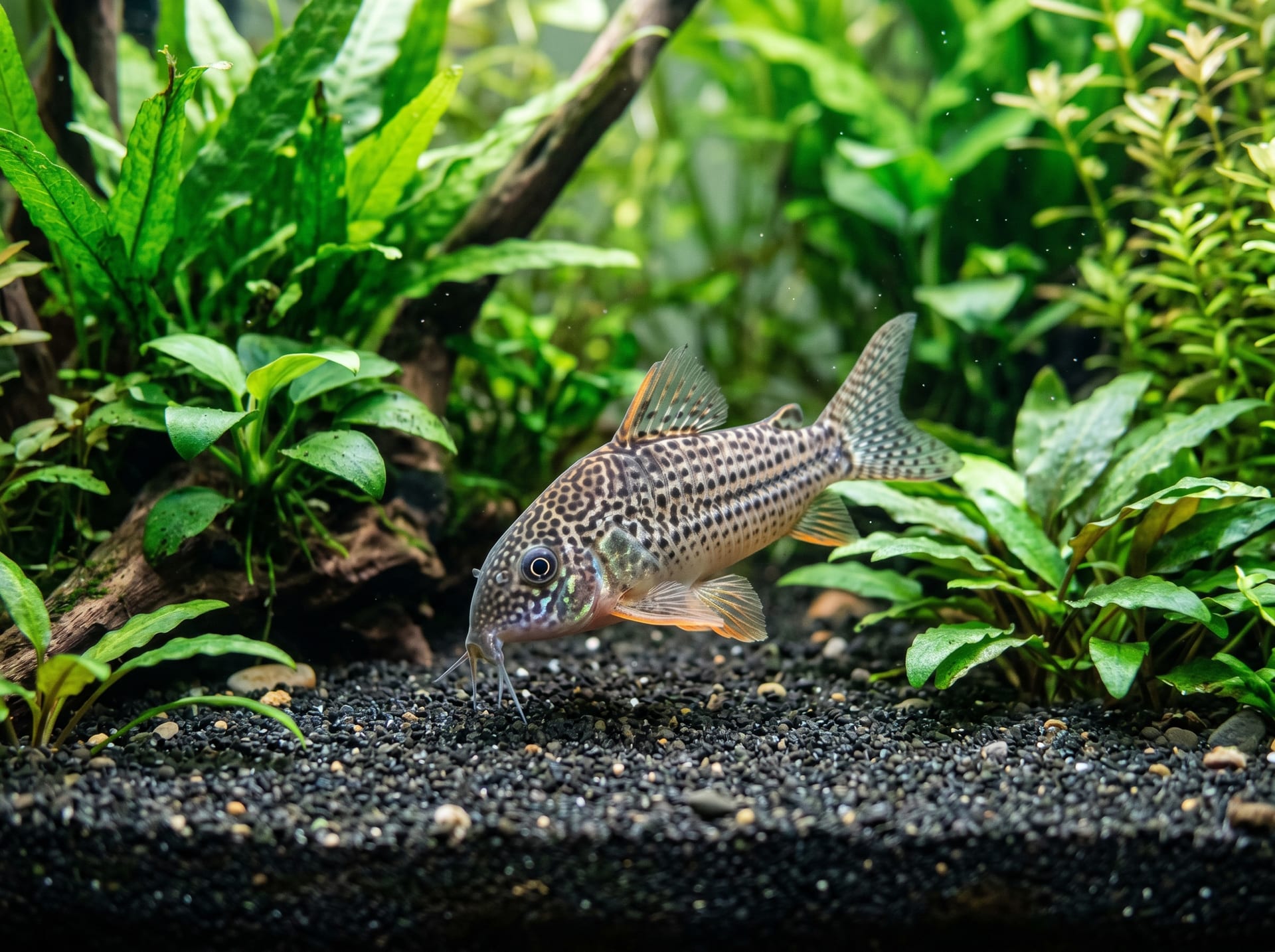
These catfish relatives slowly cruise along the aquarium floor. They're valued as "cleanup crew" that eat leftover food, and their rounded bodies and endearing expressions make them popular. They're social, so keeping three or more of the same species causes them to swim around more actively.
Red-Tailed Black Shark (or similar hardy species)
Known as the "ultimate beginner species" in the tropical fish world—extremely hardy. They tolerate cool water and can survive at temperatures around 20°C, so in some cases they can be kept without a heater. Low cost and easy management make them ideal for children starting their first aquarium.
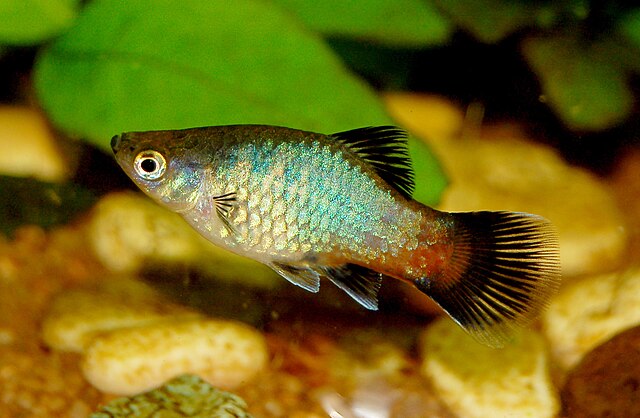
Platy
These fish combine colorful bodies with hardiness, making them beginner-friendly. They don't lay eggs but give birth to live young, so reproduction is vigorous. With varieties like short-body, gold, and Mickey Mouse platies, their collectibility is another appeal.
Daily Water Changes and Feeding Basics
Once you've started keeping fish, daily observation and regular maintenance keep them healthy.
Water Change Tips
The standard practice is to change about one-third of the water once or twice per week. Doing a "complete water change" all at once is not recommended, as it wipes out your beneficial bacteria. Always dechlorinate any new water and match its temperature to the tank water before adding it. Using a siphon (specialized substrate vacuum) during water changes to remove debris from the substrate prevents water quality decline more effectively.
Feeding Frequency and Amount
Feed twice daily, using an amount the fish can consume in 2–3 minutes. Overfeeding is the leading cause of water quality degradation from uneaten food. Rotating between flakes, pellets, and frozen bloodworms provides balanced nutrition and supports fish health. Even if you can't feed for a few days while traveling, healthy adult fish generally have no problem. For seasonal care, see Tropical Fish Summer Care and Temperature Management and Tropical Fish Winter Care and Heating Solutions.
BreederDirect's Safe and Reliable System
To enjoy tropical fish even more deeply, we recommend purchasing quality specimens directly from breeders. One major advantage of buying from breeders is that you can ask directly about the individual's history and optimal care methods—information you won't get at a pet shop.
BreederDirect is a platform that directly connects breeders nationwide with buyers. Many breeders offer a variety of tropical fish, from Guppies and Corydoras to Neon Tetras, and you can browse photos and descriptions with confidence. You can even message the seller beforehand to ask questions about care.
- Direct from Breeder: No middlemen mean better individual condition and more reasonable prices
- Care Support: Peace of mind from being able to consult directly with the breeder after purchase
- Variety of Species: Selective breeding and rare varieties that are hard to find at shops are now easier to obtain
As of 2026, the number of sellers on BreederDirect continues to grow, and rare selectively bred tropical fish are becoming more accessible. Tropical fish keeping extends beyond simply watching your aquarium—interactions with breeders open up a deeper and richer world. For estimated monthly care costs, see How Much Does Tropical Fish Keeping Cost? Monthly Running Costs Explained. Start creating your own unique aquarium on BreederDirect today.