Complete Guide to Starting Coral Keeping for Beginners
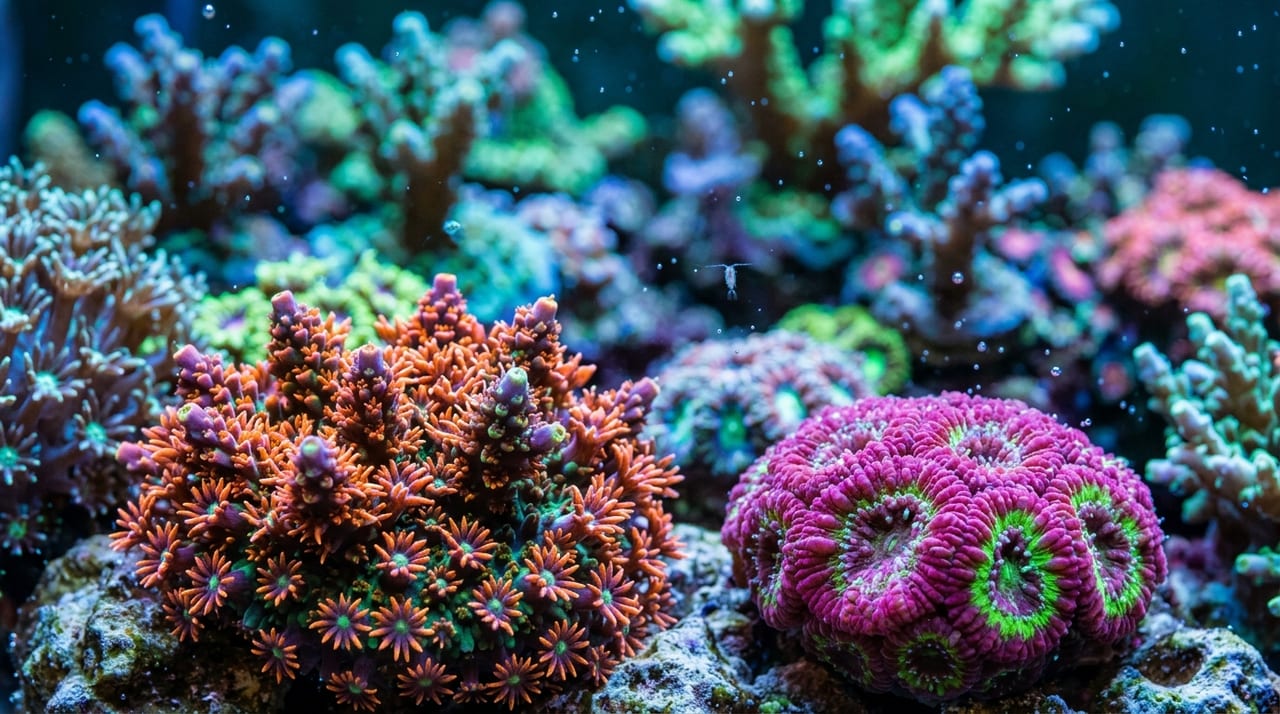
For beginners wanting to start keeping corals. Complete explanation covering equipment selection including tanks, lighting, and protein skimmers, water quality management basics (specific gravity, temperature, pH), and recommended beginner-friendly species such as Carpet Anemones and Star Polyps.
Key Takeaways
For beginners wanting to start keeping corals. Complete explanation covering equipment selection including tanks, lighting, and protein skimmers, water quality management basics (specific gravity, temperature, pH), and recommended beginner-friendly species such as Carpet Anemones and Star Polyps.
Related Species
The Appeal of Coral Keeping and What to Know Before Starting
Coral keeping is a particularly deep and fascinating genre within the aquarium hobby, allowing you to recreate a beautiful ocean world in your own home. A tank with vibrantly colored corals swaying back and forth brings a sense of healing just by watching it, and once you start, many people find themselves drawn into its charm.
On the other hand, many people have the impression that "coral is difficult." Certainly, compared to goldfish or tropical fish, there are more management parameters to consider, but if you master the basics, even beginners can fully enjoy it. The key is two things: "stable water quality" and "choosing appropriate equipment." This article explains the knowledge needed to start coral keeping from scratch in an easy-to-understand manner. For specific steps to set up your first coral tank, please also check First Coral Tank Setup Guide.
Gather the Necessary Equipment
Coral keeping requires more equipment than a fish-only tank. By preparing everything properly at the start, you can prevent problems later.
Tank
60cm or larger (approximately 60L volume) is recommended. The larger the water volume, the more gradual water quality changes become, making it easier to maintain a stable environment for corals. Many of the failures that beginners encounter stem from "rapid water quality fluctuations in tanks that are too small." Choose a larger tank if space permits.
Lighting
Most corals harbor a type of algae called "zooxanthellae" living symbiotically within them, obtaining energy through photosynthesis. Therefore, LED lights with appropriate light intensity and wavelength are necessary. Choose LED lights specifically designed for saltwater fish and corals that include blue wavelengths (420–470nm). General-purpose aquarium lights may provide insufficient light intensity and wavelength.
Protein Skimmer
A device that removes organic matter (uneaten food, waste, etc.) from the water using bubbles. Since corals are sensitive to water quality deterioration, a protein skimmer is essentially necessary. It is important to choose one that matches your tank size.
Live Rock, Artificial Seawater, and Measurement Instruments
- Live Rock: Natural rock where filter bacteria have colonized. Forms the foundation for biological filtration
- Artificial Seawater Mix: Mix with tap water to create seawater. Choose high-quality products containing calcium and magnesium
- Specific Gravity Meter (Refractometer): Accurately measure salt concentration. Digital refractometers are recommended for their high precision
- Water Flow Pump: Corals weaken without adequate water circulation. A wave pump that generates random water flow is ideal
Basic Water Quality Parameters for Coral Keeping
Water quality management is the most important daily task in coral keeping. Regularly measure and maintain the following parameters.
| Parameter | Target Value |
|---|---|
| Specific Gravity (Salt Concentration) | 1.023–1.025 |
| Water Temperature | 24–26°C |
| pH | 8.1–8.4 |
| Calcium (Ca) | 400–450ppm |
| Alkalinity (KH) | 7–11 dKH |
| Magnesium (Mg) | 1,250–1,350ppm |
| Nitrate (NO₃) | 5ppm or less (preferably lower) |
| Phosphate (PO₄) | 0.03ppm or less |
Water Changes and Additives
Once a week, exchange 10–15% of the tank water with fresh seawater. Water changes reset parameters and simultaneously supply trace elements. If calcium or KH are being consumed quickly, use specialized additives (calcium reactors or KH supplements) for adjustment.
Initially, establish a habit of measuring once weekly using commercial test kits to understand trends in water quality changes. For detailed information about choosing different coral types, see Coral Types and Selection Guide. For troubleshooting, also check Coral Tank Troubleshooting.
Recommended Coral Species for Beginners
Corals are broadly divided into "soft corals," "LPS corals (large polyp stony corals)," and "SPS corals (small polyp stony corals)." The standard approach for beginners is to start with hardy soft corals.
Soft Corals (Best for Beginners)
- Carpet Anemone: One of the easiest corals to keep. Low light and water flow requirements with abundant color varieties. Easy to propagate and rewarding
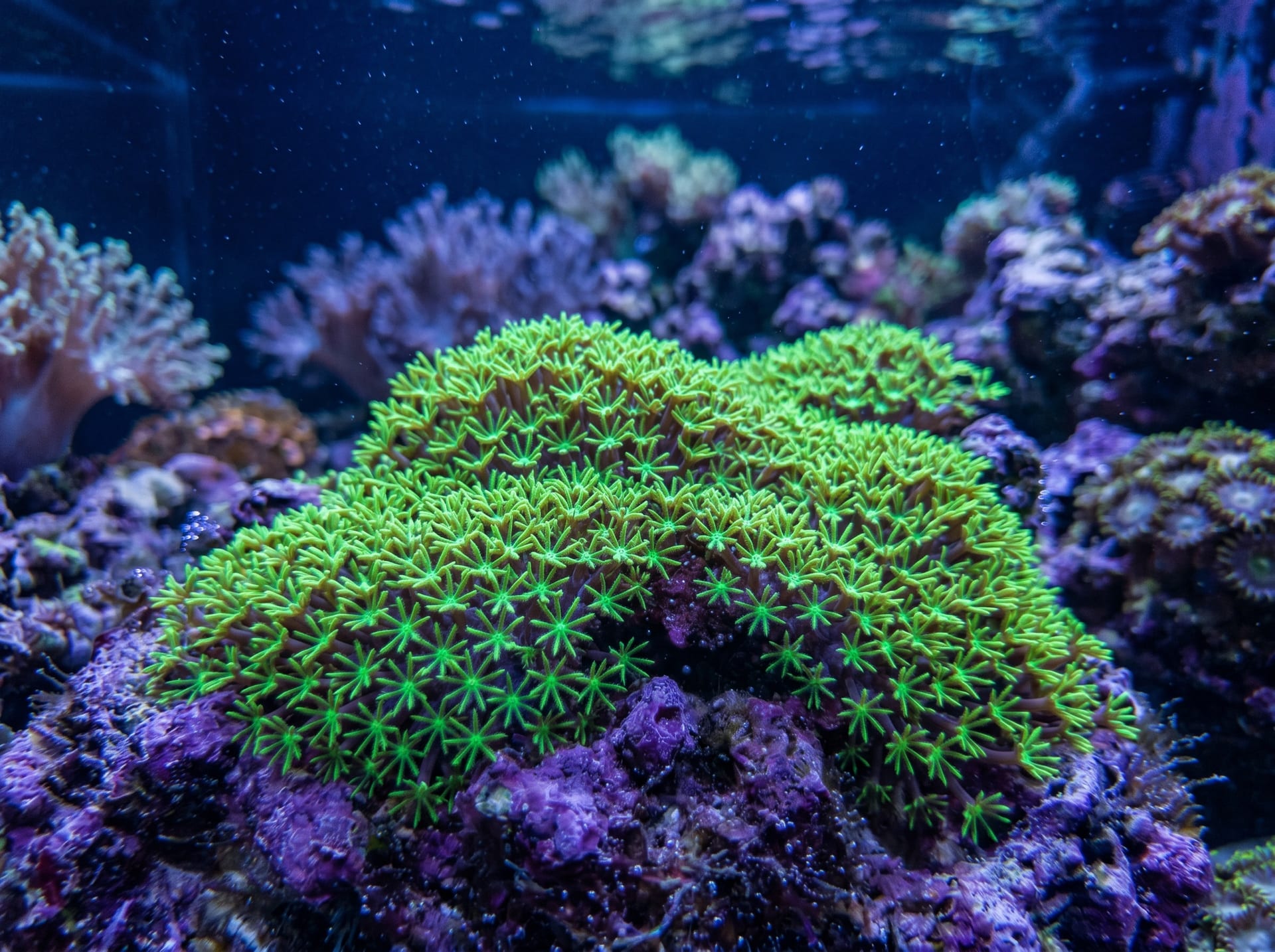
- Star Polyps: Beautiful polyps that glow green with fast growth. Rewarding to cultivate by spreading across live rock
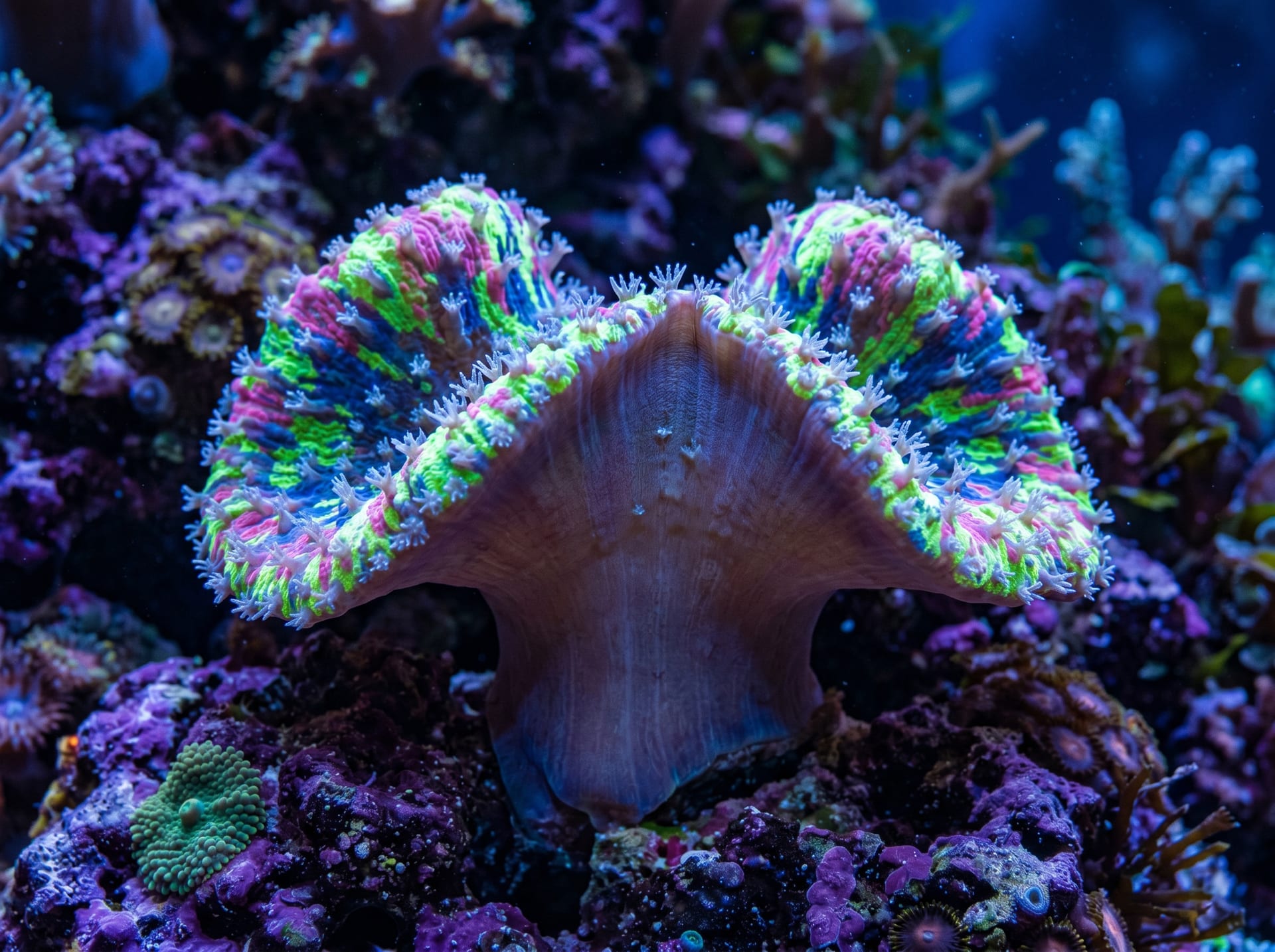
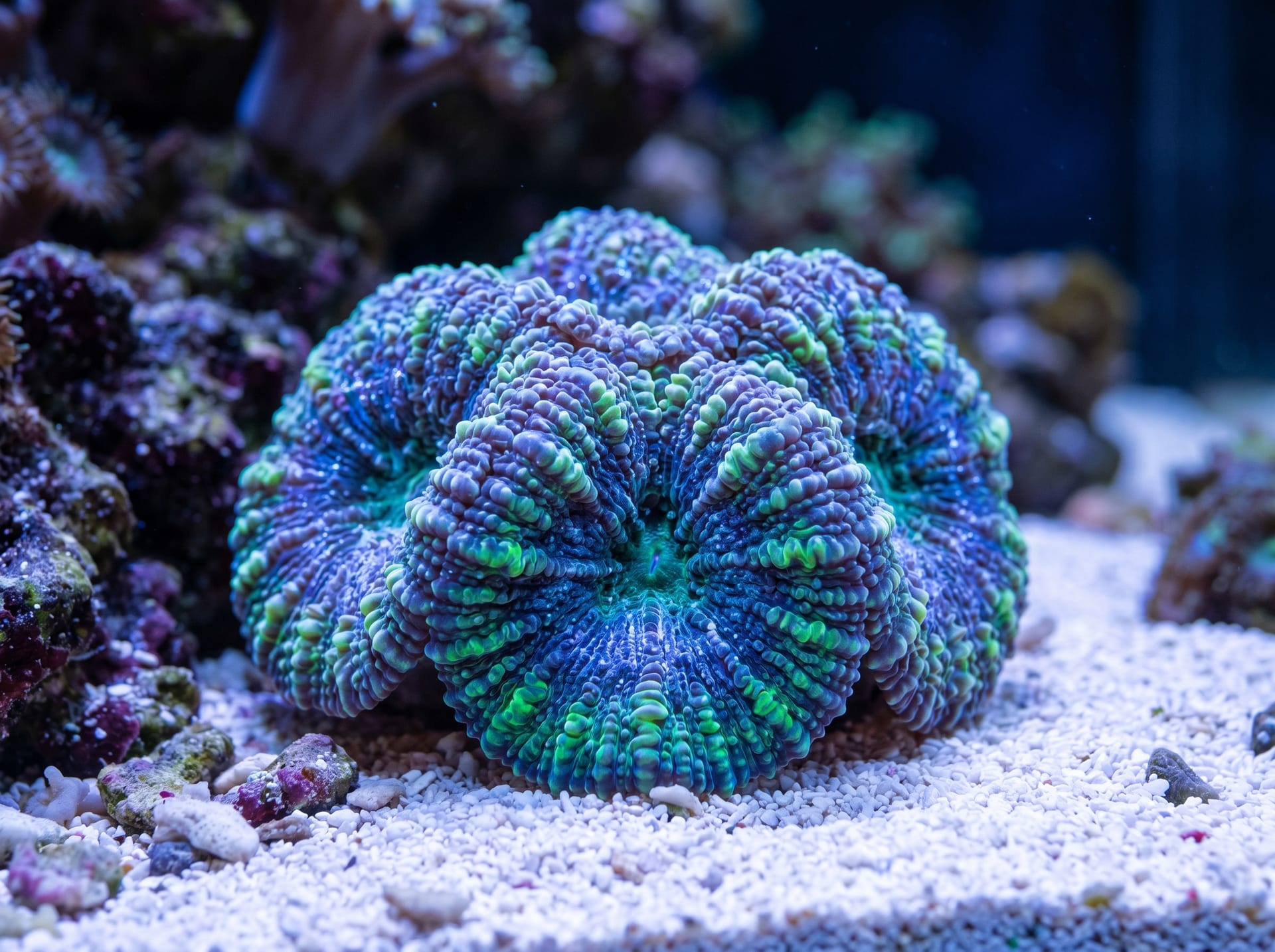
- Disc Corals: Abundant color variations that thrive even under relatively low light
- Mushroom Coral (Toadstool): The swaying movement is soothing. Also relatively tolerant of water quality fluctuations
LPS Corals (Intermediate and Beyond)
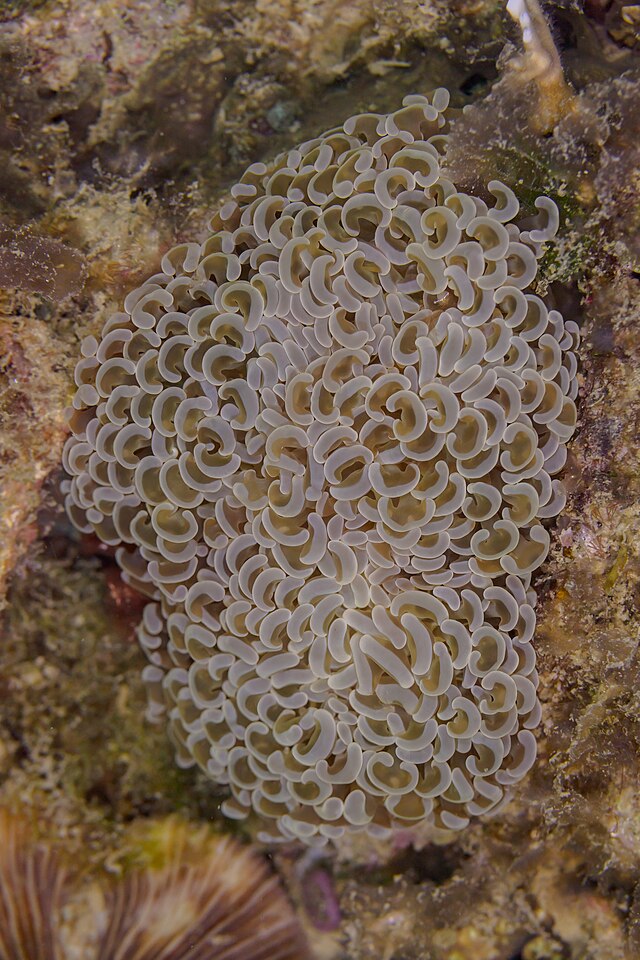
- Hammer Coral: Distinctive hammer-shaped polyps. Many fluorescent varieties that are highly popular
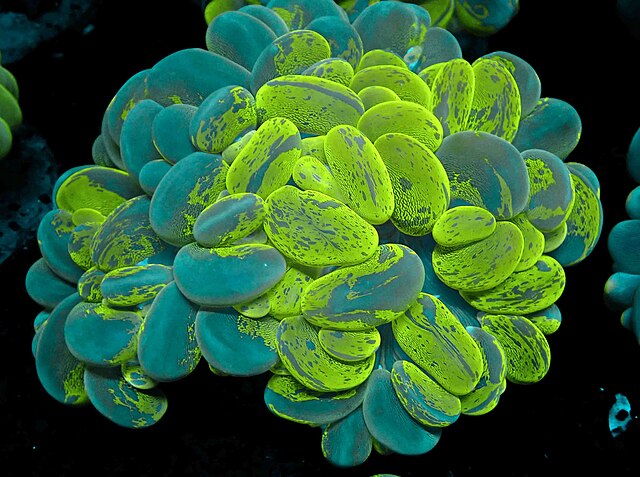
- Bubble Coral: Adorable bubble-shaped polyps. Prefers weaker water flow
SPS corals (such as Acropora) are extremely sensitive to water quality, so it is recommended to wait until you have at least six months to a year of experience before attempting them. For more details on corals ideal for beginners, see Top 5 Beginner-Friendly Corals.
Important Notes When Setting Up and Common Mistakes
Don't Rush to Add Livestock
Adding corals immediately after setting up the tank is not advisable. Wait for a period called "cycling" (approximately 3–4 weeks) to allow bacteria to establish before introducing corals.
Avoid Overcrowding
I understand the desire to add more, but when corals are too close together, "coral warfare" can occur—chemical attacks between competing corals. Plan your placement with adequate spacing.
Avoid Abrupt Changes
Temperature and specific gravity differences during water changes, modifications to lighting schedules—all abrupt changes are problematic. Corals are sensitive not to change itself, but to abrupt change. Be mindful of adjusting slowly and gradually. For information about coral lifespan and growth rate, see Coral Lifespan, Growth Rate, and Long-term Care Tips.
BreederDirect's Safe and Secure System
When purchasing corals, where and from whom you buy is critically important. Corals from shop inventory often have unclear origins and care history, requiring time to adapt to new environments.
BreederDirect is a platform where you can purchase corals directly from breeders. As of 2026, domestic coral breeding and aquacultured stock distribution are becoming increasingly active, with more diverse options available.
- Transparency in Rearing Environment: You can directly confirm the water quality and lighting conditions actually maintained by the breeder
- Fair Pricing: Without wholesale and retail markups, you can obtain high-quality individuals affordably
- Post-Purchase Support: Peace of mind knowing you can consult directly with the breeder if you have any questions about care
- Frags and Captive-Bred Individuals: Corals raised by breeders rather than wild-caught typically have better environmental adaptability and stable condition
If you're thinking "I want to try keeping corals for the first time" or "I want to challenge more rare varieties," please find your favorite breeder on BreederDirect. The abundant listings and direct communication with breeders will surely enrich your coral-keeping journey. You can also check Coral Keeping Costs—Explaining Monthly Running Expenses for expected ongoing expenses.