Coral Types and Selection Guide
From the differences between soft corals, LPS, and SPS, to recommended species by difficulty level and purchasing checkpoints. A comprehensive guide to read first when unsure about coral selection.
Key Takeaways
From the differences between soft corals, LPS, and SPS, to recommended species by difficulty level and purchasing checkpoints. A comprehensive guide to read first when unsure about coral selection.
Related Species
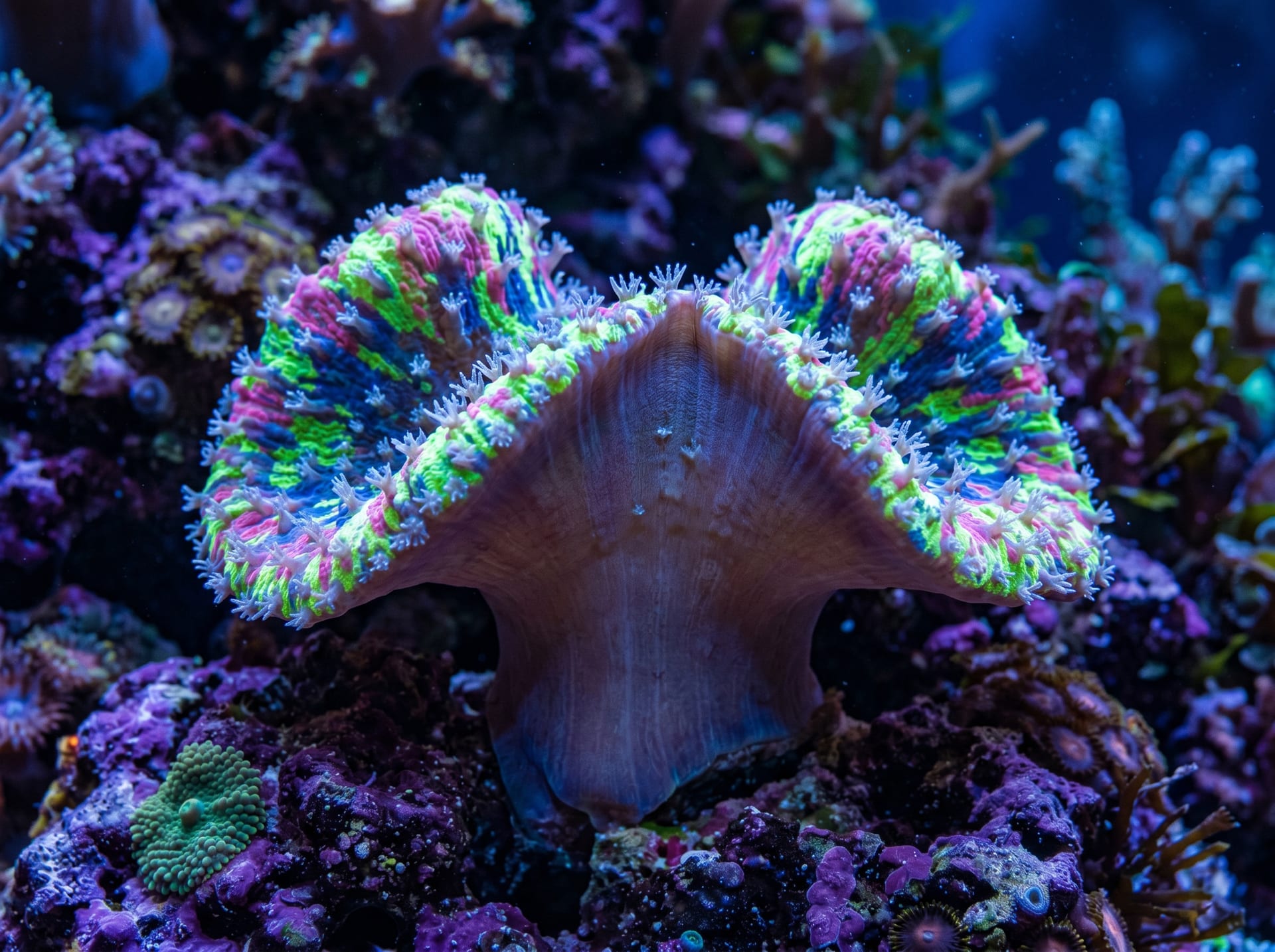
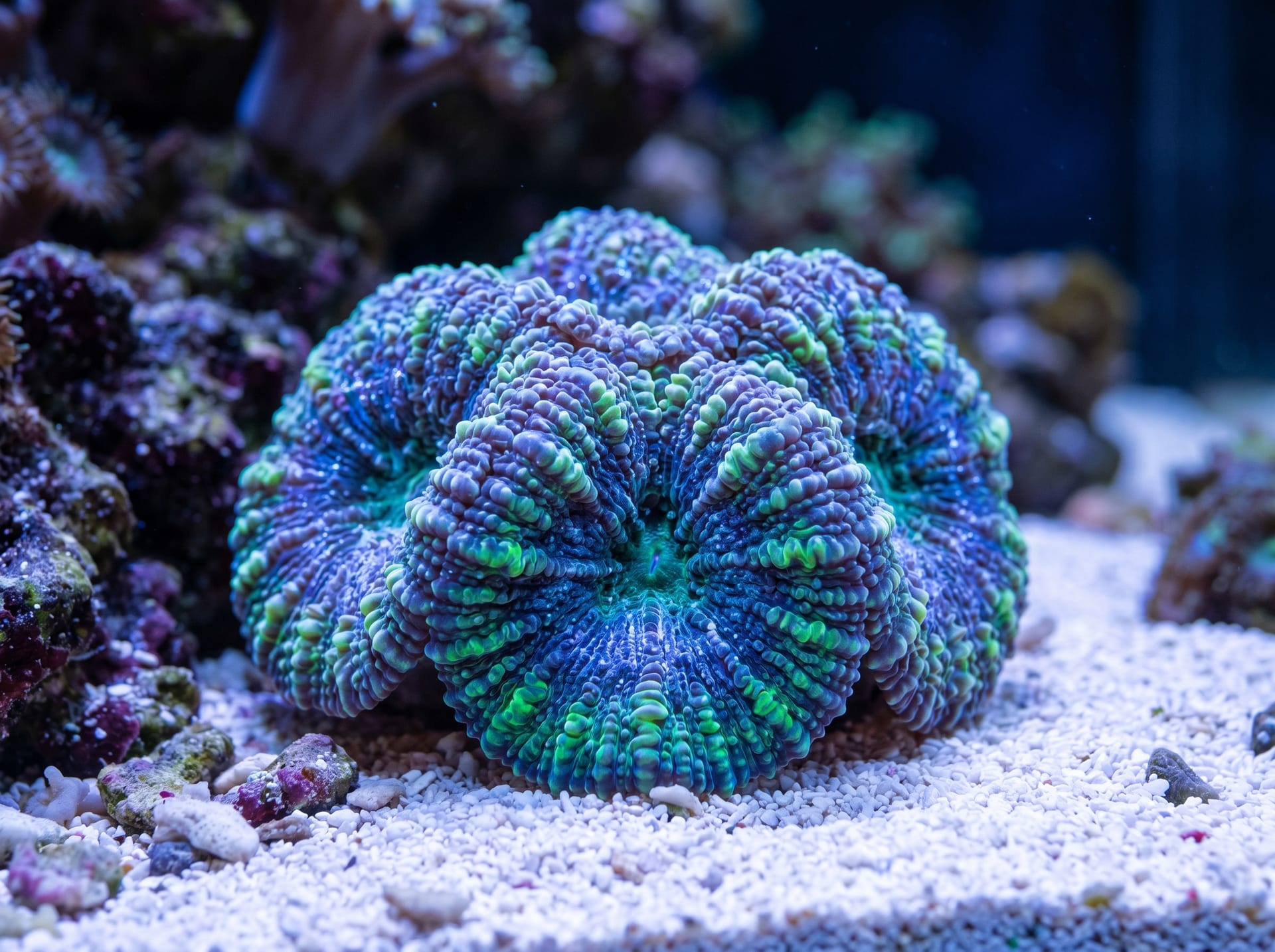
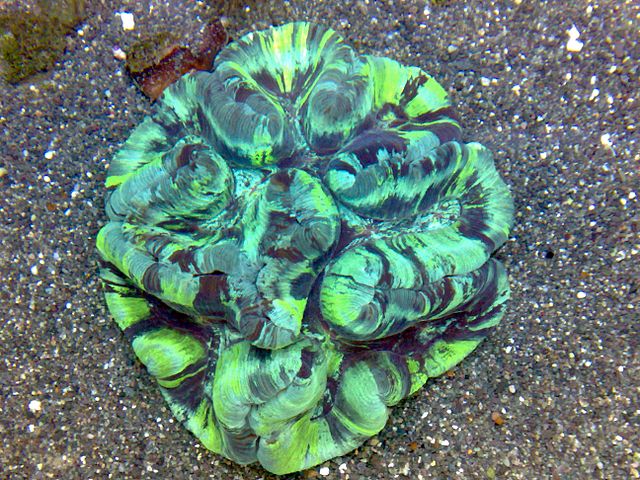
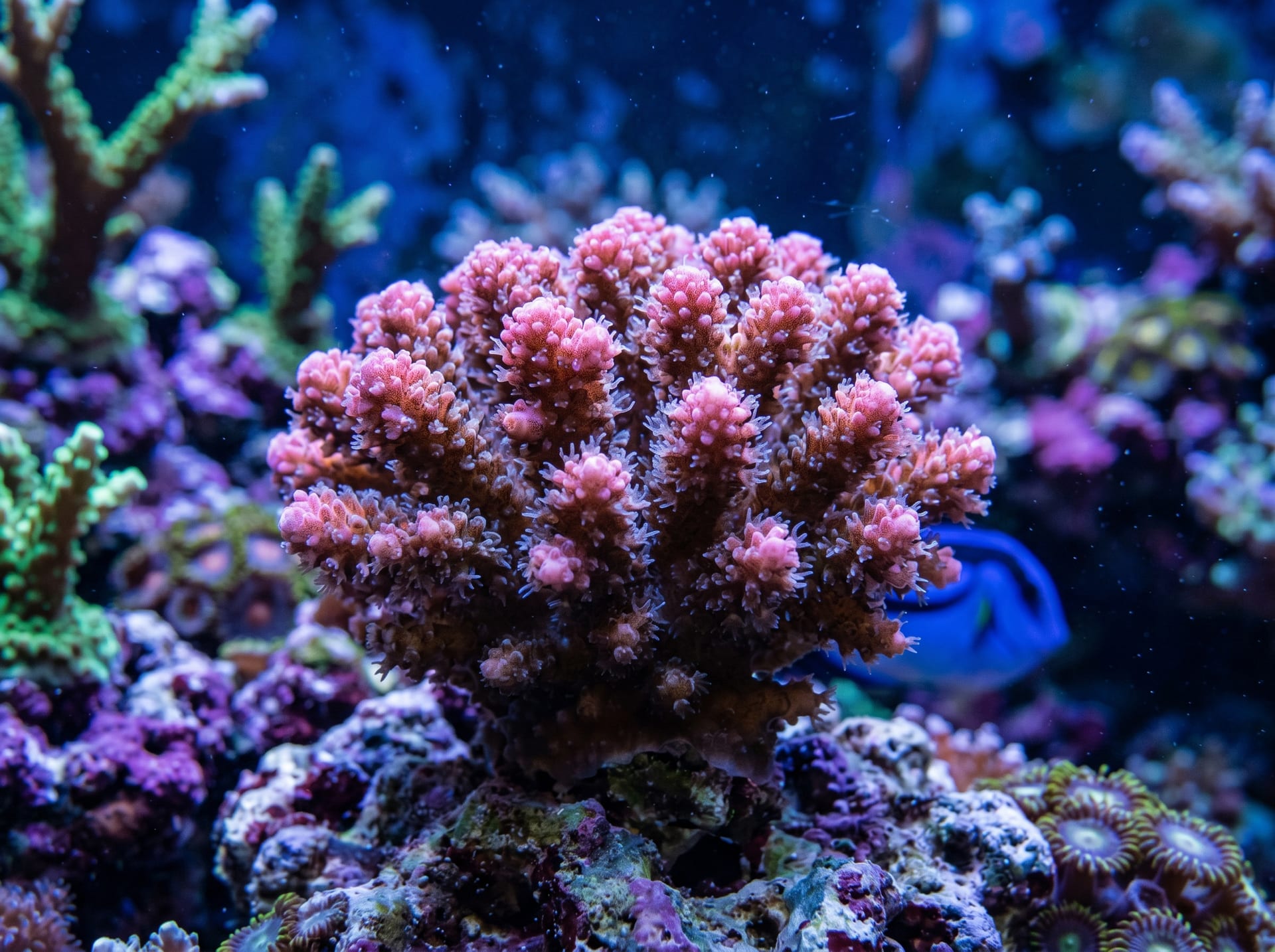
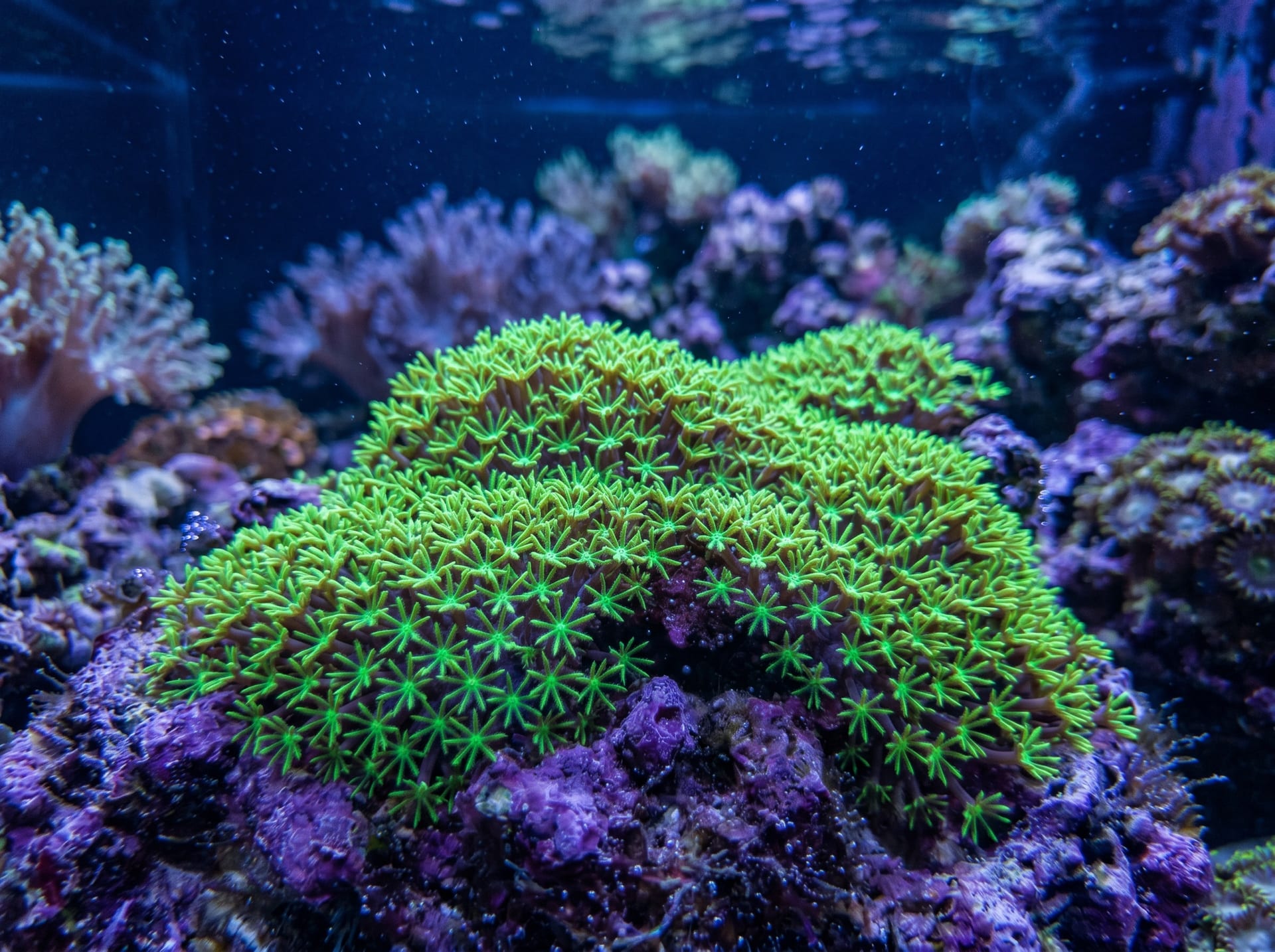
Know the 3 Major Classifications of Coral
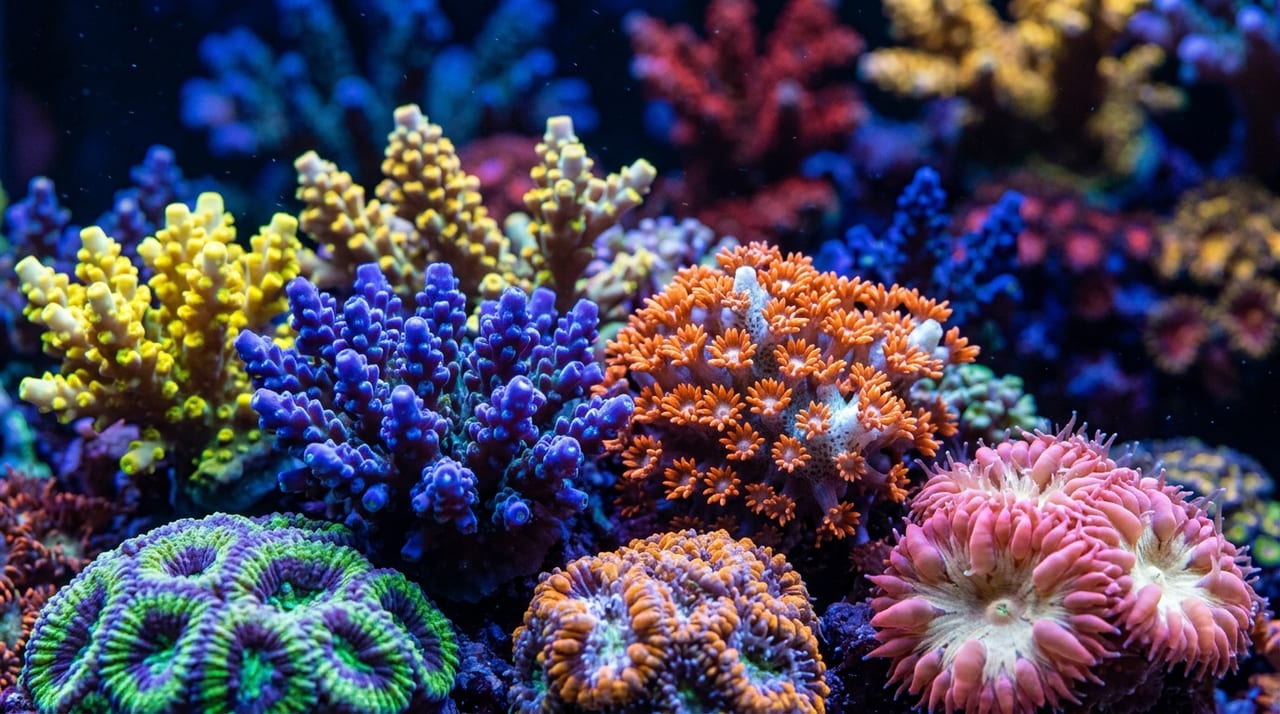
Corals are broadly classified into three groups: "soft corals," "LPS (large polyp stony corals)," and "SPS (small polyp stony corals)." Since each group differs significantly in care difficulty, light requirements, and water quality demands, the first step to selecting corals without failure is understanding each group in relation to your tank setup and experience level. The fundamentals of coral care in general are explained in 【For Beginners】Complete Guide to Starting Coral Care.
Soft Corals
Soft corals lack a skeleton and are delicate, swaying gently with water flow to add movement to your tank. They adapt well to various light and water quality conditions, making them the easiest of the three groups to maintain and ideal for marine aquarium beginners.
- Representative Species: Zoanthus, Star Polyps, Mushroom Corals, Finger Leather Corals, Disc Corals
- Care Difficulty: Beginner-friendly
- Required Light: Low to medium
- Price Range: ¥1,000–¥5,000
Zoanthus offers abundant color variations and high collectibility, making it a popular choice. Star Polyps grow quickly and create a beautiful green carpet effect over live rock. See also Top 5 Recommended Corals for Beginners for five ideal beginner-friendly varieties.
LPS (Large Polyp Stony Corals)
These corals have a hard calcium carbonate skeleton while featuring large, fleshy polyps. They require more stable water conditions than soft corals but reward you with vibrant colors and striking forms that become the centerpiece of your aquarium. With proper water flow and stable nutrient management, intermediate hobbyists can successfully enjoy them.
- Representative Species: Bubble Corals, Open Brain Corals, Long Tentacle Plate Corals, Smaller Bubble Corals, Trumpet Corals
- Care Difficulty: Intermediate-level
- Required Light: Medium
- Price Range: ¥3,000–¥20,000
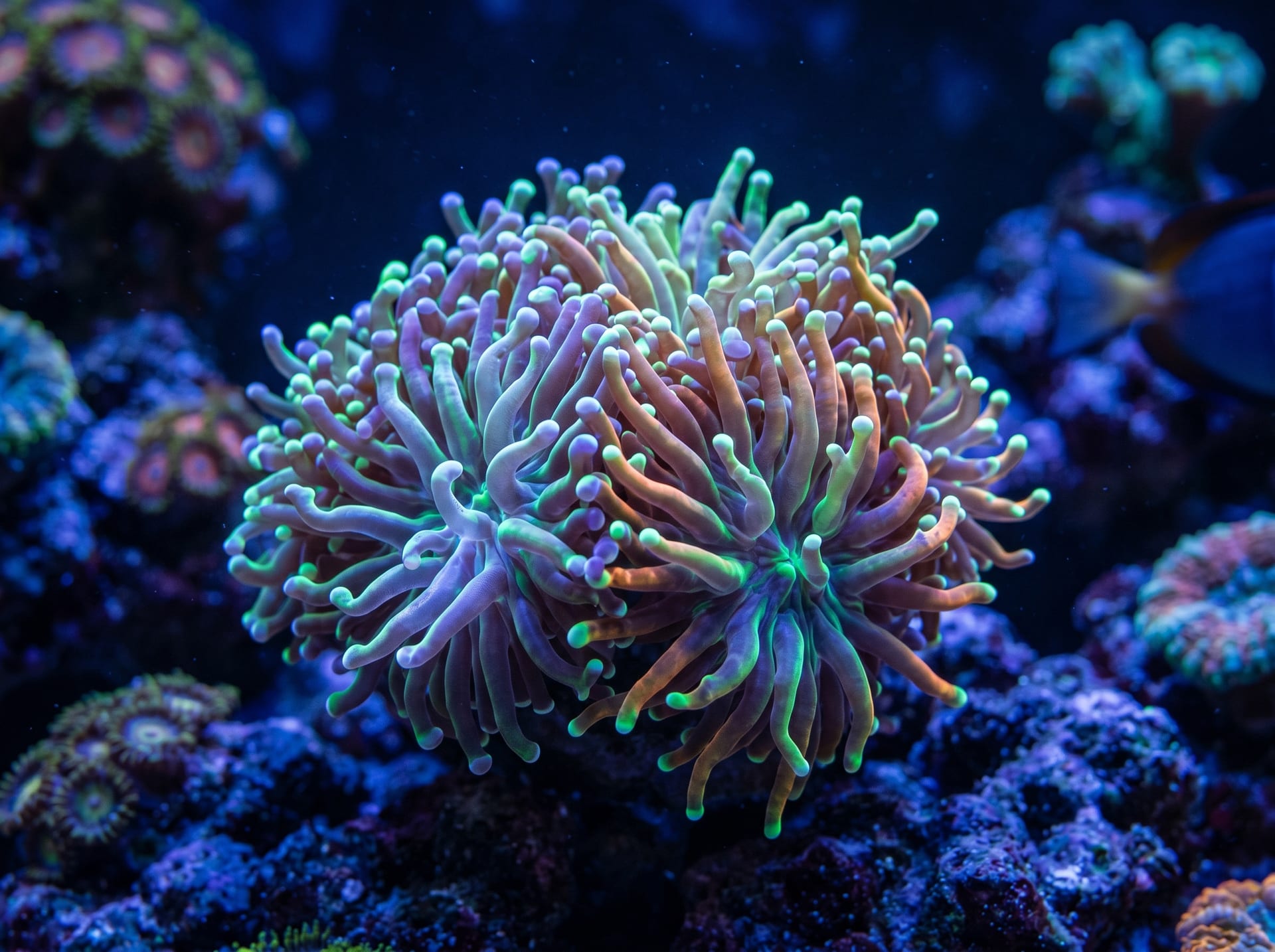
Long Tentacle Plate Corals are particularly popular among LPS enthusiasts for their beautiful flowing tentacles in water currents. However, they produce potent sweeper tentacles when in contact with other corals, so placement requires careful attention. Also see SPS vs LPS – Which Should You Start With? Comprehensive Comparison of Features, Difficulty, and Cost for a detailed comparison.
SPS (Small Polyp Stony Corals)
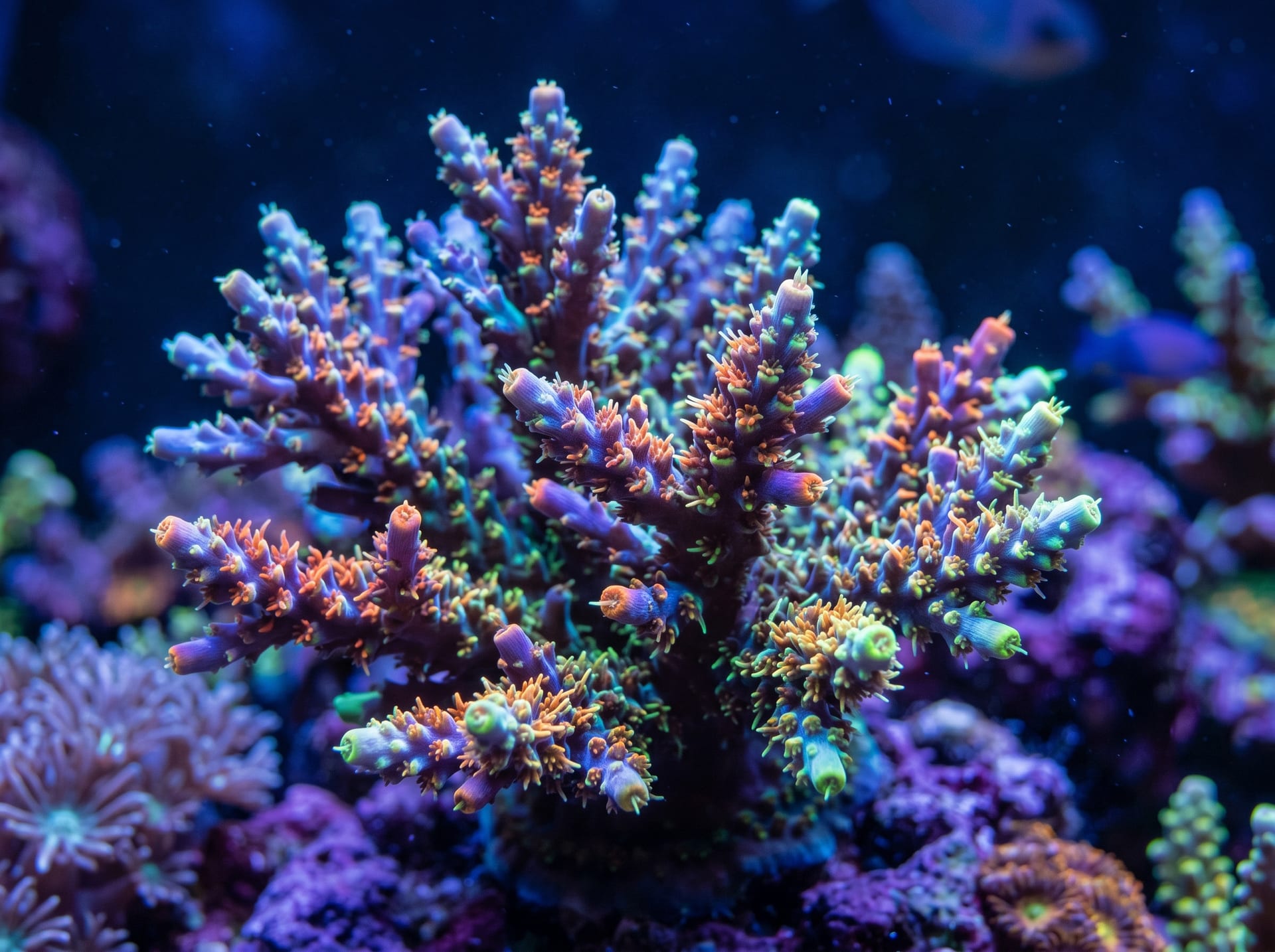
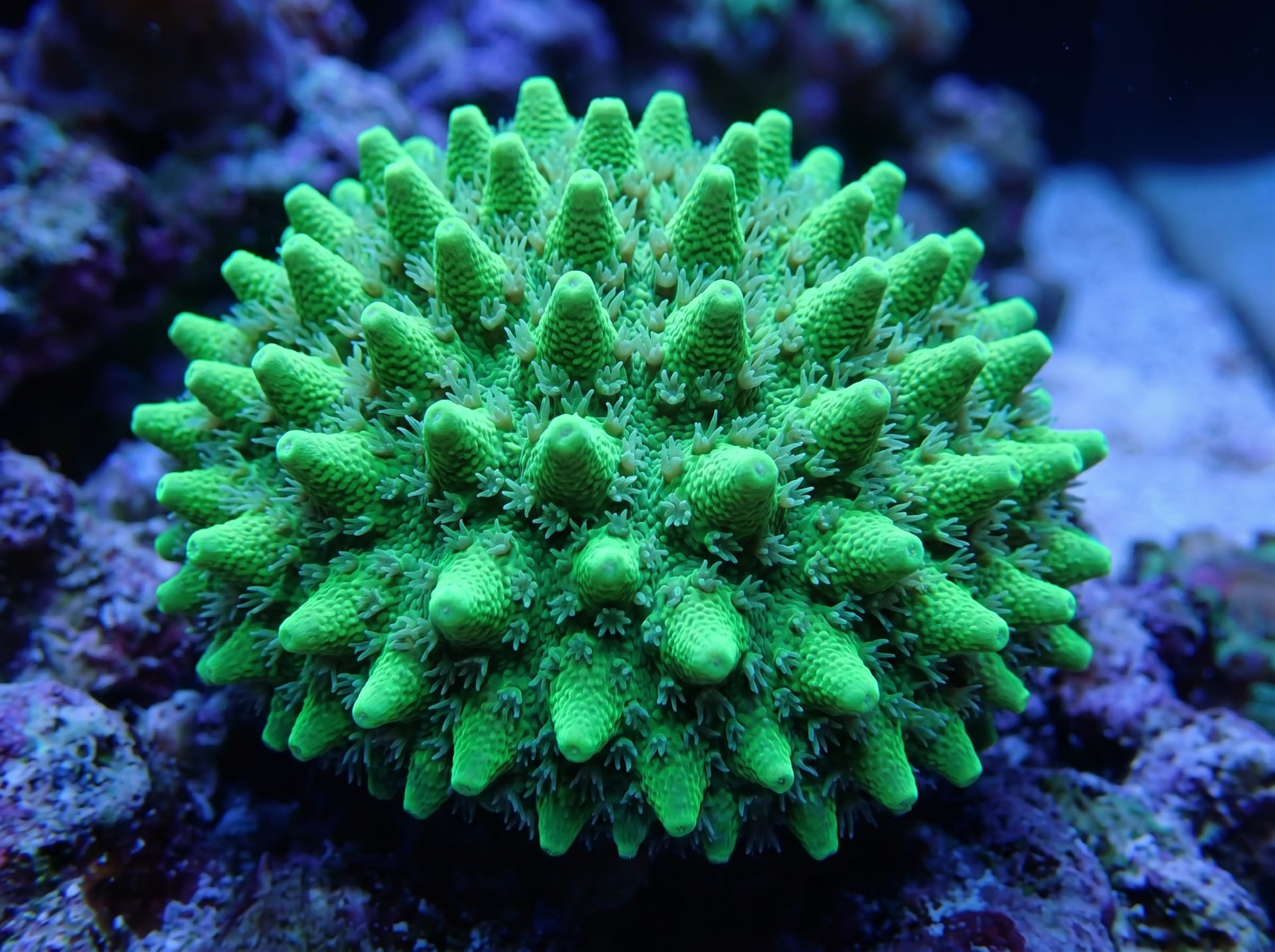
Represented by Acropora, these corals feature intricate skeletons and countless tiny polyps. They demand high light intensity, low nutrient levels, and stable alkalinity and calcium concentrations, making them the most challenging group to maintain. However, their exceptional color diversity and beauty make them the collector's items pursued by advanced hobbyists.
- Representative Species: Acropora (Millepora), Montipora, Cauliflower Corals, Ginger Corals, Pocillopora
- Care Difficulty: Advanced-level
- Required Light: High (high-output LED or fluorescent lighting required)
- Price Range: ¥5,000–¥50,000 and up
High-grade Acropora can command prices from tens of thousands to hundreds of thousands of yen. It's wise to start with affordable frags (fragments), confirm compatibility with your tank environment, and then step up to full-size colonies. The basics of frag trading are explained in detail in Coral Frags (Fragments) – Essential Knowledge for Trading.
Recommended Step-Up Route by Care Level
To avoid frustration with coral care, it's crucial to start with a group that matches your experience level.
【Beginners】Start with Soft Corals Zoanthus and Star Polyps are highly tolerant of water quality fluctuations and help buffer minor mistakes. Take 3–6 months to confirm your tank's stability. They're relatively inexpensive, making them ideal for learning overall tank balance while experimenting with different layouts.
【Intermediate】Master Water Quality with LPS Once soft corals are thriving in your tank, you're ready to try LPS. A prerequisite is having established the habit of regularly measuring and managing nutrients (nitrate and phosphate). Bubble Corals and Open Brain Corals are relatively hardy LPS species and perfect entry points for this level.
【Advanced】Pursue Your Ideal Tank with SPS Long-term SPS care requires precise water quality control and high-quality lighting. Establish a system to regularly measure and supplement KH (carbonate hardness), calcium, and magnesium before introducing them. As of 2026, domestic SPS breeding is thriving, and specimens acclimated to local conditions are increasingly available. See also Coral Propagation, Splitting, and Frag Creation Basics for reference on reproduction and frag making.
Five Checkpoints to Confirm Before Purchase
Choosing healthy corals requires checking condition carefully, not just appearance.
- Polyp Extension — Select specimens with fully extended polyps. Corals that remain retracted may be experiencing stress.
- Color Vibrancy — Avoid corals that are overly brown (excessive zooxanthellae) or pale/whitish (early bleaching). Look for individuals displaying their true colors.
- Base and Skeleton Condition — Avoid specimens with excessive algae growth on frags or base, or with deteriorated skeleton, as they may not be in good health.
- Breeder's Tank Environment — Confirm the water temperature, salinity, light intensity, and nutrient levels beforehand. The closer they match your setup, the less stress during acclimation and the lower the risk of problems after introduction.
- Frag vs. Colony — Frags (fragments mounted on plugs) are affordable and easy to start with, but take longer to grow. Full-size colonies are ready to display but cost more. Choose based on your goals and budget.
Set Up Your Basic Coral Care Environment
Regardless of which coral group you keep, these foundational conditions are universally important.
- Salinity: 1.023–1.025 (slightly higher than for fish-only tanks)
- Temperature: 24–26°C (avoid sudden fluctuations)
- pH: 8.1–8.3
- Nitrate: As low as possible (under 10 ppm is ideal for SPS)
- Protein Skimmer: Essential for removing organic matter
- Lighting: LED with spectrum and intensity matched to your coral species
One detail beginners often overlook is "acclimation." Instead of placing corals directly in your tank, use drip acclimation methods to gradually adjust them to your water chemistry, minimizing damage from environmental change. For summer and winter temperature management, see also Summer Survival and Temperature Management for Coral Tanks and Winter Survival and Heating Strategies for Coral Tanks.
BreederDirect's Trustworthy and Safe System
The most important factor when purchasing corals is knowing the actual environment where the breeder is raising them. You can ask questions that might be difficult in a shop directly with a breeder through direct-to-consumer channels.
With BreederDirect, you can message coral breeders before purchase with questions about their water quality, lighting setup, feeding methods, and shipping methods. Being able to confirm the condition of specimens raised with care by the breeder themselves and verify compatibility with your own tank is the greatest advantage of buying directly from breeders.
Moreover, you'll have access to rare-colored Acropora and domestically-bred soft corals difficult to find in regular shops—a major BreederDirect advantage. From your first coral purchase to advanced collectors seeking rare finds, we offer listings for diverse needs. Check How Much Does Coral Care Cost? Monthly Running Expenses Explained to understand ongoing costs. For peace of mind when bringing home healthy specimens, we encourage you to explore what BreederDirect has to offer.