5 Recommended Corals for Beginners
A carefully curated selection of 5 hardy and beautiful coral species perfect for starting coral keeping. This guide explains the characteristics, difficulty level, price range, and placement tips for each species from a beginner's perspective.
Key Takeaways
A carefully curated selection of 5 hardy and beautiful coral species perfect for starting coral keeping. This guide explains the characteristics, difficulty level, price range, and placement tips for each species from a beginner's perspective.
Related Species
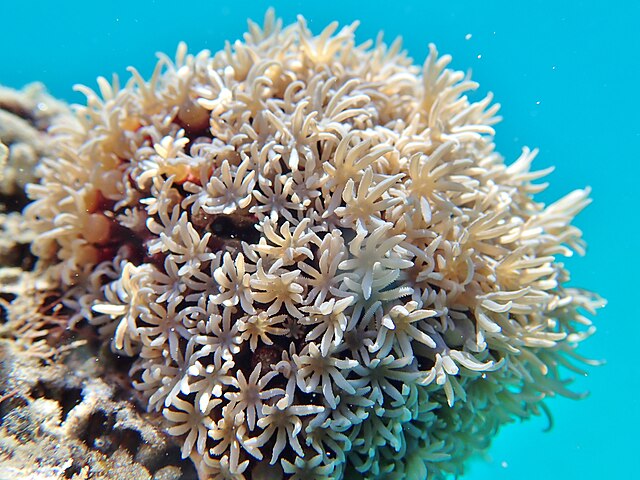
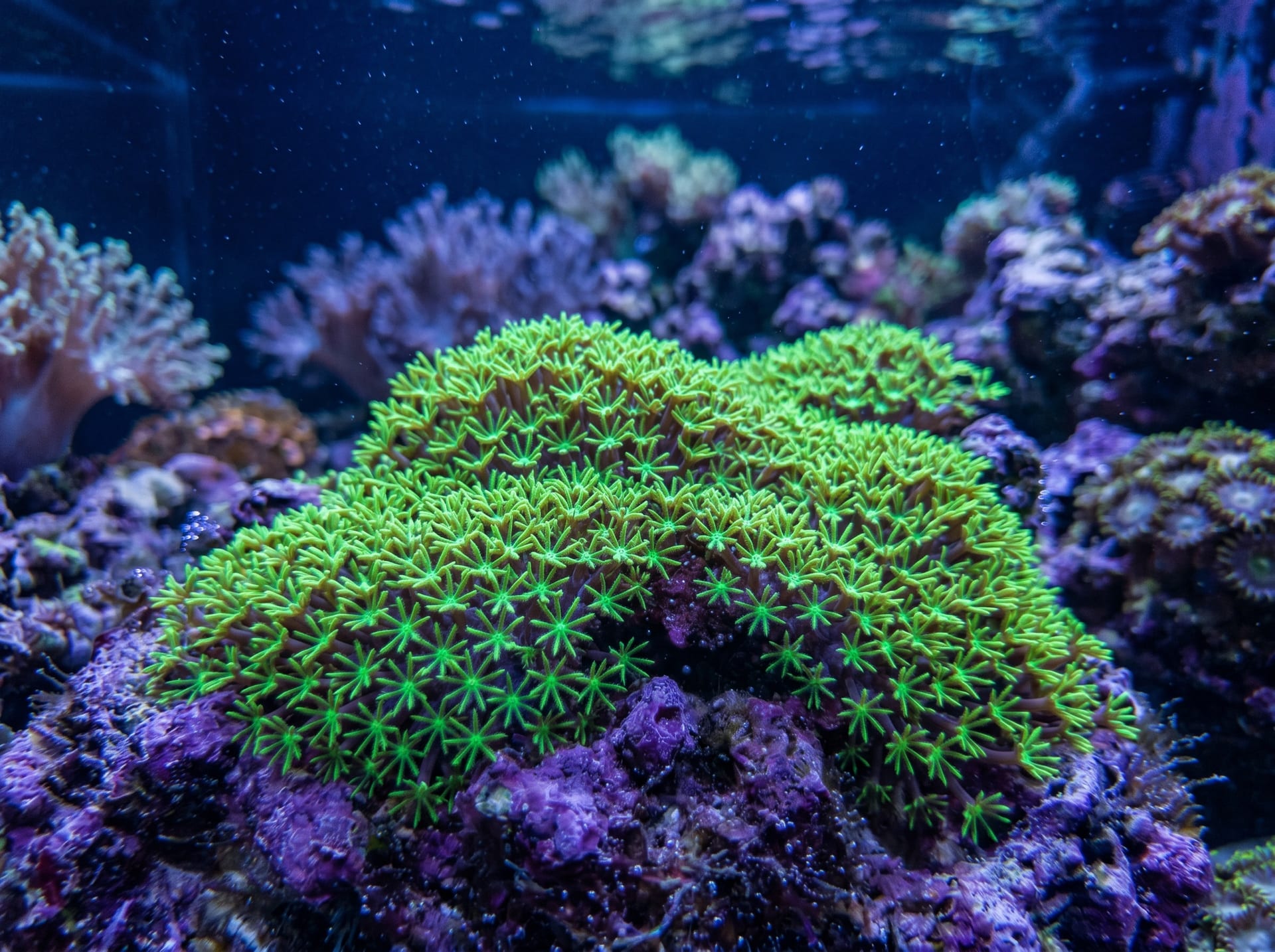
Many people who want to start keeping corals often ask themselves, "There are so many species—how do I know which to choose?" or "Water quality management sounds difficult and worrying." While corals do have a reputation for being more delicate than fish, there are actually many species that beginners can enjoy maintaining.
In this article, we've carefully selected 5 coral species that are hardy, easy to care for, and visually striking. All of them belong to soft corals or LPS (large polyp stony corals), which have relatively high tolerance to water quality fluctuations and are ideal for beginners. If you're thinking about starting a coral aquarium, please use this guide as a reference.
#1: Zoanthus (Button Polyps)
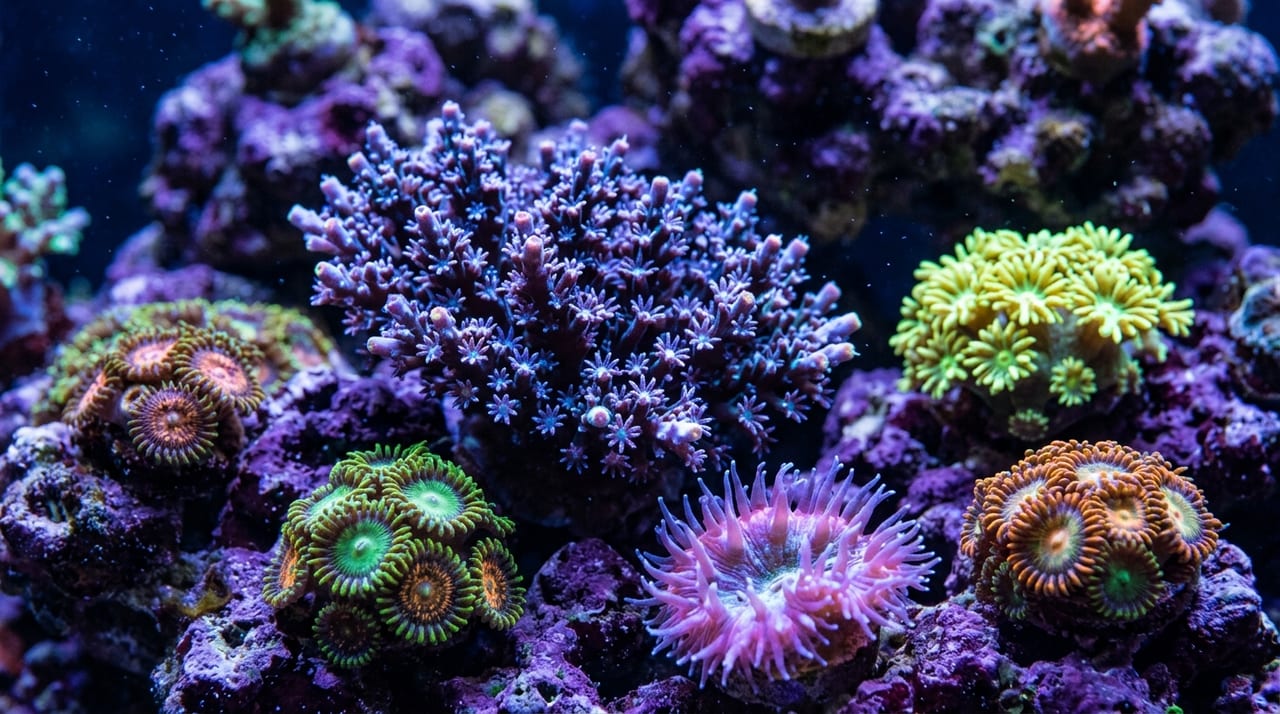
The quintessential beginner coral. The sight of tiny polyps blooming densely together is like watching an underwater flower garden—it's utterly mesmerizing. With extremely varied color options, these corals have high collectibility and remain popular even among advanced hobbyists. At BreederDirect, you can source Zoanthus in various colors directly from breeders.
- Difficulty Level: Very easy
- Light Requirements: Low to moderate
- Water Flow: Low to moderate
- Price Range: ¥1,000–¥3,000 (frags)
Care Tips
The basic placement is on the upper to middle sections of live rock. They grow quickly and can overflow their frag plugs, so be sure to leave adequate space around them. They're also relatively tolerant of water quality changes and can withstand some elevation in nitrate levels, making them suitable for introduction during the early stages of tank setup.
#2: Star Polyps (Green Star Polyps)
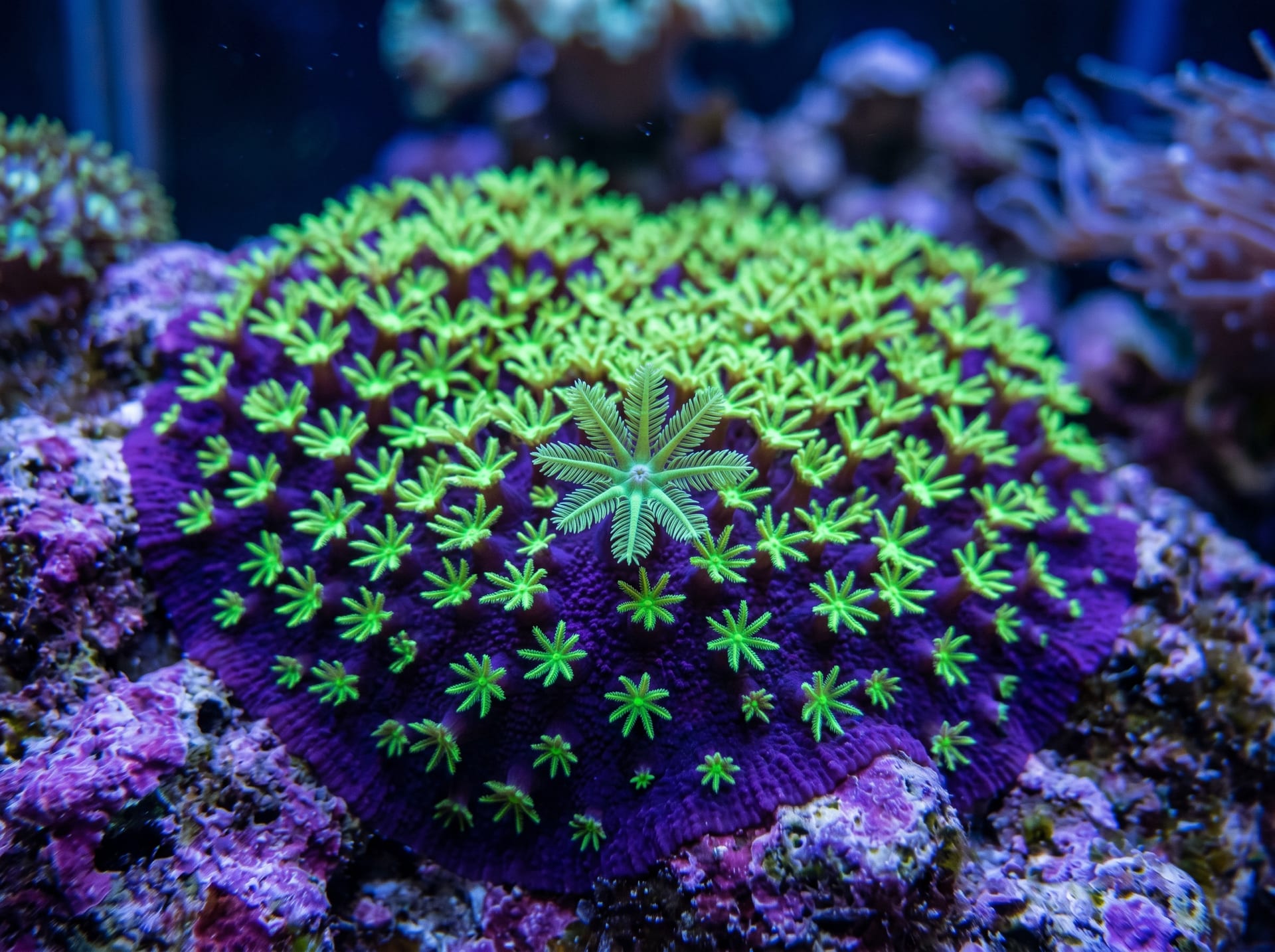
The sight of fluorescent green polyps gradually covering the entire live rock is simply stunning. They grow at an extremely fast rate, becoming visibly larger in a short period, making them the most rewarding coral to maintain. Their hardiness is top-tier, and they won't be bothered by minor water quality fluctuations.
- Difficulty Level: Very easy
- Light Requirements: Low to strong (highly adaptable)
- Water Flow: Moderate
- Price Range: ¥1,500–¥4,000
Care Tips
Since they grow extremely fast, it's crucial to maintain adequate distance between them and other corals. They can actually engulf neighboring corals, so keeping them isolated on a separate rock or frag rack makes management much easier. Their adaptability to light is high, so they can thrive in various locations within the tank.
#3: Disc Corals (Mushroom Corals)
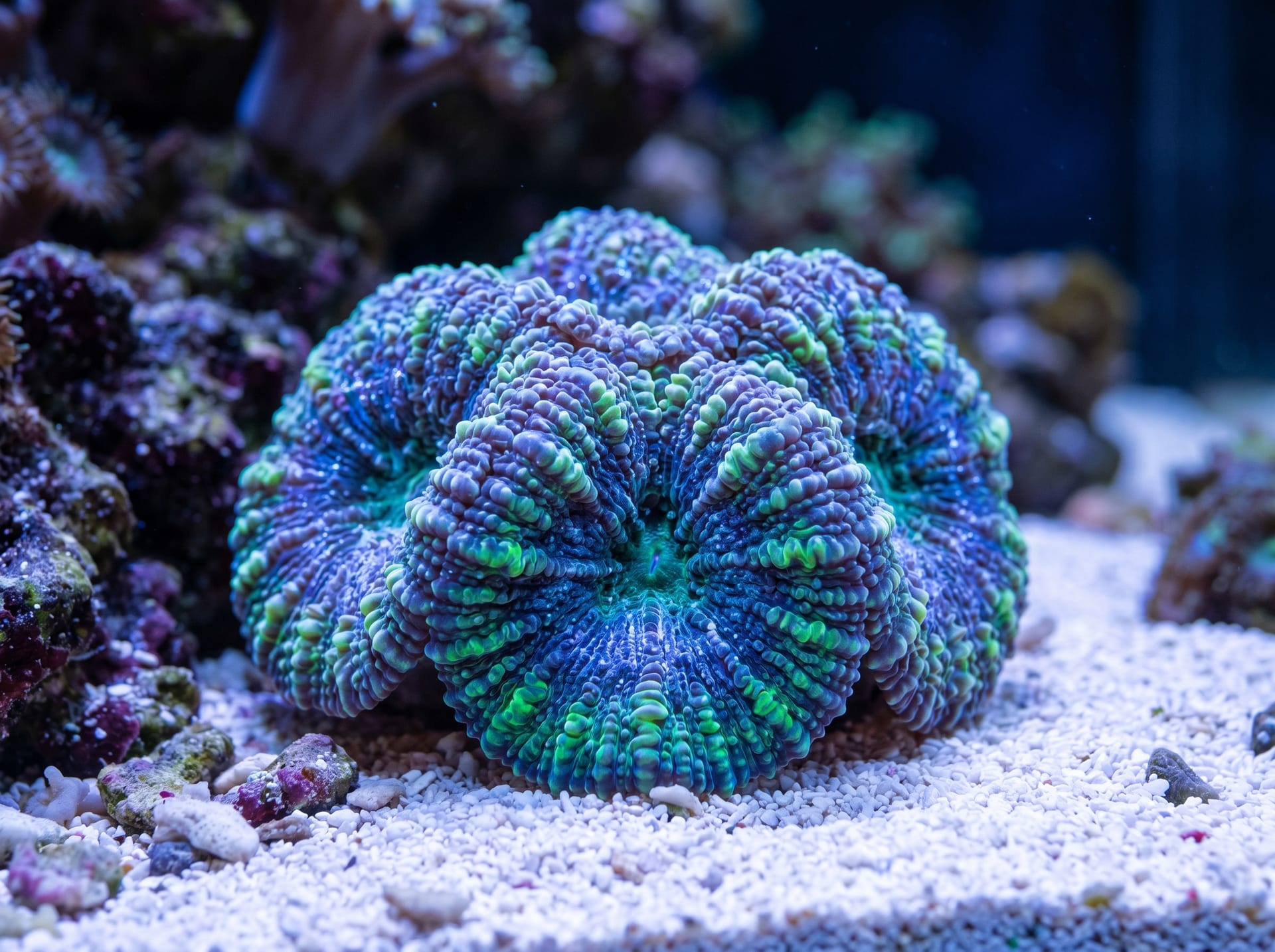
These soft corals have an adorable round, disc-shaped form. They come in a rich variety of colors—red, green, blue, purple, and more—displaying surprisingly diverse appearances for the same species. They have many collectors and can become quite the obsession once you're hooked.
- Difficulty Level: Easy
- Light Requirements: Low to moderate
- Water Flow: Weak
- Price Range: ¥1,000–¥5,000
Care Tips
They prefer lower water flow, so place them in the lower sections of the tank or areas where current is minimal. They attach easily when simply placed in crevices on live rock, eliminating the need for adhesive—a definite plus for beginners. While they reproduce slowly, they'll naturally split and multiply if conditions are favorable.
#4: Leather Coral (Toadstool Coral)
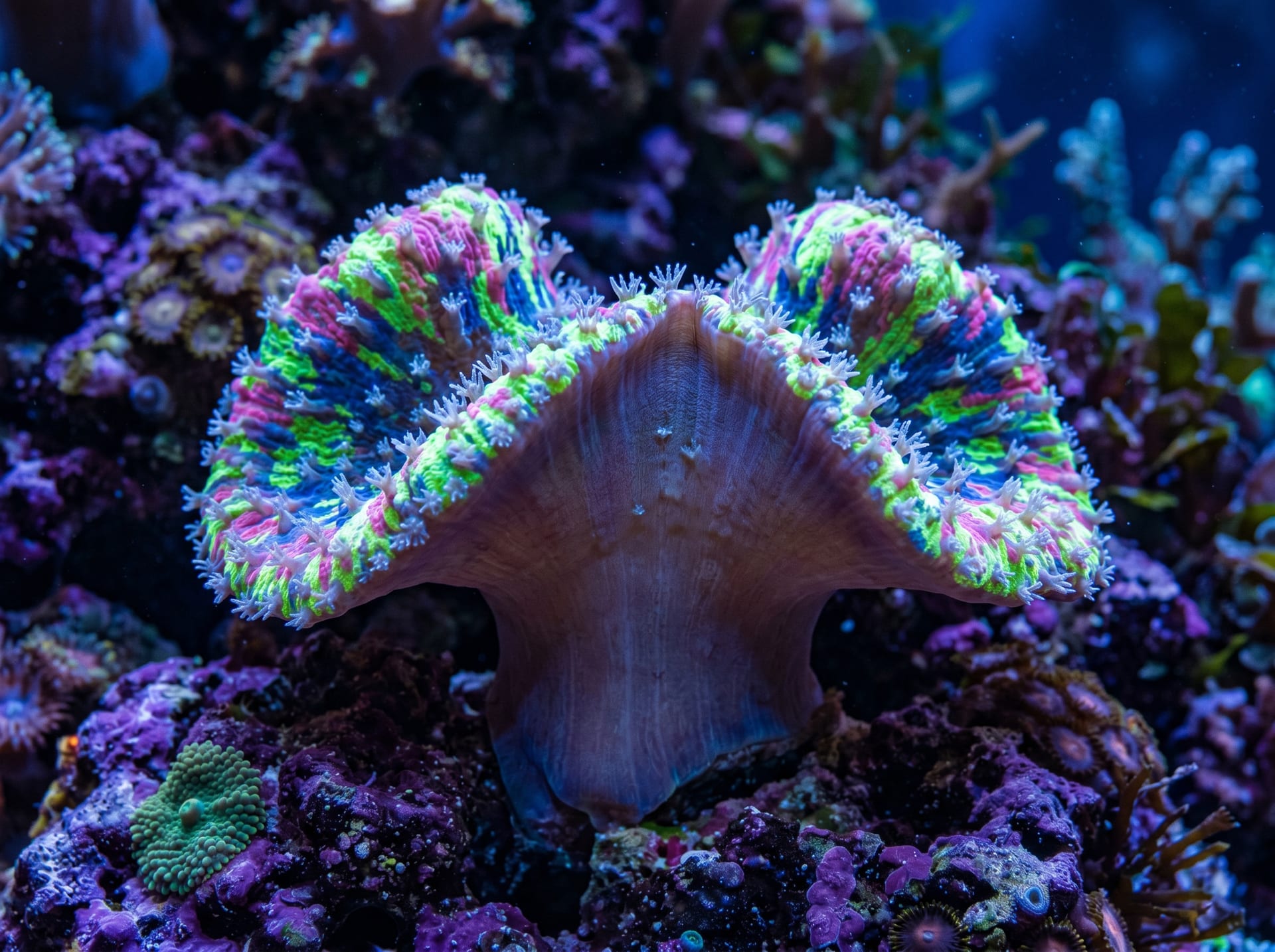
These large soft corals feature a distinctive mushroom or tree-like form. The white polyps swaying in the water current are exceptionally beautiful and make a bold visual statement in the aquarium. Some specimens grow to 20–30 cm in diameter, making them perfectly suited to serve as the centerpiece of a tank.
- Difficulty Level: Easy
- Light Requirements: Moderate
- Water Flow: Moderate
- Price Range: ¥2,000–¥6,000
Care Tips
Position them on top of live rock where they receive adequate light and water flow. During maintenance, they may suddenly retract their polyps and shrink, even shedding a membrane-like outer layer—a behavior sometimes called "molting." This is completely normal and nothing to panic about. They'll return to normal within a few days to a week. As they grow, they'll reproduce, and you can even propagate them by cutting pieces.
#5: Xenia (Pulse Corals)
These soft corals feature delicate beauty, with white or pink elongated polyps growing in clusters. While they're slightly more sensitive than the previous four species, they grow remarkably hardy when given the proper environment. The sight of their open polyps swaying together is like watching underwater flowers bloom, bringing a special atmosphere to your tank.
- Difficulty Level: Somewhat easy
- Light Requirements: Moderate to strong
- Water Flow: Moderate
- Price Range: ¥2,000–¥5,000
Care Tips
Position them in the middle to upper sections of the tank where they receive plenty of light. If nitrate levels become too high, the polyps may fail to open. Regular water changes are essential for maintaining water quality. Once they acclimate to your environment, they'll open consistently and reliably.
Tips for Choosing Your First Coral
We've introduced five species, but you don't need to get all of them at once. We strongly recommend starting with just one or two species. Adding too many corals at once can destabilize water quality and lead to failure. By adding species gradually, you can maintain tank balance while building up your husbandry experience.
Keep these points in mind when selecting:
- Confirm that light and water flow match your tank's conditions
- Be careful about compatibility (allelopathy) between corals in the same tank
- Start with soft corals and gradually progress to LPS, then SPS as you gain experience
BreederDirect's Safety and Reliability
When purchasing corals, the crucial factor is obtaining healthy specimens from trustworthy sellers. Stories abound of aquariums collapsing because store-purchased corals were diseased or weakened during shipping—catastrophic outcomes that could have been prevented.
BreederDirect features corals bred and raised by breeders who sell them directly. Specimens that have been maintained long-term tend to adapt well to new environments and recover quickly after transport. The listing pages provide detailed information about the breeder's care conditions and water parameters, allowing you to assess whether a specimen suits your tank before purchase.
Additionally, you can message breeders directly for husbandry advice—another major advantage. Questions like "Where should I place it?", "How many hours should I keep the lights on?", or "How long should acclimation take?" are things beginners often wonder about, and having access to professional guidance is an assurance you simply don't get from shop purchases.
Begin your coral-keeping journey with a trustworthy breeder by your side.