SPS or LPS: Which Should Beginners Start With? Complete Comparison
Comprehensive comparison of SPS vs. LPS for those starting coral aquaculture. We explain key points beginners want to know, including difficulty level, required equipment, water quality requirements, growth rate, and price range.
Key Takeaways
Comprehensive comparison of SPS vs. LPS for those starting coral aquaculture. We explain key points beginners want to know, including difficulty level, required equipment, water quality requirements, growth rate, and price range.
Related Species
Basic Knowledge of SPS and LPS: What's the Difference?
When beginning coral aquaculture, many people first face the question: "Which should I start with—SPS or LPS?" Though both belong to the same stony coral family, they differ dramatically in difficulty level, required equipment, and water quality management standards. Understanding these differences correctly before making a choice is the shortcut to long-term success.
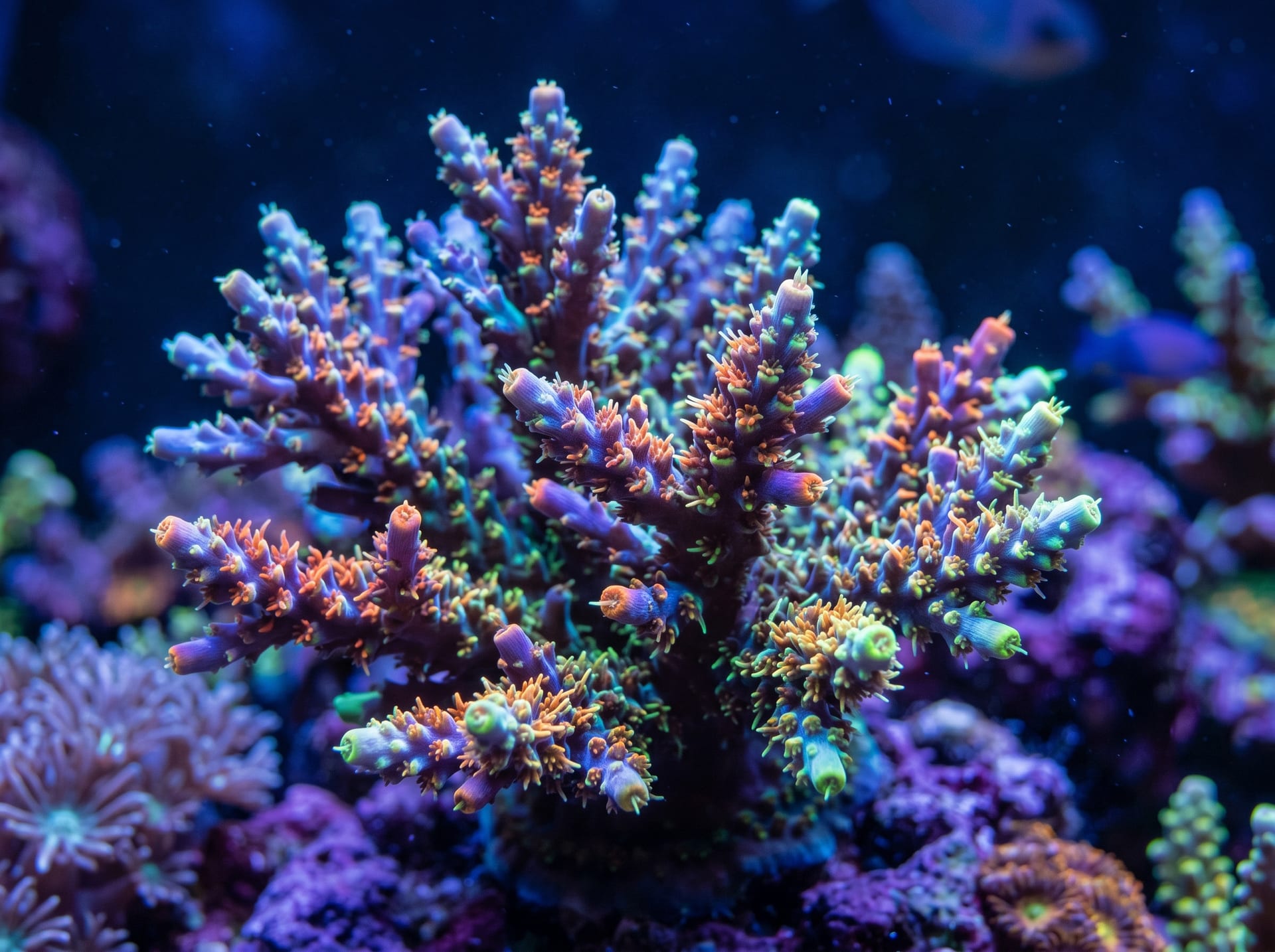
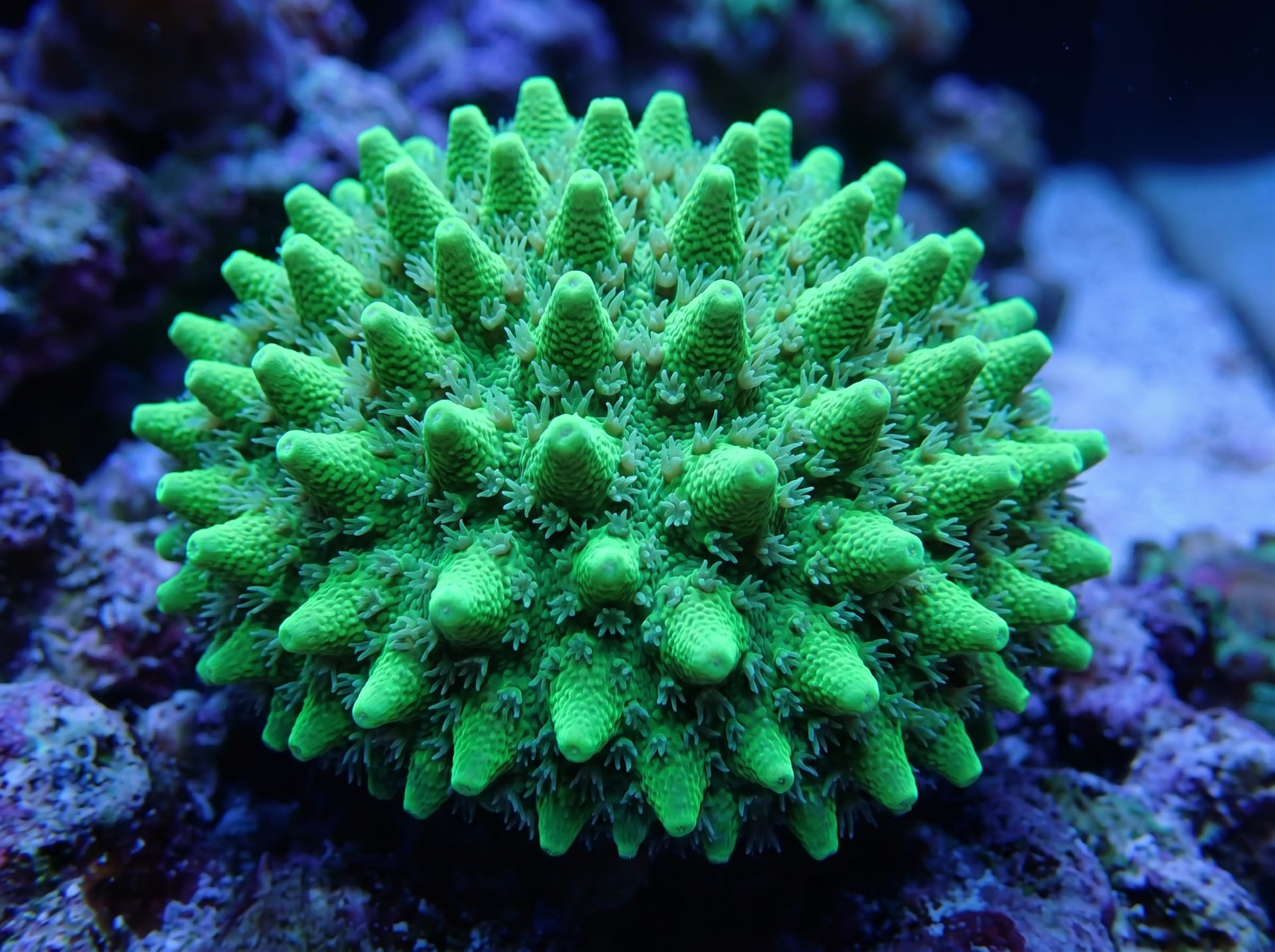
SPS (Small Polyp Stony) refers to the "small polyp stony coral" group, with representative examples including Acropora (Mistletoe corals), Common corals, and Ginger corals. True to their name, the polyps are extremely small, with the entire colony featuring a hard, unified skeleton. They are highly popular among advanced aquarists for their beautiful colors and impressive appearance when grown in colonies.
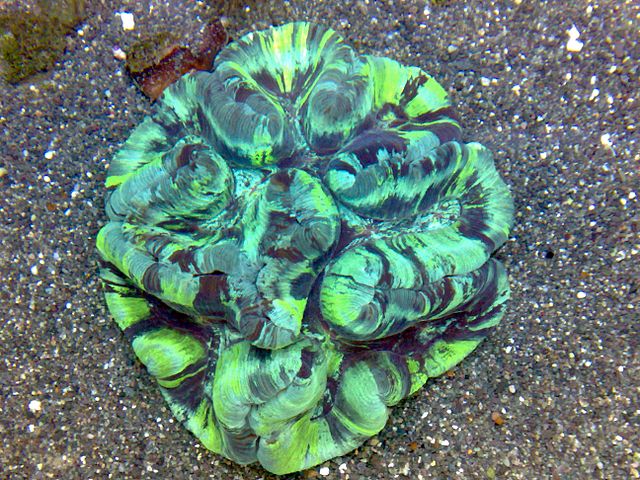
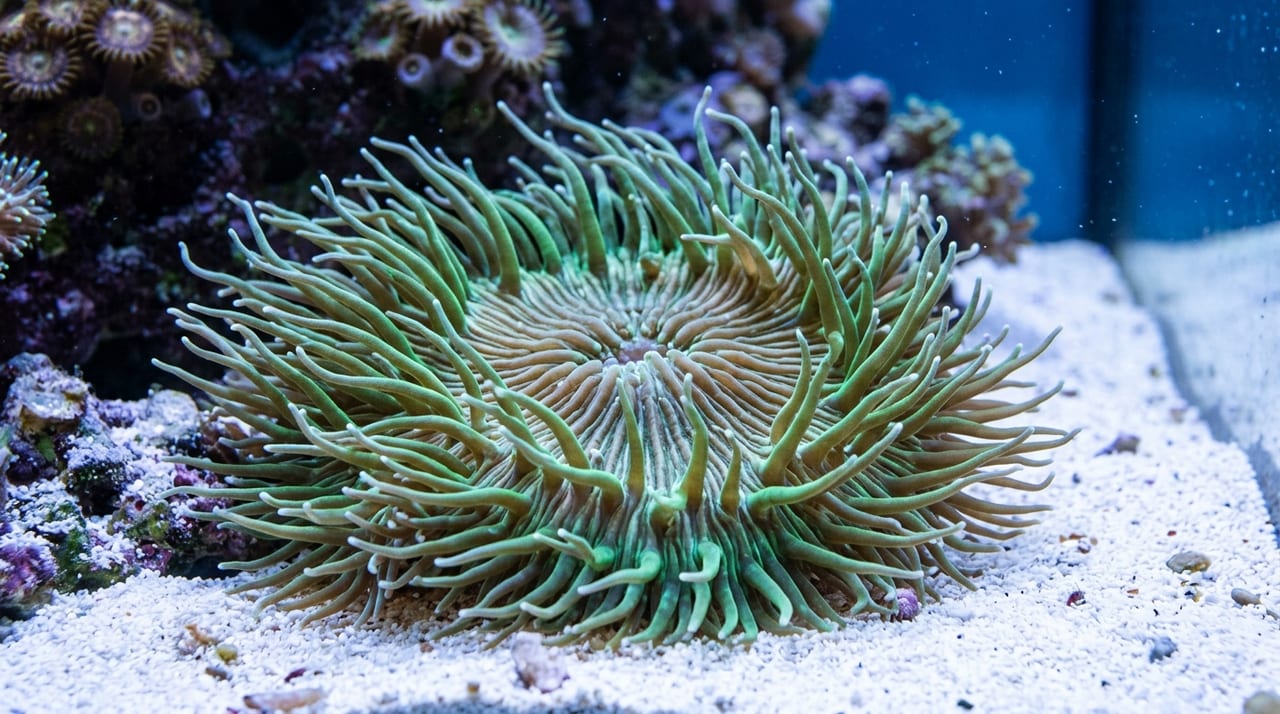
LPS (Large Polyp Stony) stands for "large polyp stony coral," including examples like Fungia corals, Bubble corals, Hammer corals, and Torch corals. Their thick, plump polyps swaying gently create strong visual presence and bring elegance to the aquarium. Compared to SPS, they have higher tolerance to environmental changes and are considered easier to handle for beginners.
Comparison of Difficulty Level and Required Equipment
SPS Difficulty Level: For Advanced Keepers
SPS ranks among the most challenging in marine aquaculture. They are extremely sensitive to even minute water quality fluctuations, and even slight deviations can cause bleaching (tissue necrosis leaving only the skeleton) or complete collapse.
Required equipment must be high-performance.
- Lighting: High-performance LED or metal halide providing PAR values of 200 or above. Budget lighting won't bring out color and growth becomes sluggish
- Water flow: Random flow created by multiple circulation pumps. Dead spots can cause tissue dissolution
- Calcium supplementation: Calcium reactor or dosing pump. Skeleton formation consumes large amounts of calcium and KH, sometimes exceeding what liquid supplements alone can provide