Soft Coral Care Beginner's Guide | Easy-to-Keep Species and Basic Care
Soft corals are hardier than LPS and SPS, making them beginner-friendly. Learn how to choose easy-to-keep species like leather corals, mushroom corals, and star polyps, as well as basic care for water quality, lighting, and water flow.
Key Takeaways
Soft corals are hardier than LPS and SPS, making them beginner-friendly. Learn how to choose easy-to-keep species like leather corals, mushroom corals, and star polyps, as well as basic care for water quality, lighting, and water flow.
Related Species
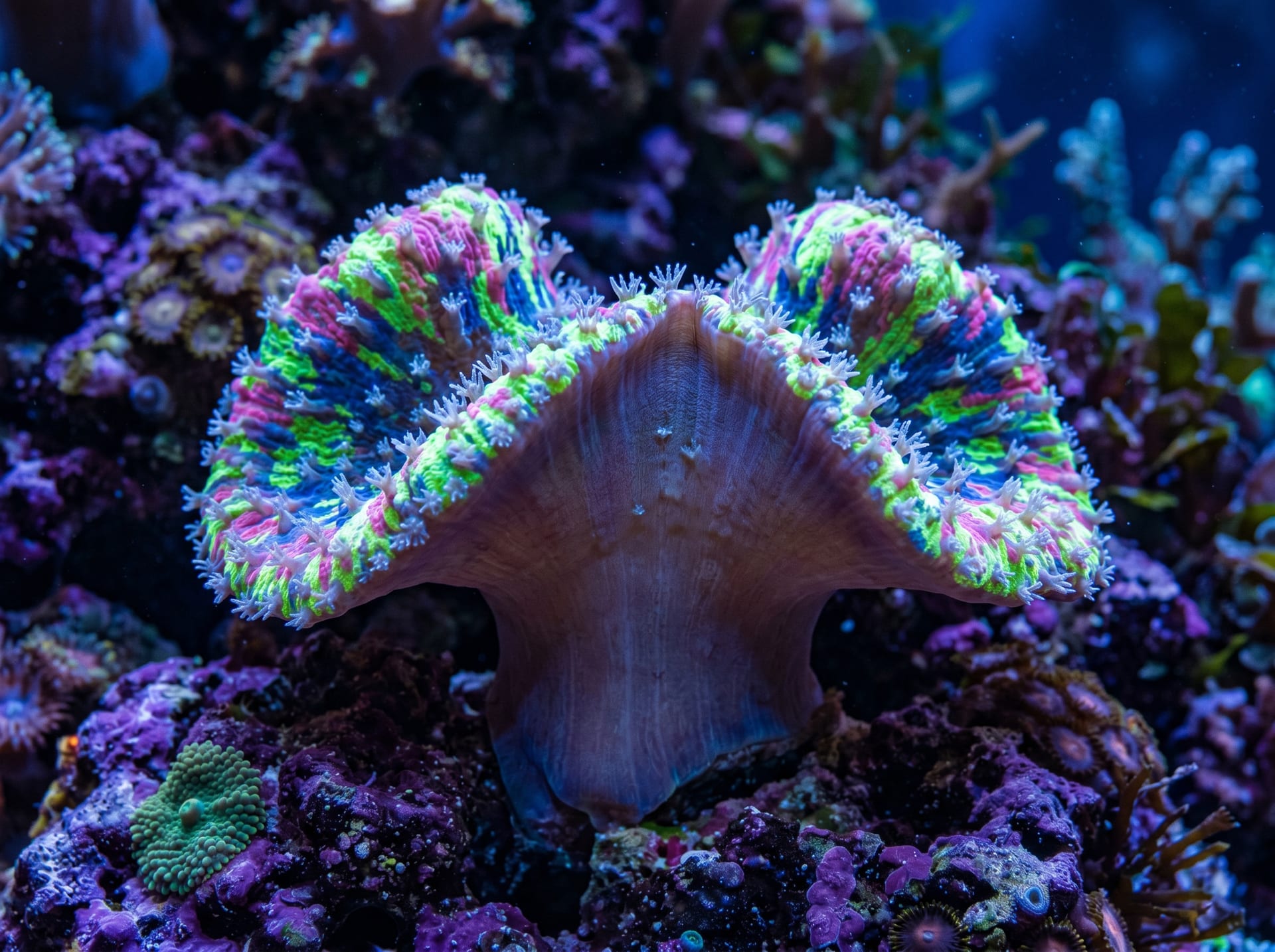
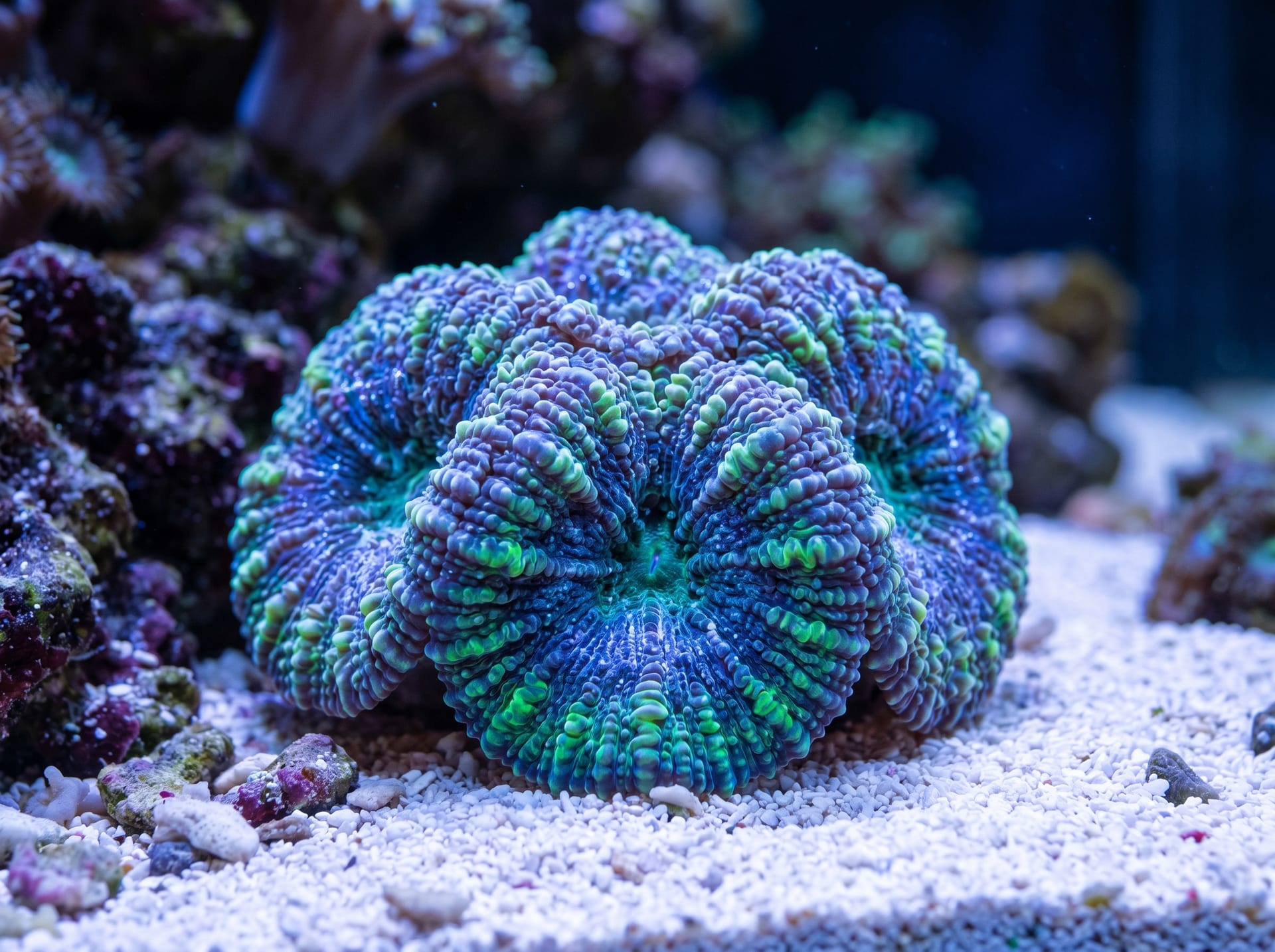
Many people are interested in keeping corals but hesitate, thinking "it seems difficult" or "equipment is expensive." For such beginners, soft corals are highly recommended. Compared to LPS (large polyp stony corals) and SPS (small polyp stony corals), they are hardy and can be kept even with relatively basic equipment, making them beloved as an entry-level reef tank species worldwide.
What are Soft Corals
Corals are broadly divided into "stony corals (hard corals)" and "soft corals." Hard corals have a skeleton made of calcium carbonate, while soft corals lack a skeleton and are characterized by their soft bodies.
Soft corals excel compared to hard corals in the following ways:
- High tolerance to water quality fluctuations
- Many species can thrive under low lighting
- Relatively gentle water flow requirements
- Many species are affordably priced
However, difficulty levels vary among soft corals, so species selection is important.
Beginner-Friendly Soft Corals
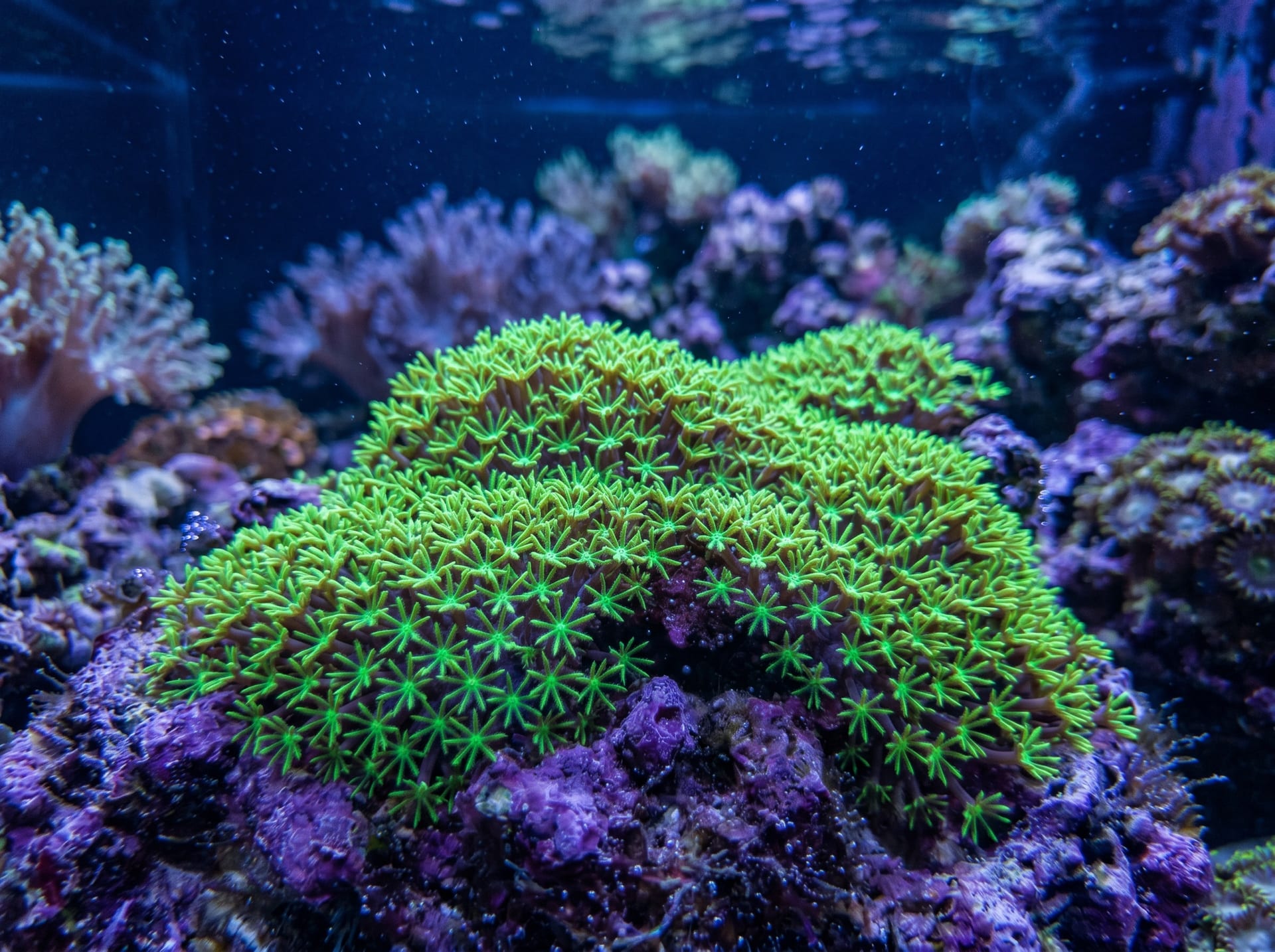
Star Polyps (Clove Polyps) One of the hardiest soft corals. They grow spreading across rock surfaces, with small green or purple polyps displaying in a beautiful carpet-like formation. Light, water flow, and water quality demands are low, and they can be kept with nearly "set and forget" care. However, since they grow quickly and can potentially overgrow other corals, it is better to manage them in isolation.
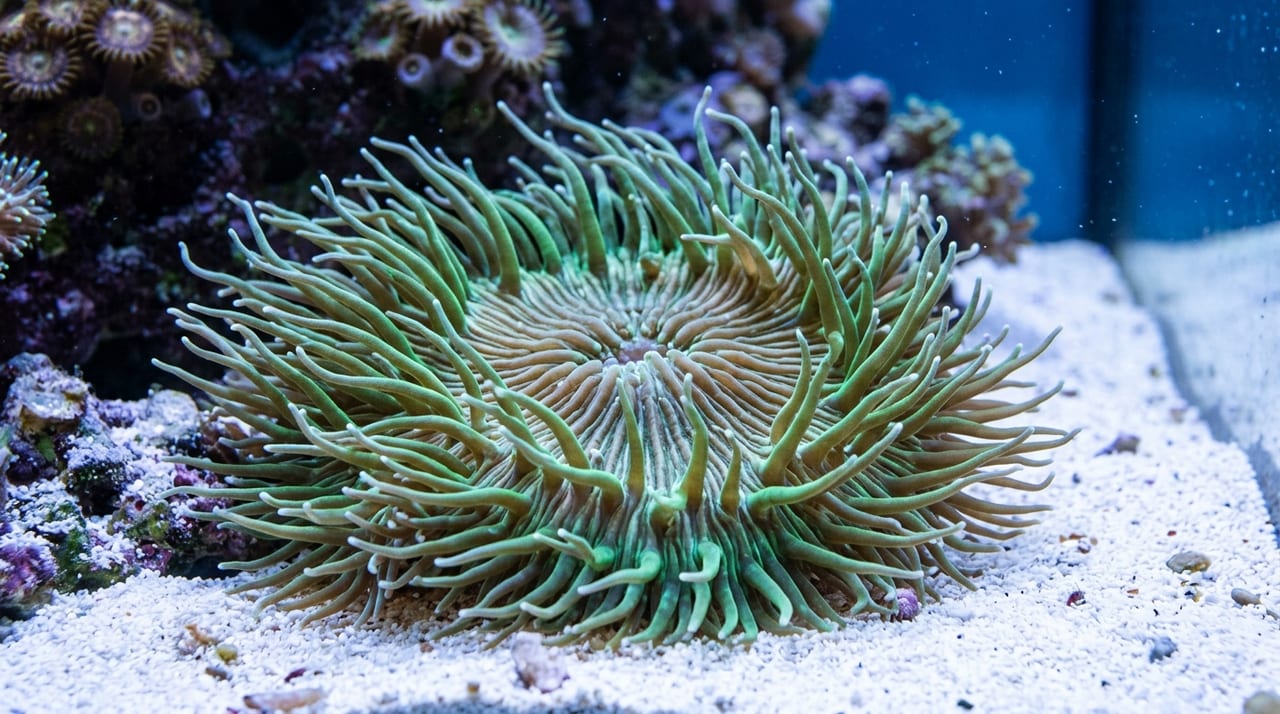
Leather Corals (Sea Leather Corals) A species characterized by its shape resembling a rooster's comb. There are multiple types such as flowing leather corals and branching leather corals, with abundant color variations. They grow well with moderate water flow and lighting. When their polyps are extended, they are extremely elegant and command a prominent presence in the aquarium.
Mushroom Corals (Shroom Corals) A soft coral that, true to its name, has a mushroom-like shape. They are hardy, grow quickly, and easily divide and propagate. Colors include white, green, brown, and more. They do not tolerate strong water flow, so provide gentle water movement.
Disc Corals (Discosoma) A species with a circular disc shape and vibrant colors. They are sometimes classified alongside zoanthids as polyp relatives. They are tolerant of low light and can be placed in shaded areas of the tank.
Zoanthids (Zoas) A species in which small button-like polyps grow in colonies. They have extremely abundant color variations and are highly popular among collectors. They grow well under low to moderate lighting and water flow. Rare colors are expensive, but basic types are reasonably priced.
Basic Care: Water Quality Management
To keep soft corals healthy, maintain the following water quality parameters:
Salinity (specific gravity): 1.025–1.026 (same as seawater) Temperature: 24–26°C (a chiller is necessary in summer) pH: 8.1–8.3 Ammonia/Nitrite: Should not be detected Nitrate: 20 ppm or less (ideally 10 ppm or less) Alkalinity (KH): 8–12 dKH Calcium: 380–450 ppm
While not as stringent as hard coral requirements, keep ammonia and nitrite at zero. Perform water changes once weekly at 10–20% of total tank volume.
Basic Care: Lighting
Most soft corals do well with moderate lighting. The majority of species thrive with a PAR value (a measure of light intensity) of around 50–200.
LED lights are energy-efficient, generate less heat, and are ideal for marine fish and coral keeping. T5 fluorescent lights are also excellent but are being replaced by LEDs. Fluorescent lights (T8) often lack sufficient light intensity, so we recommend at least T5 or higher even for soft corals.
The ideal photoperiod (lighting duration) is 8–12 hours. Manage lighting regularly with a timer.
Basic Care: Water Flow
Many soft coral species prefer gentle water flow. Constant strong flow from the same direction can damage their tissue.
By using a wave pump to create irregular water flow, you can recreate an environment closer to the natural ocean. Adjust pump placement so water flow reaches all corals evenly.
Caution: Soft Coral Toxicity
Some soft corals (particularly leather corals) secrete terpene compounds that can affect other corals and fish. When mixing soft and hard corals, pay attention to species compatibility.
Also, wash your hands thoroughly after working in the tank. Some toxic compounds can irritate the skin.
Summary
Soft corals are ideal companions for beginning reef aquarium keeping. By starting with star polyps or mushroom corals and gradually expanding your collection, you can build a beautiful reef aquarium. Enjoy the pleasure of coral keeping as you gradually upgrade your equipment.