Coral Types Comparison Guide | Characteristics and Difficulty Levels of Soft, LPS, and SPS Corals
Explanation of the differences and care difficulty between soft corals, LPS, and SPS. Learn the characteristics of representative species like Button Polyps, Euphyllia, and Acropora, their light and water flow requirements, and which corals are best for beginners.
Key Takeaways
Explanation of the differences and care difficulty between soft corals, LPS, and SPS. Learn the characteristics of representative species like Button Polyps, Euphyllia, and Acropora, their light and water flow requirements, and which corals are best for beginners.
Related Species
Coral Types Comparison Guide | Characteristics and Difficulty Levels of Soft, LPS, and SPS Corals
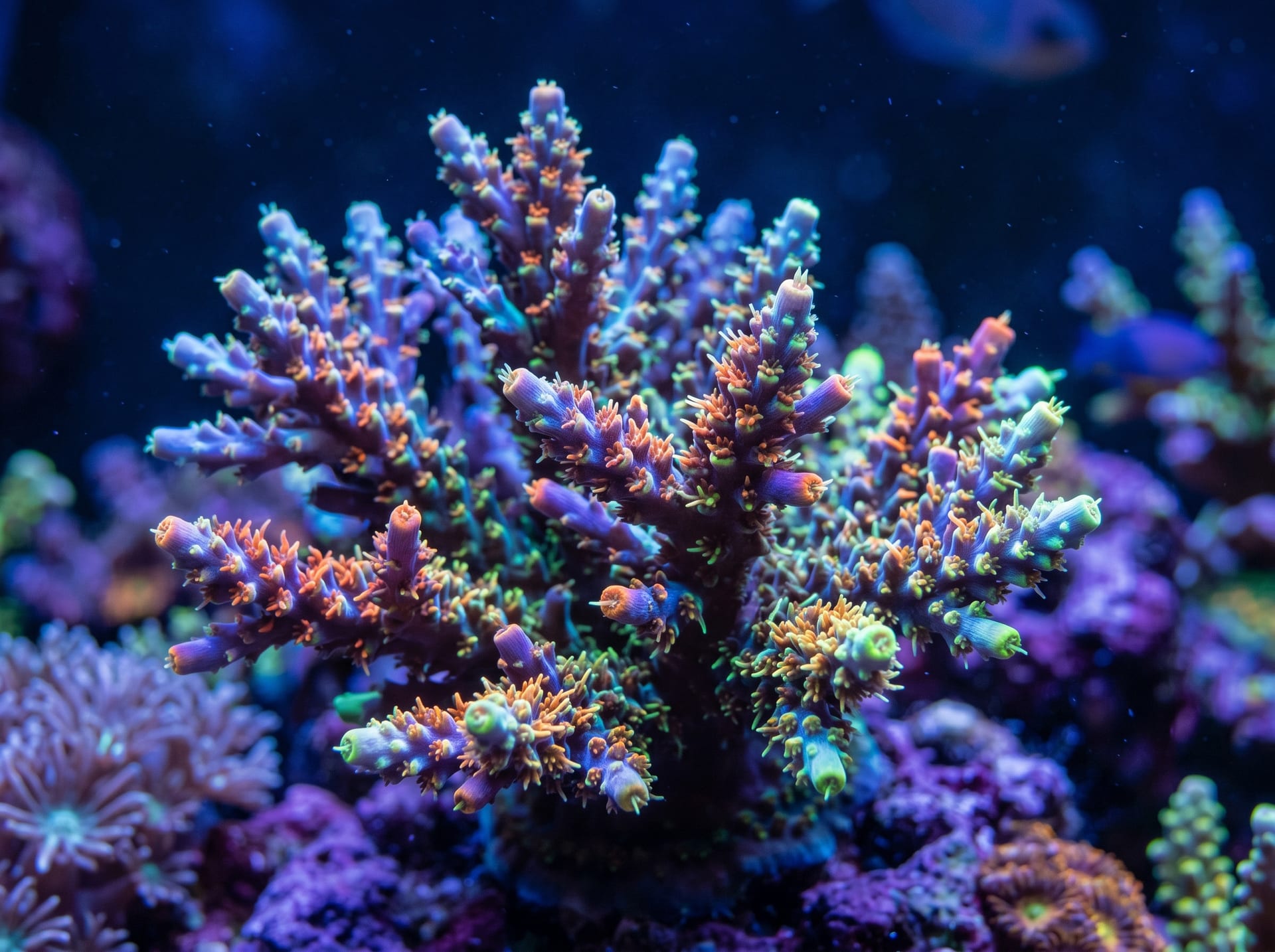
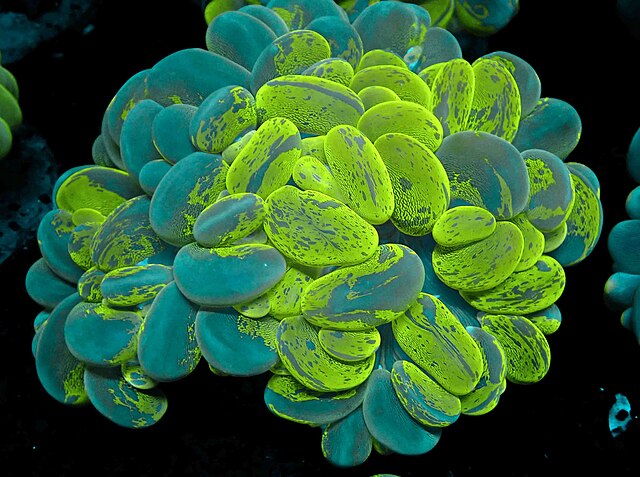
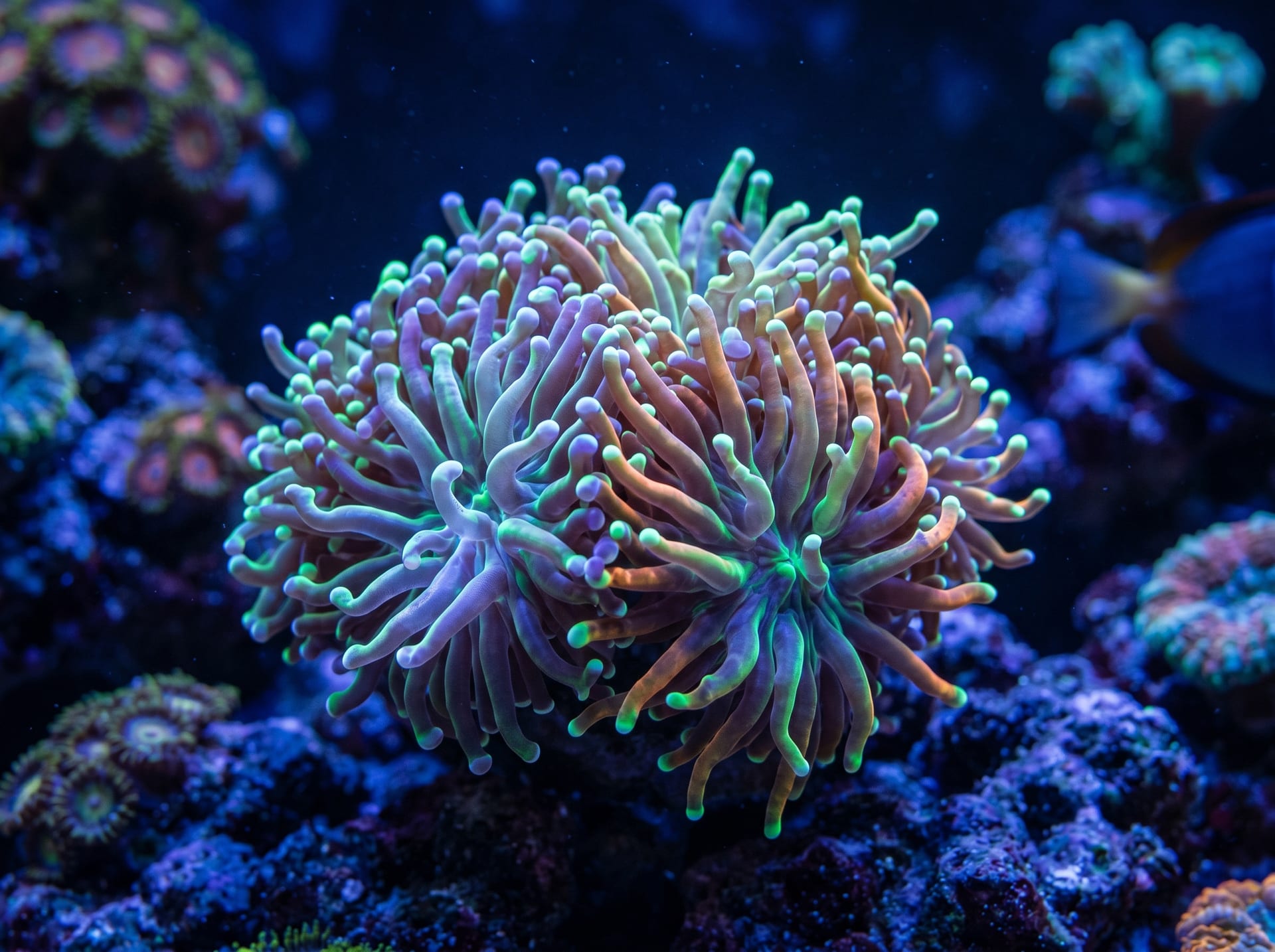
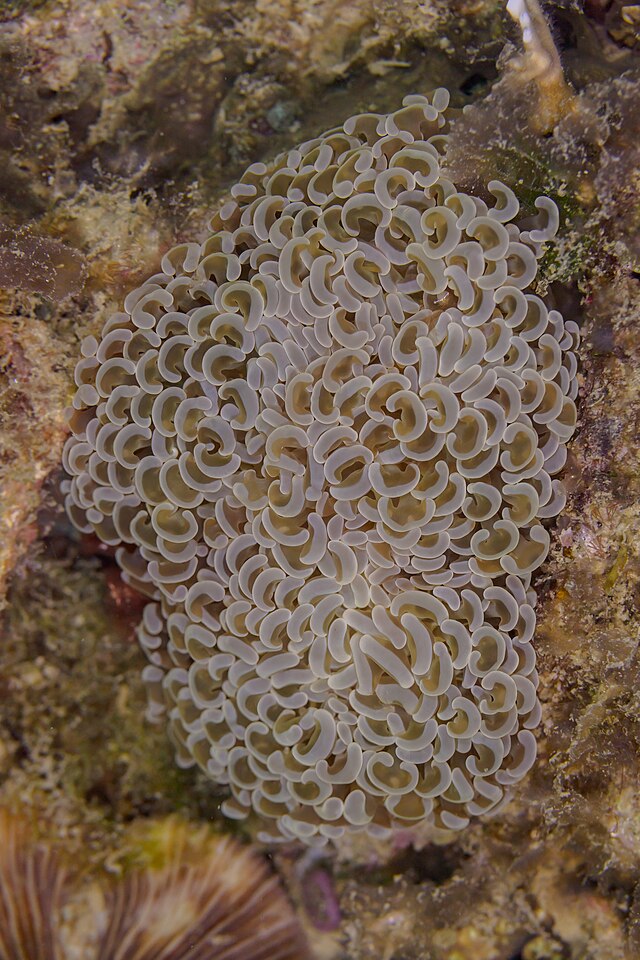
Corals are the stars of a saltwater aquarium. Their vibrant colors and unique forms create the sensation of recreating an authentic ocean in your own home. However, the term "coral" encompasses an incredibly diverse range of species, each requiring different equipment and management levels.
Corals are broadly classified into three categories: "Soft Corals," "LPS (Large Polyp Stony Corals)," and "SPS (Small Polyp Stony Corals)." Understanding the differences between these three types is the first step to maintaining a successful coral aquarium long-term. This article will explain the characteristics, difficulty levels, and representative species of each, helping you choose what's right for your experience level and setup.
---
Soft Corals | Ideal Beginner-Friendly Starting Species
Soft corals are a collective term for "soft corals" that lack a hard, calcified skeleton. Most species contain microscopic skeletal elements called sclerites within their bodies instead of a rigid framework, characterized by their distinctive soft texture.
Care Characteristics
Soft corals have the widest tolerance for water quality variations among the three types, making them the easiest for beginners to manage. Many species can thrive without extremely high lighting, so a standard saltwater aquarium setup is sufficient to get started. Their relatively fast growth rate means you'll enjoy a lively tank early on—a very rewarding experience.
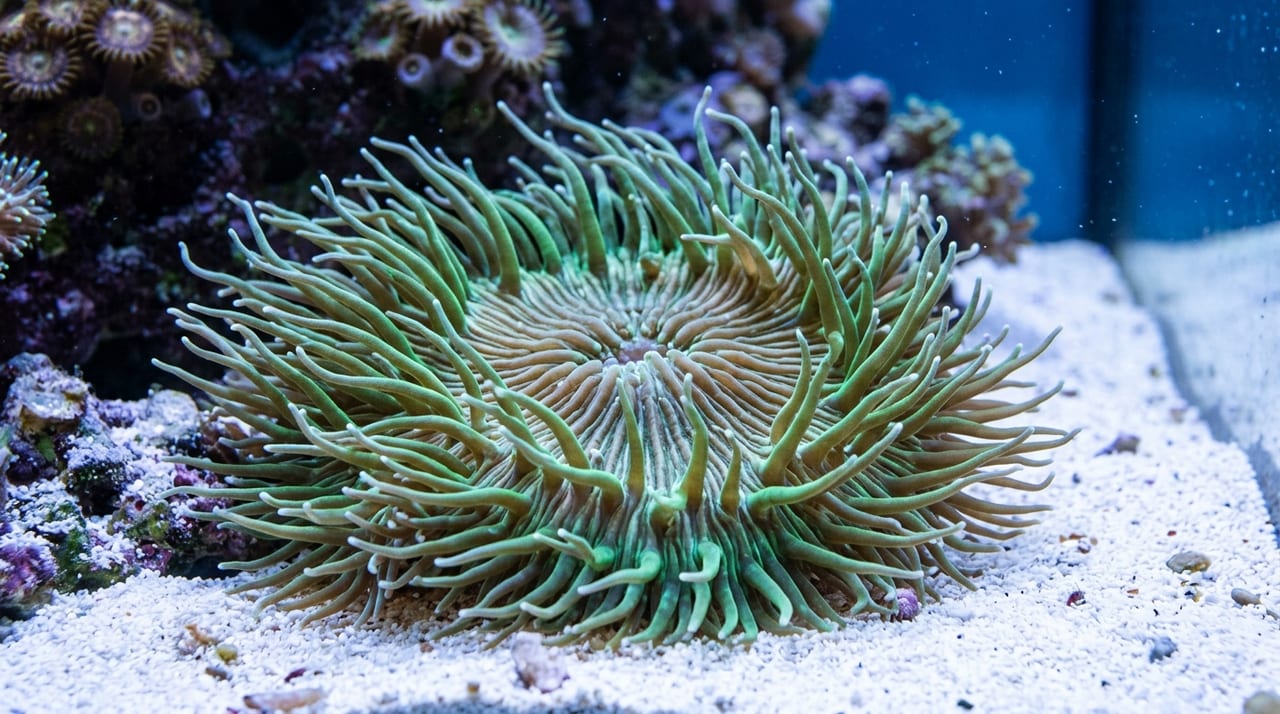
One concern to watch for is toxicity. Some species like Sea Anemones and Corallimorphs possess potent toxins. It's essential to confirm compatibility between fish and other corals before placing them in the same tank. Additionally, some species reproduce rapidly, potentially overgrowing other corals in the aquarium. Plan your layout with ample spacing.
Representative Species
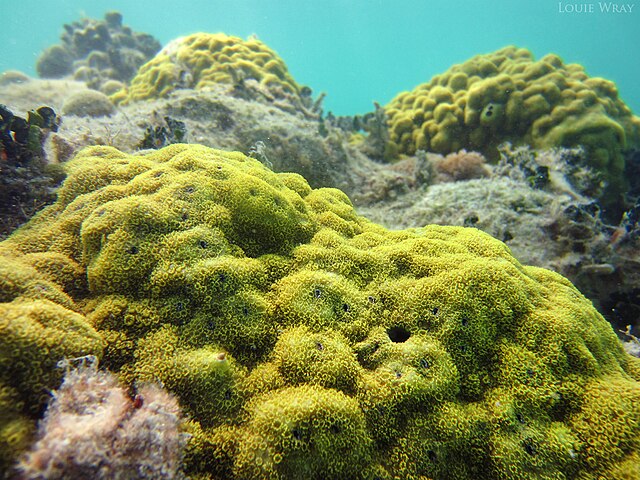
- Button Polyps: Abundant color variations with high collectibility—a classic choice
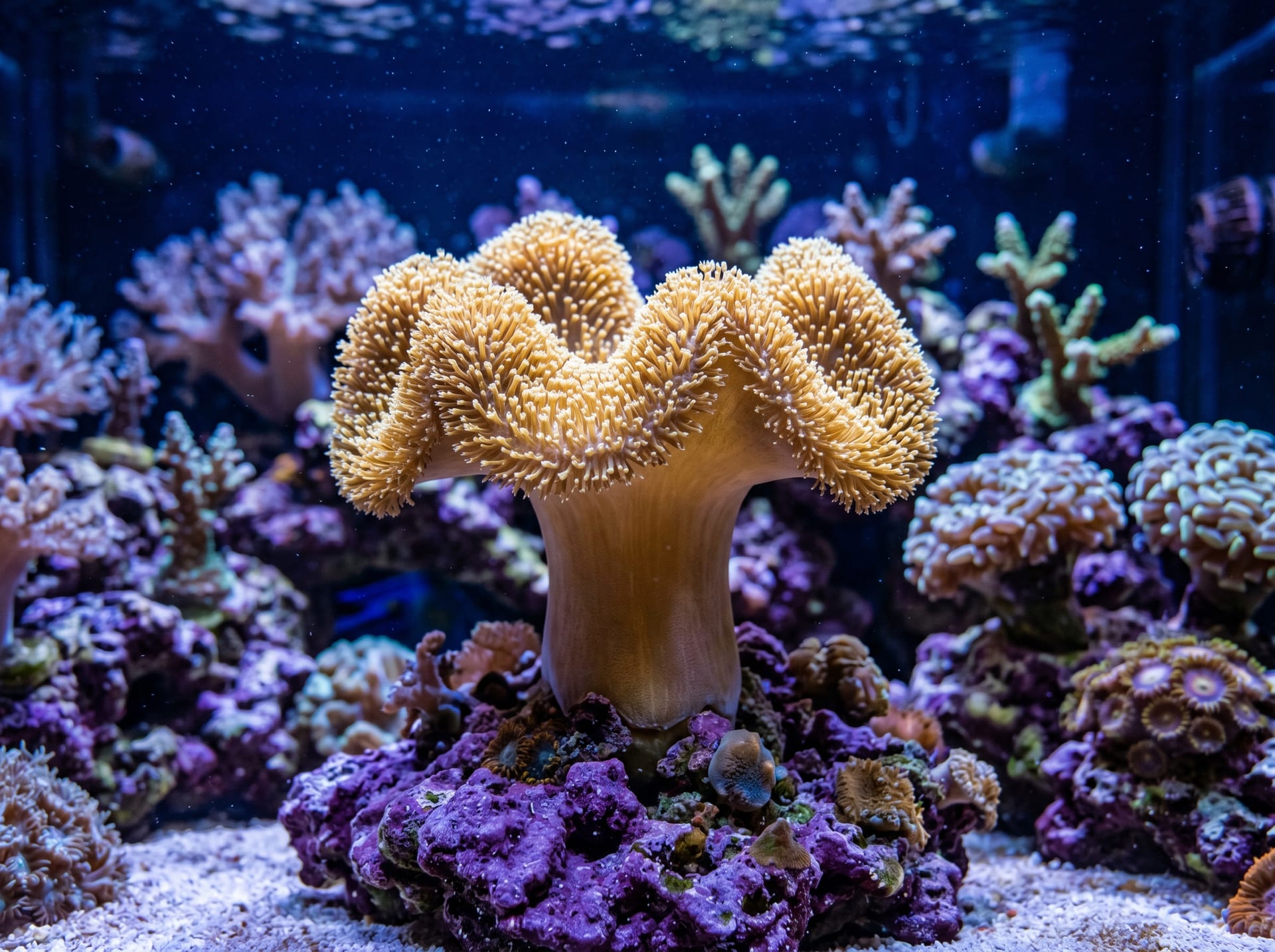
- Toadstool Coral (Sea Toadstool): Popular for its distinctive frilly appearance; thrives with water flow