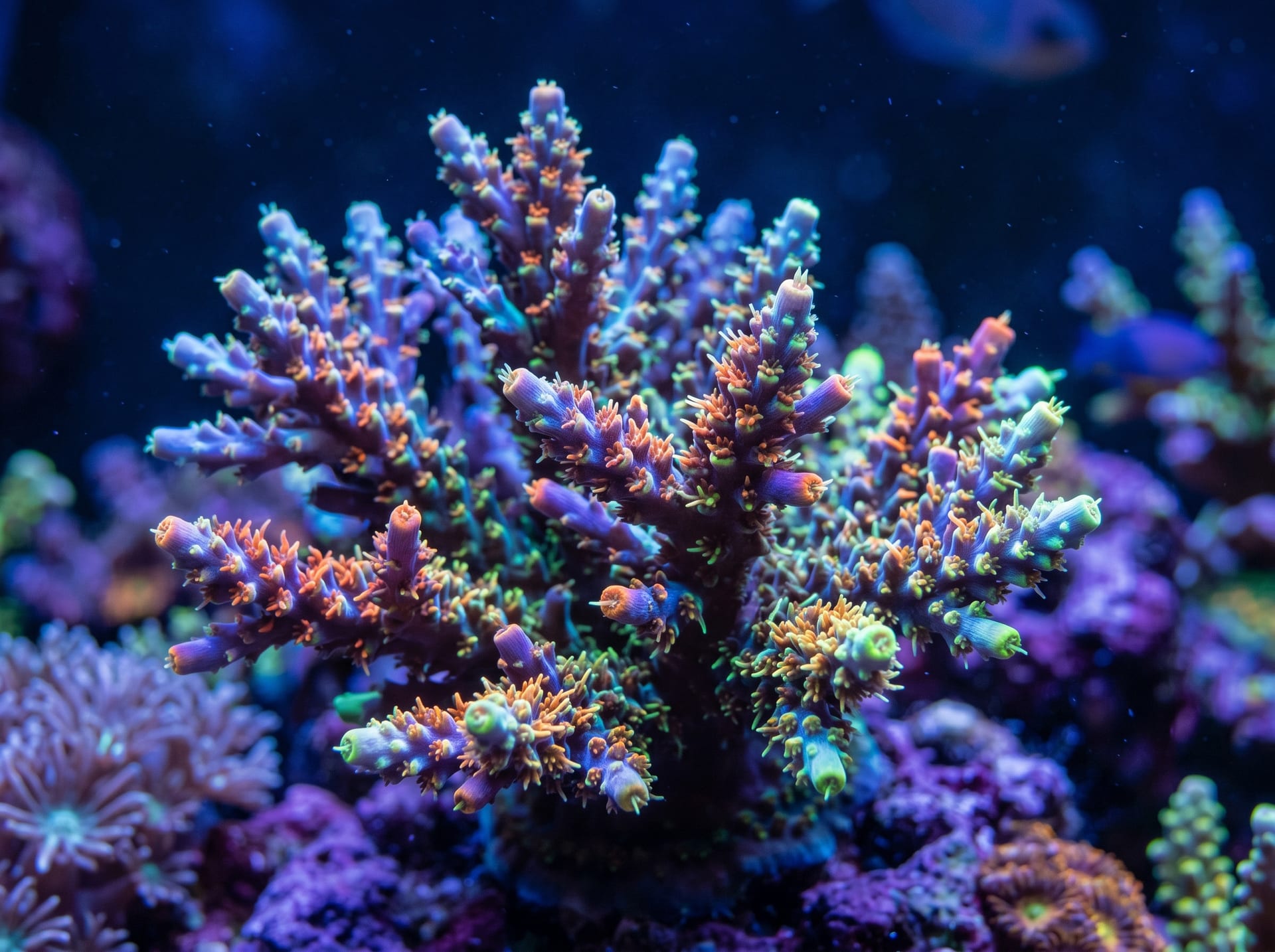
AI-generated image
Acropora
AdvancedAcropora sp.
The pinnacle of coral keeping. Requires intense lighting and pristine water quality, but rewards with stunning growth and coloration.
Difficulty
Advanced
Temperature
24〜26℃
Diet
Photosynthesis (zooxanthellae)
About
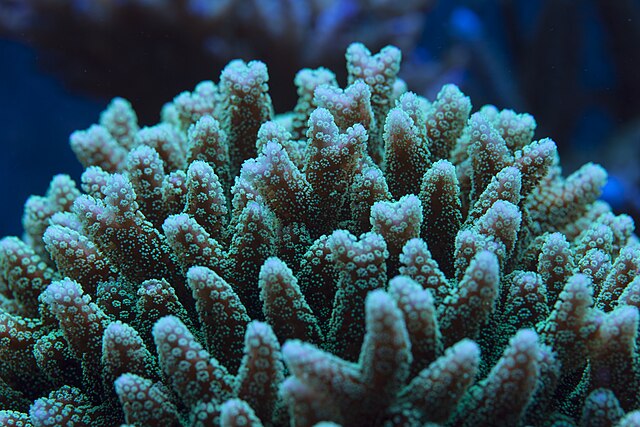
Acropora is the most species-rich genus of reef-building corals, with over 149 described species. Found throughout the Indo-Pacific shallows, Acropora forms the structural backbone of coral reefs in branching, table, and bushy growth forms. Its small polyps display vivid blues, greens, purples, and pinks. Successful husbandry requires high-intensity lighting (300+ PAR), strong turbulent flow, and stable reef chemistry—calcium 400–450 ppm, alkalinity 8–9 dKH, and magnesium 1280–1350 ppm. While sensitive to parameter swings and best suited to experienced reefkeepers, Acropora frags readily and remains the centerpiece species in high-end reef aquaria.
Source: Wikipedia (CC BY-SA 4.0)
Temperature & humidity for the Acropora
The ideal temperature for the Acropora is 24〜26℃.
Basic Info
Origin
tropical shallow reefs of the Indo-Pacific
Temperature
24〜26℃
Diet
Photosynthesis (zooxanthellae)
Care Guide
Lighting
High output LED (300+ PAR recommended)
Flow
Strong, turbulent flow
Care Specifications
- Carbonate (KH)
- 8–11 dKH
- Water Temp.
- 24–26℃
- Specific Gravity
- 1.023–1.025
- Salinity
- 33–35 ppt
- Calcium (Ca)
- 420–450 ppm
- Magnesium (Mg)
- 1300–1400 ppm
SPSLight: High (PAR>150)Flow: HighPlacement: Top
Sources: AlgaeBarn: SPS/LPS care (PAR/flow) / AlgaeBarn: Water Parameters 101
Calls & Media
Fluorescence appearance
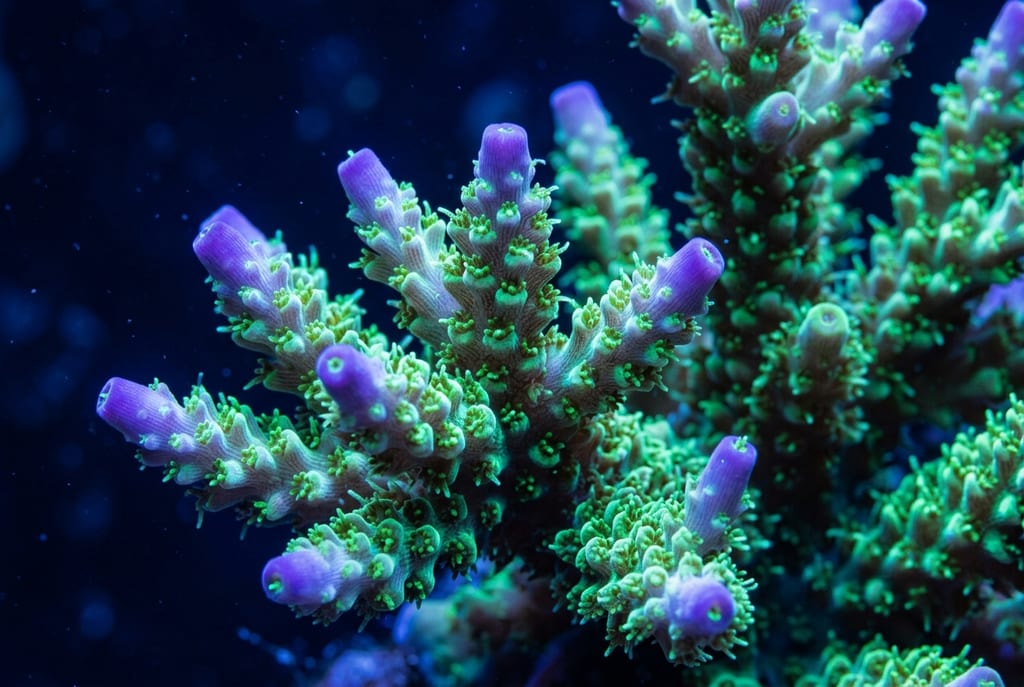
Coral fluorescent proteins are excited by blue/actinic light. Appearance differs greatly from under white light.
References & Sources
Edited & verified by: BreederDirect editorial team
The taxonomic, regulatory, and husbandry data on this page are compiled and verified against the authoritative primary sources below.
Taxonomy & Authority
Accepted name: Acropora sp. Oken, 1815
Synonyms: Conocyathus, Distichocyathus, Heteropora
Authority databases: WoRMS
Nomenclature follows global taxonomic authority databases.
Regulations & Conservation Status
CITES Appendix II
Scleractinia (Acropora, Acroporidae) = Staghorn coral. CITES Appendix II.
Sources: DOC NZ / CITES-listed corals (Scleractinia spp. = App. II)
Regulations may change. Always verify the latest information with the relevant authorities.
Acropora Listings
Loading latest listingsFind listings for this species