Acropora Species Care Guide: Characteristics and Difficulty Comparison of Popular Species
A species-specific care guide for Acropora, the star of SPS keeping. Introduces characteristics of popular species such as A. tenuis and A. cerealis, along with their light intensity and water flow requirements.
Key Takeaways
A species-specific care guide for Acropora, the star of SPS keeping. Introduces characteristics of popular species such as A. tenuis and A. cerealis, along with their light intensity and water flow requirements.
Related Species
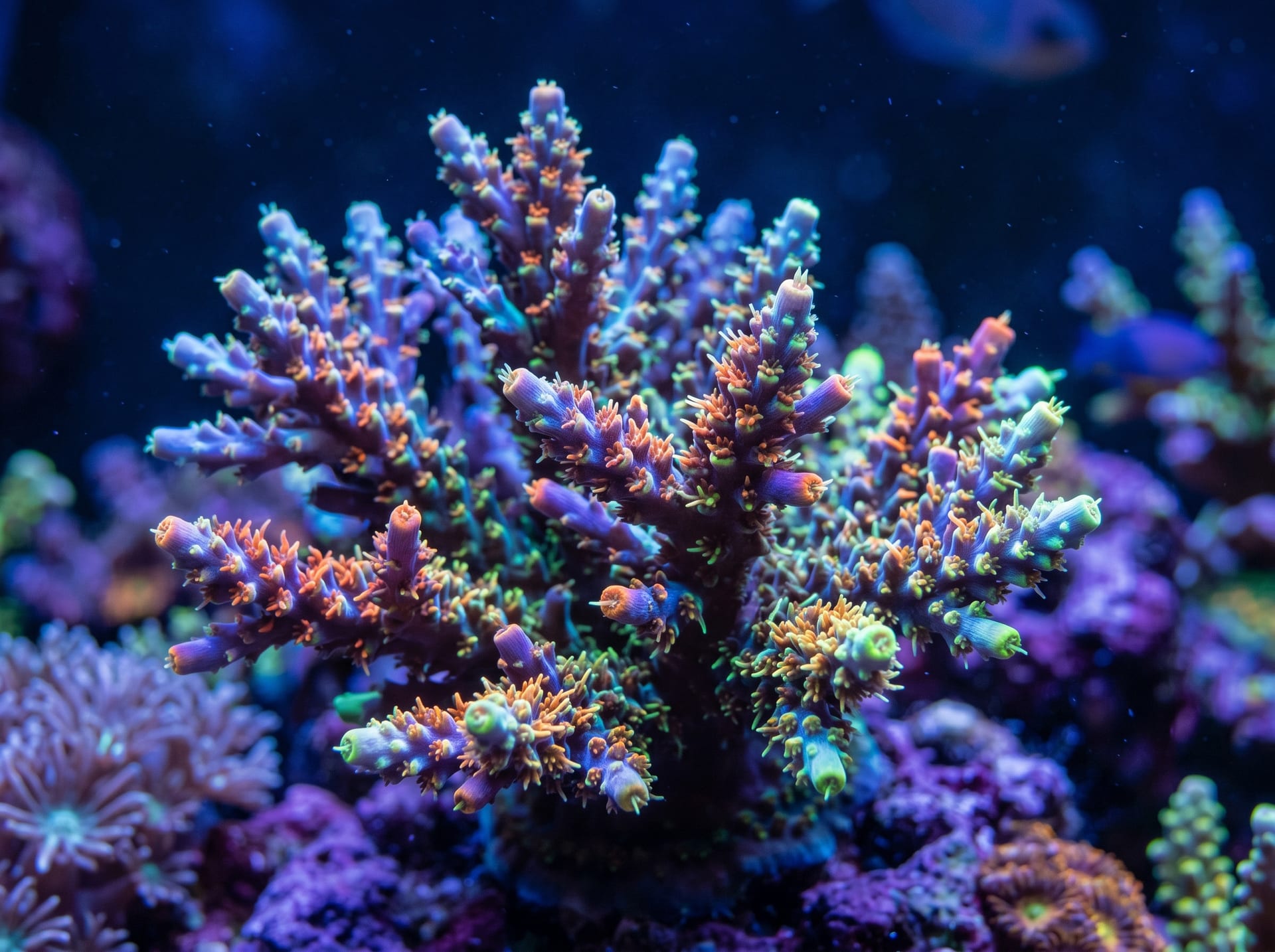
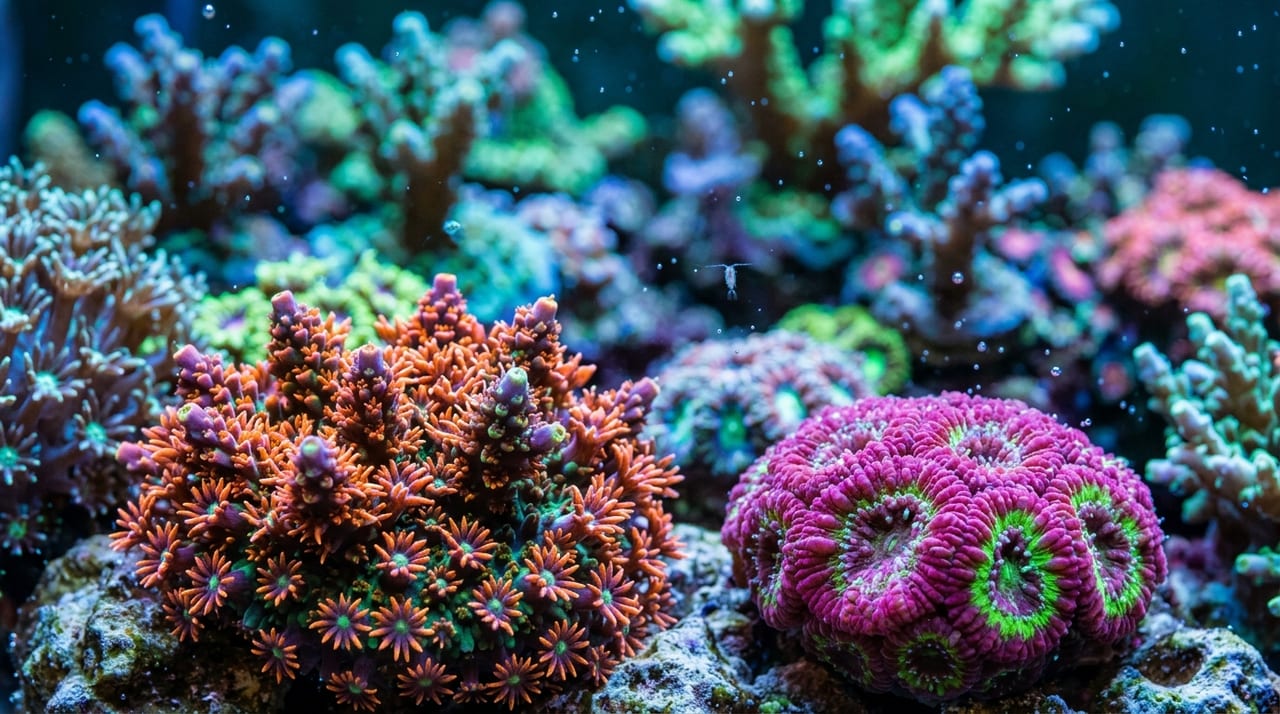
Acropora species occupy the pinnacle of coral aquariums as SPS (Small Polyp Stony Coral), and their vivid colors and beautiful skeletal structures are the envy of reef keepers. However, Acropora requires high skill to maintain, and cannot survive unless water quality, lighting, and water flow are all managed at high standards. Though Acropora is grouped under one name, many species exist, and ease of care and preferred environmental conditions vary by species. This article introduces popular Acropora species and explains the key points for keeping each.
Prerequisites for Acropora Care
Before attempting to keep Acropora, verify that your aquarium environment meets the following conditions. The tank should have been established for at least six months to one year, with water quality stabilized as a prerequisite. Introducing Acropora to a new tank results in high likelihood of bleaching due to water quality fluctuations. Target values for water quality parameters are as follows:
| Item | Target Value |
|---|---|
| Specific Gravity | 1.025–1.026 |
| Water Temperature | 25–26°C |
| KH | 7–9°dH |
| Calcium | 420–450 ppm |
| Magnesium | 1,280–1,350 ppm |
| Nitrate | 1–5 ppm |
| Phosphate | 0.01–0.03 ppm |
- Lighting requires a high-output LED capable of maintaining PAR values of 200–400 at the top of the tank.
- Acropora prefers strong random flow, with a target flow rate of 30–50× the tank volume per hour.
- A protein skimmer is essential, with recommended processing capacity of 2–3× the tank volume.
- An automatic supplementation system via calcium reactor or dosing pump for KH, calcium, and magnesium is also essential for stable maintenance.
Beginner-Friendly Acropora Species
Below are Acropora species that are relatively easy to keep.
- A. tenuis features a slender, branching skeleton and is the most recommended species for those new to Acropora. It offers abundant color variations including green, purple, blue, and pink, with relatively fast growth. A PAR of 200–350 is sufficient, and it prefers moderate to strong water flow.
- A. microphthalma is a species with short, finger-like branches densely packed, and is beginner-friendly alongside A. tenuis. Pink and green individuals are common, and the coral spreads into a table-like form as it grows.
- A. cerealis / A. nobilis group is characterized by thick branches and is considered somewhat more resilient to water quality fluctuations compared to other Acropora species.
These species are optimal choices for first-time Acropora keepers, and it is wise to gain experience with these before attempting more challenging species.
Intermediate to Advanced Acropora Species
After gaining experience, challenge yourself with species featuring more vivid colors or unique skeletal morphologies.
- A. humilis features short, thick branches densely clustered, with beautifully radiating skeletal structures. It prefers strong lighting and strong water flow, and when conditions are ideal, it exhibits deep purple or blue coloration.
- A. hyacinthus features thin, plate-like branches that spread into a table-like form, making it ideal for recreating natural reef edges. Growth is rapid and spread is extensive, so adequate space is necessary.
- Acropora sp. (common name: Strawberry Shortcake) is a popular color variant with cream-colored branch tips and striking pink-hued branches that commands high prices among collectors. Water quality maintenance is extremely demanding, requiring a stable environment where KH fluctuation remains within 0.5°dH.
- A. echinata is characterized by thorn-like protrusions, with blue and purple individuals being popular.
Color Enhancement Techniques for Acropora
To bring out the vivid colors of Acropora, balance between lighting spectrum and nutrient levels is key. Acropora coloration is determined by the expression of fluorescent proteins (FP) and chromatic proteins (CP) within the coral tissue. Blue to violet LED spectra promote fluorescent protein expression and enhance green and pink fluorescent colors. PAR values vary by species, but a range of 250–350 PAR is effective for color enhancement, and increasing beyond this does not necessarily improve coloration. Nutrient management also significantly affects color. When nitrate is too high (10 ppm or above), zooxanthellae proliferate and the coral turns brown. Conversely, when nitrate approaches zero, fluorescent protein expression declines and colors fade. Maintaining a range of 1–5 ppm is ideal. Supplementation with amino acids and vitamins is also reported to enhance coloration, and polyp feeding (liquid food supplementation) performed once to twice weekly may improve color expression.
Acropora Introduction and Acclimation Process
Acropora is particularly sensitive to stress during introduction. The following procedure ensures safe introduction of purchased Acropora into your tank.
- First, perform dipping (pest removal bath). Soak the coral for 10–15 minutes in seawater with CoralRX or Bayer Advanced (containing the insecticidal component imidacloprid) dissolved at the recommended concentration to remove pests such as flatworms and ACEL (Acropora Eating Flatworm).
- After dipping, rinse in clean seawater and place in the tank. However, do not place it in its final position immediately; instead, temporarily place it in a low-light area in the mid to lower portion of the tank, and gradually move it to the strongly lit upper area over one to two weeks—a process called "light acclimation." Placing it under strong light suddenly risks bleaching from light stress.
- For approximately one month after introduction, observe carefully for polyp extension, changes in body color, and tissue recession.
Long-Term Maintenance Considerations for Acropora
To maintain Acropora in good health long-term, in addition to daily stable management, you should also be aware of seasonal considerations. In summer, rising water temperature is the greatest risk factor for RTN (Rapid Tissue Necrosis), making the installation of an aquarium chiller or fan essential. In winter, prepare a backup heater in case your main heater fails. Additionally, as Acropora grows, consumption of KH and calcium increases, so every six months you should remeasure consumption and review your dosing settings.
Acropora keeping offers the rewarding experience of maintaining a "growth record." By photographing from the same angle each month and tracking skeletal growth and color changes, improvements to your aquarium environment become apparent.
Challenge Acropora with BreederDirect
Acropora represents the highest pinnacle of challenge for reef keepers, and the sense of accomplishment upon success is unparalleled. BreederDirect allows you to purchase captive-bred Acropora directly from breeders, and breeders can provide information about the culture conditions (light intensity, water flow, water quality parameters) in advance, ensuring smooth adaptation to your home aquarium. Through communication with breeders, you can steadily improve your Acropora-keeping skills.