SPS Coral Beginner's Guide | Acropora and Chalice Coral Care and Water Quality Management
Detailed guide to water quality parameters, lighting (PAR values), and water flow settings required for SPS coral care (Acropora, Montipora, etc.). Includes RTN/STN prevention strategies and step-by-step introduction methods.
Key Takeaways
Detailed guide to water quality parameters, lighting (PAR values), and water flow settings required for SPS coral care (Acropora, Montipora, etc.). Includes RTN/STN prevention strategies and step-by-step introduction methods.
Related Species
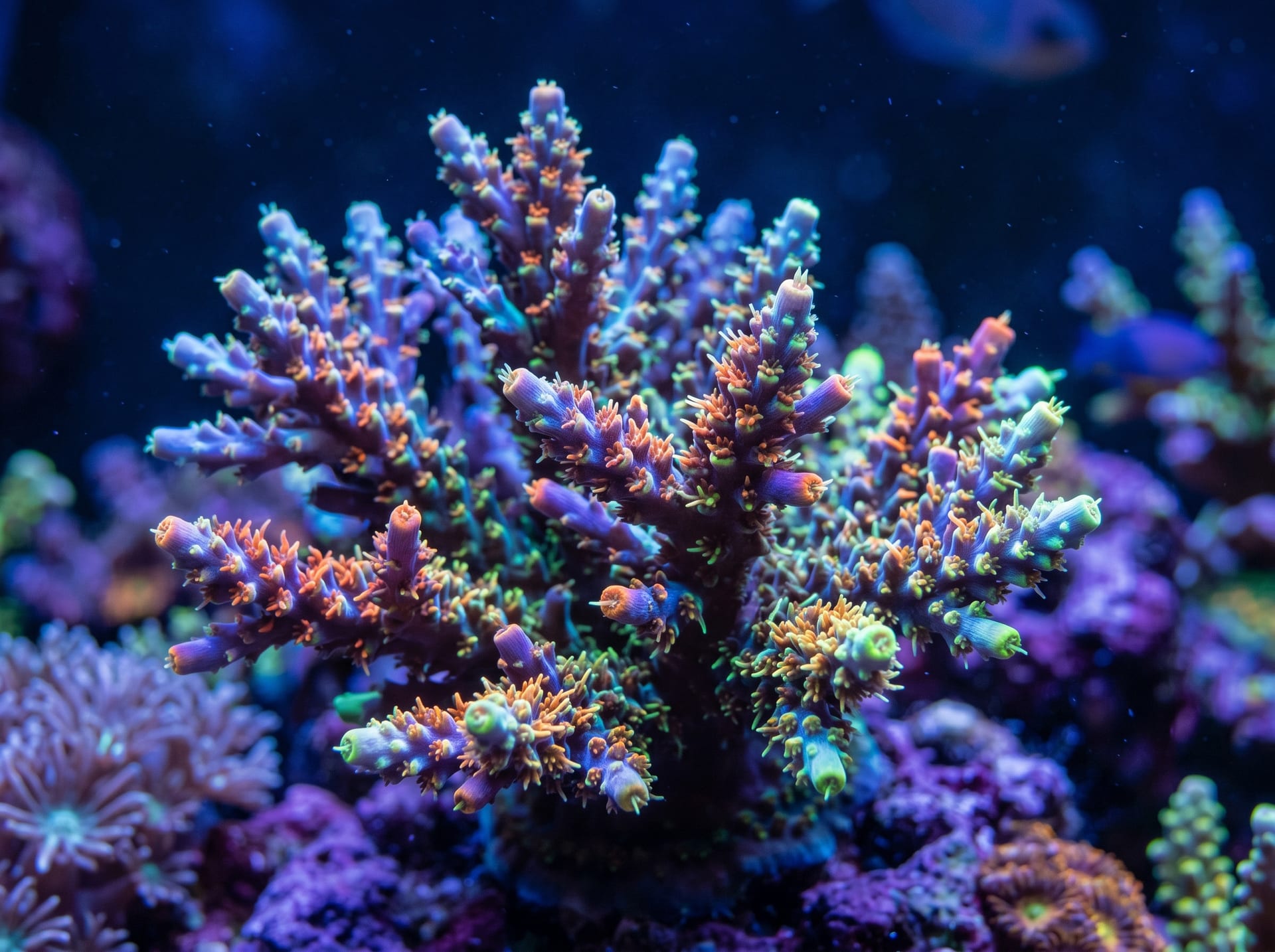
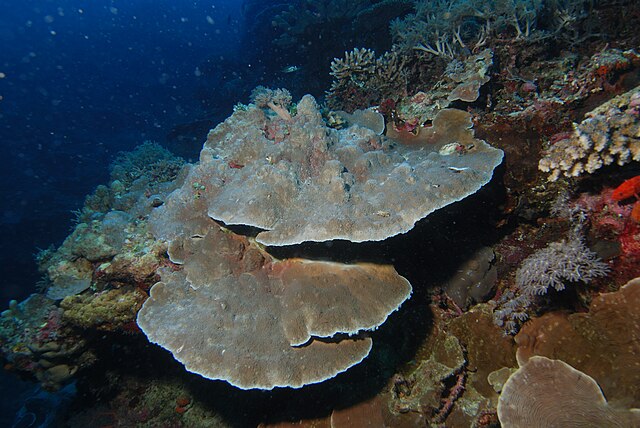
SPS (Small Polyp Stony Coral) corals are among the most challenging to maintain in saltwater aquariums. However, their unique forms and vibrant colors captivate reef tank enthusiasts worldwide. This article explains the water quality, lighting, and water flow requirements for successful SPS coral care, with a focus on Acropora (Stony Corals).
What are SPS Corals?
SPS (Small Polyp Stony Coral) corals are characterized by a calcium-based skeleton and small polyps (mouths). Compared to LPS (Large Polyp Stony) corals and soft corals, SPS corals have extremely demanding requirements for water quality, lighting, and water flow.
Common SPS Coral Species
| Species | Form | Difficulty |
|---|---|---|
| Acropora (Stony Corals) | Branching, Plating | ★★★★★ (Highest) |
| Montipora | Plating, Foliose | ★★★★ (High) |
| Pocillopora | Small Branching | ★★★ (Moderate-High) |
| Stylophora | Branching | ★★★★ (High) |
| Seriatopora | Dense Branching | ★★★ (Moderate-High) |
Basic Requirements for SPS Coral Care
Water Quality Parameters (Critical)
Stable water parameters are essential for SPS corals. Fluctuations cause STN (Slow Tissue Necrosis) or RTN (Rapid Tissue Necrosis).
| Parameter | Target Range | Priority |
|---|---|---|
| Specific Gravity | 1.025–1.026 | Critical |
| Temperature | 25–27°C (77–81°F) | Critical |
| pH | 8.1–8.4 | Important |
| KH (Carbonate Hardness) | 8–11 dKH | Critical |
| Ca (Calcium) | 400–450 ppm | Critical |
| Mg (Magnesium) | 1280–1400 ppm | Important |
| NO3 (Nitrate) | 1–5 ppm | Important |
| PO4 (Phosphate) | 0.01–0.05 ppm | Critical |
Key SPS Care Points:
- KH, Ca, and Mg are consumed daily in small amounts, requiring dosing pumps or two-part solutions (calcium water, etc.) for replenishment
- High phosphate causes excessive zooxanthellae growth, turning corals brown (browning)
- Excessive nitrate slows coral growth
Testing and Maintenance Frequency
| Parameter | Recommended Test Frequency |
|---|---|
| Specific Gravity | Daily |
| Water Temperature | Daily |
| KH | 2–3 times per week (important) |
| Ca and Mg | Weekly |
| NO3 and PO4 | 1–2 times per week |
| pH | Real-time monitoring recommended |
Lighting Setup
Lighting Intensity for SPS Corals
SPS corals, especially Acropora, require high light intensity.
| Coral Type | Required PAR (μmol/m²/s) |
|---|---|
| SPS (Acropora, etc.) | 200–500+ |
| LPS | 50–200 |
| Soft Corals | 50–150 |
Lighting Options:
- LED (High-Output): Energy-efficient, programmable control (current standard)
- Metal Halide: High light output, natural light spread (high power consumption and heat)
- T5 Fluorescent: Previously standard, still effective today
Light Cycle Setup
| Time | Intensity | Reason |
|---|---|---|
| Night (0–6 AM) | 0–5% | Dark Period |
| Dawn (6–8 AM) | 5–30% | Sunrise Simulation |
| Day (8 AM–5 PM) | 70–100% | Main Photosynthesis Period |
| Dusk (5–8 PM) | 100–30% | Sunset Simulation |
| Night (8 PM–12 AM) | 5–0% | Twilight to Dark |
Water Flow Setup
Water Flow for SPS Corals
SPS corals thrive in strong water flow. Insufficient flow causes:
- Algae and debris accumulation on corals
- Inability to expel waste
- Oxygen depletion
Recommended Flow Rate:
- 30–50 times tank volume per hour
- Example: 200L (53 gallon) tank → 6,000–10,000 L/h
Water Flow Patterns:
- Random flow mimics natural conditions and is most effective
- Avoid direct, continuous flow on single corals (use tidal or random mode)
Reading SPS Coral Health
Healthy vs. Problem Signs
| Aspect | Healthy Signs | Problem Signs |
|---|---|---|
| Polyps | Extended and open | Withdrawn or retracted (prolonged) |
| Color | Vibrant (species-typical colors) | Brown discoloration or bleaching |
| Growth | New buds appearing | White tips with exposed skeleton (STN/RTN) |
Dealing with Bleaching
Bleaching occurs when corals lose their symbiotic zooxanthellae (algae).
Common Causes:
- Sudden temperature rise (sustained above 28°C / 82°F)
- Rapid water chemistry changes (especially KH, Ca, Mg swings)
- Excessive lighting or water flow
- Stress (transport, predators)
Response:
- Identify and eliminate the cause first
- Stabilize water temperature and parameters
- Temporarily reduce light if necessary
Emergency Response to RTN/STN
RTN (Rapid Tissue Necrosis):
- Tissue sloughs off within hours
- Caused by infection or sudden water chemistry changes
- Response: Remove affected tissue, quarantine in separate system with iodine treatment, then reintroduce
STN (Slow Tissue Necrosis):
- Gradual tissue loss over days to weeks
- Caused by improper water quality, light, or flow
- Response: Remove necrotic tissue and review environmental parameters
Recommended Beginner SPS Species
Start with hardier SPS species rather than jumping directly to challenging Acropora.
- Montipora (Plating): Easier to manage than Acropora
- Pocillopora: Durable and ideal for beginners
- Seriatopora: Relatively manageable branching SPS
- Once stable, progress to Acropora
Summary
Maintaining SPS corals, especially Acropora, represents the ultimate challenge in saltwater aquariums. Long-term success requires three key elements: stable water chemistry (KH, Ca, Mg, NO3, PO4), adequate high light intensity, and proper water flow.
Progress gradually—soft corals → LPS → easier SPS (Pocillopora, etc.) → Acropora—and you'll steadily advance toward success.