Zoanthid & Palythoa Complete Care Guide — From Beginner to Advanced | ブリちょく
Coral| ✍️ BreederDirect Editorial
Zoanthid & Palythoa Complete Care Guide — From Beginner to Advanced
Complete zoanthid and palythoa care guide: lighting, flow, water parameters, color enhancement, palytoxin safety, and purchasing from breeders.
Key Takeaways
Complete zoanthid and palythoa care guide: lighting, flow, water parameters, color enhancement, palytoxin safety, and purchasing from breeders.
Complete Care Guide for Zoanthids (Zoas & Palythoa): From Beginner to Advanced
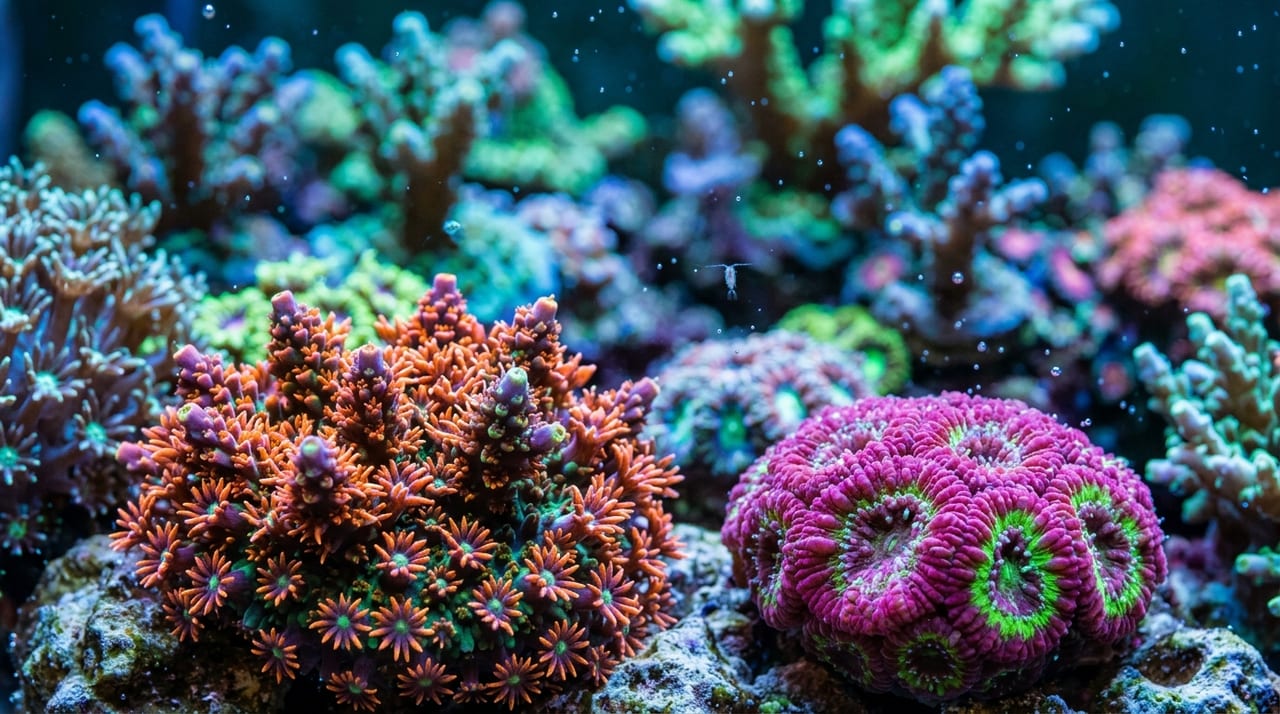
Zoanthids — known in the hobby as "zoas" and encompassing the button polyps called ma메suna and the colonial Palythoa — are some of the most visually stunning corals in the reef aquarium world. Their brilliant fluorescent colors, extraordinary variety, and relatively forgiving care requirements make them equally appealing to first-time reef-keepers and serious collectors. This guide covers everything from fundamental biology and husbandry to fragging techniques and the critical safety information every keeper must know.
✍️
BreederDirect Editorial
The BreederDirect editorial team specializes in care information for animals, covering veterinary care and breeding to deliver beginner-friendly guides.
Find Coral on BreederDirect
Buy directly from verified breeders
Browse Related Listings
Find Coral listings related to this article on BreederDirect. Buy directly from verified breeders.
Related Tools
Related Articles
Browse by Category
🪸Coral
🐠Marine Fish
🐟Tropical Fish
🐡Goldfish
🐟Medaka
🦎Reptiles
Share
---
What Are Zoanthids?
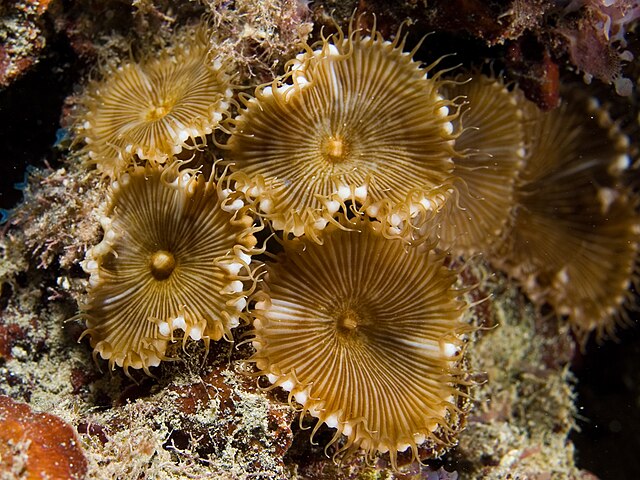
Zoanthids are soft corals belonging to the phylum Cnidaria, class Anthozoa, order Zoanthidea. The main genera you'll encounter in the aquarium trade are:
Zoanthus: Home to most of the "maメsuna" (button polyp) morphs. Polyps have relatively flat, glossy oral discs.
Palythoa: The colonial "tabane" corals. Large polyps connected at the base by a shared mat of tissue (coenenchyme). Notably, certain Palythoa species can contain extremely high concentrations of palytoxin (see Safety section below).
Protopalythoa: Closely related to Palythoa, with medium-sized polyps.
Because these genera closely resemble one another, the hobby collectively groups them as "zoanthids" or "zoas."
---
Aquarium Requirements
Lighting
Zoanthids host photosynthetic zooxanthellae (symbiotic algae), but their light requirements vary considerably.
Low to moderate light morphs: Most standard-grade maメsuna thrive under low light — they'll open fully even in the shadow of rockwork or on the tank's side panels.
High-light collector morphs: Some of the most intensely fluorescent collector-grade varieties prefer moderate to high PAR.
If light is too intense, polyps will stay closed. Start corals in a lower-light position and move them gradually upward until you find their sweet spot.
Target PAR: 50–150 μmol/m²/s (species-dependent)
Water Flow
Zoanthids prefer gentle, indirect water movement. Direct, powerful flow causes polyps to remain closed. Conversely, areas with almost no flow accumulate detritus that can smother colonies.
Aim for soft, pulsing or wave-like flow — wavemaker "reef" or "pulse" modes work well.
Avoid aiming a powerhead directly at the colony.
Water Quality
Zoanthids are among the hardier corals and tolerate a wider range of parameters than SPS species.
Parameter
Target range
Salinity
1.023–1.026 SG
Temperature
24–28°C (75–82°F)
pH
8.1–8.3
Alkalinity (KH)
7–11 dKH
Calcium
380–450 ppm
Magnesium
1,200–1,350 ppm
Nitrate (NO3)
5–20 ppm
Phosphate (PO4)
0.03–0.10 ppm
Importantly, many zoanthids actually prefer some measurable nutrients in the water. Ultra-low nutrient system (ULNS) setups, optimized for SPS corals, can cause zoanthids to decline.
---
Troubleshooting: Polyps Won't Open
Closed polyps are the most common zoanthid complaint. Common causes:
Sudden parameter change: Especially common after introduction. Allow several days to a week for acclimation.
Flow too strong: Move to a more sheltered position.
Light too intense: Relocate to a lower, less illuminated spot.
Nudibranch or flatworm predation: Examine the colony closely. If pests are present, dip the coral in a coral-safe dipping solution.
Allelopathic competition: Corals chemical warfare with neighbors is invisible — if a nearby coral is known to be aggressive, increase separation distance.
---
Propagation (Fragging)
Under stable conditions, zoanthid colonies spread naturally across rockwork and substrate. You can accelerate this through fragging.
Natural Spreading
A healthy, settled colony will "run" — sending daughter polyps across adjacent surfaces. This is a positive sign of a well-adapted colony.
Fragging Technique
Select a section with at least three to five polyps.
Cut with a clean blade (razor or scissors).
Attach the fragment to a frag plug using cyanoacrylate coral glue.
Dip the frag in a coral dipping solution before returning to the tank.
Polyps may stay closed for several days post-fragging — this is normal.
---
Critical Safety Warning: Palytoxin
Zoanthids, particularly Palythoa species, may contain palytoxin — one of the most potent non-protein toxins found in nature. This is not an exaggeration, and every zoanthid keeper must take it seriously.
Risks
Palytoxin can be absorbed through skin cuts or eye and mucous membranes, potentially acting as a cardiac toxin.
Overseas case reports document serious illness from splashed water during fragging or water changes.
Some researchers suggest palytoxin may aerosolize through evaporation from aquarium lighting heat, though this remains an area of ongoing study.
Essential Precautions
Always wear disposable nitrile gloves and eye protection (goggles or safety glasses) during any fragging or handling.
Do not lean over the tank while working.
Wash hands thoroughly with soap immediately after.
Do not work with zoanthids in an unventilated, sealed space.
Keep children and pets away from your work area.
Beautiful as they are, zoanthids demand this knowledge as a basic responsibility of keeping them.
---
Collector Morphs
The zoanthid hobby has produced hundreds of named morphs, many with striking prices to match their appearance:
Supernova: Deep purple surrounding a vivid lime-green oral disc
Dragon Eye: A ringed pattern resembling an eye with multiple concentric color zones
Pink Diamond: Rare all-pink to white coloration
Starburst: Radiating spokes of bright color from a contrasting center
Healthy, expanding colonies of sought-after morphs command significant prices, and trading frags is a vibrant part of the reef-keeping community.
---
Searching for rare-morph zoanthids or starter frags for your reef tank? On br-choku, specialist coral breeders sell directly to hobbyists — browse captive-grown Zoanthus and Palythoa frags at br-choku.com.