Coral Buying Guide | How to Choose Wisely When Shopping Online
Key points for purchasing coral online. We explain how to identify healthy coral, choose a reliable breeder, perform proper water acclimation after arrival, and recommended purchase sets for beginners.
Key Takeaways
Key points for purchasing coral online. We explain how to identify healthy coral, choose a reliable breeder, perform proper water acclimation after arrival, and recommended purchase sets for beginners.
Keeping coral is one of the most rewarding aspects of saltwater aquarium keeping, and watching colorful coral bloom across your tank is truly a spectacular sight. However, when purchasing coral online, you cannot hold and inspect the actual specimen, which can bring worries like "What if the condition is poor?" or "Will the acclimation fail?" This guide will carefully explain everything you need to know when purchasing coral online—from selection methods and confirmation procedures to post-arrival care.
✍️
BreederDirect Editorial
The BreederDirect editorial team specializes in care information for animals, covering veterinary care and breeding to deliver beginner-friendly guides.
Find Coral on BreederDirect
Buy directly from verified breeders
Browse Related Listings
Find Coral listings related to this article on BreederDirect. Buy directly from verified breeders.
When selecting coral for online purchase, the most important thing is assessing its health. Make the most of the information you can glean from photos and product descriptions.
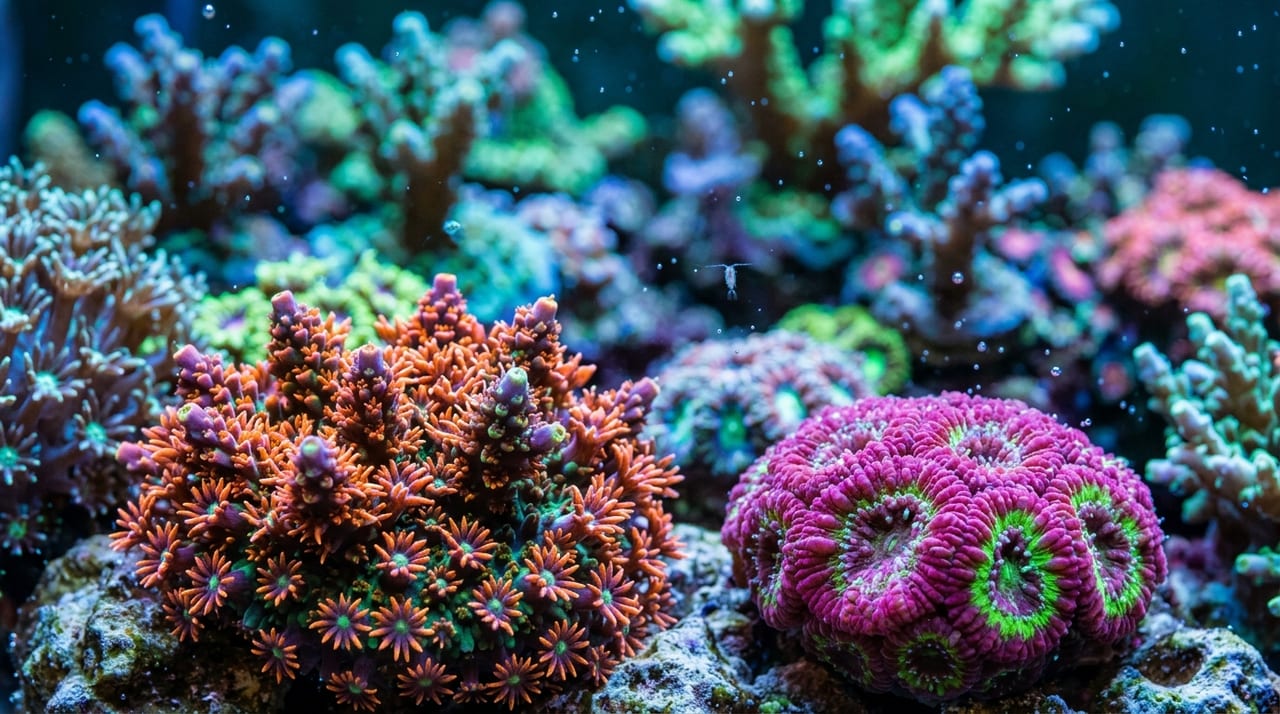
Polyps are open: Polyps that are fully extended indicate good health. Constantly closed polyps are a sign of stress or disease. Always check whether the polyps are open in the photos provided
Color is vibrant and uniform: Check for bleaching or areas that have unnaturally turned brown. Bleaching is a sign of combined stress from light, water quality, and temperature, and recovery requires considerable effort
Skeleton condition: For SPS coral (such as Acropora), it's important that the skeleton shows no chips, decay, or algae growth. Skeletal damage may result from shipping impact, so examine the details carefully in photos
No excessive mucus secretion: Stressed coral will secrete mucus in large amounts. If the water in the bag appears milky white in photos after arrival, caution is needed
Before purchasing, it's also a good idea to ask the breeder about their care environment (water temperature, salinity, pH, calcium, alkalinity, and other water parameters, lighting used, and water flow strength). The greater the difference from your tank's environment, the more challenging acclimation becomes, so checking beforehand is a shortcut to preventing failure.
Key Points to Check in Photos and Descriptions
With online shopping, photos and descriptions are essentially everything in your purchasing decision. Keep the following points in mind when reviewing them.
Photo Checklist
See through the lighting color: Under blue LED (actinic) lighting, any coral appears to glow fluorescently. If possible, also check photos under white lighting to understand the actual colors
Are there photos from multiple angles?: It's reassuring to have photos not just from the front but also of the base, underside, and sides. This is important for not overlooking algae or decay at the base
Frag vs. coral body size: A "3cm frag size" and "3cm coral body" are completely different things. Distinguish between the frag (base) and coral portion when checking the size description
Freshness of the photos: For older listings, the current condition may not match the photos. Check the shooting date or update date, or request updated photos from the breeder showing the current state
What to Confirm in the Description
Difficulty level notation (soft coral, LPS, SPS)
DOA guarantee, return/exchange policy for poor condition
Available shipping seasons and temperature restrictions
If you have questions, use the messaging feature to ask the breeder directly. The speed and attentiveness of their replies can serve as a barometer of that breeder's trustworthiness.
Coral Types Recommended for Beginners
Coral difficulty varies greatly by species. Rather than challenging yourself with difficult types from the start and repeating failures, begin with hardy species and develop a feel for coral keeping—that's the key to sticking with it. See also Beginner-Friendly Coral: Top 5 Recommendations.
Soft Coral (Beginner)
These are characterized by relatively high tolerance to water quality fluctuations and grow well even without intense lighting.
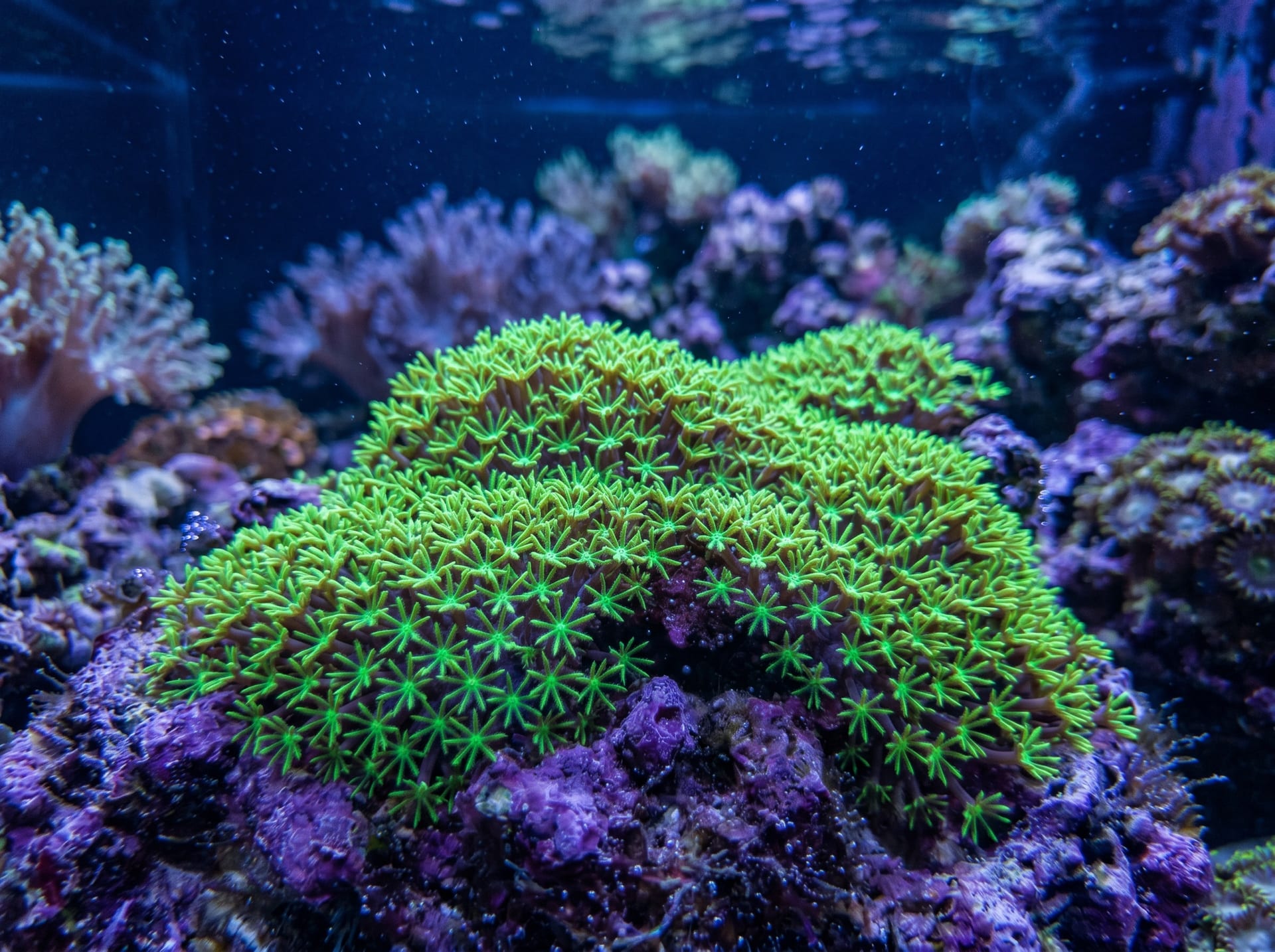
Star Polyps: Fast-growing with plenty of color variation—green, purple, and more
Zoanthids: Bring vibrant pops of color to your tank. Easy to propagate (warning: contains highly toxic palytoxin—never touch with bare hands; always wear rubber gloves and eye protection)
Disk Coral (Hairy Disc Anemone): Their flat shape makes them easy to incorporate into aquascaping
Mushroom Coral: Tends to grow large with strong presence. Their white tentacles are beautiful
LPS (Intermediate)
These have a skeleton but remain relatively easy to keep. They offer a good balance of beauty and hardiness.
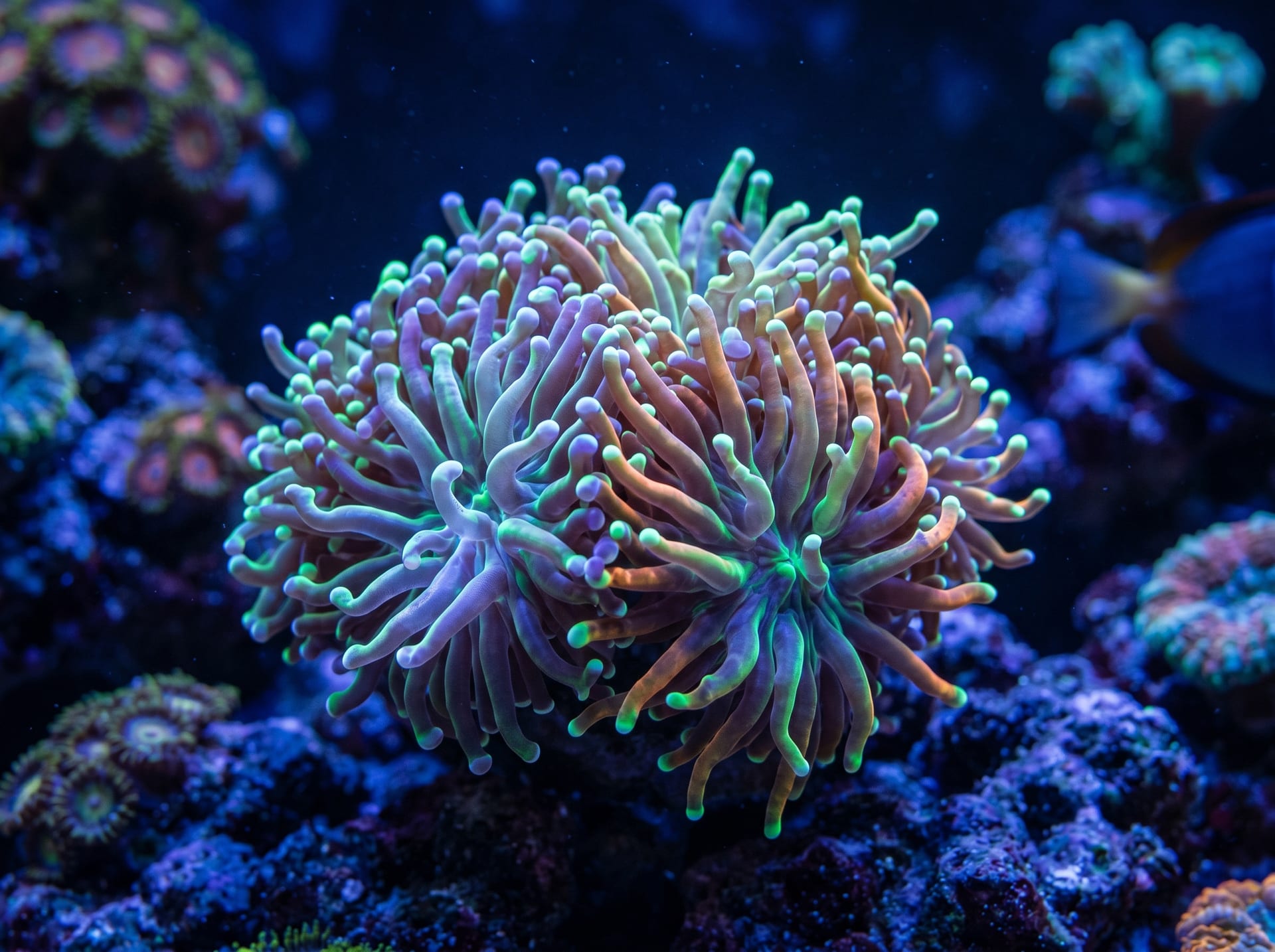
Elegance Coral: Their long tentacles sway gracefully, beautifully expressing water movement
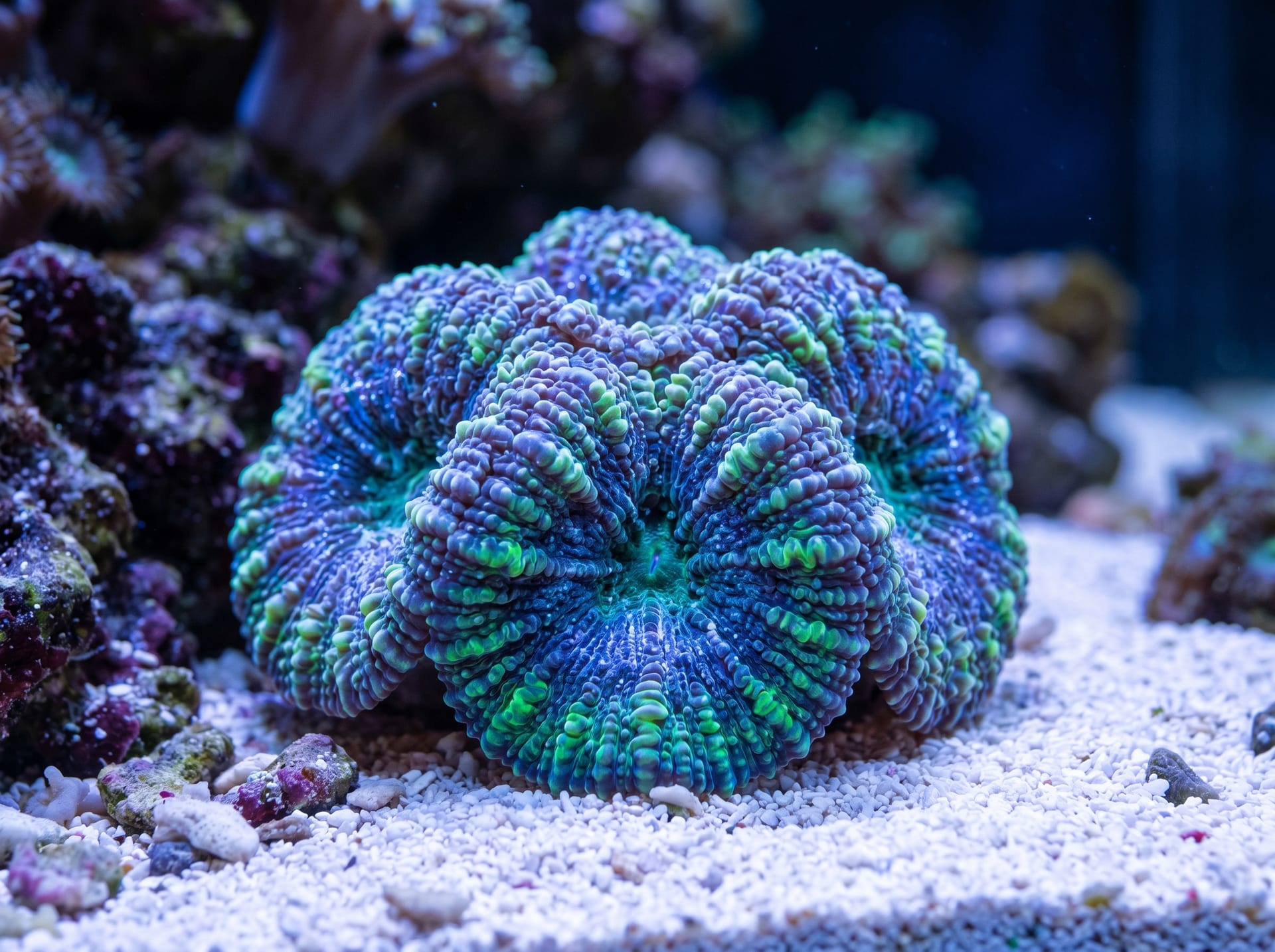
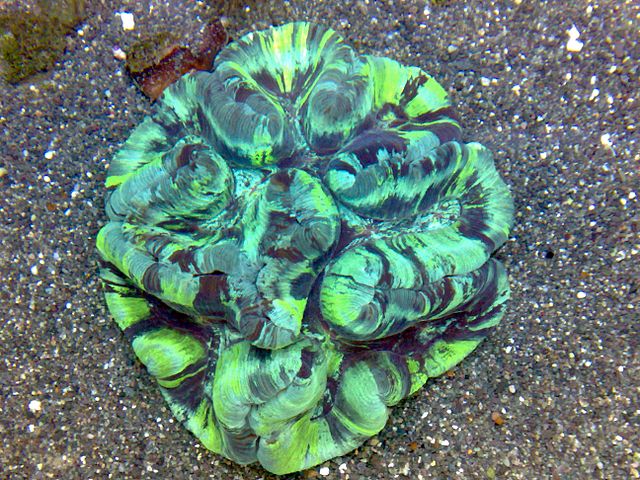
Lobophyllia: Polyps extend fully during the day, creating striking presence
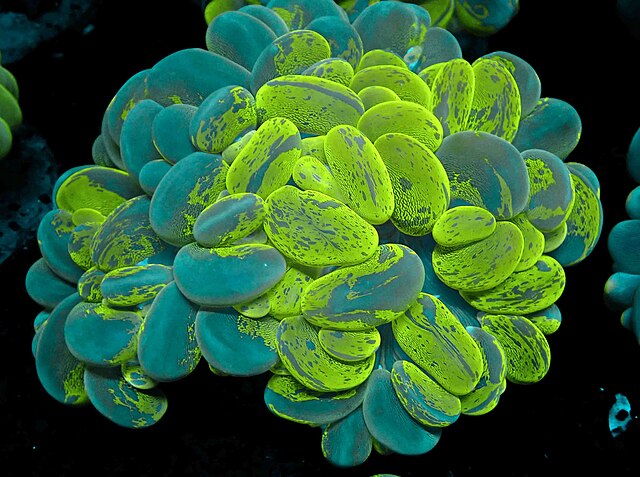
Bubble Coral (Plerogyra): The spherical polyps create a unique texture
SPS (Advanced)
Represented by species like Acropora, these are stony corals requiring extremely precise water quality management. Due to their high difficulty, beginners are encouraged to first gain experience with soft coral or LPS before attempting them. The Acropora Care Guide provides detailed management methods for advanced keepers.
Water Acclimation Steps After Arrival
When your coral arrives, take your time and follow these steps. Careful acclimation significantly impacts survival rates.
Unpack and check condition: Unpack immediately upon arrival and check the coral's condition. Always take photos—they serve as evidence if any issues arise later
Temperature acclimation (approximately 30 minutes): Float the unopened bag in your tank to slowly equalize the water temperature. Rapid temperature changes cause significant damage to coral
Drip method for water chemistry adjustment (1–2 hours): Using an air tube and valve to gradually add your tank water to the bag is the safest approach. Coral is even more sensitive to water chemistry changes than fish, so take your time over the acclimation period
Coral dipping (5–15 minutes): Soak the coral in a specialized coral dip (Coral RX, Revive, etc.) to remove parasites like flatworms, nudibranchs, and boring worms. Skipping this step risks these pests spreading throughout your entire tank, making it an essential procedure
From temporary to final placement: Initially place it in a spot with gentle flow and not-too-intense lighting, then observe for 2–3 days. If all looks well, gradually move it to its intended location
BreederDirect is a specialist live animal marketplace where breeders and buyers connect directly. Because there are no intermediaries, coral reaches you in fresher condition.
Payment after confirming the actual specimen provides peace of mind: Since payment is handled directly between breeder and buyer, you can arrange the timing in advance. If you arrange to pay after confirming the coral's condition upon arrival, you can calmly respond if there are any issues.
Breeder track records are easy to see: Transaction count, ratings, and review comments are all public, making it simple to find a trustworthy breeder. Real feedback from actual customers is invaluable reference information for your purchase.
Direct consultation is possible via messaging: Before purchasing, you can ask breeders directly about water parameters and care environment questions. Advice from knowledgeable breeders is the strongest support a beginner can ask for.
Direct breeder sales mean superior quality: Coral coming straight from the person who raised it—without going through a shop—comes with detailed information about its history, environment, and individual characteristics. To keep your precious coral healthy and thriving for years to come, please make use of BreederDirect.