How Much Does It Cost to Keep Corals? Explaining Monthly Running Costs
Explains the monthly costs of electricity, additives, synthetic seawater, and consumables for coral keeping with specific prices. Learn the breakdown of initial and maintenance costs to plan sustainable coral keeping.
Key Takeaways
Explains the monthly costs of electricity, additives, synthetic seawater, and consumables for coral keeping with specific prices. Learn the breakdown of initial and maintenance costs to plan sustainable coral keeping.
Related Species
Coral keeping is particularly rewarding within the saltwater aquarium hobby, but maintaining a beautiful reef tank requires diverse expenses and effort spanning lighting, water quality management, and additives. For those interested but concerned about costs, this article explains everything from initial investment through monthly running costs with specific figures. Understand the overall cost picture and start an affordable coral-keeping lifestyle.
Initial Cost Estimates for Coral Keeping
To start coral keeping, you'll need a complete tank system. While equipment grade varies, here are typical estimates for a 60cm tank setup:
| Equipment | Estimated Cost |
|---|---|
| Tank (60cm) | ¥10,000–¥30,000 |
| Lighting (high-quality LED) | ¥20,000–¥50,000 |
| Protein skimmer | ¥15,000–¥30,000 |
| Live rock | ¥5,000–¥15,000 |
| Synthetic seawater & hydrometer | ¥3,000–¥5,000 |
| Circulation pump & wave maker | ¥5,000–¥20,000 |
| Heater & cooler | ¥10,000–¥40,000 |
Total estimate: approximately ¥70,000–¥200,000
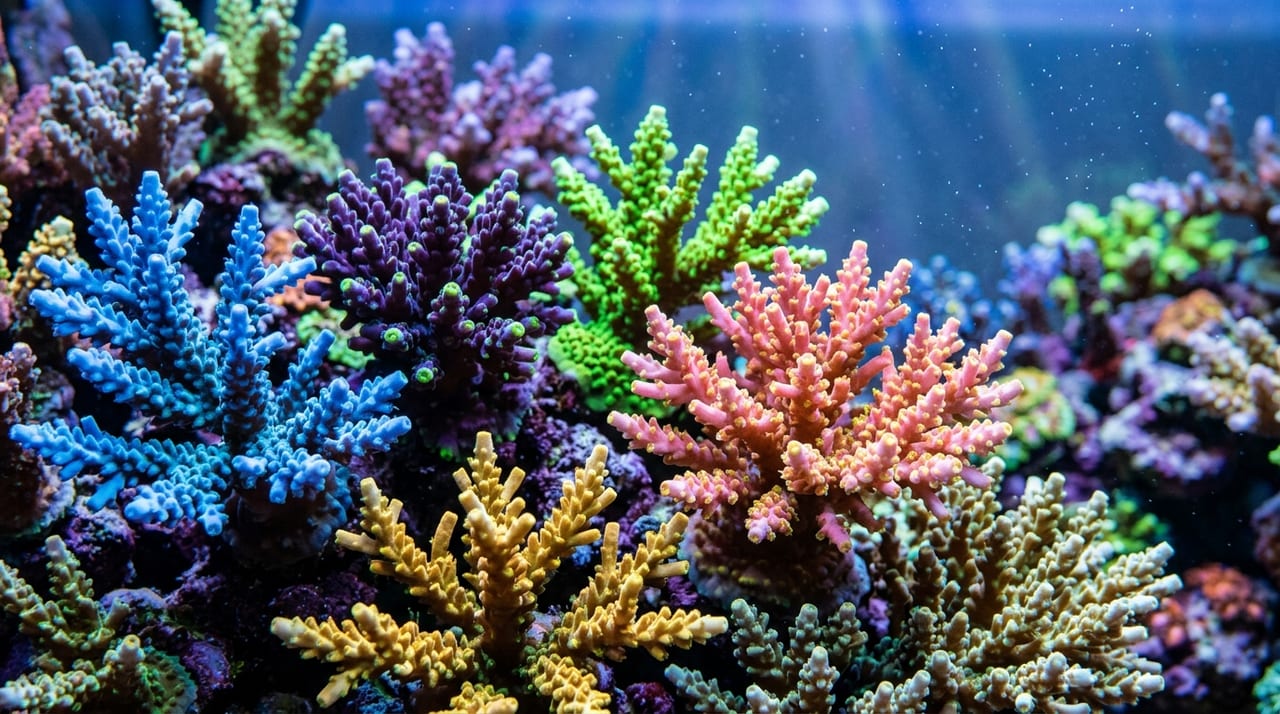
Lighting is particularly critical—it directly supports coral photosynthesis. Soft corals work fine with mid-range LEDs, but SPS (Acropora species) require high-performance models covering a broad spectrum from ultraviolet to red light.
A protein skimmer is also essential. By physically removing coral metabolic waste and organic matter, it prevents nitrate buildup and maintains water quality for delicate corals to thrive. Choose one matched to your tank size and bioload.
Equipment Grade Considerations by Coral Type
- Soft corals (mushroom anemones, leather corals): Low light and additive requirements. Beginner-friendly with lower equipment investment needs
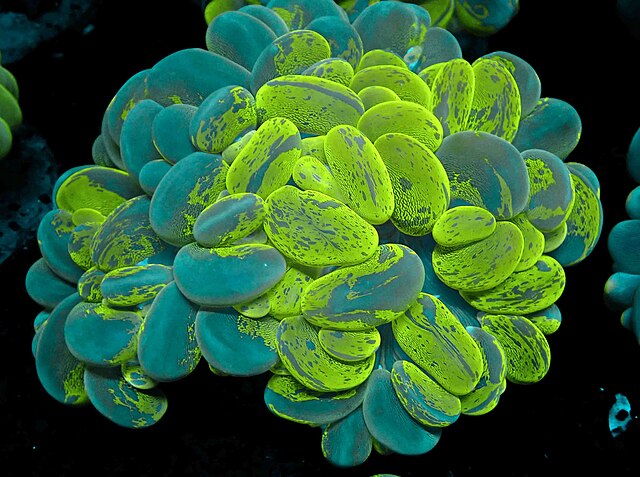
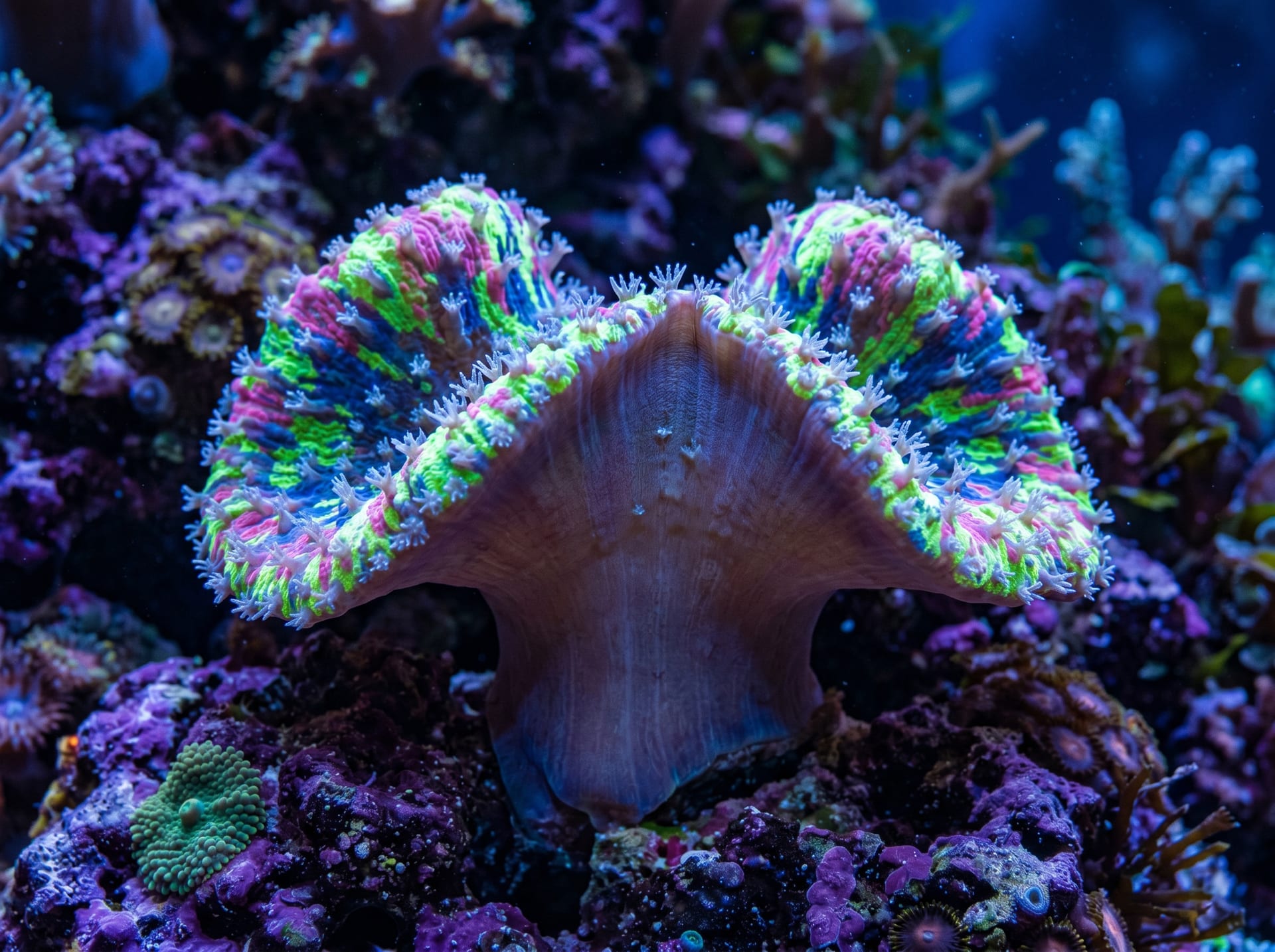
- LPS (flower pot corals, bubble corals): Moderate light and stable water quality required. Calcium and magnesium management becomes important
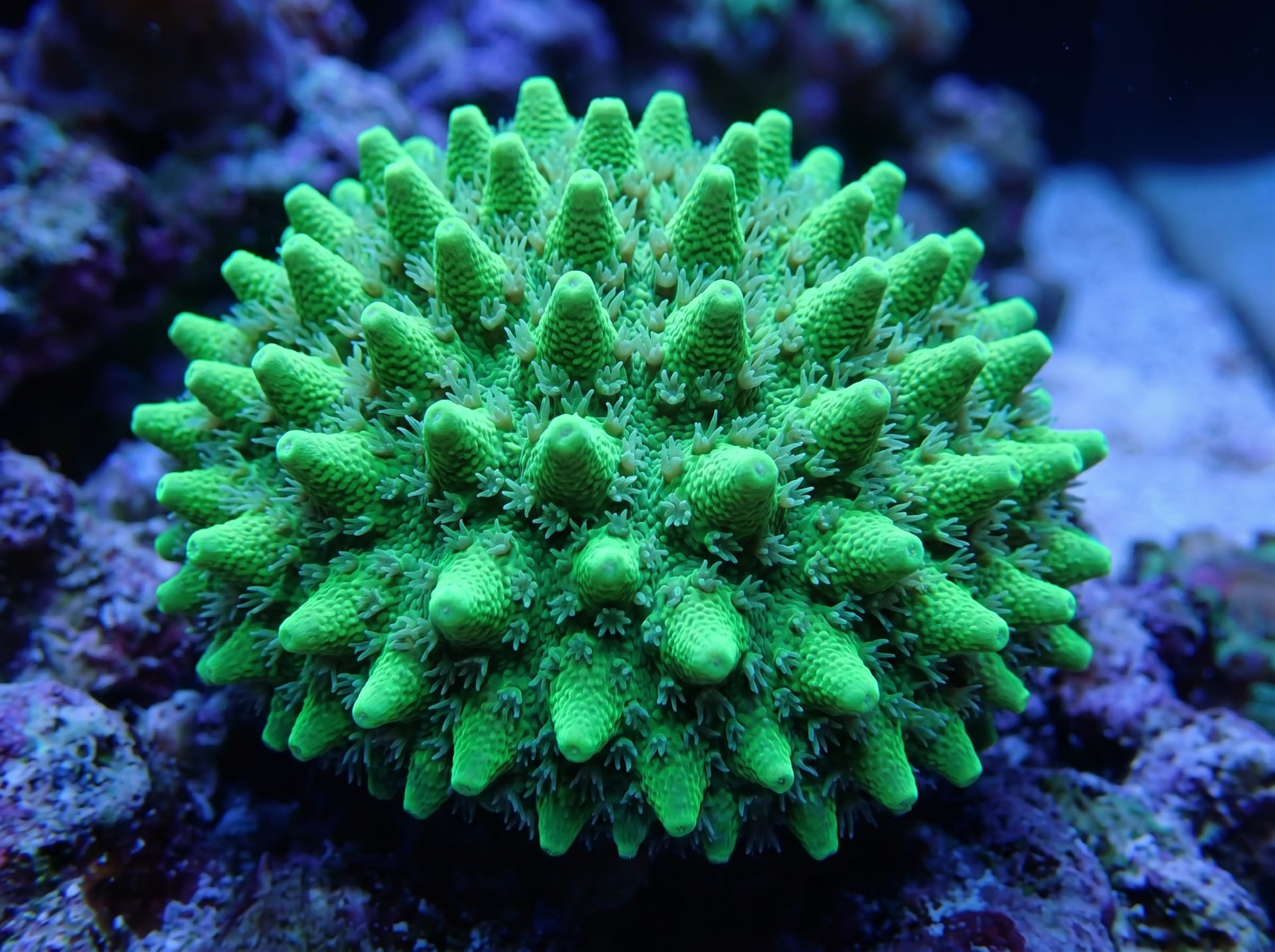
- SPS (Acropora, Montipora): Requires strong lighting, high flow, and high water quality. Top-tier equipment is recommended, resulting in the highest maintenance costs
If you're unsure which coral type to choose, check out our Coral Types and Selection Guide. It explains the differences between soft corals, LPS, and SPS along with their care difficulty levels. Beginner-recommended corals are also featured in 5 Best Corals for Beginners.
Monthly Running Costs
After setting up your tank, there are ongoing costs to consider. Here are the key monthly expenses to keep in mind.
Main Monthly Expenses
- Electricity: ¥3,000–¥8,000 Lighting, circulation pumps, protein skimmers, coolers, and heaters running at full capacity make electricity your largest expense. Summer months see increased cooler consumption, pushing costs closer to the upper limit. For summer high-temperature management, see Coral Tank Summer Care: Preventing High Temperatures and Bleaching.
- Synthetic seawater: ¥1,500–¥3,000 Required for regular water changes (1–2 times weekly, typically 10–20% of tank volume). Component composition varies by brand, and premium products with excellent mineral balance cost more, but may reduce additive usage.
- Additives (calcium, magnesium, alkalinity): ¥1,000–¥3,000 When keeping LPS or SPS, you must supplement calcium and alkalinity (KH) that corals use for skeleton formation. With only soft corals, regular water changes often suffice.
- Filter media & activated carbon: ¥500–¥1,500 Regular replacement costs for filter floss, activated carbon, and absorbent media.
Total estimated monthly maintenance: approximately ¥6,000–¥20,000
Annually, this comes to roughly ¥70,000–¥240,000. Combined with initial costs, budget approximately ¥150,000–¥450,000 for the first year.
Tips for Reducing Costs
While coral keeping does incur costs, smart strategies can significantly reduce expenses.
Saving on Electricity
Use a timer to manage lighting duration, aiming for 8–10 hours daily. Longer isn't always better—the light-dark cycle is crucial for coral biorhythms. Upgrading to more efficient LEDs also reduces long-term costs. For efficient parameter management, see Coral Tank Reef Controller Guide.
DIY Additives (Two-Part Method)
The "two-part method" is popular for calcium and alkalinity supplementation, using calcium chloride and sodium bicarbonate (baking soda) dissolved in water. This costs a fraction of commercial additives and is widely used by experienced SPS-keepers. However, measurement errors can cause rapid water quality changes, so beginners should start with small quantities.
Bulk Purchasing Synthetic Seawater
Purchasing refill packs or bulk sizes significantly reduces per-unit costs. If storage permits, choosing 20+ kg commercial sizes offers excellent value.
Start with Soft Corals
Beginning with soft corals, which require fewer additives and lower lighting, minimizes both initial and ongoing costs while building experience. Following First Coral Tank Setup Guide, establish a solid foundation before progressing to LPS and SPS—this reduces failures and is the recommended approach.
Key Points to Avoid Coral Selection Mistakes
Once equipment is ready, it's time to acquire corals. Your choices here significantly impact future maintenance costs and success rates.
- Choose domestically bred specimens: Unlike wild-caught corals, those bred and cultivated in domestic tanks are acclimated to synthetic seawater environments, making post-purchase acclimation smooth. Less transport stress and lower bleaching risk immediately after purchase are major benefits.
- Start with frags (cut corals): Smaller, cut frags are more affordable than large colonies and minimize losses if something goes wrong. Building experience and slowly expanding your collection is the key to sustained success. See Coral Frag (Fragment) Trading Basics for more.
- Choose species suited to your setup: Rather than relying solely on shop or online information, selecting corals that match your tank specs (lighting intensity, flow type, etc.) is key to avoiding wasted spending. See What You Should Know About Coral Lifespan and Growth Rate for more details.
BreederDirect's Safety and Trust System
BreederDirect is a platform where domestic breeders directly sell corals and other live organisms. Systems are in place to help everyone from beginners to experts acquire corals with confidence.
Three Unique Benefits of Direct Breeder Sales
- Purchase at fair prices Without middlemen or retail markup, you can get the same quality corals at better prices than stores. Your budget stretches further—you can afford more varieties or allocate more to equipment.
- Clear cultivation conditions Breeders often disclose their tank conditions (temperature, salinity, lighting specs, etc.), making it easy to check compatibility before purchasing. You avoid the "it didn't work out" scenario.
- Consult directly with breeders Have questions or concerns? Ask the breeder who's actually cultivated the coral. You get detailed advice on water parameters, feeding tips, and flow techniques—the kind of guidance stores rarely provide. This is a unique advantage of BreederDirect.
While coral keeping requires ongoing expenses, proper equipment selection and the right purchase source let you create a rich marine aquarium experience within your budget. Use BreederDirect to source healthy corals at fair prices and build a reef tank you'll enjoy for years to come.