How Much Does It Cost to Keep Saltwater Fish? Guide to Monthly Maintenance Costs
Explanation of costs involved in keeping saltwater fish. Initial setup costs are approximately ¥40,000–¥120,000, with monthly maintenance costs of roughly ¥3,300–¥8,300 covering electricity, artificial seawater, feed, and consumables. We explain cost differences based on fish species selection, including clownfish pricing, and cost-saving tips.
Key Takeaways
Explanation of costs involved in keeping saltwater fish. Initial setup costs are approximately ¥40,000–¥120,000, with monthly maintenance costs of roughly ¥3,300–¥8,300 covering electricity, artificial seawater, feed, and consumables. We explain cost differences based on fish species selection, including clownfish pricing, and cost-saving tips.
Related Species
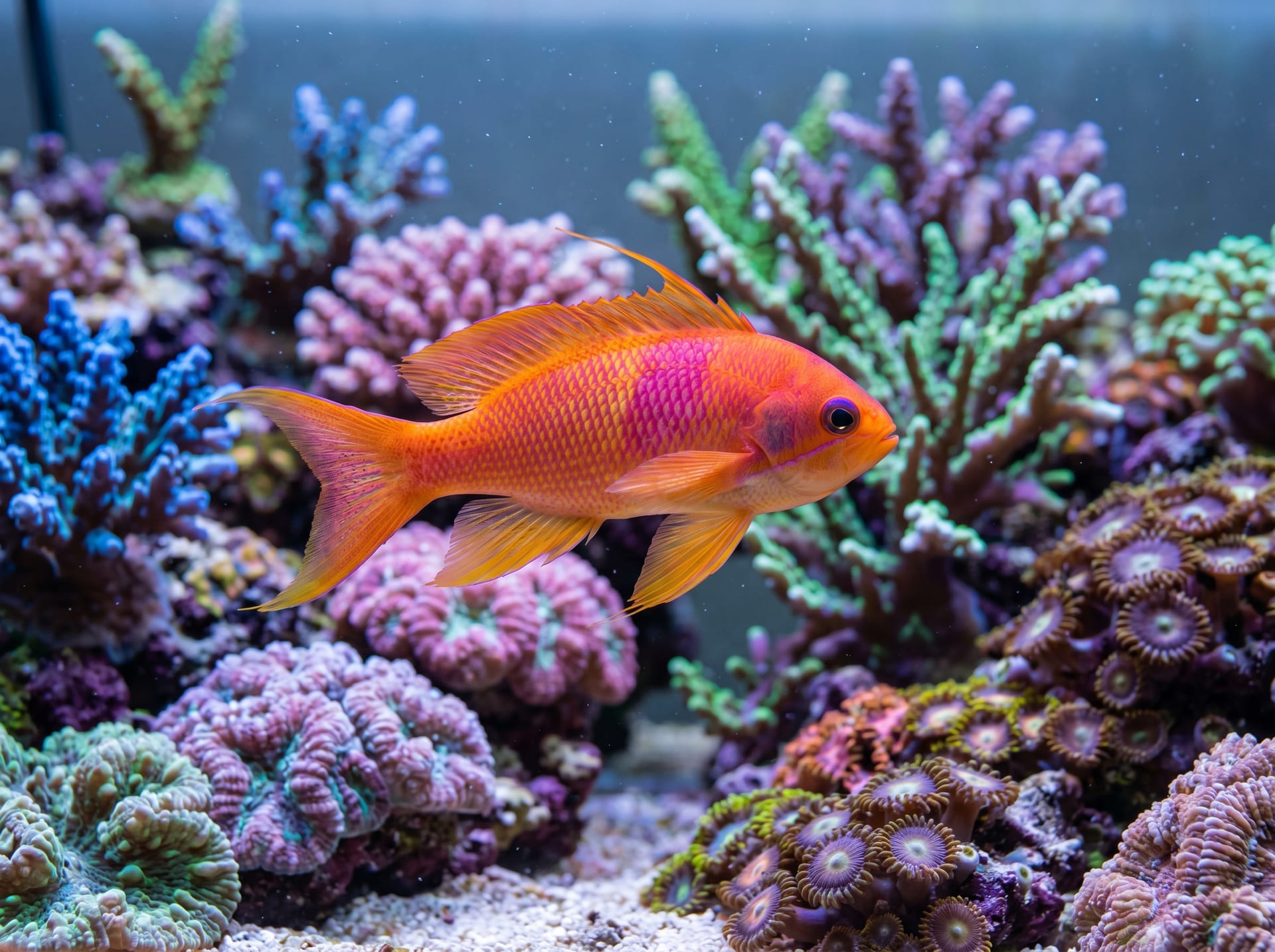
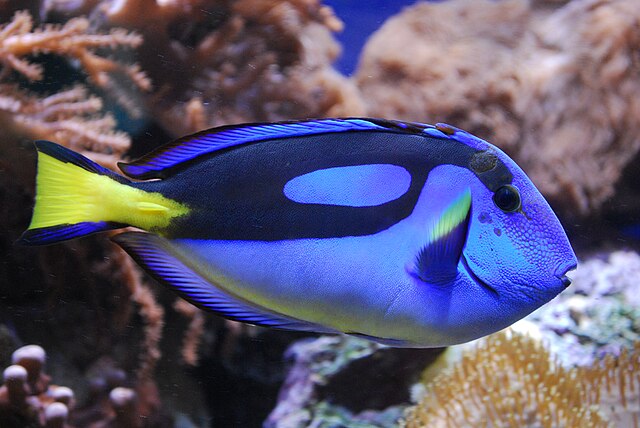
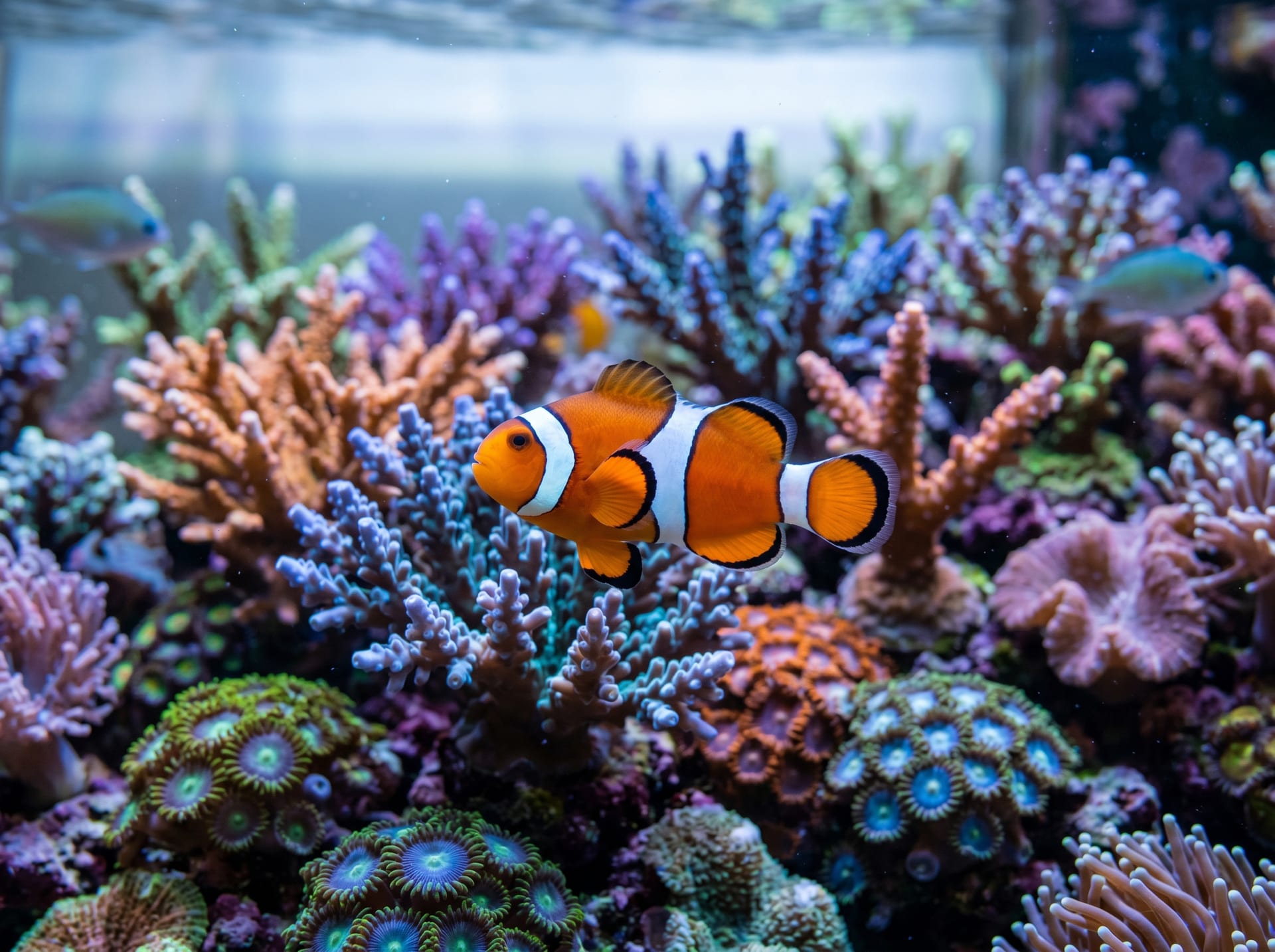
Colorful saltwater fish that brighten tropical seas, such as clownfish, blue tangs, and anthias species. Many are drawn to their beauty, yet many hesitate to take the plunge due to concerns about high maintenance costs and complex, difficult-to-manage equipment.
In reality, keeping saltwater fish does indeed cost more than freshwater fish. However, if you understand the full picture of expenses beforehand, you can start comfortably within your budget. This article explains initial costs, monthly maintenance expenses, and money-saving strategies with concrete figures.
Initial Cost Estimate: What You Need and How Much It Costs
Starting a saltwater fish tank requires more equipment than freshwater. Let's review the main equipment and cost estimates.
Tank and Filtration
- Tank (30–60 cm): ¥5,000–¥20,000 Glass or acrylic tanks are standard. For saltwater fish, a 60 cm standard tank (approximately 60 L) offers the best balance between stability and cost, making it ideal for beginners.
- External Filter / Sump-Style Filter: ¥8,000–¥25,000 Filtration capacity directly impacts fish survival. While hang-on filters can work, external filters are recommended for better bacterial colonization. For more serious hobbyists, consider upgrading to a sump-style (overflow) tank.
- Protein Skimmer: ¥10,000–¥25,000 A highly effective device for removing organic matter in saltwater tanks. Even in fish-only tanks without corals, a protein skimmer significantly helps stabilize water quality.
Temperature Control and Environmental Equipment
- Heater and Cooler: ¥5,000–¥20,000 Saltwater fish are sensitive to temperature fluctuations; the ideal range is 24–26°C. You'll need a heater in winter and a cooler in summer. While coolers are expensive, they're essential insurance against mass fish death from summer temperature spikes.
- Live Rock: ¥5,000–¥15,000 Natural rock colonized by bacteria and microorganisms that serves as the foundation of biological filtration. It also provides hiding places and enriches the tank's ecosystem.
- Lighting: ¥3,000–¥15,000 Fish-only tanks don't require the high-output lighting that corals need. White and blue LEDs that enhance fish colors are standard.
Consumables and Medications
- Artificial Seawater and Hydrometer: ¥3,000–¥5,000 Saltwater fish require maintaining a salt concentration similar to natural seawater (specific gravity 1.020–1.025). Obtain commercial artificial seawater mix and a precision hydrometer as a set.
- Bacterial Cultures and Water Conditioners: ¥1,000–¥3,000 Using commercial bacterial cultures is recommended to shorten the cycling period.
Total Initial Cost Estimate: Approximately ¥40,000–¥120,000
Larger tanks cost more, but greater water volume makes water quality more stable and long-term maintenance easier. Starting with a 60 cm tank—not too large, not too small—offers the best cost-effectiveness balance. For detailed setup instructions, see How to Set Up a Saltwater Aquarium | 7 Failsafe Steps.
Monthly Maintenance Costs: Breakdown of Ongoing Expenses
After setting up your equipment, maintaining a saltwater aquarium involves ongoing costs.
| Expense | Monthly Estimate |
|---|---|
| Electricity | ¥1,500–¥3,500 |
| Artificial Seawater (water changes) | ¥1,000–¥2,500 |
| Fish Food | ¥500–¥1,500 |
| Filter Consumables | ¥300–¥800 |
| Total | Approximately ¥3,300–¥8,300 |
Electricity is the most variable cost. Running a cooler at full capacity in summer can significantly increase electricity expenses. Conversely, winter requires only a heater, making maintenance relatively inexpensive.
Water changes should be about 10–20% of the tank volume weekly. Buying artificial seawater mix in bulk reduces costs.
Food costs vary by fish species, but a combination of frozen feeds (such as frozen brine shrimp and copepods) and commercial pellets is typical. If you're unsure about equipment selection, see Essential Saltwater Fish Tank Equipment Guide.
Money-Saving Strategies
Here are key points for managing husbandry costs wisely.
Equipment and Setup Savings
- Start with a small 30–45 cm tank: Reduces both initial and electricity costs. If things go wrong, the financial hit is minimal, making it ideal for risk-averse beginners.
- Use secondhand equipment: Filters, tanks, and lighting can be found used in good condition for half price or less. However, buy heaters new due to aging risks.
- Use a tank fan instead of a cooler in summer: Not a complete replacement, but in temperate environments you may avoid a cooler entirely. Watch for increased salinity from evaporation.
Daily Maintenance Savings
- Buy artificial seawater in bulk: Larger bags (200 L supply) are more cost-effective. Store carefully away from moisture after opening.
- Buy frozen food in bulk: Purchasing commercial-size packs in quantity offers better value than small purchases.
- Cycle your tank carefully: Rushing the cycling process leads to stressed fish, medication costs, and replacement expenses. Taking time to properly establish conditions in the first month saves money long-term.
Fish Selection Significantly Impacts Costs
Costs vary greatly depending on fish species. Confirming each species' characteristics and difficulty level before purchase prevents costly mistakes.
- Clownfish (Percula, etc.): Relatively easy to keep and quick to adapt to pellets. Widely available as captive-bred. Prices average ¥1,000–¥2,000 per captive-bred fish and ¥2,000–¥3,000 per wild-caught specimen (color morphs like platinum range from several thousand to ~¥10,000). For care details, see Complete Guide to Keeping Clownfish.
- Blue Tang: Hardy but prone to white spot disease, which can incur medication and treatment costs. Requires a tank 60 cm or larger.
- Butterflyfish: Some species are difficult to wean onto pellets, requiring frozen or live food, which increases costs. Somewhat challenging for beginners. For selection guidance, see How to Keep Butterflyfish and Important Considerations.
- Groupers and Anthias: Relatively hardy, easy to keep, and many are good community fish. Require tank volume proportional to their size.
Obtaining healthy specimens directly reduces long-term maintenance costs. Choosing captive-bred domestic fish with minimal shipping stress improves survival rates after introduction and reduces waste. Always check Saltwater Fish Acclimation Methods and Important Notes when introducing new fish. For information on common saltwater fish diseases, see Saltwater Fish Disease: White Spot Prevention and Treatment.
BreederDirect's Safe and Trustworthy System
BreederDirect is a platform where you can purchase saltwater fish directly from domestic breeders.
Obtain Healthy Fish at Fair Prices
By purchasing directly from breeders without retailer markups, you get fair prices. Domestic captive-bred fish experience less shipping stress than imports, reducing post-introduction health risks and making long-term healthy growth more likely.
Get Guidance Directly from Breeders
Ask breeders directly about tank setup, compatible tank mates, feeding methods, and more before and after purchase. Personalized advice tailored to each fish—unavailable in books or online—is especially valuable support for beginners.
Secure Trading Environment
BreederDirect has seller vetting and transaction support in place, providing peace of mind for first-time online live fish purchases. Use BreederDirect to meet healthier fish while keeping husbandry costs down.