What is the Ocellaris Clownfish?
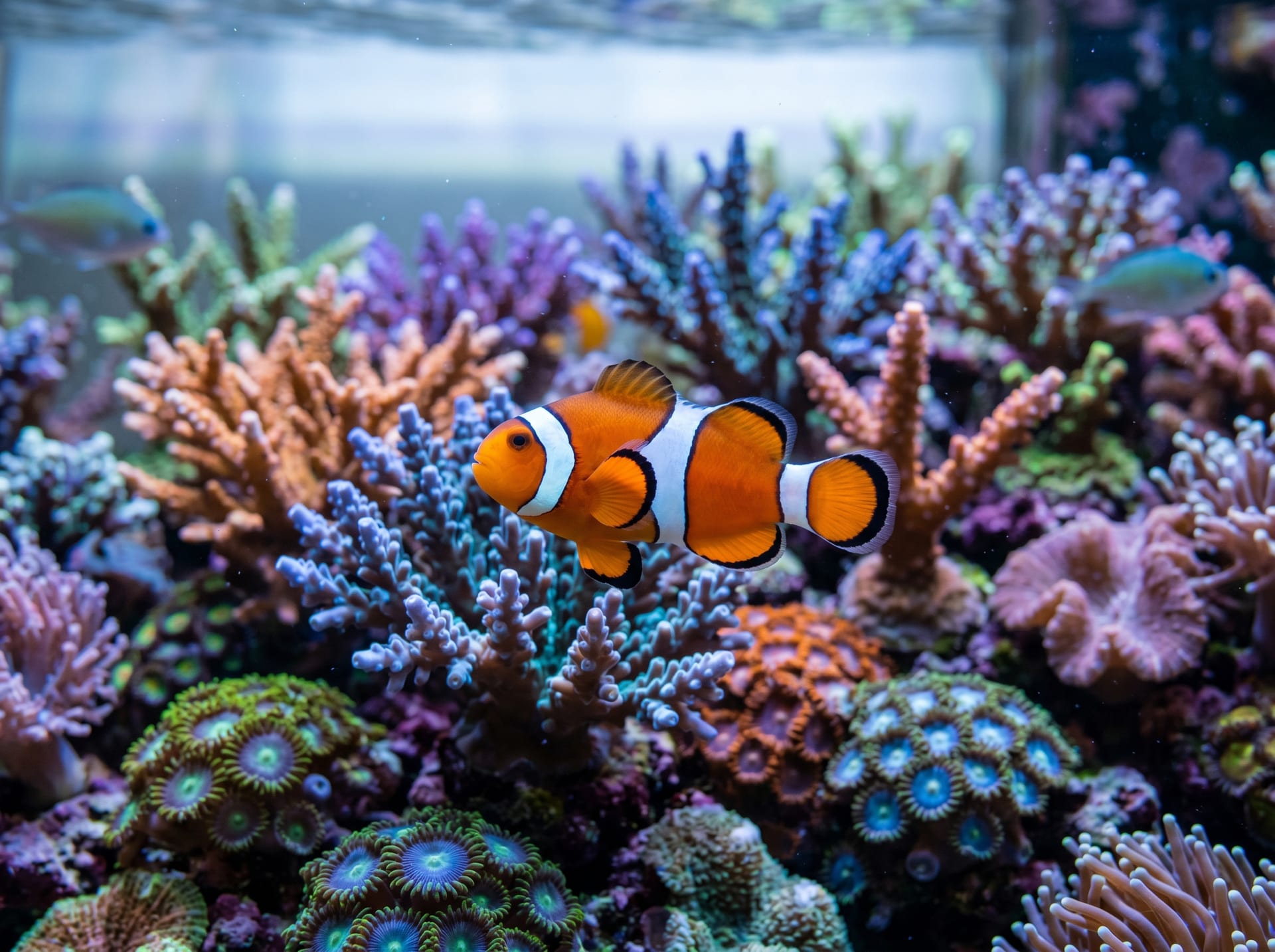
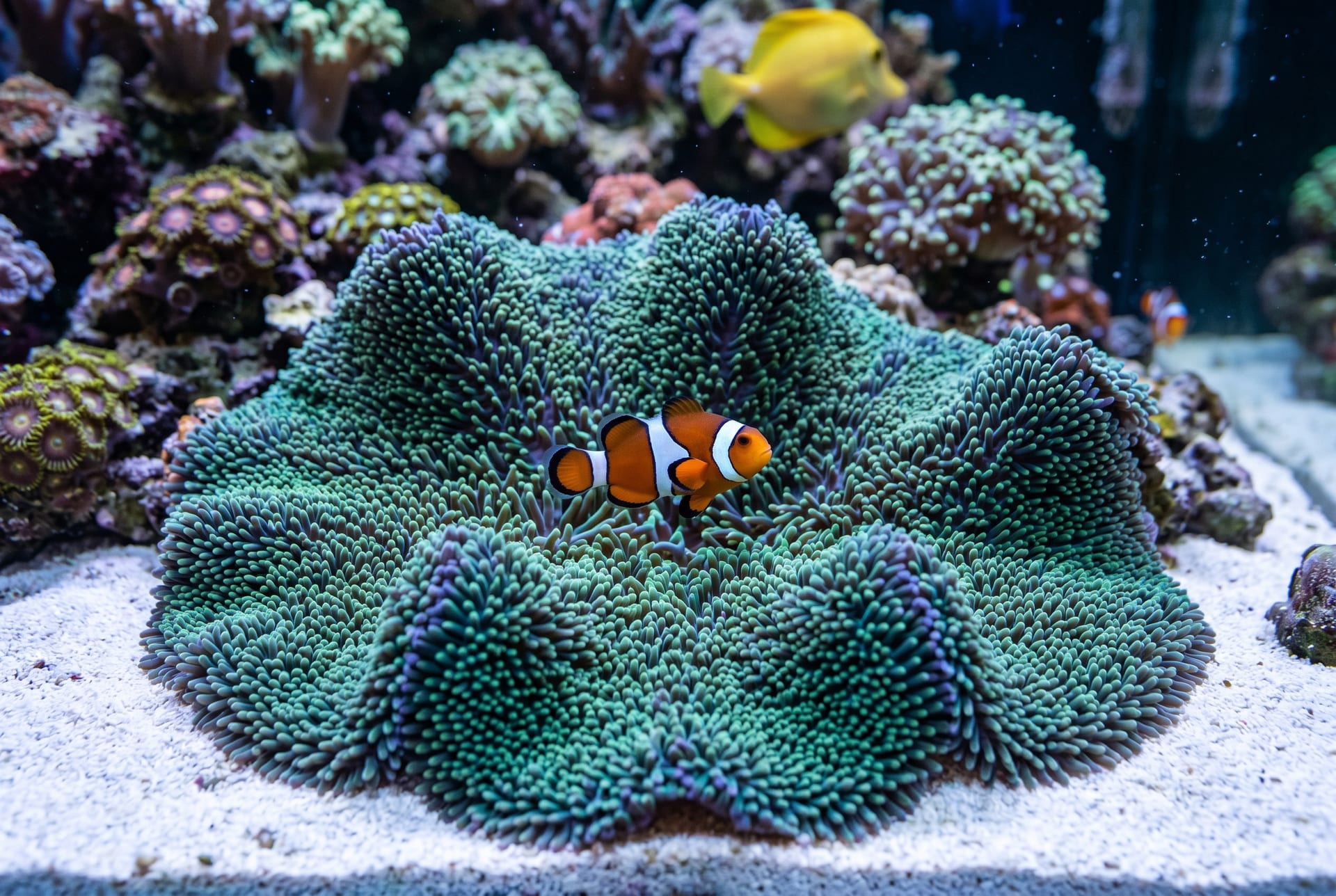
The Ocellaris Clownfish (scientific name: Amphiprion ocellaris) is a small saltwater fish native to coral reefs in the Indian and Pacific Oceans. Thanks in part to its fame from movies, it is one of the most recognizable saltwater fish species in the world. It is characterized by its orange body with three white bands, and adult fish reach a manageable size of about 6–9 cm in length.
Basic Information About Ocellaris Clownfish
- Body length: 5–9 cm (females are larger)
- Lifespan: 6–12 years in captivity
- Difficulty level: ★★☆ (relatively easy even for beginners)
- Water temperature: 24–28°C
- Minimum tank size: 60 L or larger
About Symbiosis with Sea Anemones
Wild ocellaris clownfish are famous for their symbiosis with sea anemones. However, anemones are not essential for keeping clownfish in captivity. Clownfish can be kept successfully on their own. However, keeping them with an anemone allows you to observe their natural symbiotic behavior, which is an added enjoyment. Compatible anemone species include the Carpet Anemone, Bubble Tip Anemone, and Sebae Anemone.
Setting Up Your Aquarium
Tank Size
Although ocellaris clownfish are small, water stability is crucial for saltwater fish keeping.
- Keeping 1–2 fish: 60 L (60 cm) or larger recommended
- Keeping a pair with an anemone: 90–120 L or larger for peace of mind
Small tanks experience rapid changes in water quality and temperature, which are unsuitable for saltwater fish.
Essential Equipment
Protein Skimmer (Essential)
The most important filtration device for saltwater aquariums. It physically removes ammonia, organic matter, and suspended particles to maintain water quality long-term. Choose a size appropriate for your tank volume.
Lighting System
Simple LED lighting is sufficient for clownfish alone, but if you plan to keep anemones or corals later, strong lighting with UVB and blue spectrum is necessary.
Live Rock
Live rock, which has living bacteria colonized on it, is the core of biological filtration in saltwater aquariums. A general guideline is 500 g to 1 kg per 10 L of tank volume. Live rock landscaping also provides hiding places for clownfish.
Heaters and Coolers
Maintain water temperature between 24–28°C. During summer months in Japan, a cooler or cooling fan may be necessary as room temperature rises.
Managing Specific Gravity (Salinity)
Maintain a specific gravity of 1.023–1.026 for saltwater. Use commercial artificial seawater and regularly check with a hydrometer or refractometer. As water evaporates, specific gravity rises, so top up with pure water (RO or filtered water) to maintain levels.
Feeding Your Ocellaris Clownfish
Ocellaris clownfish are omnivores that feed on plankton, small crustaceans, and algae in the wild.
Recommended Foods
Flake food: General-purpose flakes for saltwater fish. Nutritionally balanced and easy to use as a staple diet.
Pellet food: Sinking pellets that make it easy to spot uneaten food on the bottom.
Frozen brine shrimp: Highly palatable; thaw and serve as needed. Ideal as nutritional supplement 2–3 times per week.
Frozen copepods: Natural small crustacean food that boosts immunity.
Feeding Frequency and Portions
Feed 1–2 times daily, providing only as much as they will eat within 2–3 minutes. Remove any uneaten food with a dropper to prevent water quality decline.
Temperament and Tank Mates
Personality Traits
Ocellaris clownfish tend to defend their territory around anemones or preferred locations. Keeping multiple clownfish together can result in fierce conflicts, so the standard approach is to keep a pair (2 fish).
About sex change: Ocellaris clownfish are born as males, and the largest individual in a group becomes female. When keeping two, the larger one becomes female, forming a natural pair.
Compatible Tank Mates
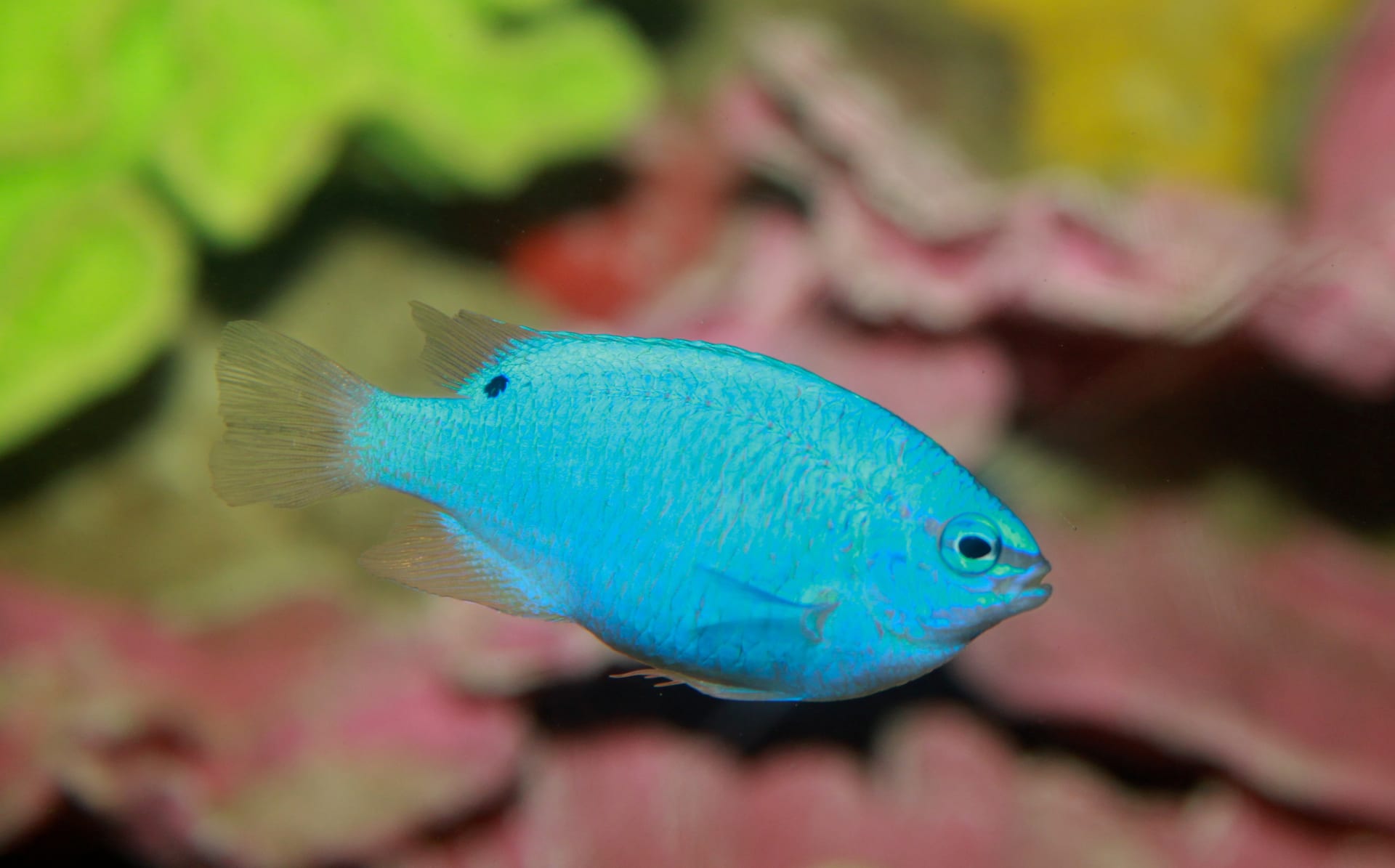
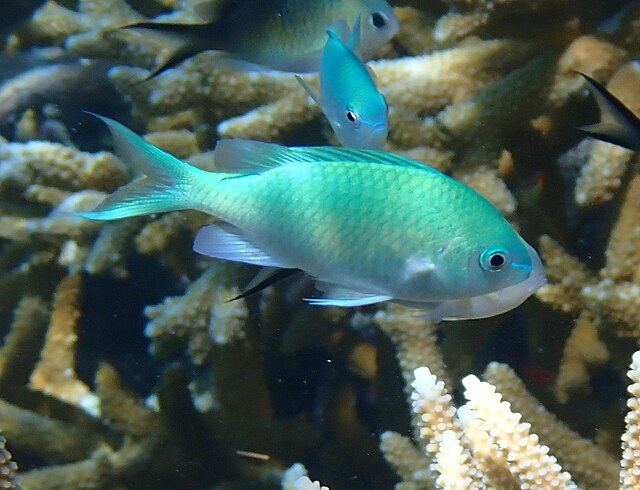
- Blue-green Chromis: Small and peaceful; popular with saltwater beginners. Compatible with clownfish ◎
- Gobies (Harlequin Goby, etc.): Can coexist by inhabiting the substrate
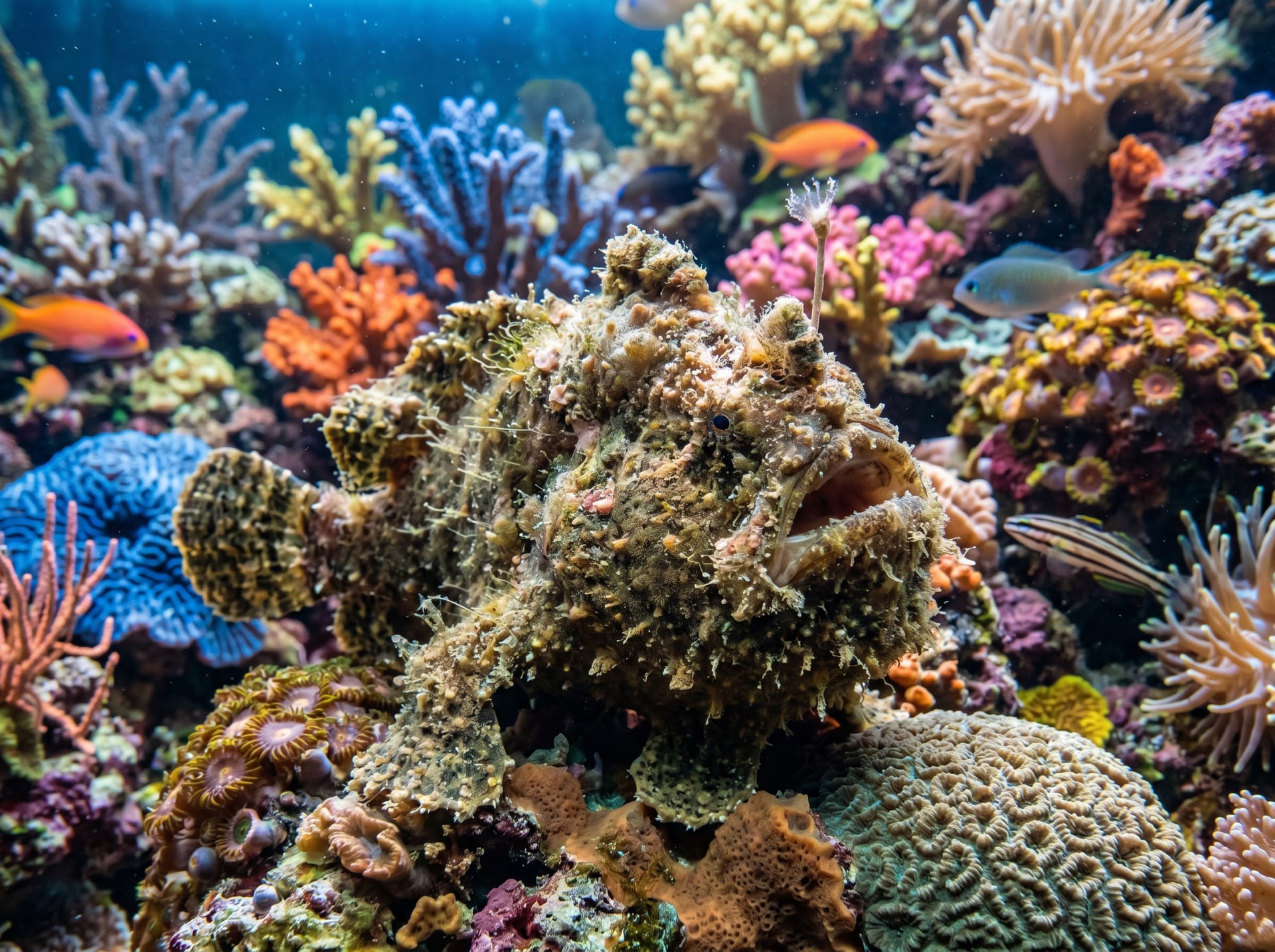
- Lionfishes (Frogfish) are prohibited: They prey on clownfish
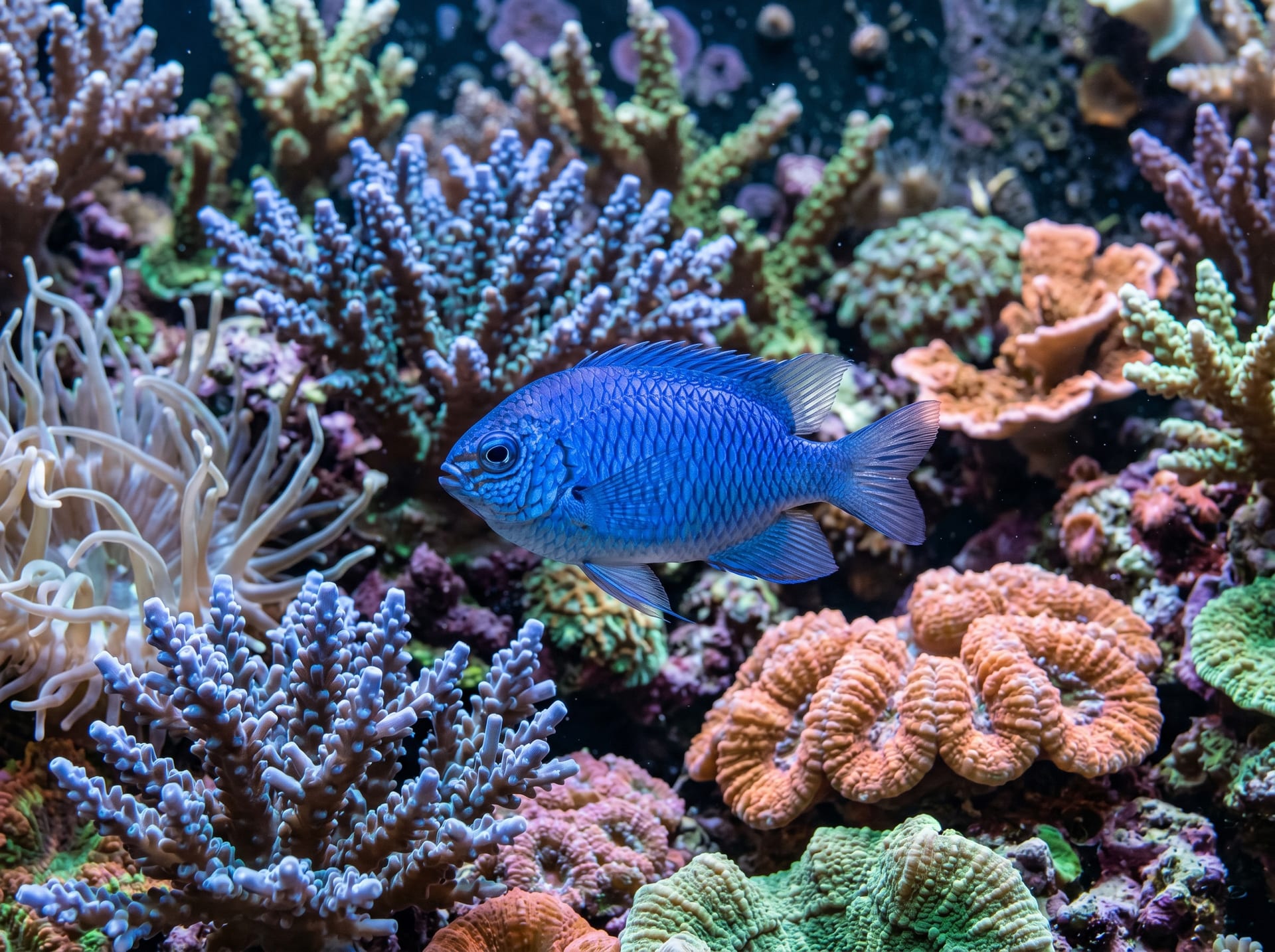
- Other damselfish species (Blue Damselfish, etc.): Avoid as territorial conflicts may occur
Common Diseases in Ocellaris Clownfish
Marine Ich (Cryptocaryon irritans)
The most common disease in saltwater fish. White sand-grain-like spots appear on the body.
- Cause: Parasitism by the flagellate (Cryptocaryon). Temperature fluctuations and transport stress are triggers.
- Treatment: Low specific gravity therapy (reduce to 1.009–1.012) or medication bath (copper-based treatments)
- Prevention: Always quarantine new fish in a treatment tank for 2–4 weeks
Lymphocystis
A viral disease characterized by white, wart-like lesions on the skin. Not fatal, but natural recovery is the standard approach. Support immunity through proper water quality management and nutritional supplementation.
Oodinium (Marine Velvet)
A protozoal disease characterized by tiny gold-to-brown spots, smaller than marine ich. Progression is faster than ich and can be fatal if untreated. Copper-based treatments are effective.
Attempting to Breed
Ocellaris clownfish are known to breed relatively easily in captivity.
Spawning Conditions
- A mature pair (either naturally formed or two mature individuals)
- A spawning surface such as an anemone or flat rock
- Stable water conditions (water temperature around 26°C, pH 8.1–8.3)
Breeding Process
- The male cleans the rock surface around the anemone and courts the female
- The female lays 100–1,000 eggs on the spawning surface
- The male guards the eggs, which hatch in 6–8 days
- The hatched larvae become planktonic and grow by feeding on plankton (copepods and rotifers)
- They begin settling to the bottom after 2–3 weeks
Breeder direct-sales sites often offer healthy captive-bred ocellaris clownfish. Captive-bred specimens tend to be hardier than wild-caught fish and adapt to prepared foods more readily.
Checklist for Bringing Home an Ocellaris Clownfish
✅ Aquarium of 60 L or larger is set up
✅ Protein skimmer is installed
✅ Live rock is in place
✅ Water temperature, specific gravity, and pH are stable
✅ Treatment tank is ready
✅ A trusted breeder or shop has been found
The Ocellaris Clownfish is an excellent entry point into saltwater fish keeping. With proper equipment and water quality management, you can enjoy these fish for over 10 years.