Flame Angelfish Care Guide | Tank Mates, Feeding, Tank Setup
Complete care guide for the Flame Angelfish (Centropyge loricula). Learn about housing requirements, tank mate compatibility, feeding techniques, tank setup, and common diseases for this stunning small dwarf angelfish with brilliant red and orange coloring.
Key Takeaways
Complete care guide for the Flame Angelfish (Centropyge loricula). Learn about housing requirements, tank mate compatibility, feeding techniques, tank setup, and common diseases for this stunning small dwarf angelfish with brilliant red and orange coloring.
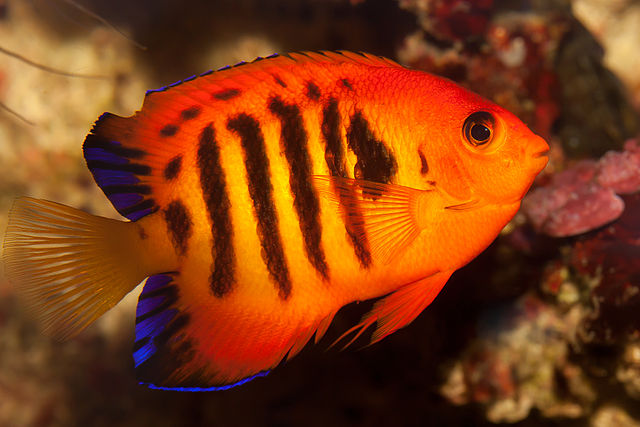
The Flame Angelfish (Centropyge loricula), as its common name suggests, is a small dwarf angelfish with striking contrast between vivid red/orange and black coloring reminiscent of flames. Inhabiting coral reefs in the Pacific Ocean, including Hawaii, the Line Islands, and the Marshall Islands, it is one of the popular species beloved by marine aquarists worldwide.
✍️
BreederDirect Editorial
The BreederDirect editorial team specializes in care information for animals, covering veterinary care and breeding to deliver beginner-friendly guides.
Find Marine Fish on BreederDirect
Buy directly from verified breeders
Browse Related Listings
Find Marine Fish listings related to this article on BreederDirect. Buy directly from verified breeders.
Related Tools
Related Articles
Browse by Category
🪸Coral
🐠Marine Fish
🐟Tropical Fish
🐡Goldfish
🐟Medaka
🦎Reptiles
Share
Basic Information on Flame Angelfish
Scientific Name: Centropyge loricula
Common Name: Flame Angelfish
Maximum Size: Approximately 10–12 cm
Distribution: Hawaii, Line Islands, Marshall Islands, Christmas Island, and others (Central to Eastern Pacific)
Depth Range: 5–57 m (mostly found around 20–30 m on coral reef slopes)
Lifespan: Records show 5+ years in captivity
Body coloration is a vivid red to orange base with multiple black bars running along the sides. Regional variations exist; Hawaiian specimens tend to have more prominent banding, while Christmas Island specimens are notably redder with fainter banding.
Price Range: Typically 5,000–15,000 yen (depending on origin and specimen condition)
Environment Required for Care
Tank Size
Flame Angelfish are active swimmers and require a minimum of 60 cm (60+ liters) tank. A 60 cm tank is suitable for solitary or small-group housing; for mixed tanks with multiple marine fish, a 90–120 cm tank is ideal.
Water Quality Parameters
Parameter
Target Value
Temperature
24–27°C
pH
8.1–8.3
Salinity (Specific Gravity)
1.023–1.026
Alkalinity (KH)
8–11 dKH
Ammonia
0 ppm
Nitrite
0 ppm
Nitrate
20 ppm or below
Live Rock and Shelter
Flame Angelfish prefer places to hide.
Arrange live rock to create multiple caves
Algae on live rock provides natural foraging areas
Ensure rock stacks are stable and will not collapse (preventing damage from earthquakes or fish impact)
Filter and Protein Skimmer
Protein Skimmer: Essential (for organic matter removal and oxygen supply)
External filter or overflow system
Adequate biological filtration with sufficient live rock is necessary for nitrate management
Tank Mate Compatibility
Compatible Fish
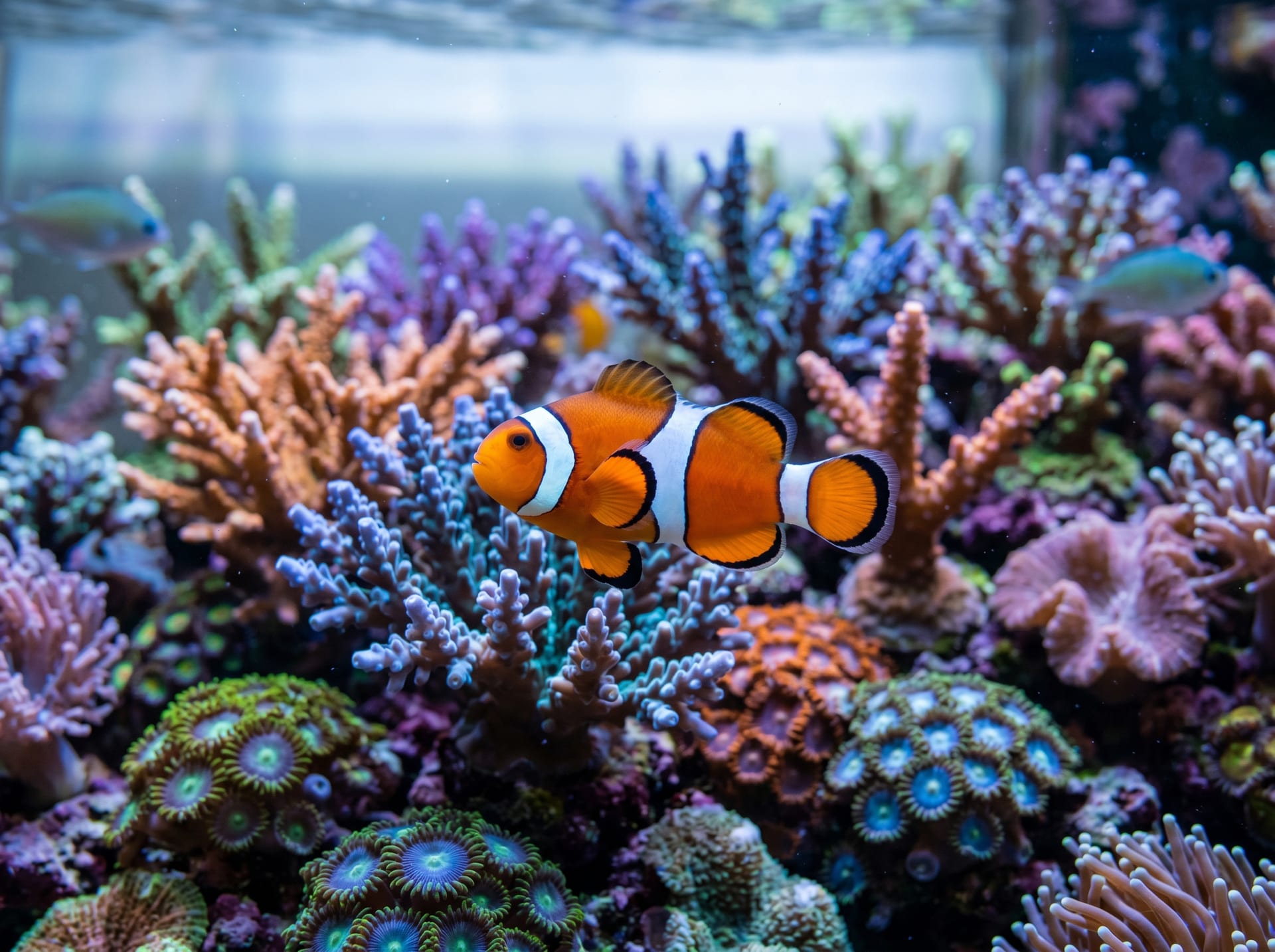
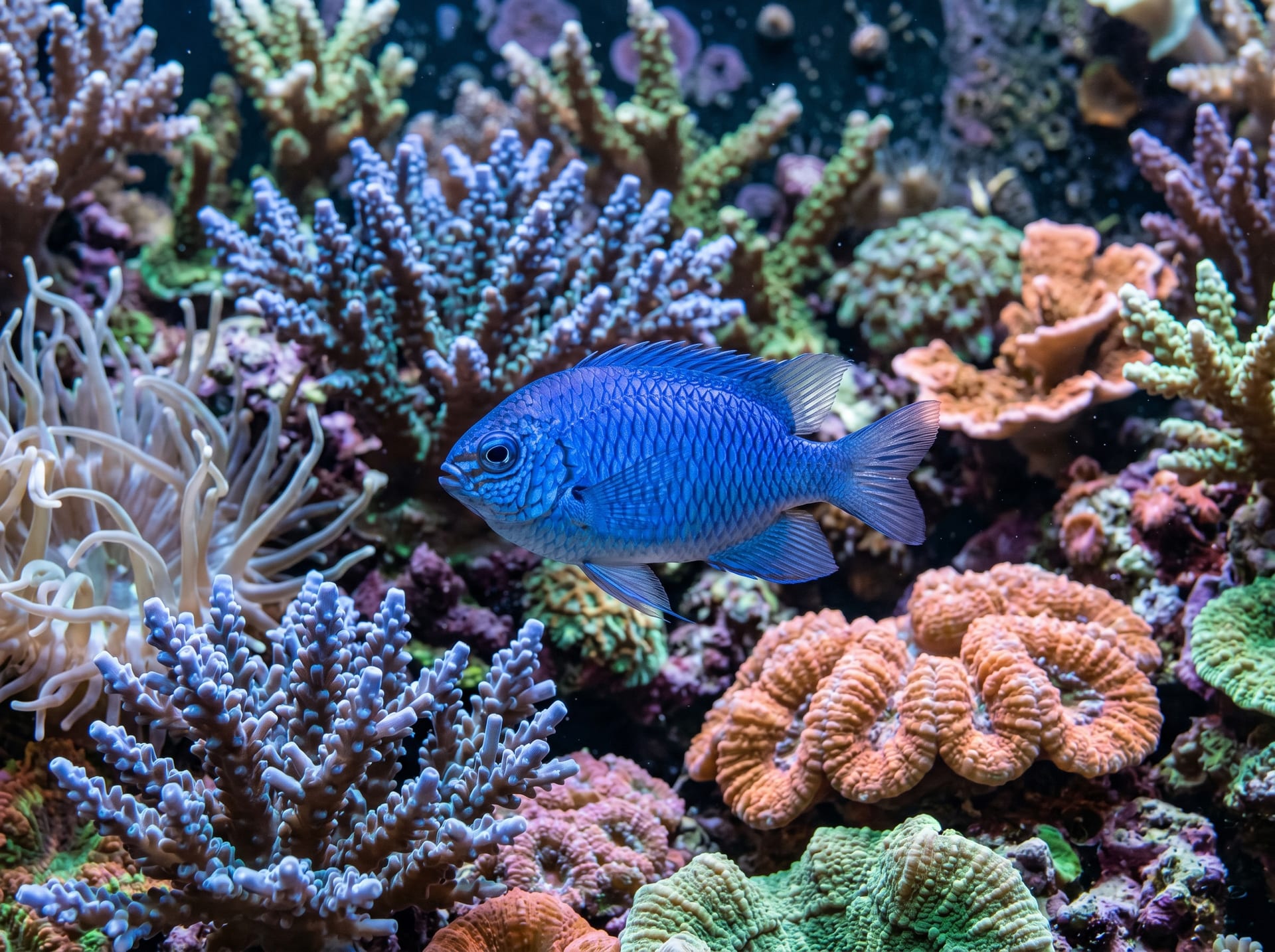
Ocellaris Clownfish and Damselfish (small species): Often compatible
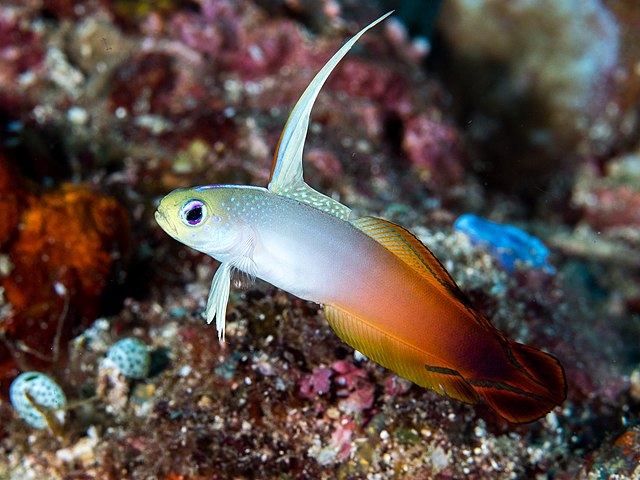
Gobies (such as Firefish): Peaceful species are generally fine
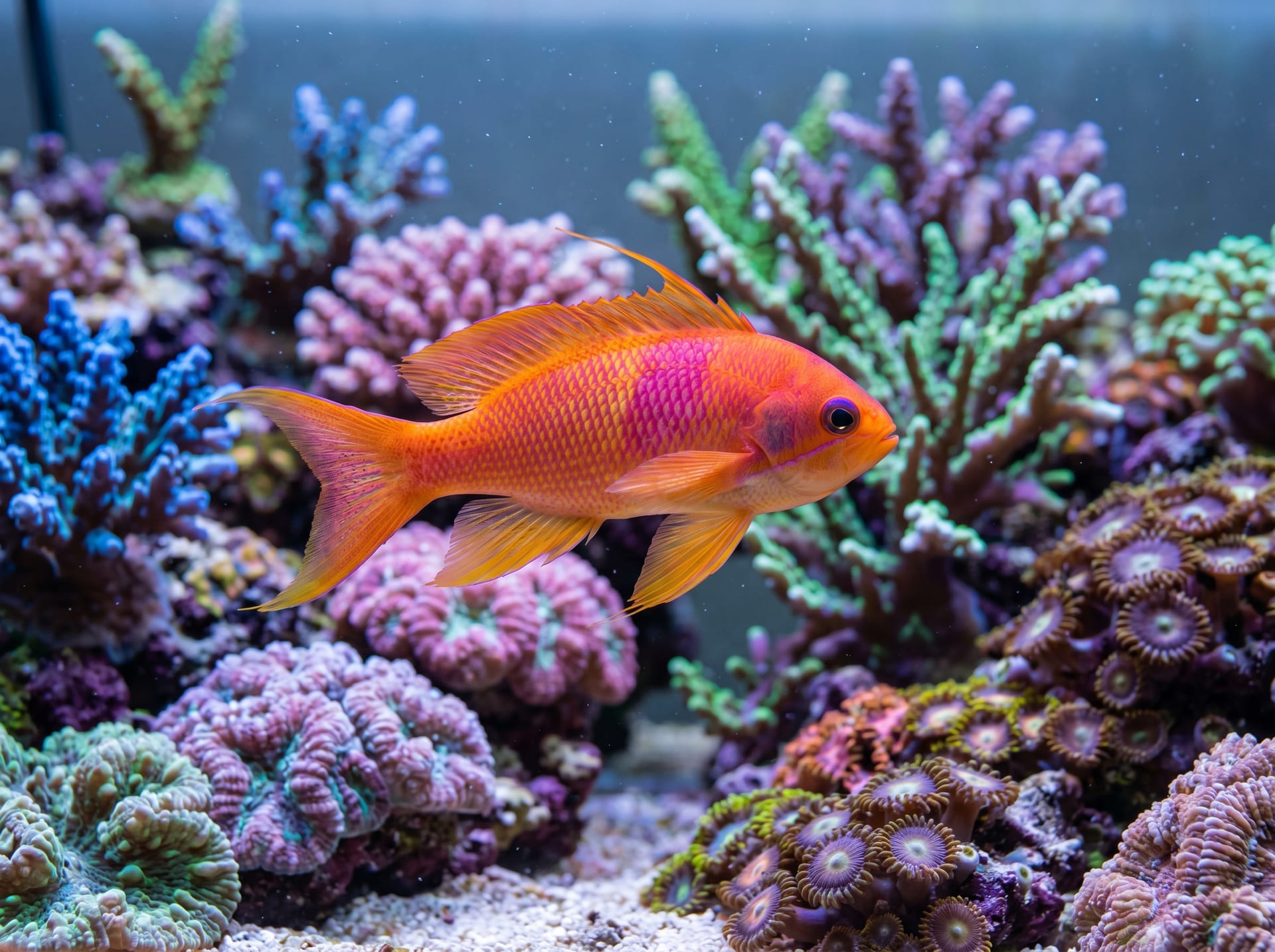
Anthias and Basslets: Compatible
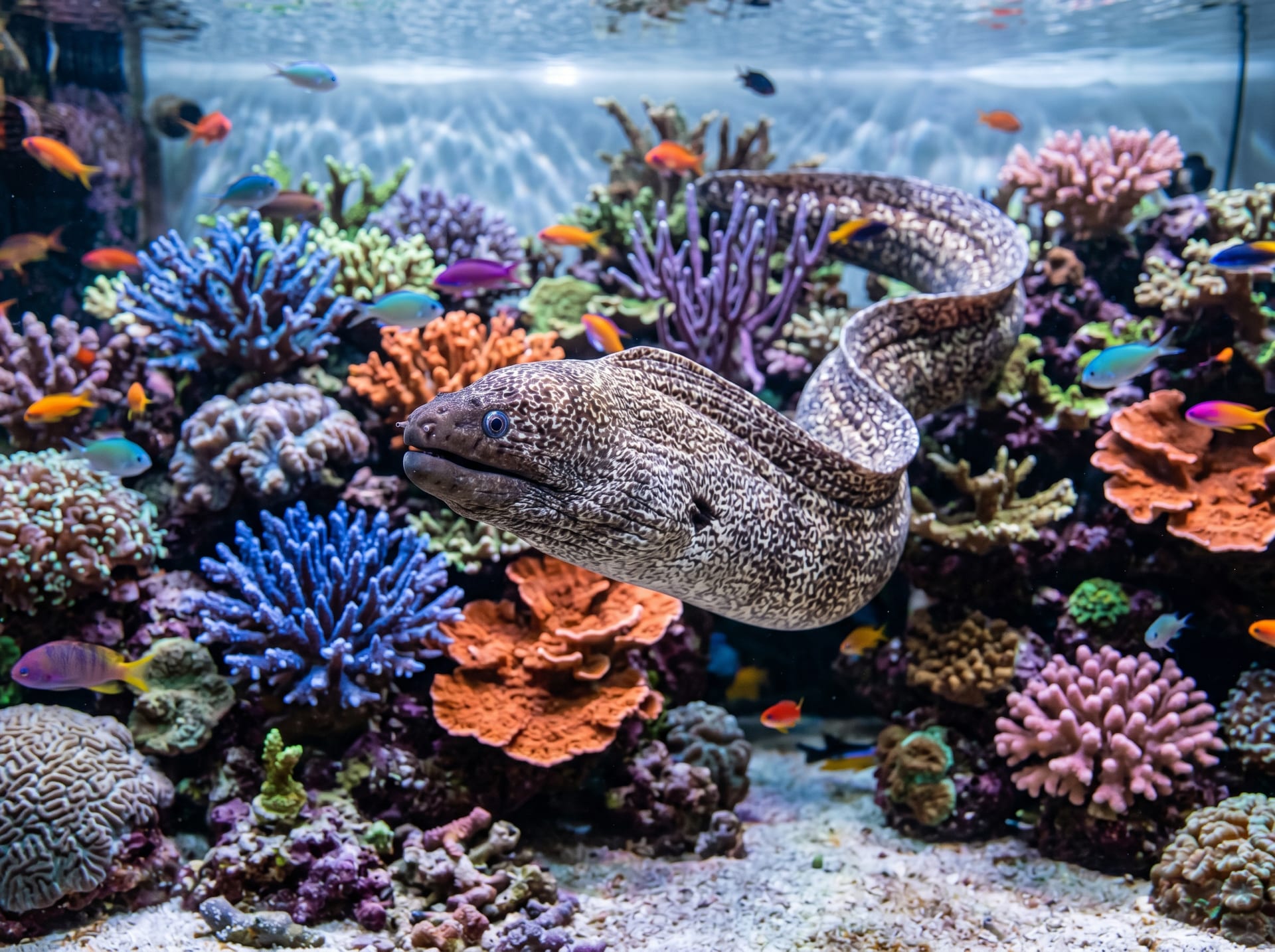
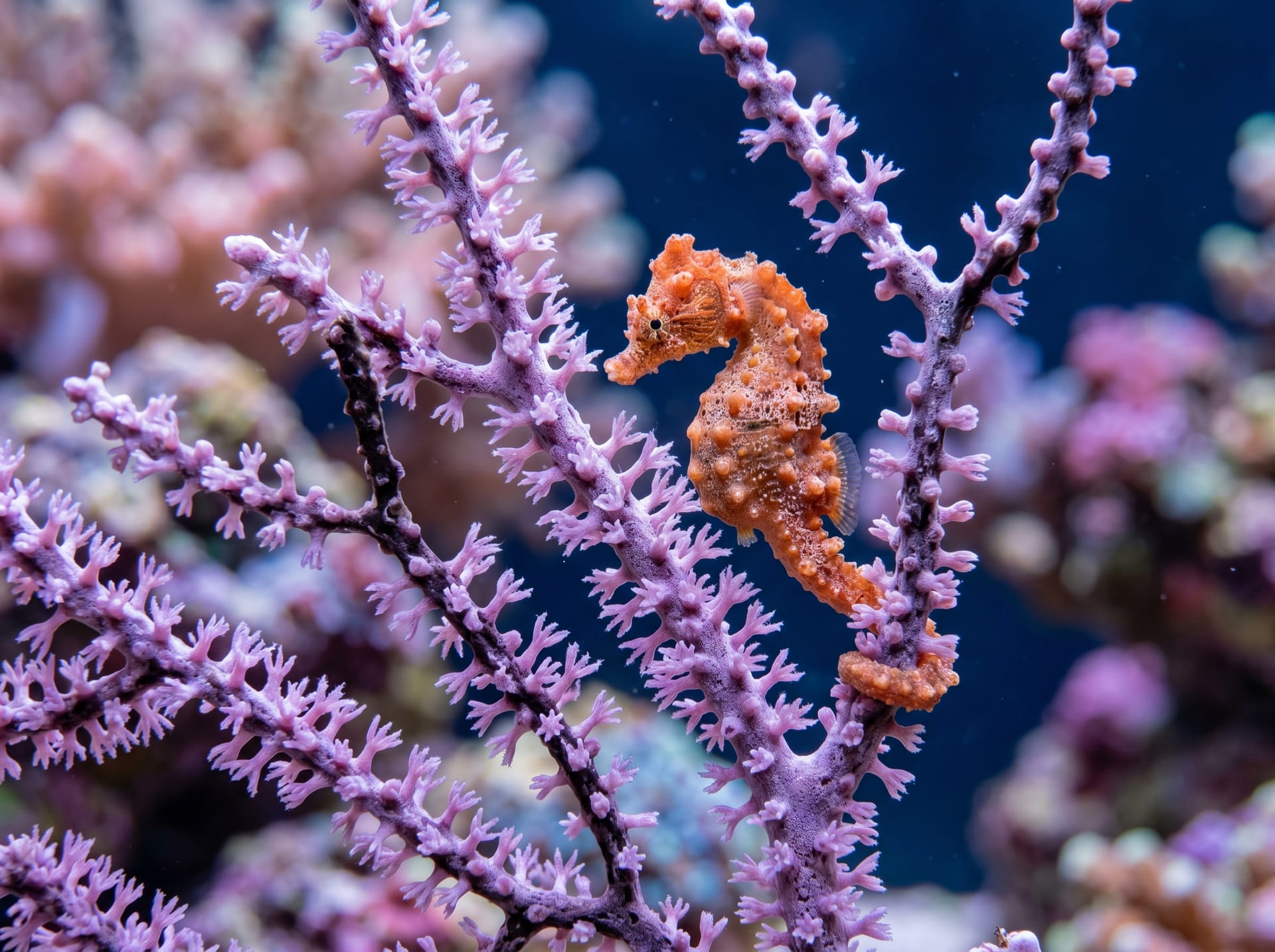
Small Moray Eels and Seahorses: Less likely to be attacked
Surgeonfish (medium-sized): Generally compatible due to larger body size
Incompatible Fish and Precautions
Same Species: Flame Angelfish are highly territorial toward each other. Multiple specimens can only be housed together in large tanks (150 cm+) with harem formation (1 male : multiple females) as the goal.
Pygmy Angelfish (other Centropyge species): Closely related Centropyge genus species tend to engage in fierce conflict; mixed housing is generally not recommended.
Weak or Small Fish: While Flame Angelfish have moderate aggression for their species, extremely small or docile fish may be chased constantly.
Reef Tank Caution: Flame Angelfish have a habit of nipping at polyps, particularly SPS coral (Acropora) polyps. They may also nip LPS and some soft corals. Introduction to reef tanks carries risk depending on individual temperament and requires careful consideration.
Feeding
Flame Angelfish are among the easier angelfish to acclimate to captive feeding.
Initial Feeding
For the first 1–2 days after purchase, fish may refuse food due to environmental stress. Try these methods initially:
Introduce live copepods: Fish will naturally forage on live rock, making rejection unlikely
Live Rock Algae: Fish will naturally graze on microscopic algae and biofilm on freshly introduced rock
Frozen Brine Shrimp: Movement in the water stimulates feeding response
Feeding After Acclimation
Frozen Copepods: High palatability
Enriched Frozen Brine Shrimp: A staple food
Prepared Foods (flakes and pellets): Acclimated individuals readily consume these
Seaweed Sheets and Dried Nori: Effective for providing plant matter (angelfish have herbivorous tendencies)
Feeding Frequency: Small frequent feedings 2–3 times daily are ideal.
Quarantine and Treatment
As with all marine fish, quarantine upon introduction is strongly recommended for Flame Angelfish.
Quarantine Tank: House in a separate 30–60 L tank for 2–4 weeks
White Spot Disease (Cryptocaryon irritans) Risk: Immunity is weakened immediately after purchase, making infection likely
Observe for Symptoms During Isolation: Prevents introducing disease to the main tank
Common Diseases
White Spot Disease (Marine Ich)
The most common marine fish disease, appearing as white spots on the body surface. Stress, sudden temperature changes, and immunosuppression are contributing factors.
The parasite naturally dies after 72+ days if the main tank is left fishless, due to its life cycle
Velvet Disease (Marine Powder Disease)
A condition where extremely fine golden spots cover the body surface. Progresses faster than white spot disease; early detection is critical.
Copper-based treatment is effective, but cannot be used in tanks containing corals or invertebrates
Bacterial Infection
Bacteria enter through wounds or abrasions, causing mouth rot and fin rot. Antibiotic-containing medicated baths are the standard treatment.
Sex Reversal in Flame Angelfish
The Flame Angelfish is a protogynous hermaphrodite. Within a group, the largest female transforms into a male (the opposite of protandry). In nature, they form harems with the largest individual functioning as the male.
In captivity, harem formation attempts typically involve introducing multiple females first, allowing the environment to stabilize, then waiting for the largest individual to transition to male.
Cost Estimate
Individual specimen: 5,000–15,000 yen
Tank setup (60 cm): 30,000–50,000 yen (starter set)
Monthly running costs: 2,000–5,000 yen (electricity, consumables, food)
Summary
The Flame Angelfish, with its striking flame-like coloring and moderate care difficulty, is an excellent choice for both beginner and intermediate marine aquarists. With proper environment, feeding, and water quality management, long-term care is achievable, and you may even observe courtship behavior in mature pairs. Through Br. Choku's direct connections with marine fish breeders, you can confidently acquire healthy specimens.