Vagabond Butterflyfish Care Guide | Feeding, Tank Setup, Compatibility, and Long-term Care Tips
A guide to caring for the Vagabond Butterflyfish (Chaetodon vagabundus). Covers the step-by-step feeding process—the biggest challenge in butterflyfish care—tank setup of 90cm or larger, quarantine in treatment tanks to prevent ich, and practical guidance on compatible and incompatible tank mates.
Key Takeaways
A guide to caring for the Vagabond Butterflyfish (Chaetodon vagabundus). Covers the step-by-step feeding process—the biggest challenge in butterflyfish care—tank setup of 90cm or larger, quarantine in treatment tanks to prevent ich, and practical guidance on compatible and incompatible tank mates.
About the Vagabond Butterflyfish
The Vagabond Butterflyfish (scientific name Chaetodon vagabundus) is a representative species of the butterflyfish family widely distributed throughout the Indian and Pacific Oceans. In Japan, it is found in coral reef areas around Okinawa, and true to its English name "Vagabond Butterflyfish," it is known for roaming across wide ocean areas.
✍️
BreederDirect Editorial
The BreederDirect editorial team specializes in care information for animals, covering veterinary care and breeding to deliver beginner-friendly guides.
Find Marine Fish on BreederDirect
Buy directly from verified breeders
Browse Related Listings
Find Marine Fish listings related to this article on BreederDirect. Buy directly from verified breeders.
Related Tools
Related Articles
Browse by Category
🪸Coral
🐠Marine Fish
🐟Tropical Fish
🐡Goldfish
🐟Medaka
🦎Reptiles
Share
The body color is primarily white to pale yellow, with an orange-to-yellow gradient visible from the rear half of the body to the caudal fin. The sides display a diagonal lattice pattern of fine black lines, and a black vertical stripe runs across the tail. This distinctive pattern is a key distinguishing feature from the similarly-colored Black-barred Butterflyfish.
Basic Data on the Vagabond Butterflyfish
Item
Details
Scientific Name
Chaetodon vagabundus
English Name
Vagabond Butterflyfish
Distribution
Indian Ocean and central to western Pacific (Japan: around Okinawa)
Because the Vagabond Butterflyfish is an active swimmer, a tank of at least 90cm (recommended 120cm or larger) is necessary. Since it tends to swim in straight lines rather than slowly along corners, tank width is more important than depth.
Water Quality Management
Parameter
Recommended Value
Water Temperature
24–27°C
Specific Gravity
1.023–1.025
pH
8.1–8.4
Ammonia/Nitrite
0 (below detection limit)
Nitrate
20 mg/L or below
Butterflyfish are relatively sensitive to nitrate accumulation. Manage nitrate through partial water changes (10-20%) once or twice per week.
Layout
Stack live rock to create crevices and hiding spots (reduces stress and provides refuge)
Maintain open swimming space in the front of the tank
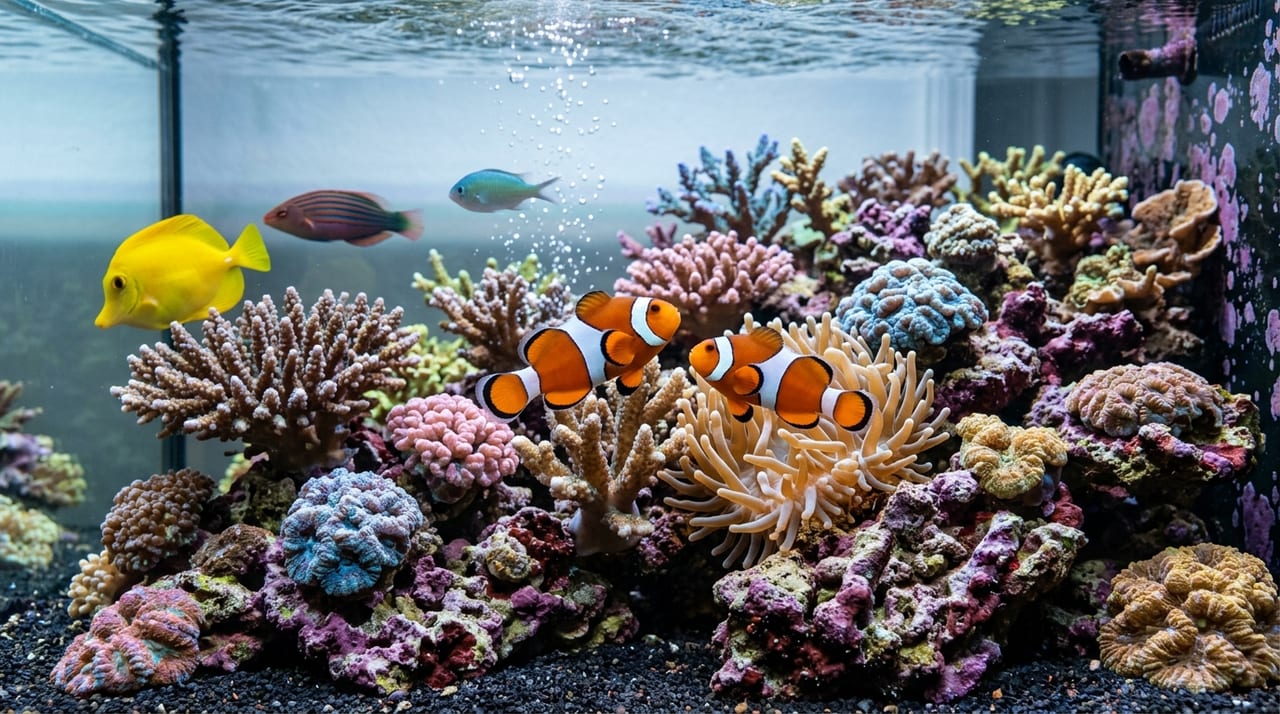
Use coral decorations or rocks for layout, and generally avoid mixing with live corals (LPS/SPS) due to the risk of polyp predation
Feeding and Diet
Feeding is the Biggest Challenge
The most important aspect of butterflyfish care is feeding. Wild individuals primarily feed on coral polyps and polychaete worms, so transitioning to artificial feeds can take considerable time.
Feeding Process (Step-by-Step Approach)
Start with live foods: Use shelled clam, frozen copepods, and frozen brine shrimp to stimulate appetite
Transition to semi-frozen foods: Mix frozen krill or chopped clam with artificial pellets
Switch to artificial feeds: Gradually introduce butterflyfish-specific marine pellets or algae-based pellets
Feeding Tips
Feed 2–3 times daily in small amounts (only what the fish can consume at once)
Overfeeding causes water quality degradation
If the fish does not eat for 2 weeks or more, strength will decline—consult a veterinarian or specialist
Types of Food
Food Type
Characteristics
Frozen Brine Shrimp
Effective for stimulating appetite during acclimation
Frozen Copepods
High nutritional value, easy to eat with small mouths
Shelled Clam
High palatability, effective for feeding conditioning
Algae-based Pellets
Supplies plant-based nutrition (algae also occur naturally in diet)
Frozen Marine Cubes
Mix of various marine organisms, good nutritional balance
Tank Mate Compatibility
Compatible Species
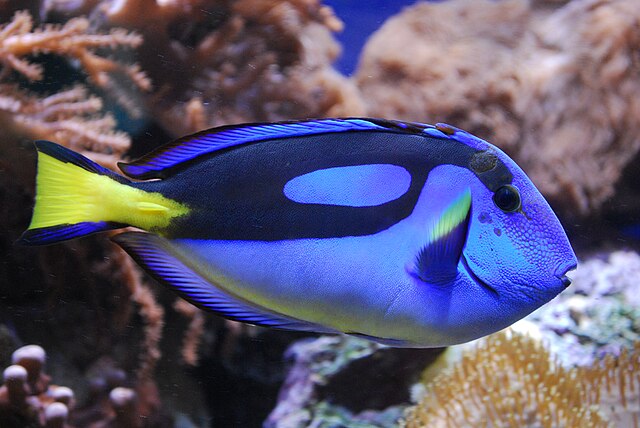
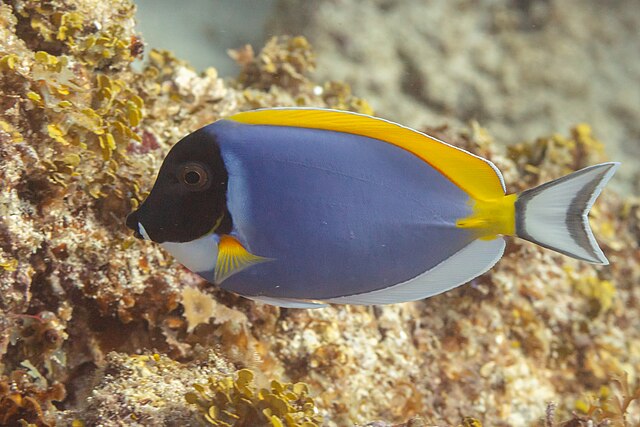
Large tangs (Yellow Tang, Powder Blue Tang)
Angelfish (calm medium-sized species)
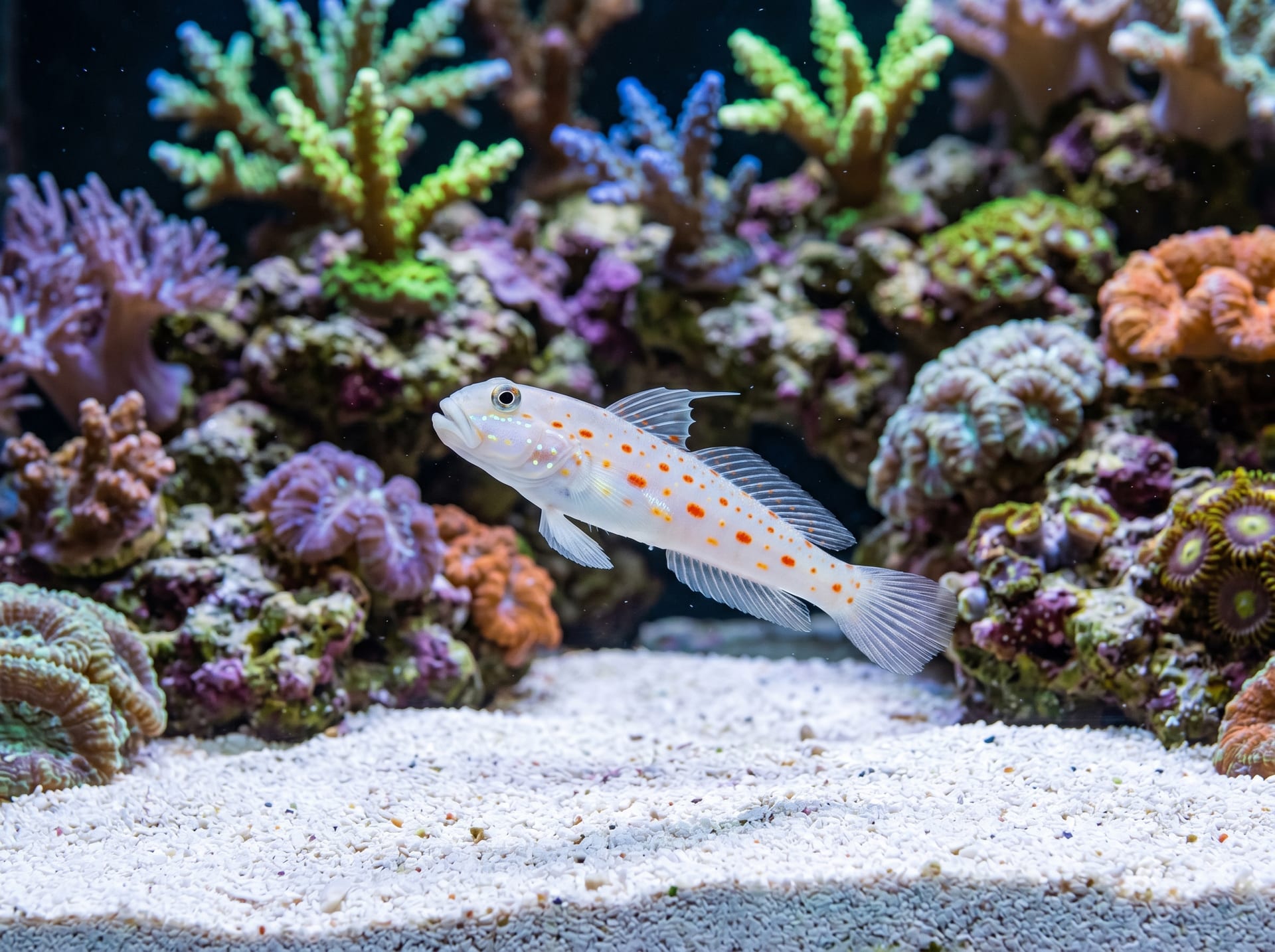
Gobies (Watchman Goby, Diamond Goby, etc.)
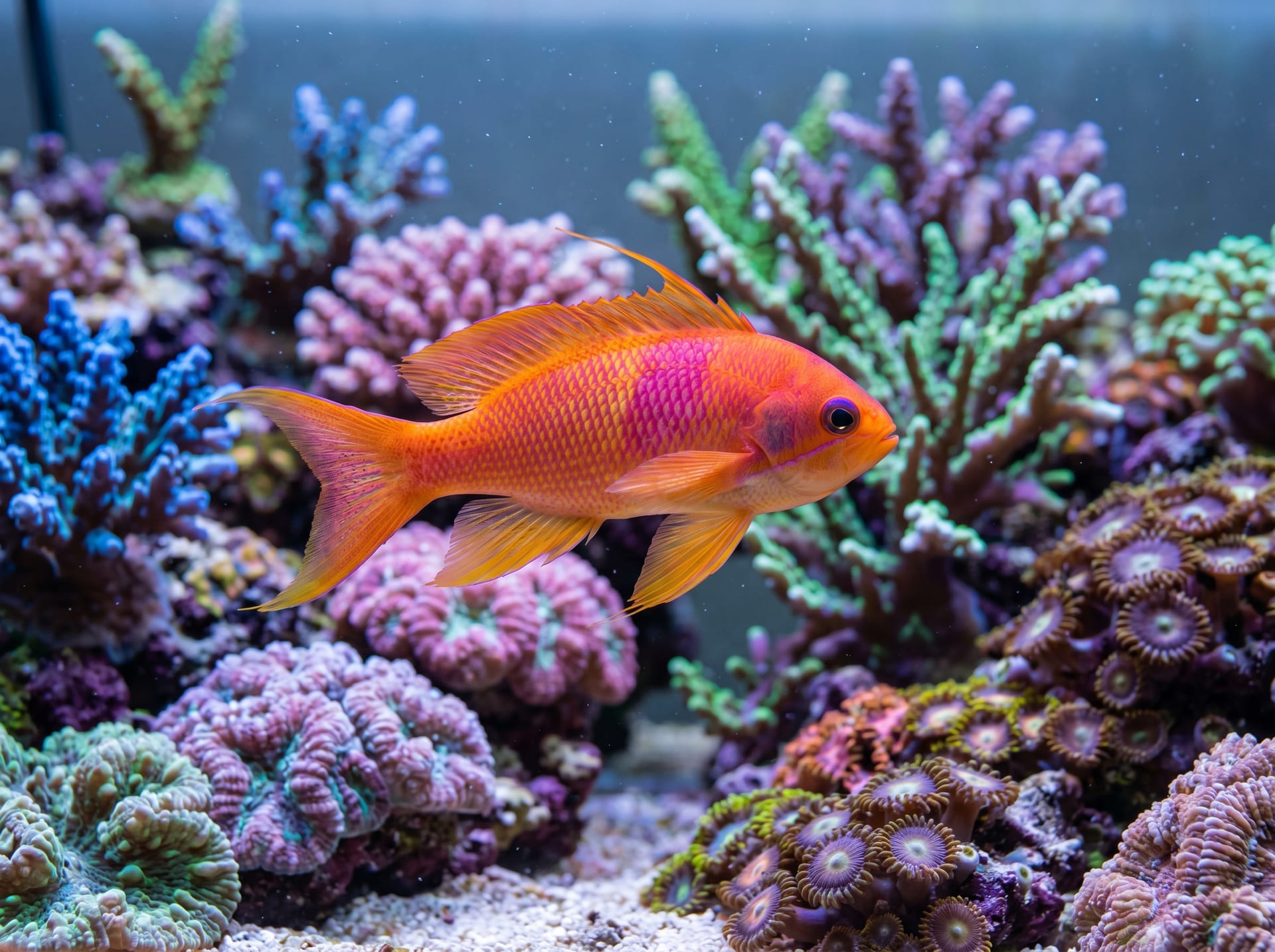
Anthias species
Incompatible or High-Risk Species
Species
Reason
Live Corals
Polyps are predated upon (not reef-safe)
Same Species/Other Butterflyfish
Territorial disputes likely—introduce simultaneously if keeping together
Aggressive Damsels
Cause stress
Small Shrimp/Sea Urchins
May be predated upon
Common Diseases and Prevention
Ich (Cryptocaryon irritans)
Butterflyfish are susceptible to ich.
Symptoms: Multiple white spots on body surface, rubbing behavior (fish scraping against rocks)
Prevention: Enforce 4–6 week quarantine in a treatment tank for new individuals
Treatment: Manage copper ion-based treatments (Cu²⁺) at 0.15–0.20 mg/L. Cannot be used in main tanks containing live rock
Loss of Appetite and Malnutrition
For feeding failures, use food soaking (immersion in nutritional supplements) as nutritional support
SELCO or vitamin C supplementation can be effective
Long-term Care Tips
With proper environment and successful feeding, the Vagabond Butterflyfish can be kept for 5–10 years or longer.
Maintain stable water quality (nitrate management is most critical)
Rotate varied foods to prevent nutritional imbalances
Quarantine new additions for 4–6 weeks after introduction to eliminate infection risks
Once established, minimize disturbance to the tank (avoid stressing the fish in its familiar environment)
Butterflyfish are positioned as an "intermediate challenge" in marine aquarium keeping, but once feeding is established, they become extremely friendly and rewarding pets. Enjoy the Vagabond Butterflyfish's distinctive lattice pattern and graceful swimming in your aquarium.