Emperor Angelfish (Pomacanthus imperator) Care Guide | Color Transformation from Juvenile to Adult and Long-Term Care Practice
Comprehensive guide to caring for Emperor Angelfish (Pomacanthus imperator) from juvenile to adult. Covers the color transformation process from blue juvenile patterns to golden adult coloration, tank size, feeding, tank mate compatibility, and white spot disease prevention—a practical guide to long-term care of large angelfish species.
Key Takeaways
Comprehensive guide to caring for Emperor Angelfish (Pomacanthus imperator) from juvenile to adult. Covers the color transformation process from blue juvenile patterns to golden adult coloration, tank size, feeding, tank mate compatibility, and white spot disease prevention—a practical guide to long-term care of large angelfish species.
Related Species
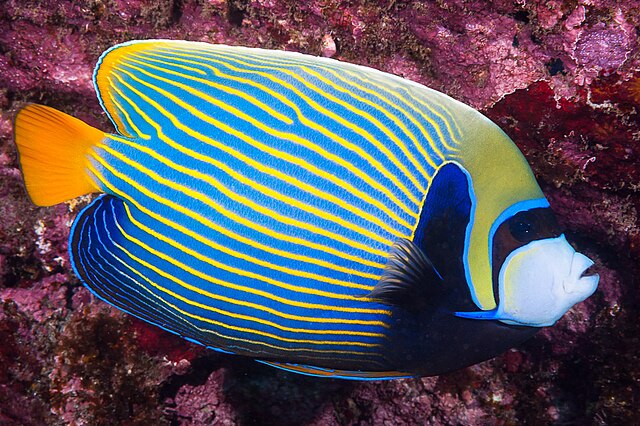
The Emperor Angelfish (Pomacanthus imperator) is one of the most beautiful and distinctively color-changing large angelfish species in the marine aquarium hobby. Juveniles display deep indigo with white concentric circle patterns, while adults feature striking horizontal stripes in gold and blue—their dramatic transformation is unlike any other fish and captivates dedicated aquarists. This article provides comprehensive coverage from acquisition through juvenile care, the color-change process, and long-term adult management.
Emperor Angelfish: Basic Information
| Item | Details |
|---|---|
| Scientific Name | Pomacanthus imperator |
| Distribution | Indian Ocean to Pacific Ocean (including Red Sea) |
| Adult Size | Maximum 38–40 cm |
| Recommended Tank Size | Juvenile: 120–150 cm or larger; Adult: 180 cm or larger |
| Water Temperature | 24–26°C |
| Water Quality | pH 8.1–8.3, Specific Gravity 1.020–1.025 |
| Care Difficulty | Moderately difficult |
| Coral Compatibility | Not compatible (nibbles soft corals and LPS) |
Juvenile to Adult Color Transformation
The Emperor Angelfish's greatest appeal is its dramatic color change during growth.
Juvenile Stage (5–8 cm): The fish is entirely deep blue (indigo) with distinctive white concentric circle patterns arcing toward the tail. These patterns are called "territory patterns" and are believed to provide a visual confusing effect against predators.
Sub-Adult Stage (10–15 cm): A transition period where white concentric circles begin to break down and horizontal stripes start forming. When color change begins, it signals that tank conditions are suitable. This stage is the most unstable and the fish is highly sensitive to stress.
Adult Stage (20 cm and above): Bright yellow and blue horizontal stripes fully form on the body sides, and facial patterns also change. Red Sea specimens are particularly known for vibrant coloration and command premium prices. Complete transition to full adult coloration typically takes 1–2 years.
If color change is not progressing smoothly, consider these factors:
- Tank is too small and causing stress
- Nutritional imbalance (insufficient plant matter and algae)
- Unstable water quality
Tank Size and Husbandry Environment
In their natural habitat, Emperor Angelfish are large fish that claim vast reef territories. In captivity, environments that prevent adequate swimming space cause stress.
Recommended Tank Sizes:
- Juvenile to Sub-Adult (up to 15 cm): 120 cm × 45 cm × 45 cm (250 L) or larger
- Adult (20 cm and above): 180 cm × 60 cm × 60 cm (648 L) or larger is ideal
As they grow larger, they produce significant bioload, making a powerful protein skimmer and sump (overflow system) essential. Keeping them singly or with 1–2 similarly-sized, peaceful marine fish is the most realistic approach.
Feeding and Diet
With wild-caught Emperor Angelfish, initial acclimation to aquarium food is the greatest challenge. In nature, they feed primarily on sponges, algae, and invertebrates, so adjusting to prepared foods can be slow.
Feeding Sequence:
- Start with frozen copepods and ostracods to assess feeding response
- Progress to frozen mysis, then frozen brine shrimp, then small frozen whole krill
- Gradually transition to pellets and flakes (New Life Spectrum Marine, Hikari, etc.)
- Supplement with dried algae (nori) clipped to the tank daily for plant-based nutrition
Plant Matter is Essential: Emperor Angelfish have strong herbivorous tendencies, and insufficient plant-based foods (spirulina, algae) will result in color fading and immune suppression. Regularly provide live or dried algae and nori alongside prepared foods.
Tank Mate Compatibility Considerations
As Emperor Angelfish mature, their territorial behavior intensifies, and they can become aggressive toward other angelfish species and large wrasses.
Tank Mates to Avoid:
- Same species (keeping two is essentially not feasible)
- Other large angelfish species (Flagfin Angelfish, Half Moon Angelfish, etc.)
- Same-sized tangs (territorial competition)
Generally Compatible Tank Mates:
- Tangs (peaceful species like Rainbow Surgeonfish, Red-tailed Angelfish)
- Small to medium-sized fish (clownfish, dottybacks)
- Gobies
Coral Compatibility: Because they nibble corals, they are not suitable for full reef aquariums. The most practical approach is to keep them in a "fish-only" setup with live rock, or test cautiously with hardy LPS and soft corals.
Disease and Health Management
Ich (Cryptocaryon): Angelfish are highly susceptible to white spot disease and often develop it when first introduced or during temperature fluctuations. Quarantine new specimens in a treatment tank (QT) for at least 4 weeks before introduction.
Hexamita (Hole-in-the-Head): A disease characterized by holes appearing on the head and lateral line, triggered by chronic malnutrition, excessive activated carbon use, or high nitrate levels. Prevent it with adequate plant-based foods, vitamin supplements, and improved water quality.
Preventing Jump-Outs: Adult fish may jump out of the tank during nighttime or when startled. A secure lid or net cover is essential.
Conclusion
The Emperor Angelfish is a unique species with dual appeal—the breathtaking beauty of the adult form and the remarkable transformation from juvenile to adult, unmatched by other marine fish. Correspondingly, they demand large tanks, powerful filtration, and careful dietary management, making their care moderately difficult. However, with proper conditions and care, they can thrive for 10+ years. Raising them from juveniles and witnessing their color transformation is an unforgettable experience for dedicated aquarists.