How Much Does It Cost to Keep Tropical Fish? Explaining Monthly Running Costs
A guide to tropical fish keeping expenses. For a standard 60cm tank, initial equipment costs range from about 13,000–37,000 yen plus 2,000–5,000 yen for livestock, with monthly running costs (electricity, food, and consumables) averaging 1,200–3,500 yen. We also introduce money-saving tips, including the use of starter kits.
Key Takeaways
A guide to tropical fish keeping expenses. For a standard 60cm tank, initial equipment costs range from about 13,000–37,000 yen plus 2,000–5,000 yen for livestock, with monthly running costs (electricity, food, and consumables) averaging 1,200–3,500 yen. We also introduce money-saving tips, including the use of starter kits.
Related Species
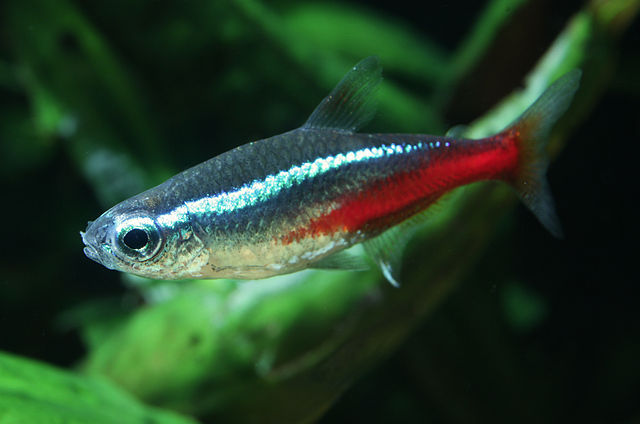
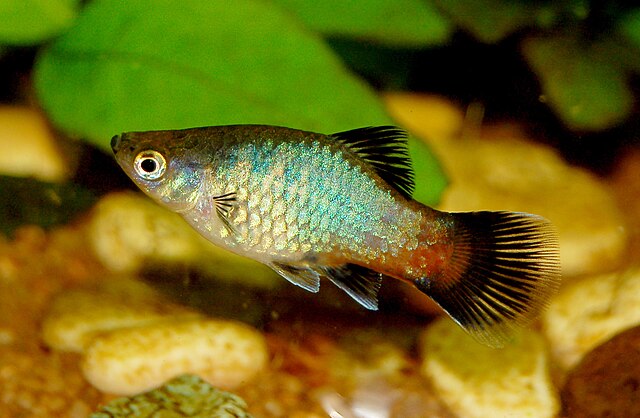
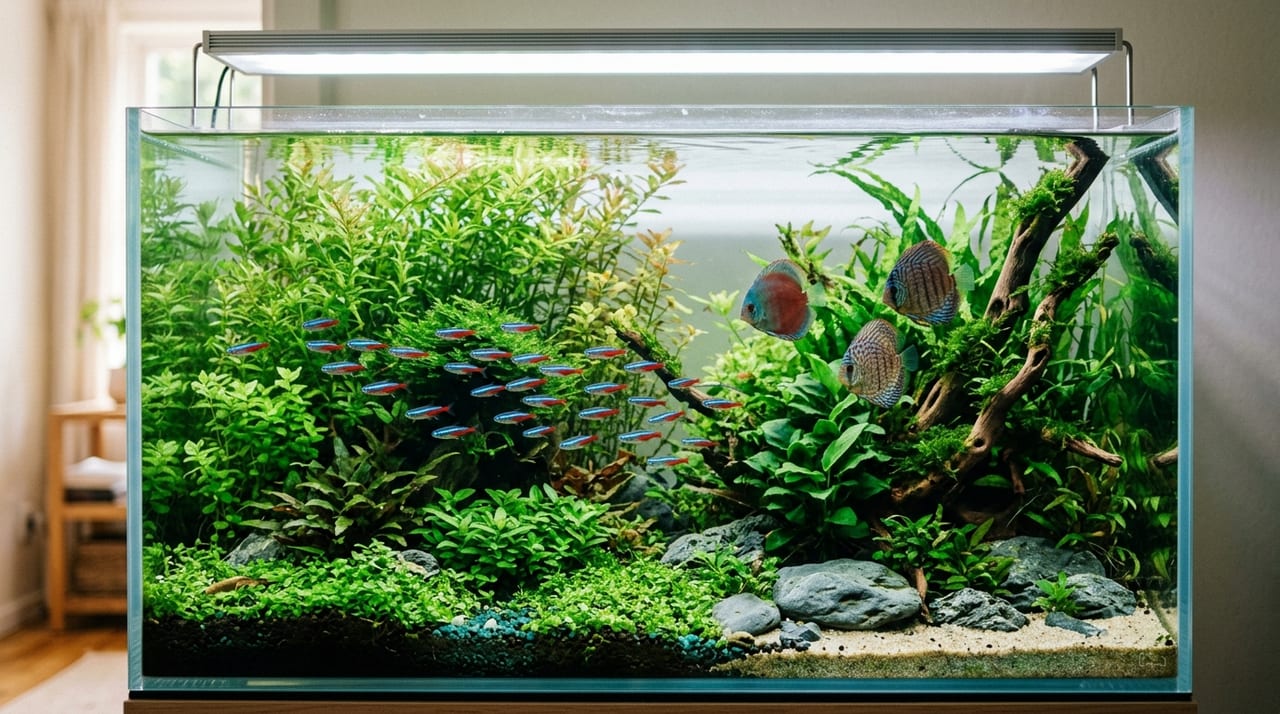
Guppies, neon tetras, bettas—a tank full of colorful tropical fish brings quiet healing and vibrancy to any room. Many people think, "I'm interested in aquariums, but I'm not sure how much it costs," or worry about the expense. Tropical fish are actually easier and cheaper to keep than saltwater fish, making the hobby accessible for beginners.
In this article, we'll walk through a concrete cost simulation using the most standard 60cm tank as our reference point, covering everything from initial setup fees to monthly maintenance costs. We'll also share money-saving tips along the way, so please read on.
Initial Setup Costs and Budget Breakdown
The cost of setting up an aquarium varies widely depending on the grade of equipment you choose. Below is a general cost estimate based on a 60cm tank.
| Equipment | Estimated Cost |
|---|---|
| Aquarium (60cm) | 3,000–10,000 yen |
| Filter (hang-on or canister) | 3,000–8,000 yen |
| Heater (with thermostat) | 2,000–4,000 yen |
| Substrate / Soil | 1,000–3,000 yen |
| Aquatic plants / Driftwood / Stones | 1,000–5,000 yen |
| Lighting | 1,500–5,000 yen |
| Water treatments (dechlorinator, bacteria culture) | 1,000–2,000 yen |
Total Initial Equipment Cost: Approximately 13,000–37,000 yen
The cost of livestock (fish) is separate. For 10–20 small fish like neon tetras, expect an additional 2,000–5,000 yen.
Save on Initial Investment with Starter Kits
Home improvement stores and specialty aquarium shops sell "starter kits" that bundle together a tank, filter, lighting, and heater. Using these kits, you can set up most of your equipment for around 10,000–20,000 yen.
However, starter kits sometimes come with filters or lighting that are a bit underwhelming in performance. If you want to seriously grow aquatic plants or plan to upgrade later, choosing individual components from the start is another option. For key setup tips, see our detailed guide 7 Common Mistakes Aquarium Beginners Make.
Monthly Running Costs Breakdown
Understanding the ongoing maintenance expenses is important for budgeting.
- Electricity: 500–1,500 yen Depends on the combined power consumption of your heater, lighting, and filter motor. Winter months see higher heater use, so costs vary by season.
- Fish food: 500–1,500 yen Flakes and pellets are the standard, though some fish like bettas or carnivorous species may also need frozen bloodworms occasionally.
- Water treatments (dechlorinator, etc.): 100–200 yen Dechlorinator and similar treatments are consumed quickly during water changes. Buying larger bottles offers better value.
- Filter consumables (filter media, sponge replacement): 100–300 yen Sponges, wool mats, and other consumables need regular replacement.
Total Monthly Maintenance Cost: Approximately 1,200–3,500 yen
Tropical fish are among the most affordable to keep in the aquarium hobby. Compared to saltwater fish, electricity costs and equipment expenses are often cut in half or more. For the basics of water quality management, check out Tropical Fish Water Quality Management and Water Change Basics.
Money-Saving Tips
Small adjustments can significantly reduce your running costs.
Switch to LED Lighting with a Timer
Switching from fluorescent to LED lighting can cut electricity costs by 30–50% in some cases. Using a timer to limit lighting to 8–10 hours a day also helps prevent algae growth—a win-win.
Hang-on Filters Are More Economical
Canister filters excel in quiet operation and filtration power, but cost more. Hang-on filters have cheaper housing and filter media, plus simpler maintenance, making them ideal if cost is your priority.
Feed Small Amounts to Protect Water Quality
Overfeeding leaves uneaten food, which degrades water quality. Poor water quality increases filter maintenance frequency and risks fish disease or death. The rule is to feed small portions twice daily.
Choose Easy-Breeding Species to Eliminate Fish Purchase Costs
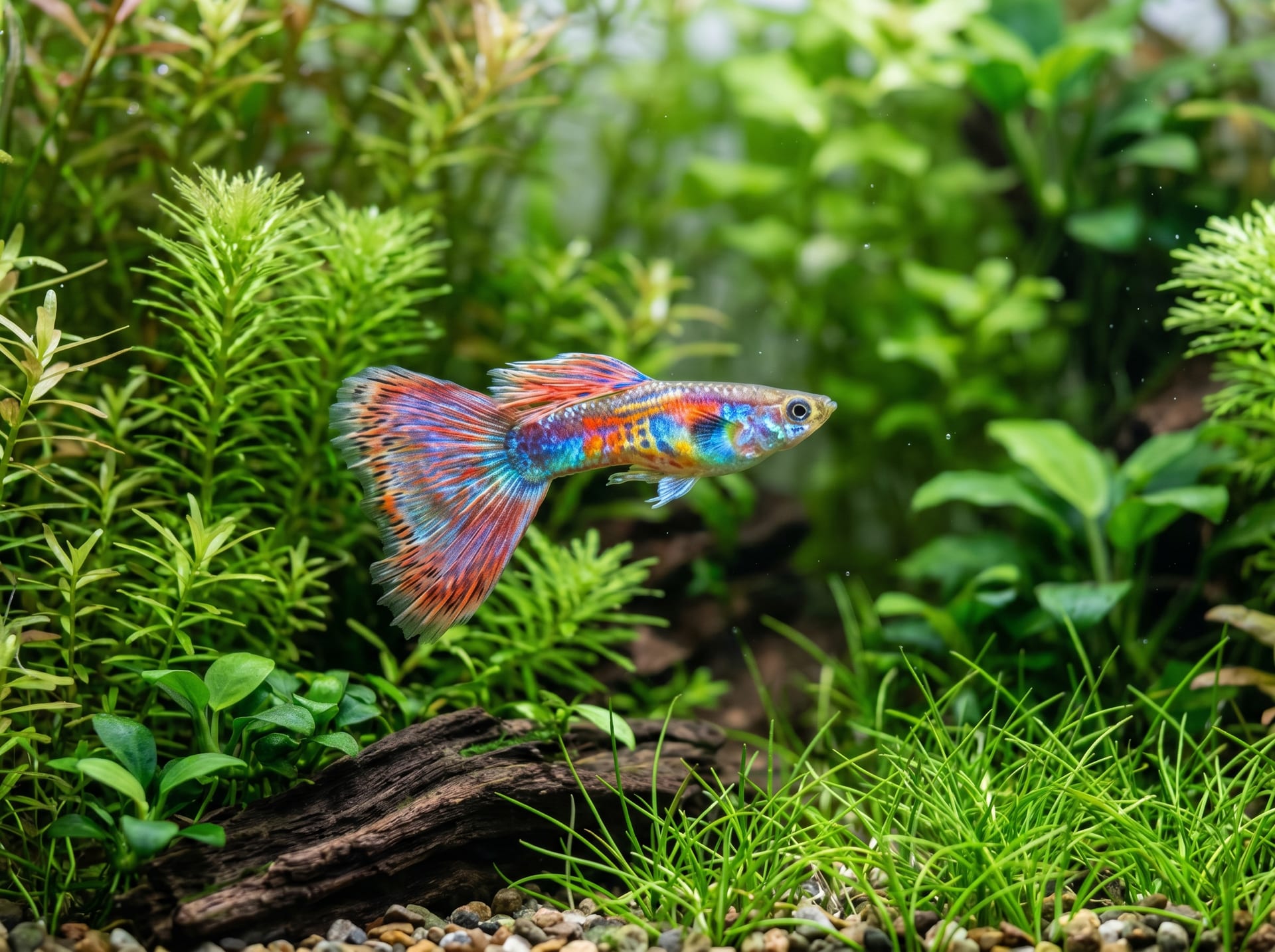
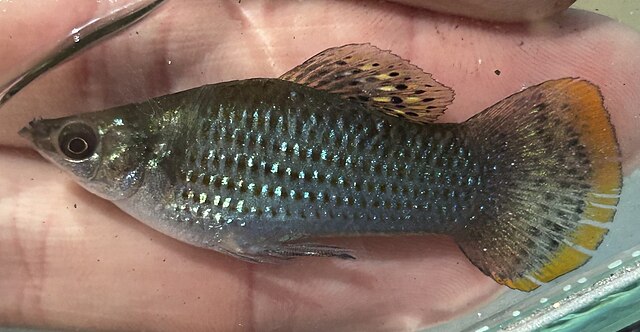
Guppies, platies, and mollies breed easily. Under the right conditions, fry appear naturally. With proper care, you can nearly eliminate the cost of buying new fish—and enjoy the added pleasure of watching them breed and grow.
Choosing Tropical Fish and Purchase Tips
Careful fish selection is key to keeping initial costs down.
Beginner-Friendly Species
- Neon Tetra: Hardy, beautiful schooling behavior, and affordable
- Guppy: Diverse varieties and easy to breed—a true beginner favorite
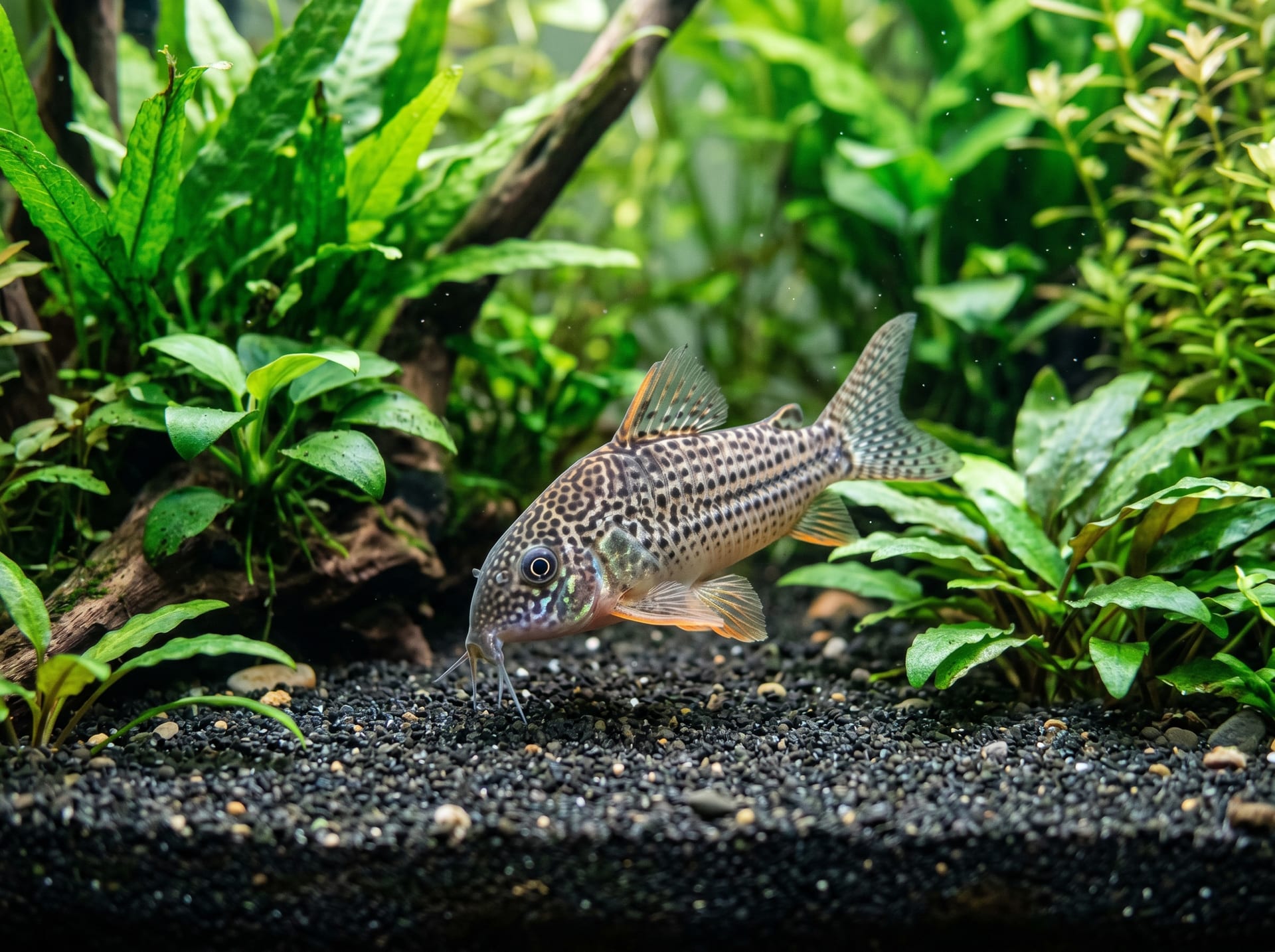
- Corydoras: Gentle bottom-dwellers that help clean the substrate
- Betta: Solitary, small-tank friendly, and full of personality
When purchasing, check for "bright coloration," "intact fins," and "active swimming." Buying weakened individuals risks disease spreading through your tank.
Also remember that tropical fish have different temperature and water chemistry needs depending on their origin and species. When keeping multiple species together, choose those with similar care requirements. For detailed guidance, see Tropical Fish Compatibility Guide: Good Tank Mates and Precautions.
BreederDirect's Trusted and Safe System
Where you buy your tropical fish makes a real difference in your success as a keeper. While you can buy from pet shops or large retailers, BreederDirect lets you purchase directly from domestic breeders—with several major advantages.
Get Healthy Fish with Confidence
Breeders exhibit fish they have bred and raised themselves. Fish kept by their breeders experience less transport stress and overcrowding, so you're more likely to bring home vibrant, healthy specimens. This is especially valuable if you want to minimize losses after purchase.
Rare Morphs at Fair Prices
Difficult-to-find varieties—like platinum-colored guppies or mosaic patterns, half-moon or crown-tail bettas—are often available through breeders. Because you're buying direct, without intermediary markups, rare morphs are priced fairly.
Get Breeding Advice Straight from the Breeder
Questions like "What temperature is optimal?" or "How do I get them to breed?" can be asked directly to someone actively raising them. The hands-on advice you get from a real breeder is something you simply won't find in a textbook—that's the BreederDirect advantage.
Setting up a tropical fish aquarium starts with the right environment and healthy fish. Once you understand your initial and running costs, head to BreederDirect and find your perfect fish.