Tropical Fish Mixed Tank Guide | Compatible Combinations and Precautions
Master the fundamentals of successful mixed-species tropical fish tanks, explore recommended compatible combinations, learn which pairings to absolutely avoid, and understand how tank size affects compatibility.
Key Takeaways
Master the fundamentals of successful mixed-species tropical fish tanks, explore recommended compatible combinations, learn which pairings to absolutely avoid, and understand how tank size affects compatibility.
Related Species
The Appeal of Mixed-Species Aquariums and Basic Principles
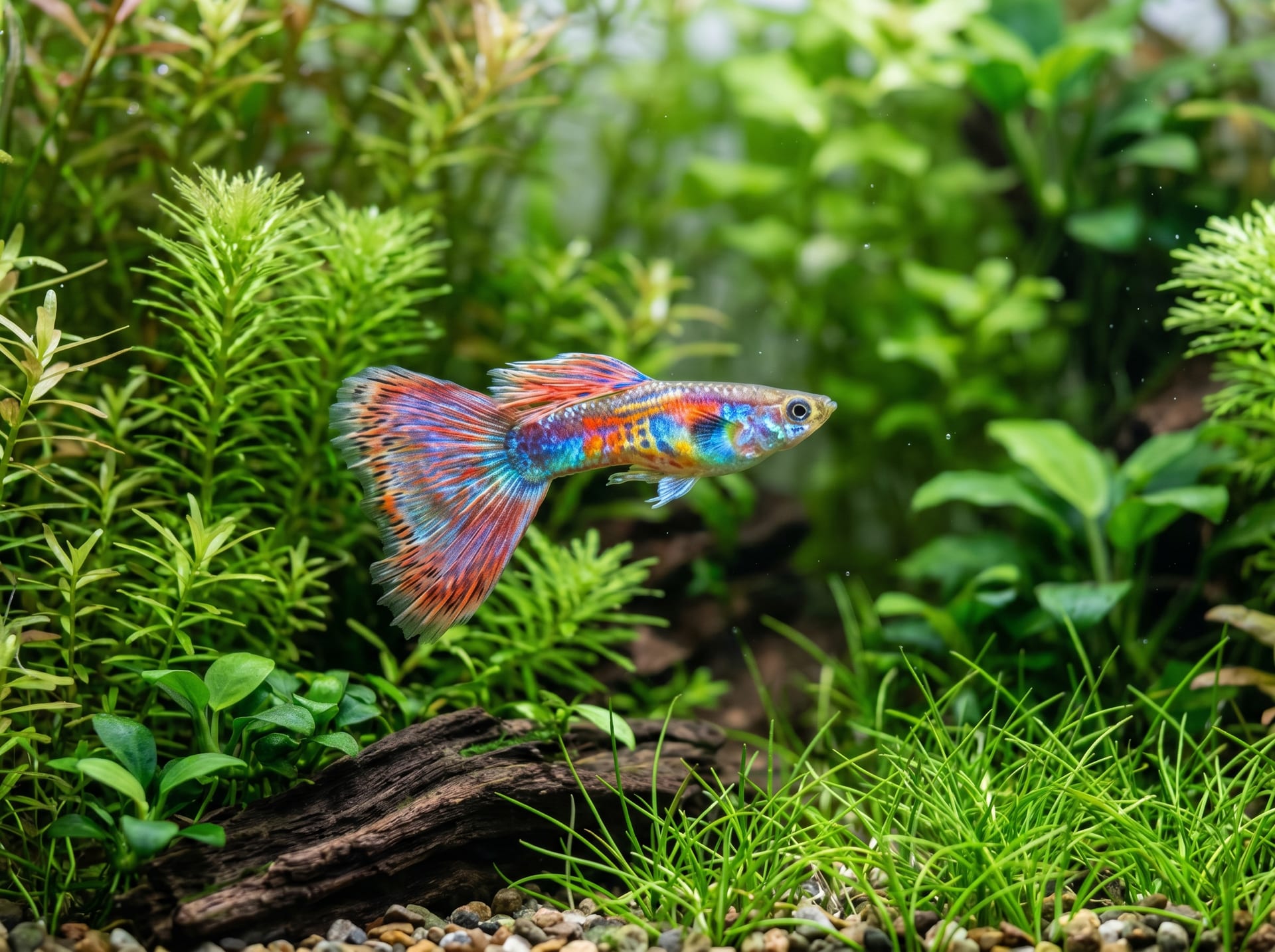
"Mixed-species aquarium keeping," where multiple tropical fish coexist in a single tank, is one of the greatest joys of aquarium keeping. A community tank with diverse fish species creates a rich ecosystem within the water column that single-species tanks cannot replicate. By combining fish that inhabit different water layers, you can transform the entire tank—from the surface to the substrate—into a vibrant living space.
However, successful mixed-species keeping requires more than simply placing fish together in one tank. Incompatible combinations often result in bullying and cannibalism, with fish becoming weakened by stress. Successful mixed-species aquariums demand careful consideration of four key factors: water parameters, body size, temperament, and swimming layer preference.
Four Basic Rules for Successful Mixed-Species Aquariums
1. Matching Water Parameters
The first hurdle in mixed-species keeping is "matching water parameters." Placing fish with vastly different pH or temperature requirements in the same tank means one species will constantly experience stress.
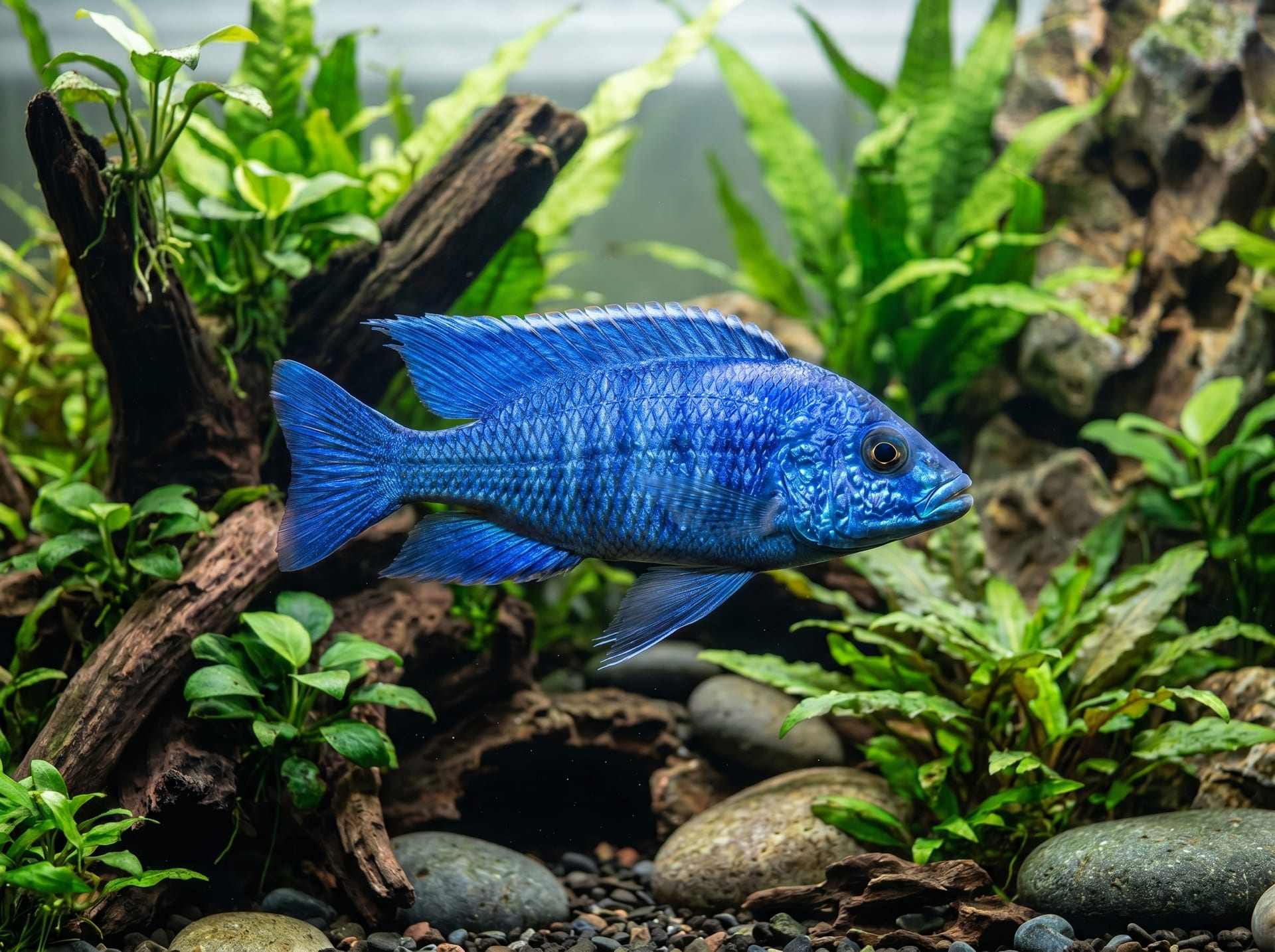
For example, characins that prefer slightly acidic water (pH 6–7) and African cichlids that prefer slightly alkaline conditions (pH 7.5–8.5) are fundamentally incompatible. While some fish can tolerate a wide range of parameters, successful long-term care requires selecting species with overlapping ideal water parameters.
2. Be Mindful of Size Differences
"Fish small enough to fit in a mouth will be eaten"—this is the most fundamental and absolute rule in mixed-species keeping. The challenge is that while juveniles may be similar in size, size differences often become pronounced as they grow.
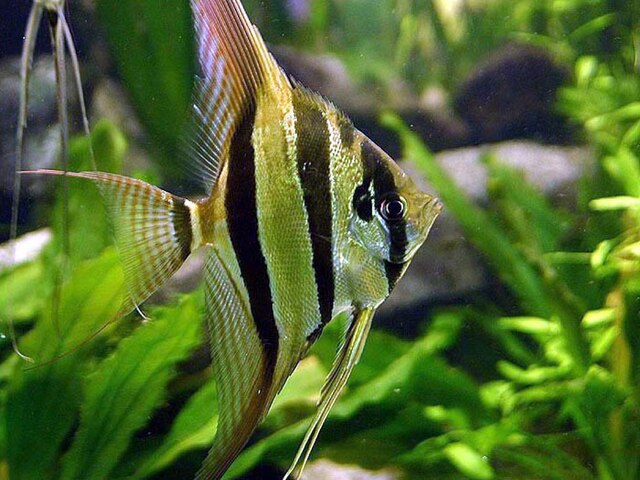
Before purchasing, always verify the adult size of fish and avoid combinations where size differences exceed a 3:1 ratio. Cases like angelfish and neon tetras—which coexist peacefully as juveniles but result in predation once grown—are extremely common.
3. Understand Temperament and Aggression
Territorial or aggressive fish species will chase and stress other tank mates. Cichlids in particular can experience sudden aggression spikes during spawning, causing previously stable mixed tanks to collapse overnight.
Even among the same species, males tend to fight. Guppies and bettas are classic examples. When mixing species, limit males to one individual or maintain a sufficient number of females to balance the sex ratio.
4. Distribute Fish Across Water Layers
The aquarium space can be divided into three layers: the surface level (upper), middle, and bottom. By combining fish species that inhabit each layer, you reduce territorial disputes and create a vibrant, dynamic display.
- Upper Layer: Hatchetfish, killifish
- Middle Layer: Tetras, rasboras, guppies, and most small fish
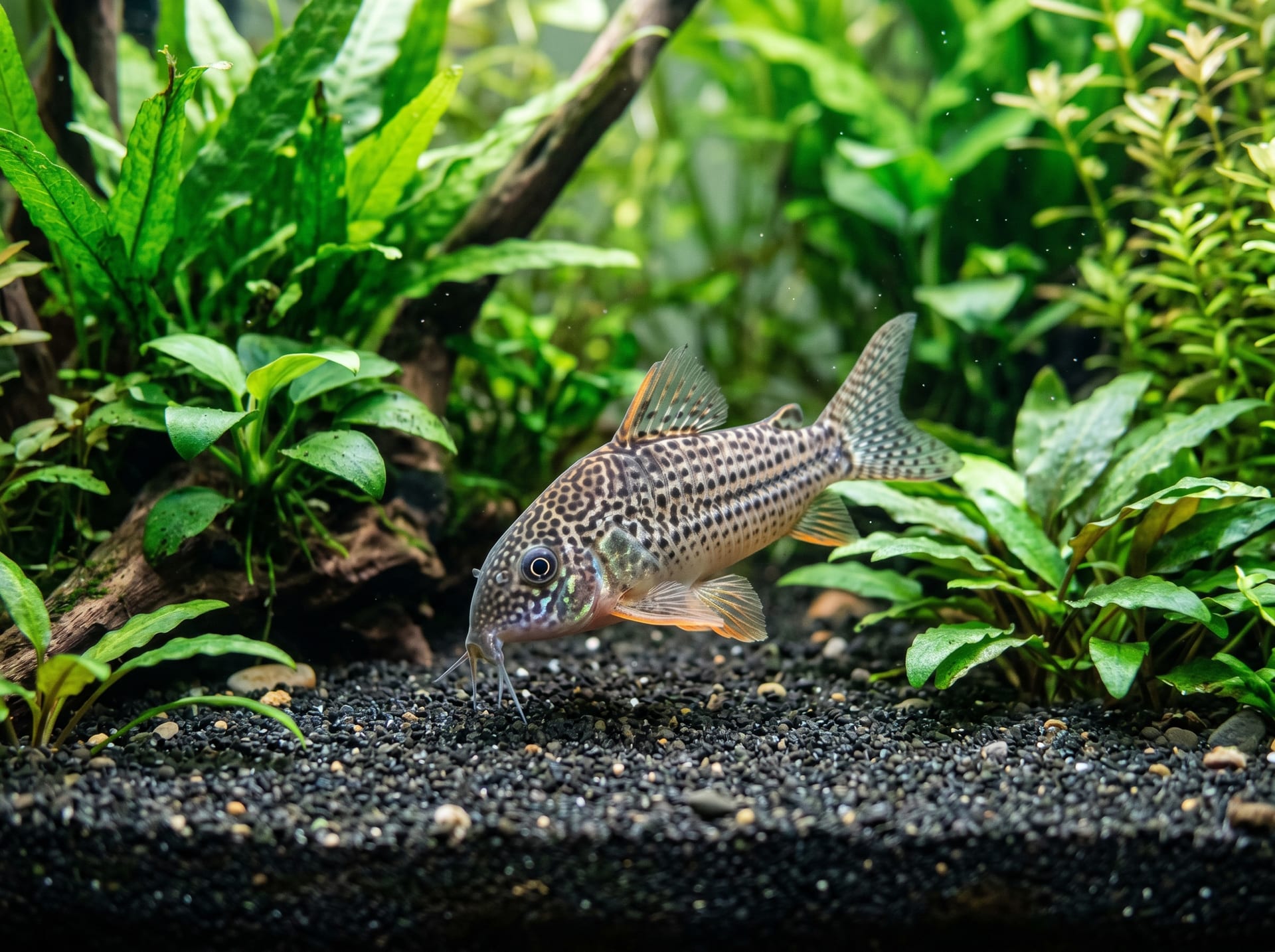
- Bottom Layer: Corydoras, plecos, loaches
Recommended Compatible Combinations
Beginner-Friendly Community Tank Setups
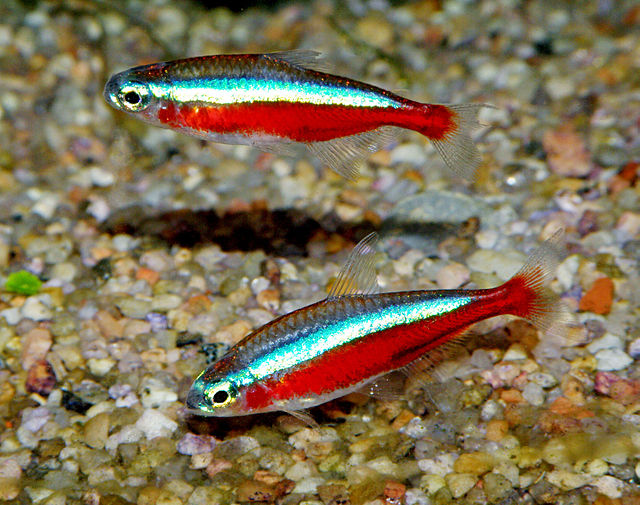
- Neon Tetras × Corydoras: Mid-level schooling tetras paired with bottom-dwelling corydoras that diligently eat algae and leftover food. They share similar water parameter preferences, making this the most classic combination.
- Guppies × Platies × Mollies: All livebearing killifish relatives with shared preferences for slightly alkaline water. Hardy and easy to care for, making this ideal for beginners.
- Rasboras × Otos: Mid-level schooling rasboras paired with glass-clinging otos that remove algae—a functional and aesthetically pleasing combination.
Advanced Combinations for Planted Tanks
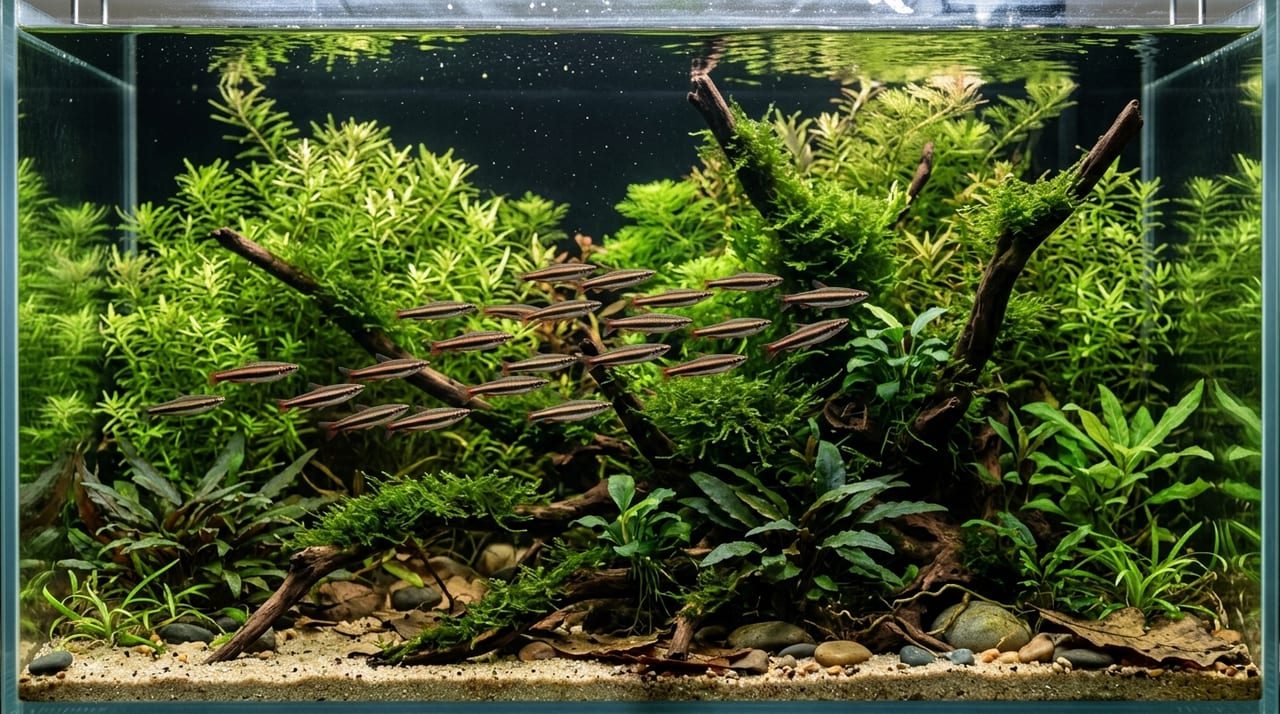
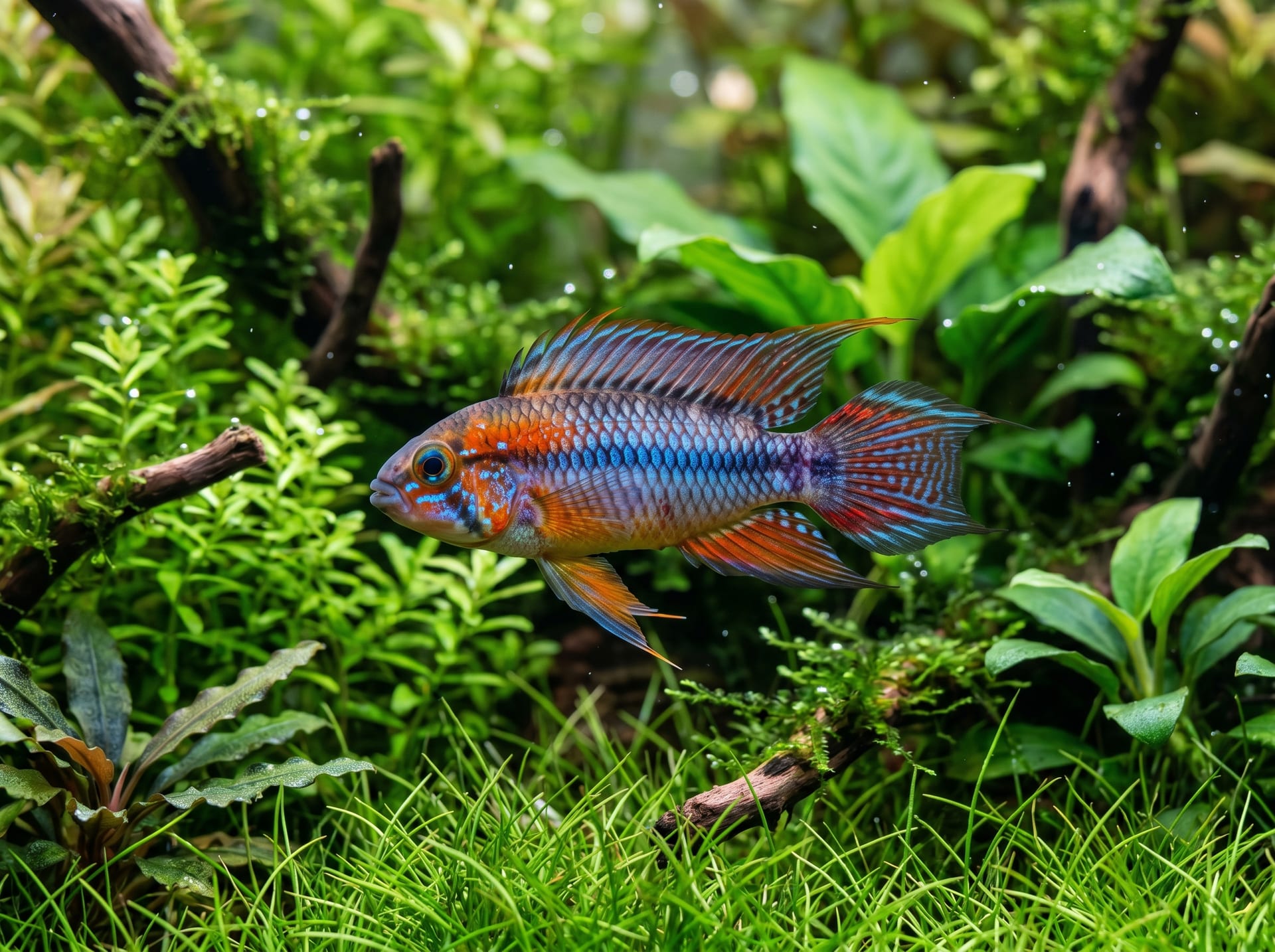
- Cardinal Tetras × Female Apistos: Striking red and blue characins that contrast beautifully against deep green plants, paired with small cichlids that claim rocky crevices as territory. Male apistos are territorial, so females are the safer choice for mixed tanks.
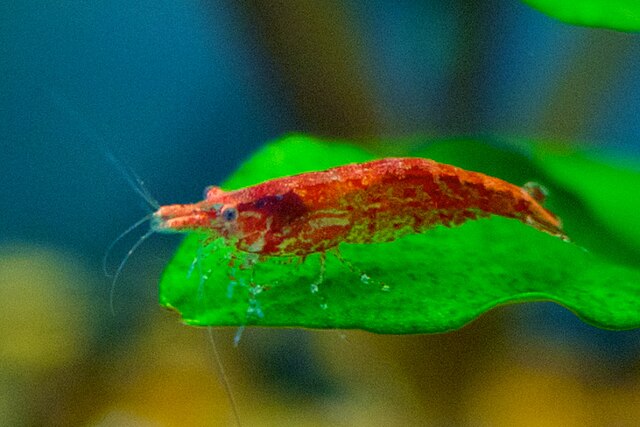
- Cherry Shrimp × Micro Rasboras: Non-predatory ultra-small fish alongside shrimp. The shrimp darting between plants paired with schooling micro fish creates wonderful depth within the aquascape.
Combinations to Absolutely Avoid
Male Bettas with Each Other or Aggressive Tank Mates
Male bettas will engage in fierce combat upon sight of their own species, sometimes fighting to the death. Male-to-male betta pairing is absolutely forbidden. Additionally, male guppies with long fins can trigger aggressive attacks from bettas who mistake them for rival bettas.
Large Predatory Fish with Small Fish
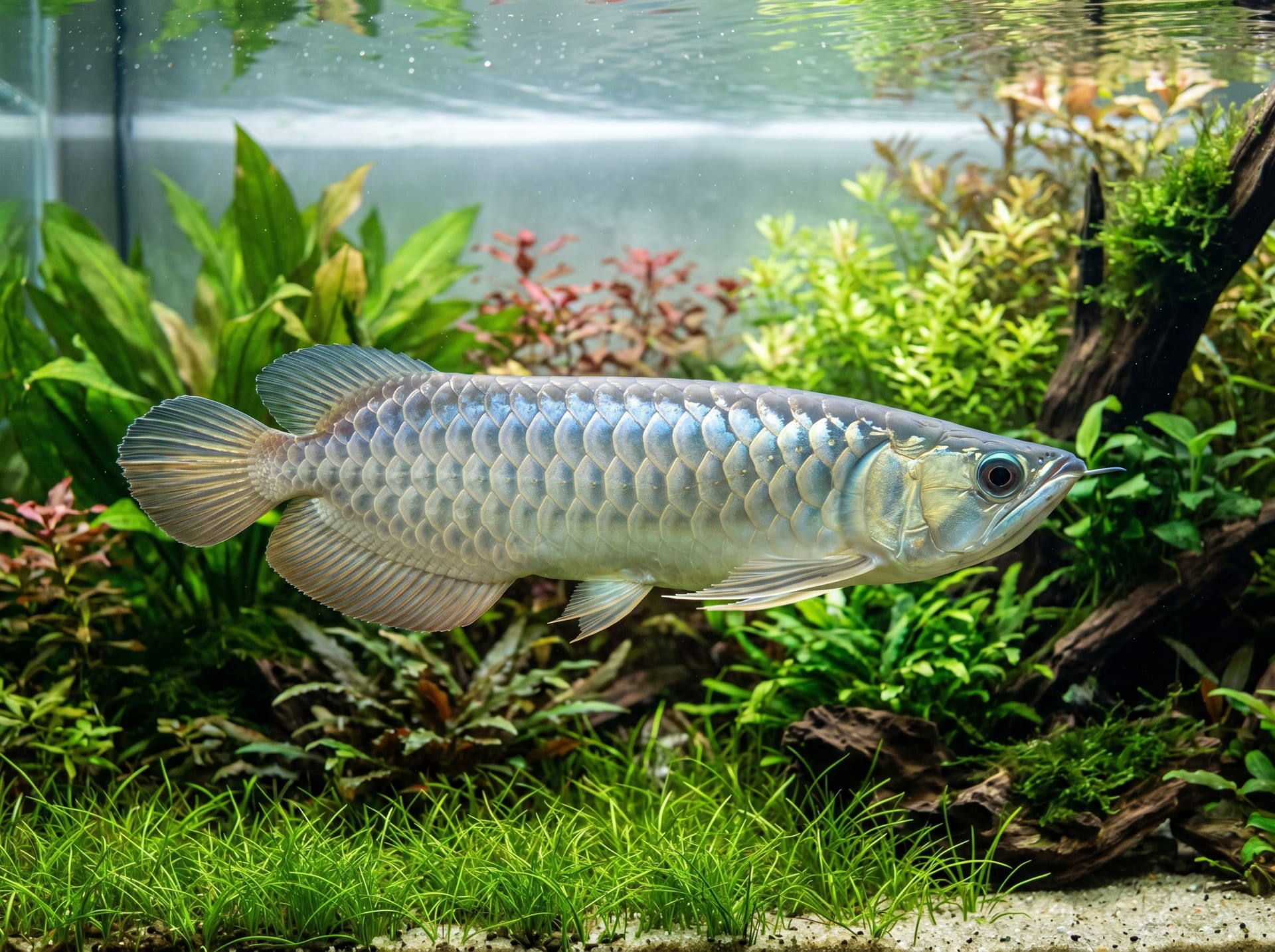
Arowana, snakeheads, and piranhas recognize any fish that fits in their mouths as "food," regardless of how docile they appear. Instinct overrides all gentleness. These fish should be kept either with same-sized predators or in solitude as a general rule.
Overcrowding Multiple African Cichlids Together
African cichlids are territorial by species type, requiring exceptionally large tanks and complex layouts for mixed-species setups. When multiple cichlids are placed in a tank with limited hiding spots, weaker individuals become cornered with nowhere to escape.
Angelfish with Ultra-Small Fish
While juvenile angelfish coexist peacefully with small tetras, adult angelfish often prey on neon and cardinal tetras as they grow. Always verify adult size differences before committing to any pairing.
Tank Size and Mixed-Species Design Guidelines
Tank size is one of the most critical factors determining mixed-species success. Insufficient space prevents territorial establishment, leading to bullying and decline.
| Tank Size | Recommended Stocking Numbers and Composition |
|---|---|
| 30cm tank | Approximately 5–8 small fish (3–4 cm each) |
| 45cm tank | 10–20 small fish or one pair of cichlids |
| 60cm tank | Diverse mixed-species possible. 20–30 fish community tank |
| 90cm or larger | Suitable for medium fish mixed setups and elaborate planted aquascapes |
Creating hiding spots within the tank using hardscape (plants, driftwood, rocks, etc.) is equally important. The availability of refuges for chased fish significantly reduces mortality among weaker individuals.
Choose Healthy Individuals from BreederDirect
When establishing mixed-species tanks, the "health status" of individual fish is often overlooked. If fish arrive already weakened, the stress of a mixed environment causes rapid decline.
BreederDirect offers direct purchases of healthy, carefully raised standard mixed-species fish—guppies, corydoras, tetras, and more—bred by dedicated breeders. Since you can see the breeder's face, you can verify care environments and water parameters in advance, ensuring peace of mind. The unique strength of BreederDirect is being able to consult directly with experienced breeders when creating your first mixed-species tank.