Water Quality Management and Water Change Basics for Tropical Fish
A comprehensive guide to water quality management for protecting tropical fish health. This article clearly explains the meaning and proper levels of pH, ammonia, nitrite, and nitrate, as well as water change frequency, correct procedures, and how to use test kits—all in easy-to-understand language for beginners.
Key Takeaways
A comprehensive guide to water quality management for protecting tropical fish health. This article clearly explains the meaning and proper levels of pH, ammonia, nitrite, and nitrate, as well as water change frequency, correct procedures, and how to use test kits—all in easy-to-understand language for beginners.
Most problems that cause tropical fish to fall ill stem from "water quality deterioration." Even though water may appear crystal clear, invisible harmful substances can accumulate over time. Maintaining proper water quality is the most critical factor in keeping tropical fish healthy and vibrant for years to come. This article provides a thorough explanation, from fundamental water quality knowledge that beginners should understand to practical water change procedures.
Four Key Indicators That Affect Water Quality
The foundation of water quality management is regularly monitoring the following four values. Let's understand the meaning of each and their impact on fish.
pH (Acidity and Alkalinity)
pH is an indicator that shows the acidity or alkalinity of water. pH 7 is neutral; values lower than 7 are acidic, and values higher than 7 are alkaline.
- Ideal range for tropical fish in general: pH 6.5–7.5
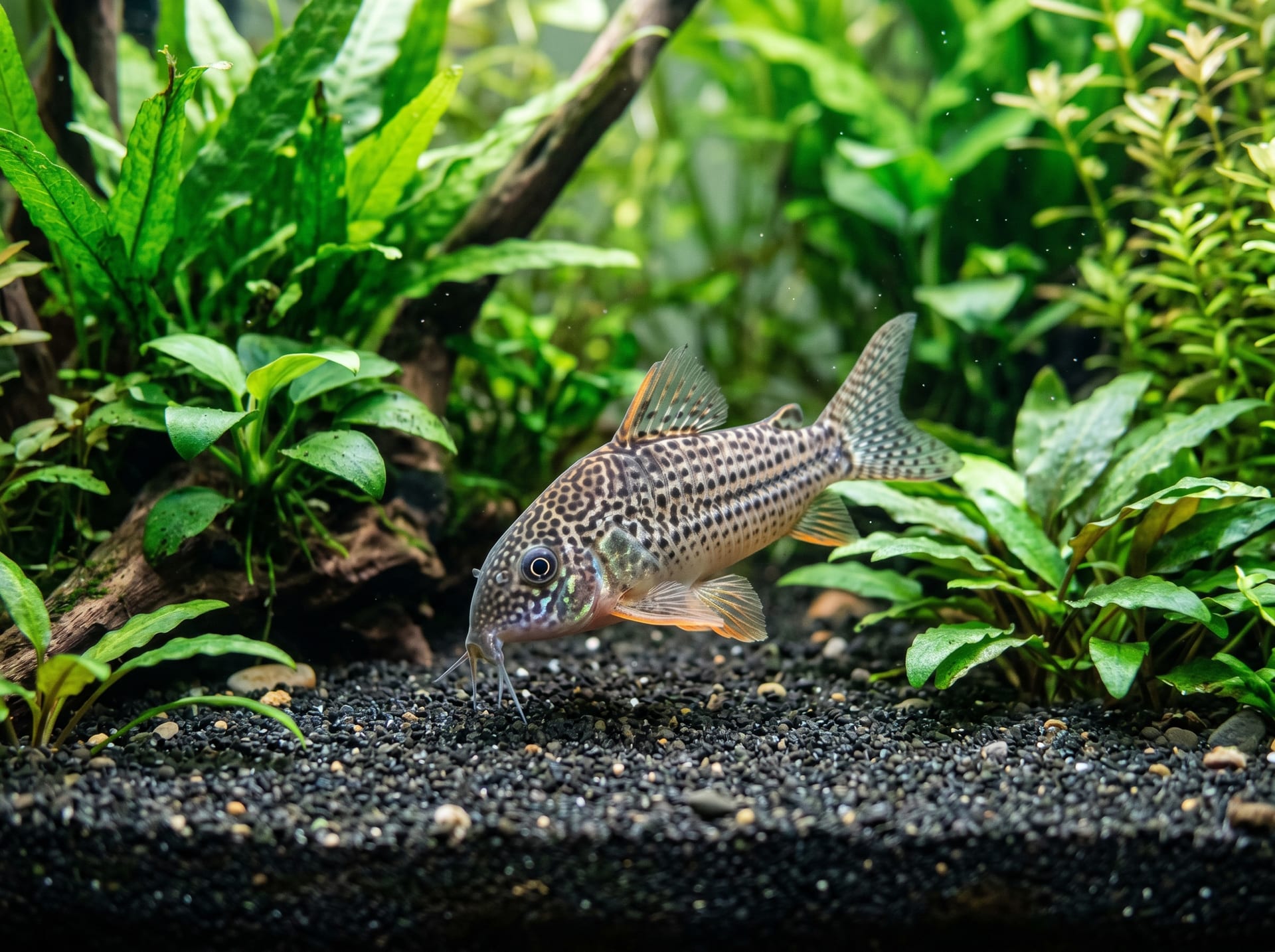
- Characins and Corydoras: pH 6.0–7.0 (prefer slightly acidic conditions)
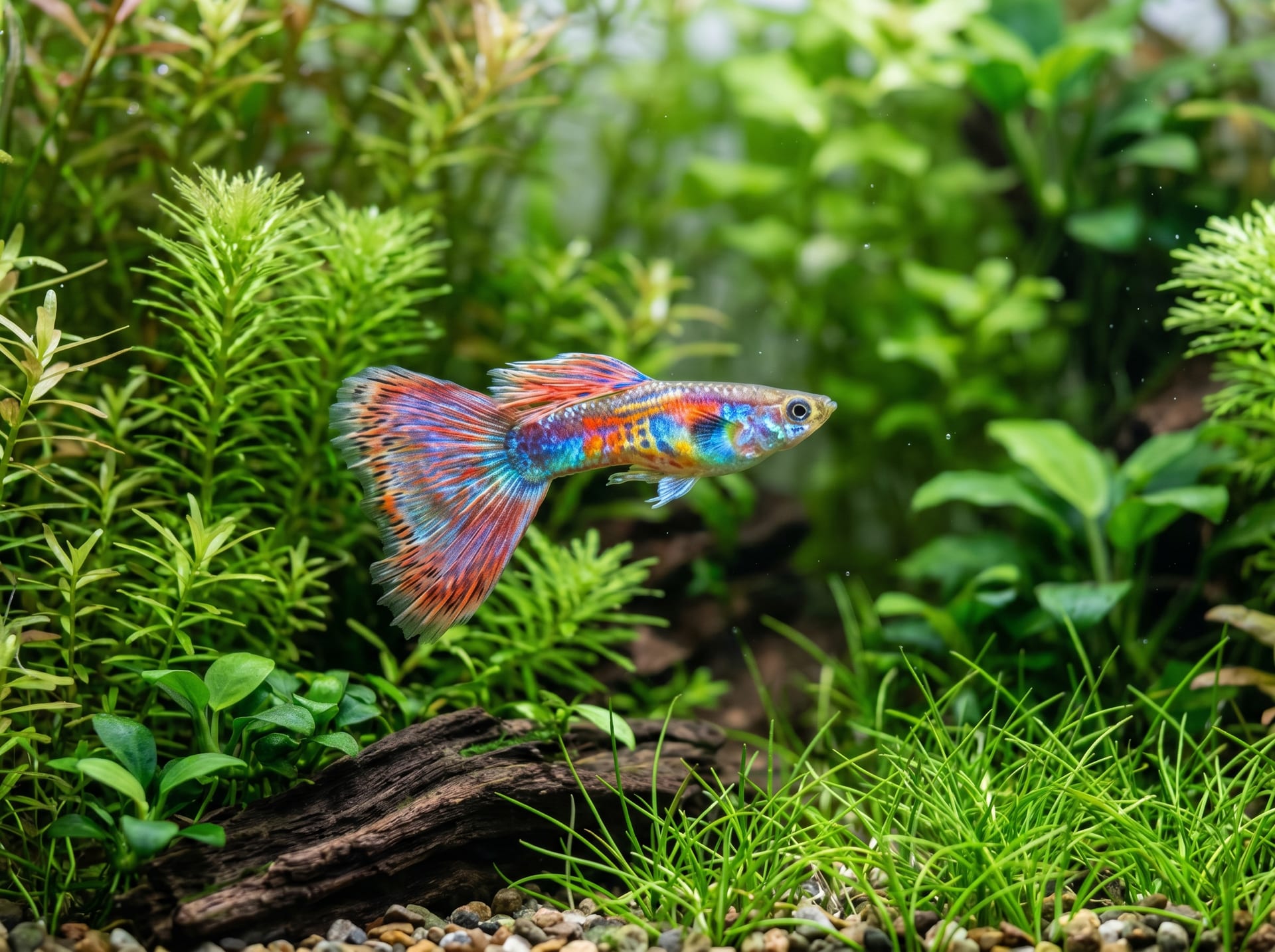
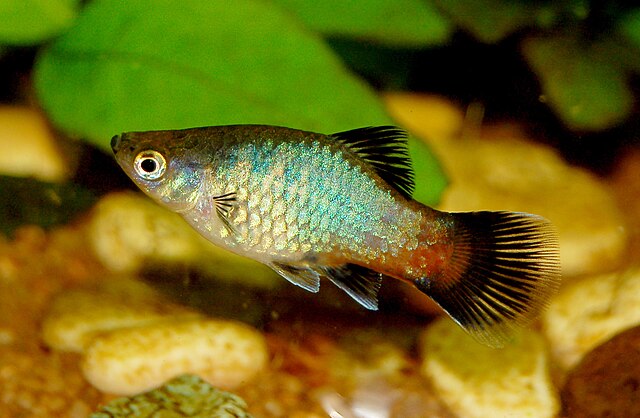
- Guppies and Platies: pH 7.0–7.5 (prefer neutral to slightly alkaline conditions)
If pH changes rapidly in a short period, it causes "pH shock," which can be fatal in the worst cases. Make it a habit to check the pH of new water before performing water changes.
Ammonia
Ammonia is a highly toxic substance that forms when fish waste and uneaten food decompose. It is especially problematic during the initial "startup phase" when a tank has just been established, so careful attention is required.
- Ideal level: Nearly zero (0.02 mg/L or lower)
- Dangerous level: 0.5 mg/L or higher causes harm to fish
- Solution: Increase water change frequency, review filter capacity
Nitrite
Nitrite is an intermediate product formed when bacteria break down ammonia, and it is also highly toxic. Nitrite interferes with oxygen transport by affecting red blood cells, which can cause fish to become oxygen-starved.