Aquarium Water Quality Test Kit Guide: Accurate Measurement and How to Read Values
Explains how to use the essential water quality test kits for aquarium management. Introduces the measurement methods for major parameters such as ammonia, nitrite, nitrate, pH, and KH, how to read values, and how to handle abnormal readings.
Key Takeaways
Explains how to use the essential water quality test kits for aquarium management. Introduces the measurement methods for major parameters such as ammonia, nitrite, nitrate, pH, and KH, how to read values, and how to handle abnormal readings.
Related Species
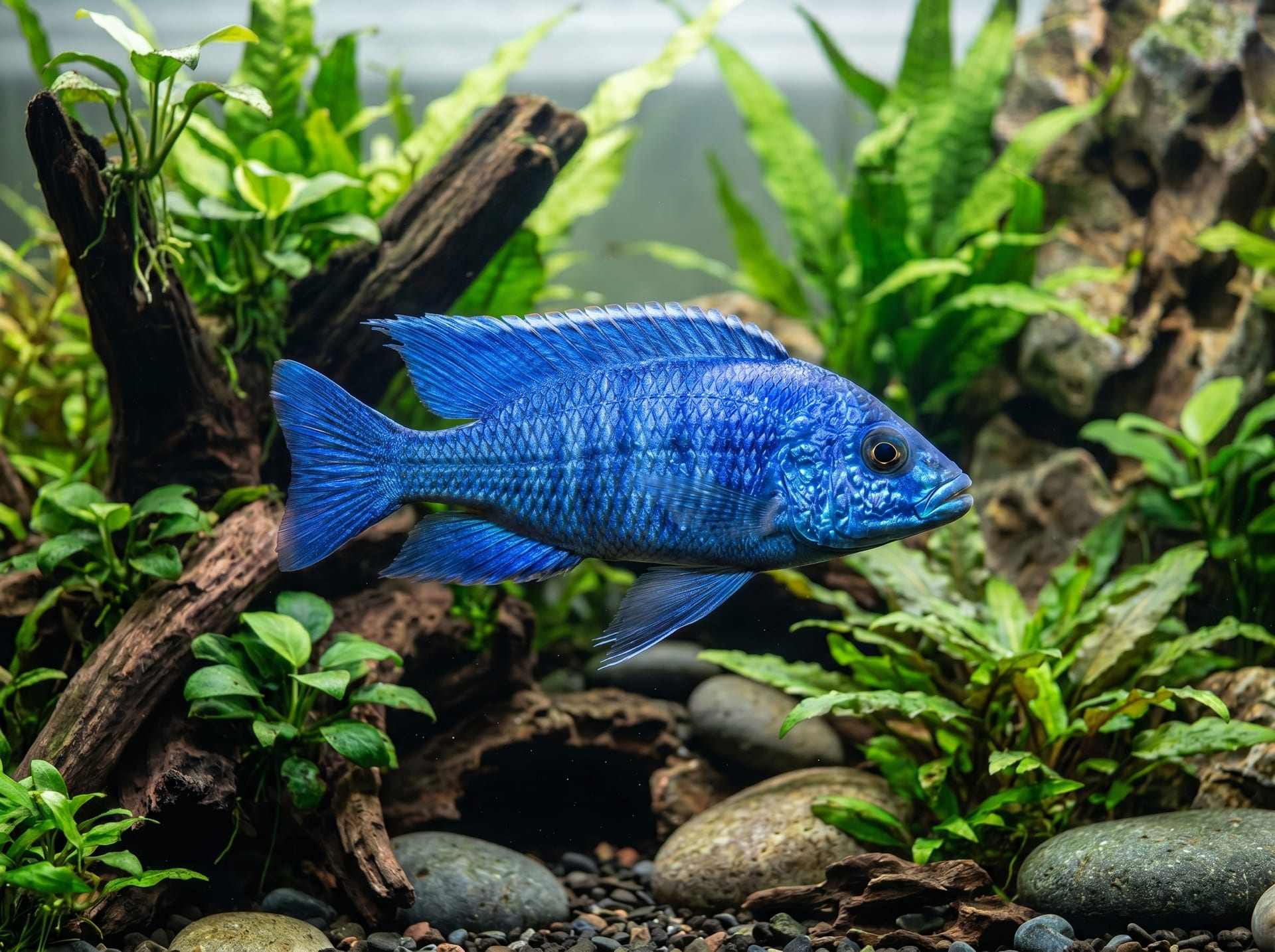
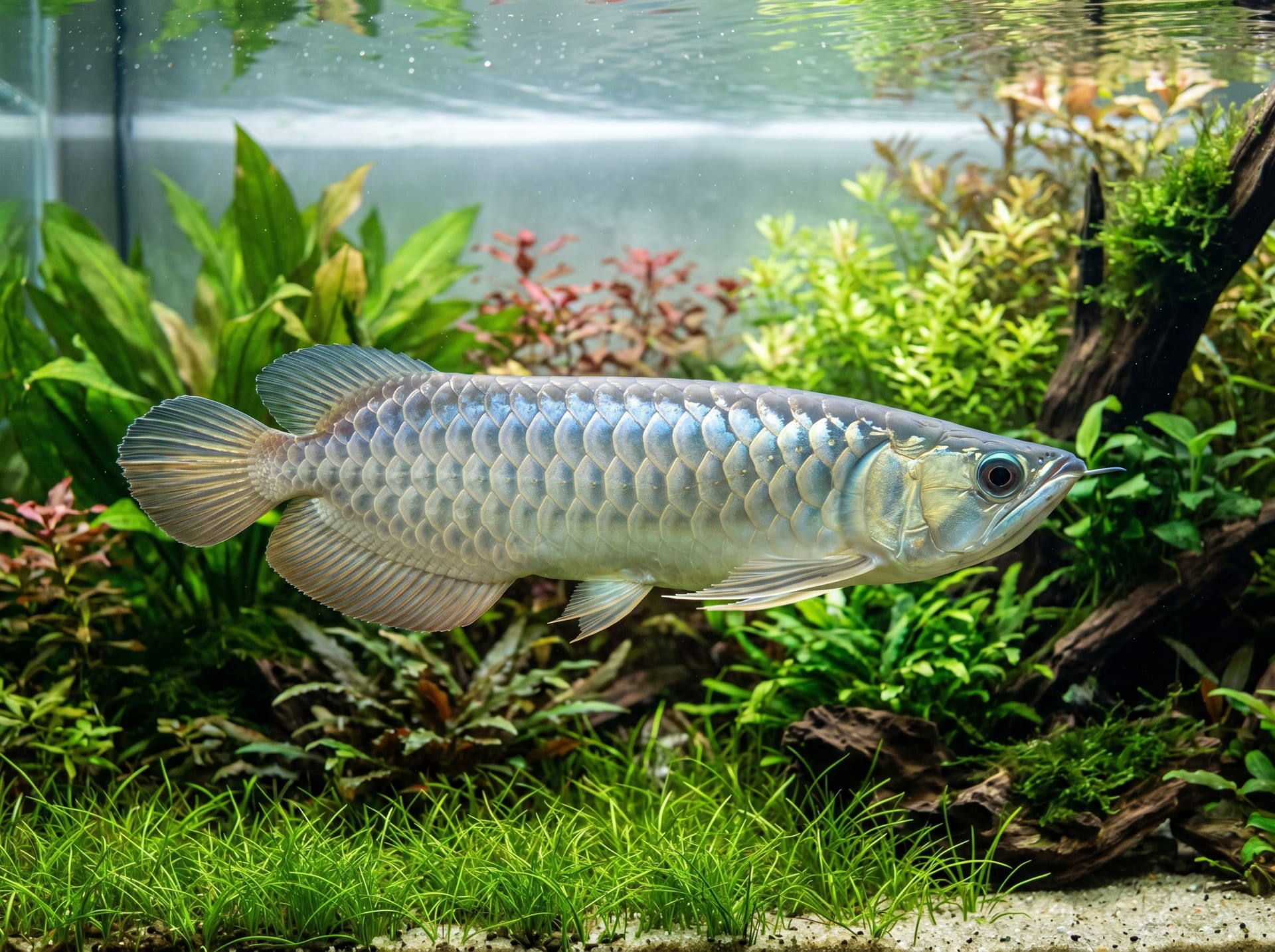
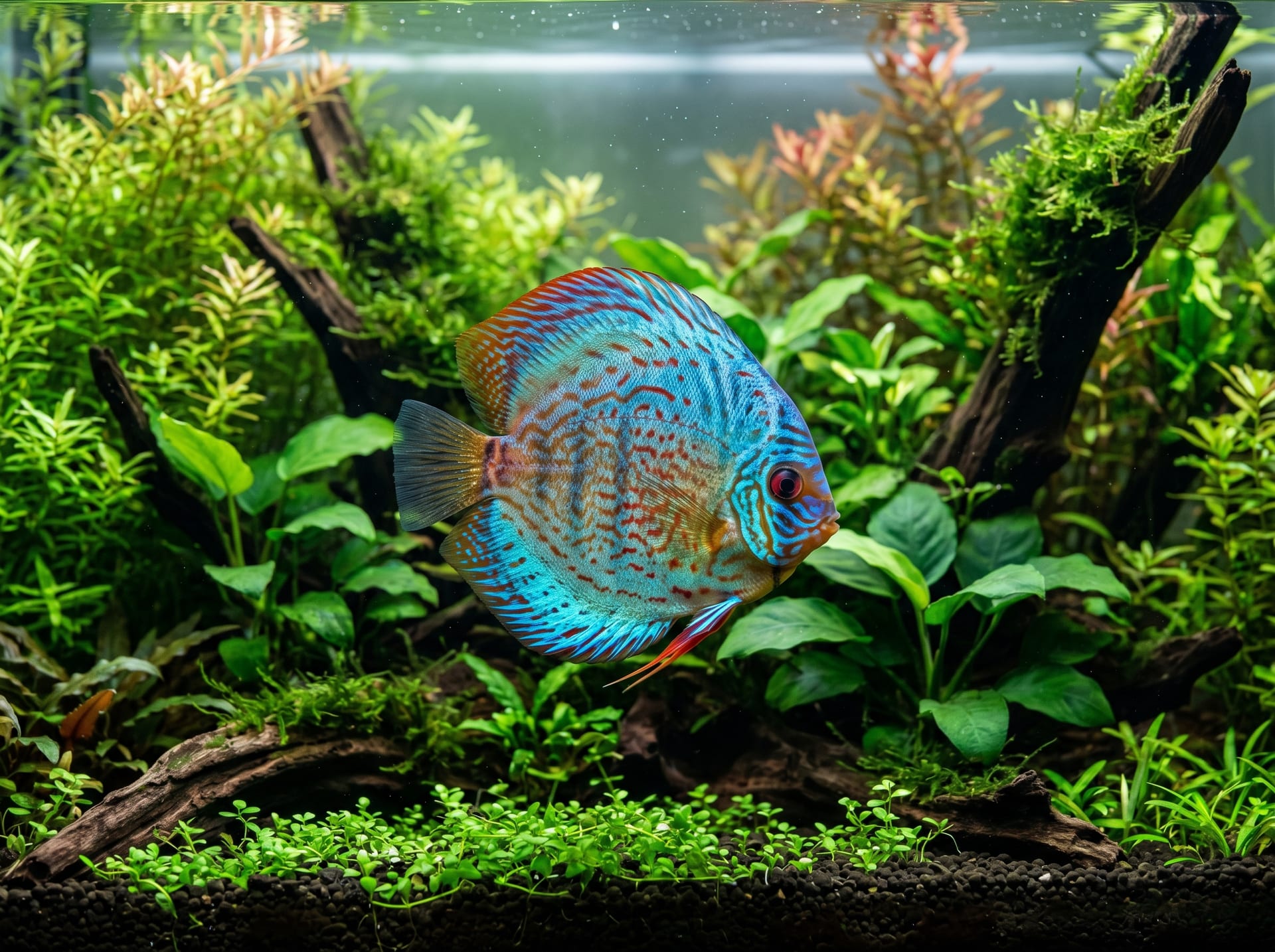
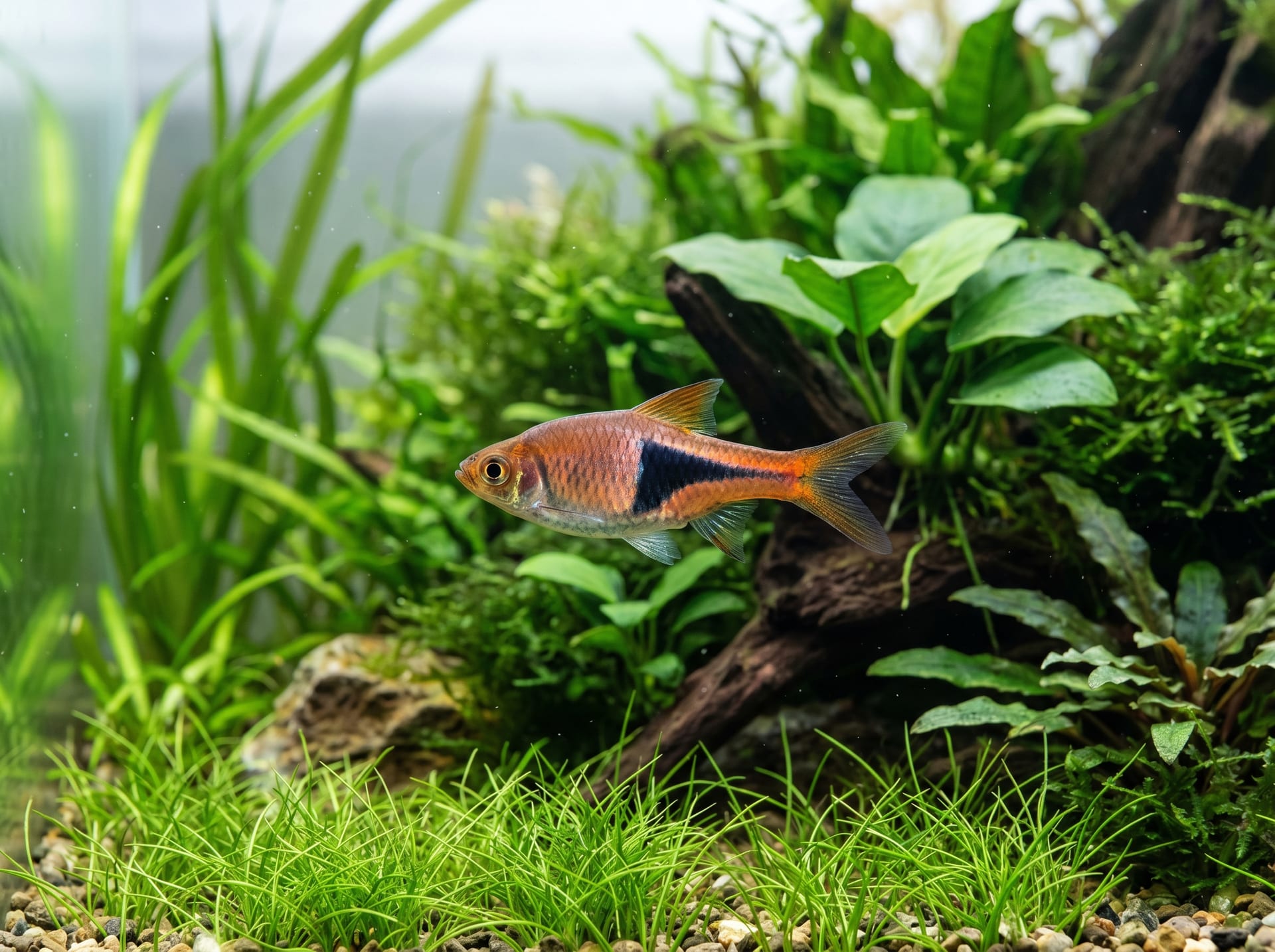
Water Quality Testing is the Foundation of Aquarium Management
"The tank water seems off somehow" or "My fish aren't doing well, but I don't know why"—any aquarium enthusiast has experienced this. Even when water appears clear to the eye, invisible harmful substances can accumulate. Water quality test kits make these problems visible through numerical data, enabling precise corrective action. They are an essential tool.
Especially during the first weeks after setting up a tank, the "nitrogen cycle" is not yet established, making it a dangerous period when ammonia and nitrite accumulate rapidly. During the 1–2 months it takes for filter bacteria to properly colonize, managing without testing is nearly impossible. Experienced aquarists place high value on water testing for this very reason. By making regular testing a habit, you can prevent problems before they occur and maintain an optimal environment for your fish.
Major Water Quality Parameters and Safe Values
Ammonia (NH3/NH4+)
The most toxic substance produced from fish waste, uneaten food, and dead organisms. It becomes problematic early in tank setup, and toxicity increases with higher pH and water temperature.
- Safe level: 0 mg/L (undetectable)
- Dangerous level: 0.25 mg/L or higher causes fish damage; 1.0 mg/L or higher is lethal
- Treatment: Large water change (50% or more), reduce feeding amount, add PSB or nitrifying bacteria supplements
Nitrite (NO2-)
An intermediate product created when nitrifying bacteria (Nitrosomonas) break down ammonia. It is absorbed through fish gills and inhibits oxygen transport in the bloodstream.
- Safe level: 0 mg/L
- Dangerous level: 0.5 mg/L or higher causes gill dysfunction and asphyxiation
- Treatment: Immediate water change (30–50%), enhance filter capacity, add salt (NaCl) for temporary toxicity reduction
Nitrate (NO3-)
The final product formed from further breakdown of nitrite. Low toxicity, but chronic accumulation can cause prolonged stress and immune suppression.
- Safe level for freshwater fish: 40 mg/L or below
- Safe level for saltwater fish: 20 mg/L or below
- Safe level for corals and sea anemones: 5 mg/L or below (higher levels risk bleaching)
- Treatment: Regular water changes, absorption by aquatic plants or macroalgae, introduction of anaerobic filtration (refugium, etc.)
pH
An indicator of water acidity or alkalinity. Safe levels vary greatly depending on the species of fish.
- Amazon species (apistos, discus): 5.5–6.8
- Southeast Asia species (rasboras, gouramis): 6.5–7.5
- African cichlids: 7.8–8.5
- Saltwater fish and corals: 8.1–8.4
- Important: Rapid pH swings are lethal to fish. Daily fluctuation should remain within 0.2 units.
KH (Carbonate Hardness) and GH (General Hardness)
KH indicates pH buffering capacity. Low KH causes pH to shift easily, resulting in "pH crash." GH indicates total calcium and magnesium content, which affects shell formation in crustaceans and mollusks.
- Freshwater KH recommended: 3–8 dKH
- Saltwater KH recommended: 7–11 dKH (8–9 dKH is ideal for coral cultivation)
Types of Test Kits and How to Choose
Liquid Test Kits (Chemical Reagent Type)
The most accurate testing method. A sample of tank water is placed in a test tube, a measured amount of reagent is added, and the color change is compared against a color chart.
- Advantages: High accuracy, one bottle allows 50–100 measurements at good value, economical
- Disadvantages: Testing takes 5–15 minutes, reagent handling requires care
- Representative products: API Master Test Kit (freshwater and saltwater), Red Sea Test Pro
Test Strip Type
Test strips are immersed in water for a few seconds to measure multiple parameters simultaneously.
- Advantages: Easy operation and quick results (60 seconds), portable
- Disadvantages: Slightly lower accuracy than liquid kits; subtle value changes may be missed
- Representative products: Tetra Test 6 in 1, Salifert Test Strips
Digital Meters
Electronic measuring devices such as pH meters or TDS meters (electrical conductivity meters).
- Advantages: High-precision measurement to 0.01 units, results in seconds
- Disadvantages: Regular calibration with calibration solution required, higher initial cost (pH meters: ¥3,000–15,000)
- Use cases: Discus or arowana breeding requiring daily pH management, RO water production monitoring
Practical Tips for Accurate Measurement
Keep these points in mind to ensure reliable test results.
- Check reagent expiration dates: Degradation accelerates after opening. Use ammonia reagent within 1–2 years
- Rinse test tubes thoroughly with distilled water: Avoid soap; preventing residual reagent from previous tests is crucial
- Keep sampling location consistent: Water quality differs between the filter outlet area and the bottom. Sampling from mid-depth at the water surface is standard
- Compare colors in natural light: Fluorescent or LED lights alter color perception. Diffused light from a window (avoid direct sunlight) is most accurate
- Strictly follow designated wait times: The time between adding reagent and reading results varies by product. Follow the instructions—results change if too quick or too slow
- Stop aeration before testing: In tanks with CO2 injection, aeration changes pH. Sample within 30 minutes of stopping aeration
Testing Frequency Guidelines and Record Keeping
Recommended Frequency by Management Phase
| Phase | Duration | Testing Frequency | Priority Parameters |
|---|---|---|---|
| Startup | 0–8 weeks | Daily to every 2 days | Ammonia, nitrite |
| Stabilization | 2–3 months | 2–3 times per week | All parameters |
| Maintenance | 3 months onward | Once weekly | pH, nitrate focus |
| Trouble | As needed | Daily | All parameters |
Recording and Using Measurement Results
Always keep records of your measurements. While pen and paper work, smartphone aquarium management apps (e.g., AquaticLog, Aquarium Note) let you visualize trends over time with graphs.
The information gained from records is invaluable. Recognizing tank-specific patterns—such as "nitrate spikes three days after a water change" or "pH drops easily in summer"—allows you to take preventive action before problems surface.
Water testing is unglamorous work, but it's as important as the saying goes: "management without measurement is not management." Make regular testing a habit and properly protect your beloved fish's water environment.