Pet Management Guide for Travel and Visits Home | Leaving Pets Alone and Using Pet Sitters Effectively
A guide to managing pets while away on travel or visiting family. Includes type-specific strategies for dogs, cats, fish, reptiles, and small animals, tips for choosing pet sitters and pet hotels, and how to use automatic feeders.

Key Takeaways
A guide to managing pets while away on travel or visiting family. Includes type-specific strategies for dogs, cats, fish, reptiles, and small animals, tips for choosing pet sitters and pet hotels, and how to use automatic feeders.
Related Species
Advance preparation is everything in pet management during travel
Many pet owners worry that having pets means they "can't travel" or "can't visit family." However, with proper planning and care strategies, you can enjoy travel and visits without causing stress to your pet. The key is choosing the best approach based on three factors: pet type, duration of absence, and individual temperament.
There are three basic options for leaving your pet:
- Home alone: Your pet stays at home with the help of automatic feeders and similar devices
- Pet sitter: A professional sitter visits your home to care for your pet
- Pet hotel or boarding facility: Leave your pet at a specialized facility or with a trusted person
There's no one-size-fits-all answer. Even within the same species, dogs and cats have different needs based on their individual temperament. Refer to the species-specific guide below and make your decision based on your own pet's personality.
Species-specific care strategies
Dogs
Dogs are highly social animals that live in groups, and prolonged isolation can cause stress and separation anxiety.
Up to 1 night: Set up an automatic feeder with plenty of fresh water, and make sure to give your dog a good walk before you leave to burn off energy. Using a pet camera to check on your dog periodically can also ease your own worries.
2 nights or more: Consider hiring a pet sitter for 1-2 walks and meals per day, or boarding your dog at a pet hotel. For dogs with separation anxiety, boarding can be very effective, though it's ideal to arrange pre-visit orientation trips to the facility beforehand.
Cats
Cats have a strong territorial instinct and dislike environmental changes. In most cases, staying home alone causes less stress than being taken to an unfamiliar place.
Up to 2-3 nights: With an automatic feeder, a circulating water fountain, and 2-3 clean litter boxes, a healthy adult cat can manage fine. Providing extra litter boxes helps prevent accidents.
3 nights or more: Hire a pet sitter for one daily visit to scoop litter, refill food, and check on your cat's health. For senior cats or those with pre-existing conditions, consider arranging a sitter from the second night onward.
Tropical and saltwater fish
With automatic feeders and automated equipment, fish can manage fairly long absences, though water quality changes require careful attention.
Up to 1 week: Change about 1/3 of the water the day before departure and set up an automatic feeder. Use a timer for the aquarium lighting to manage day-night cycles, and verify the filter is working properly.
1 week or more: Ask a trusted person or pet sitter to check the feeder level, test water quality, and visually inspect for any issues every 3-4 days. If possible, ask them to do partial water changes as well.
Important note: Adding new fish or making major layout changes right before departure can destabilize water quality and weaken your animals. Stick to your current setup for at least 2 weeks before leaving.
Reptiles
The ease of leaving reptiles alone varies greatly by species. Since they are cold-blooded animals, automated temperature, humidity, and lighting control is the most critical factor.
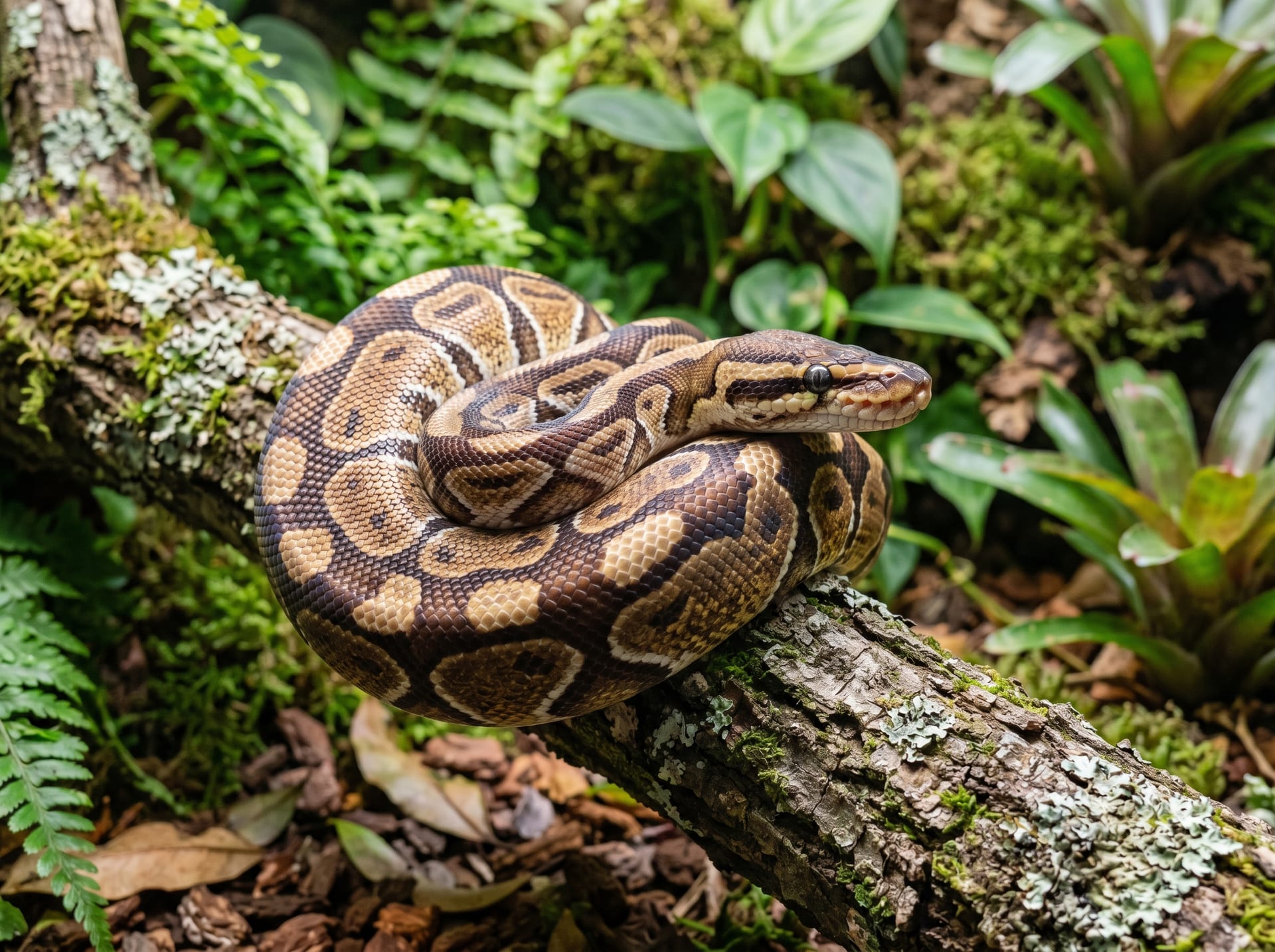
Snakes (ball pythons, etc.): Adults only need feeding once a week, so simply providing extra water allows for 1-2 week absences. Snakes are among the easiest pets to leave alone.
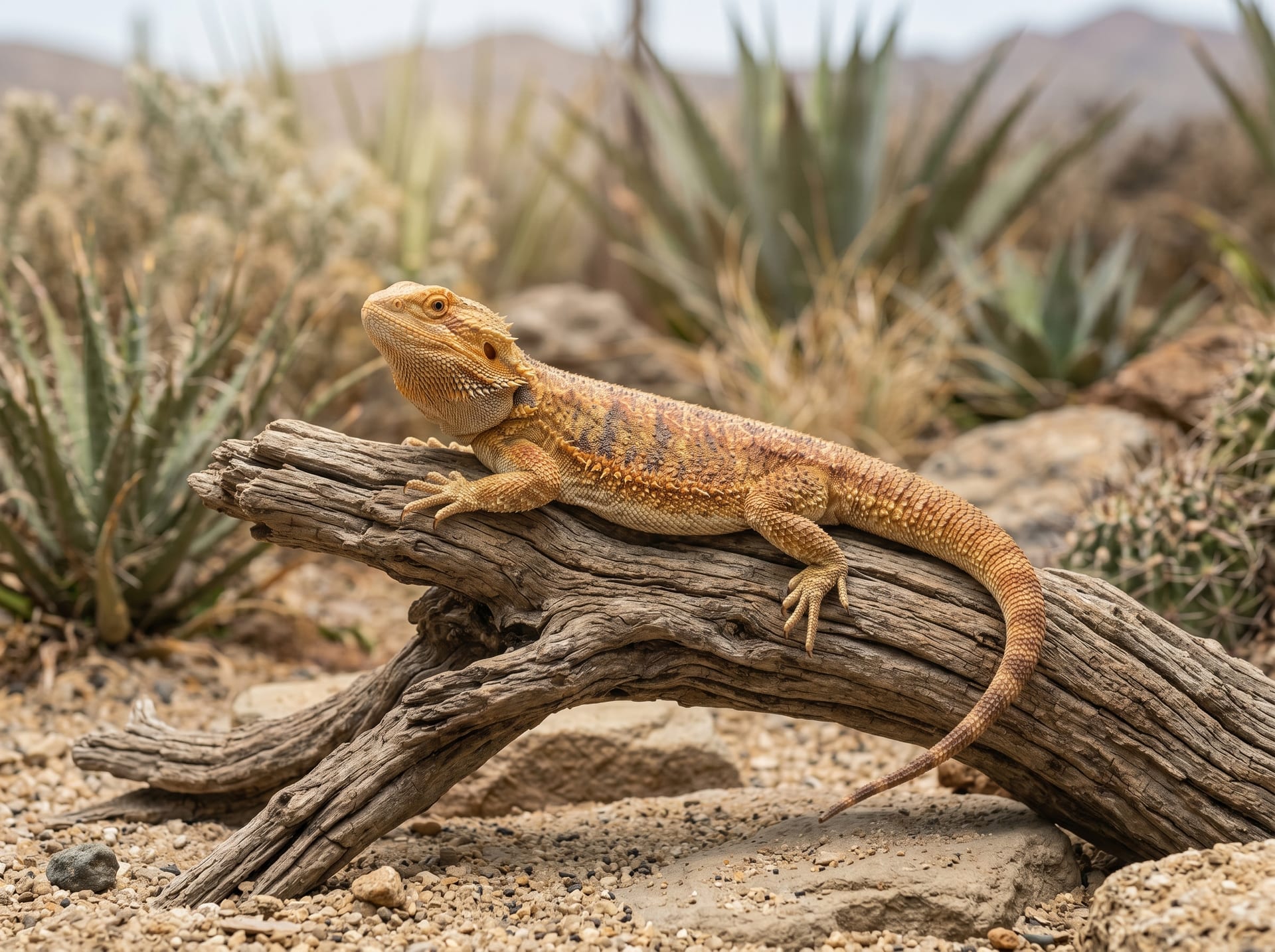
Lizards (bearded dragons, etc.): Daily feeding and management of UVB lights and basking lights are necessary. Lights must be on a timer, and for absences of 3 days or more, arrange for a pet sitter to visit.
Turtles: Water quality management is the main challenge for aquatic turtles. Upgrade your filter and arrange for visits every 3-4 days for water changes if possible. Terrestrial turtles are relatively easier to leave alone if temperature automation is set up.
Small animals (hamsters, rabbits, etc.)
Hamsters: 1-2 nights are fine with extra water and food. However, room temperatures above 30°C (86°F) in summer can be life-threatening, so air conditioning is essential.
Rabbits: Daily hay replenishment and litter box cleaning are necessary, so for 2 nights or more, consider using a pet sitter or a pet hotel that accommodates rabbits. Their digestive systems are sensitive, so it's important to have a system in place to catch any early signs of reduced appetite or abnormal feces.
How to choose a pet sitter and expected costs
Must-check points
- Animal handling business registration: Verify they hold the legally required credentials
- Liability insurance: Confirm they have insurance covering accidents, escapes, or deaths
- Pre-visit trial meeting: Do they offer an introductory "trial visit" to familiarize your pet with the sitter?
- Reporting frequency and method: Can they provide real-time updates with photos and videos via LINE or similar?
- Emergency response: Will they transport your pet to an animal hospital if their condition suddenly worsens?
Cost estimate (per visit)
| Service | Duration | Typical Cost |
|---|---|---|
| Dog walking + feeding | 30-60 minutes | $25-50 |
| Cat feeding + litter cleaning | 20-30 minutes | $20-35 |
| Aquarium management | 1 visit | $20-40 |
Using matching services like "Care.com," "Rover," or "Wag!" makes it easy to compare sitters and read reviews.
Convenient products to support home-alone care
With the right equipment, the safety and comfort of your pet's stay-alone experience improves significantly.
- Automatic feeder: Dispenses preset amounts of food on a timer. If feeding wet food, choose a model with a cooling function
- Circulating water fountain: Continuously provides fresh water, making it easier for cats and small animals to stay hydrated. Built-in filter models are more hygienic
- Pet camera: Check on your pet in real-time from your smartphone. Models with two-way audio let you talk to your pet, providing emotional reassurance
- Smart outlet: Control appliances remotely via an app from anywhere. Useful for managing air conditioning and lights
- Lighting timer: Maintains your pet's day-night rhythm for aquarium lighting and room lighting, helping preserve your pet's natural sleep-wake cycle
Final pre-departure checklist
To avoid last-minute stress on travel day, start preparations 3 days before departure.
3 days before: Test automatic feeders and water fountains. Make a final confirmation call to your pet sitter.
Day before: Water change (for aquatic animals), cage cleaning, stock up on consumables (food, litter). Share your veterinarian's contact information with your sitter.
Day of: Confirm air conditioning settings before leaving. Check that your pet camera is working properly on your smartphone.
Pet management during travel depends entirely on advance preparation and a solid support system. Choose the best method for your pet's species, your individual pet's personality, and the length of absence—then set up a care arrangement that gives both you and your pet peace of mind.