How to Write Product Descriptions That Increase Sales Rate
We introduce templates for product descriptions that convey the information buyers want to know, and how to use keywords that perform well in search.
Key Takeaways
We introduce templates for product descriptions that convey the information buyers want to know, and how to use keywords that perform well in search.
Related Species
In listings, "photos" and "product descriptions" are the two major factors that influence buyer decision-making. No matter how attractive a specimen is, if the description is weak, buyers feel anxious and abandon the listing. Conversely, a detailed description with abundant information generates "trust" and increases the conversion rate while reducing inquiries. This article explains how to write product descriptions that accurately convey the information buyers truly need, along with specific templates.
Basic Information Buyers Want to Know First
The primary role of a product description is "to alleviate buyer anxiety." When information is insufficient, buyers either ask questions to resolve their doubts or simply move on to other listings. Use the following items as a basic set and incorporate them according to your listing category.
- Species/Breed Name — Specify the formal name and color variations (morph name/breed name). It's even more professional to include both common names and scientific names
- Size/Weight — Avoid vague expressions like "large" or "small" and use specific measurements
- Sex — Specify if determined. If not yet determined, honestly stating "sex undetermined" builds trust
- Age/Date of Birth — For captive-bred specimens, you can increase credibility by including the hatch date
- Feeding Information — Include what and how frequently you feed. Also distinguish between frozen, live, and artificial feed
- Health Status — Record recent molts, plumage changes (for birds), or egg-laying; honestly note any prior health issues
- Temperament/Handling — Degree of tameness and activity level are points initial buyers especially care about
- Husbandry Conditions — Recording current management parameters like temperature, humidity, water quality, and lighting is helpful
You don't need to include all of these in your description, but aim for enough information that buyers feel "I just need to see the actual specimen."
Keyword Usage Strategy to be Found in Search
In BreederDirect's search function, keywords in the title and description are searchable. Even with the same specimen, the frequency of appearing in search results can vary greatly depending on word choice.
Use Both Formal Names and Common Names
For example, Eublepharis macularius is also called "leopard gecko." Since different buyers use different terms, naturally using both names in your description increases search hit rate.
- "Eublepharis macularius (leopard gecko)"
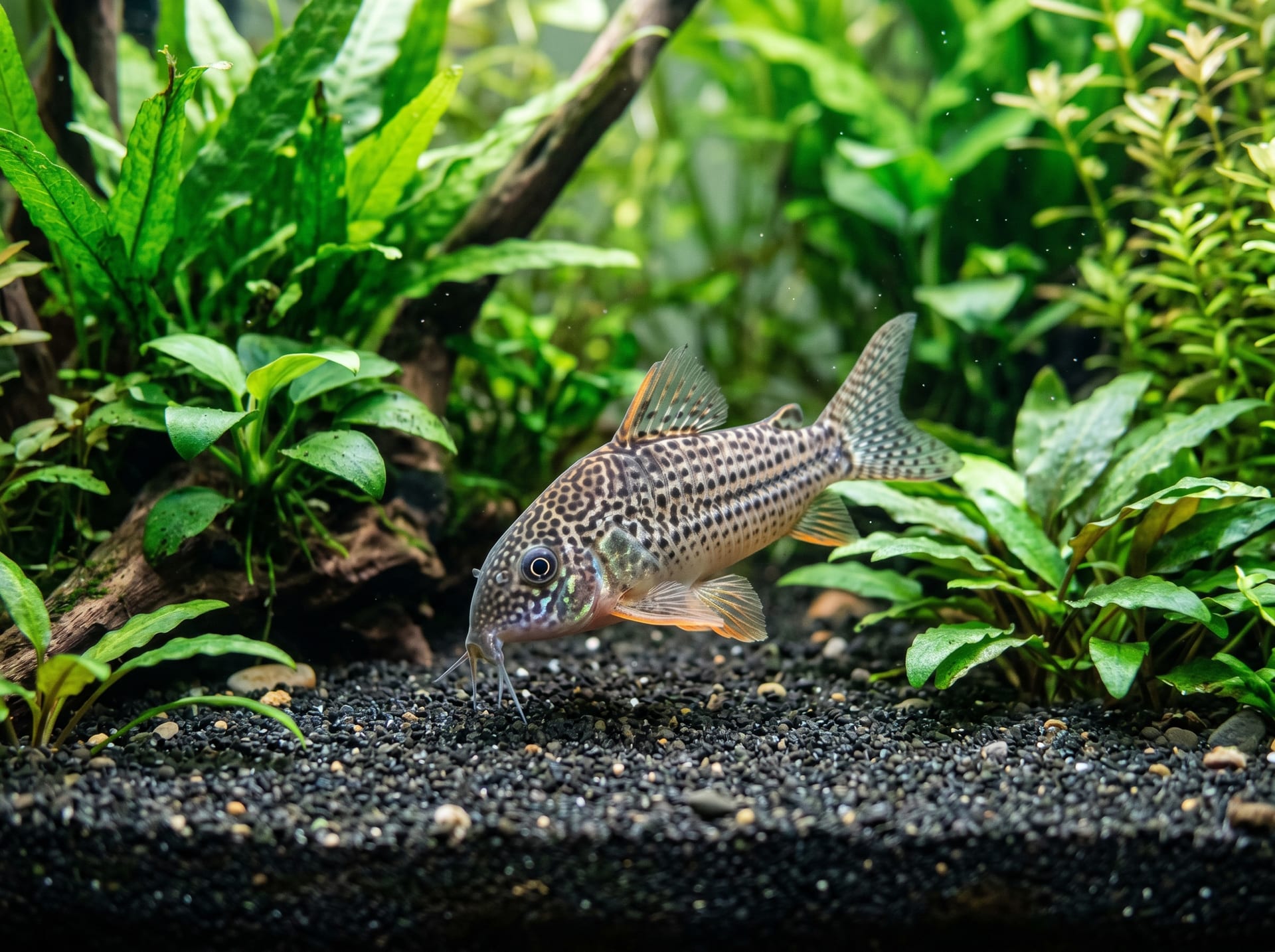
- "Corydoras paleatus (bronze corydoras)"
- "Dendrobium phalaenopsis (moth orchid)"
Record Morph Names and Breed Names Accurately
Core enthusiasts search very specifically for color morphs and breed names. Including specific morph names like "tangerine," "high yellow," or "eclipse" in your description makes it easier to reach buyers searching for those specific traits.
Don't Forget Words Describing Condition
- Growth stage: "baby," "juvenile," "adult," "breeder specimen"
- Breeding-related: "CB (captive-bred)," "breeding experience," "pair sales available"
- Rarity: "domestic rarity," "captive-bred," etc.
However, unnaturally listing keywords has the opposite effect. Incorporate them naturally into your text.
Genre-Specific Description Templates
Customize the following templates based on your specific listing.
Reptile (Leopard Gecko) Example
Leopard gecko (Eublepharis macularius), tangerine hypo morph, baby. Hatched January 2026, currently approximately 9cm in length and 18g in weight. Captive-bred individual; both parents are super hypo tangerine (patternless).
Eats both crickets and dubia roaches without issue and has a hearty appetite. Molting is on schedule and health status is excellent. Gradually becoming accustomed to handling with a calm temperament. Maintained at 28–30°C with basking spot at 32°C.
Coral Example
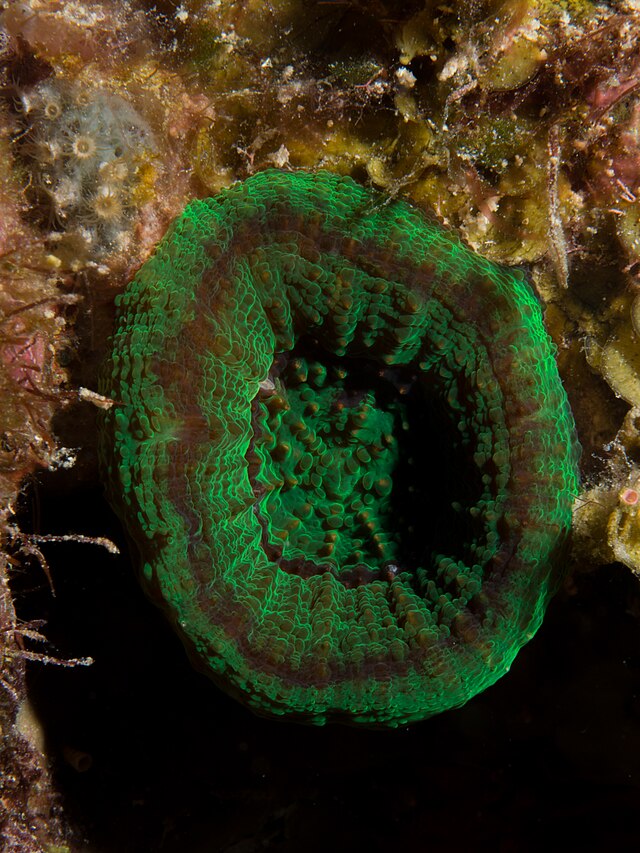
Australian Scleractinia (donut coral), red × green specimen. Approximately 4cm frag size. Conditioned in our tank for 4 months post-arrival. Polyp extension is stable and condition is excellent.
Maintained at 25°C water temperature, SG 1.025, KH 8, Ca 420, Mg 1350. Photos taken under LED lighting. Shot to match actual coloration as closely as possible, but appearance may vary depending on lighting environment.
Tropical Fish Example
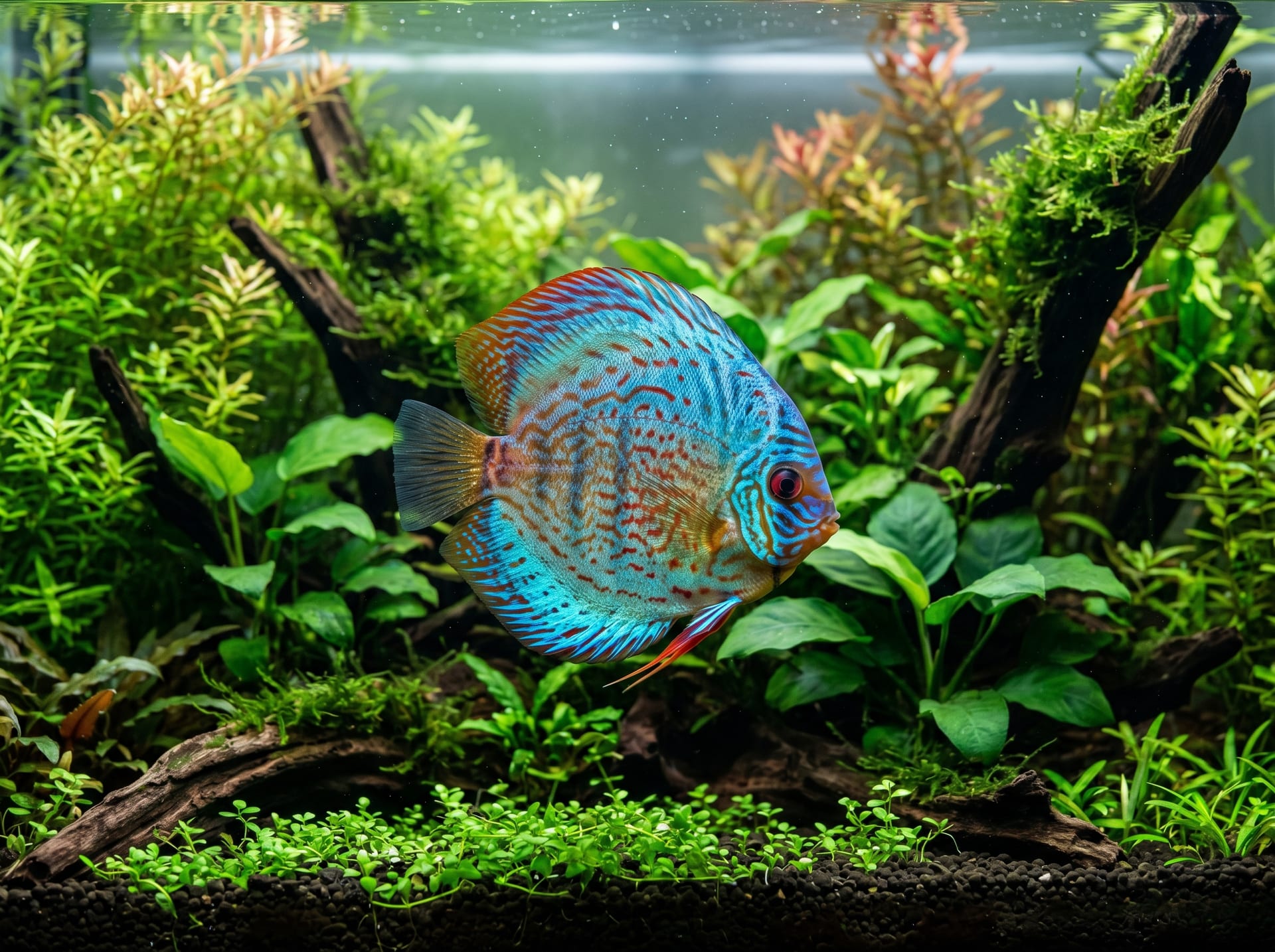
German-bred discus, pigeon blood pair. Male approximately 13cm, female approximately 11cm, both estimated around 2 years old. Proven pair with prior spawning experience (fertile eggs confirmed).
Currently fed primarily on frozen bloodworms and discus hamburger. Maintained at 30°C water temperature, pH 6.5–7.0, TDS around 80. Good response to feeding and vigorous specimens.
Characteristics of Bad Descriptions to Avoid
While there are good descriptions, there are also bad examples that create distrust or anxiety in buyers. Check that you're not falling into these traps.
- Too little information — Saying only "this is a beautiful specimen" or "it's healthy" gives buyers nothing to judge. Always provide information that complements the photos
- Description contradicts photos — When size or color description clearly differs from photos, it creates distrust. It's helpful to also note photo conditions (lighting type, etc.)
- Excessive hype — Repeatedly using "super rare," "bargain," or "first come, first served" actually lowers credibility. Stating facts matter-of-factly builds buyer confidence instead
- Copy-paste feel — Using identical structure and text across listings feels lazy. Adding just 1–2 sentences about the individual's unique characteristics changes the impression
- Hiding negative information — Concealing unfavorable information like prior health issues or feeding quirks leads to trouble later. Honest disclosure builds trust as a breeder
BreederDirect's Safety and Security Measures
BreederDirect has several systems in place so both buyers and sellers can trade with confidence.
Recording accurate information in product descriptions not only increases sales rate but also directly prevents trouble. Most complaints of "description doesn't match" stem from insufficient or ambiguous descriptions.
Additionally, BreederDirect has a review and rating system that ensures honest sellers receive appropriate recognition. Consistently writing detailed descriptions builds your reputation as a highly-rated breeder and directly improves long-term sales. Combining this with effective product photography can further increase conversion rates.
Even if you're listing for the first time, use the templates we've presented and focus on providing information from the buyer's perspective. A good description is the most powerful sales tool, one that supports the buyer's desire to care for your specimen.