Complete Otocinculus Care Guide | Water Quality Management, Tank Mates, and Breeding for Small Algae-Eating Catfish
Otocinculus are popular small catfish for algae control in planted tanks. A comprehensive guide covering water quality management, tank mate compatibility, breeding difficulty, and strategies for addressing loss of appetite.
Key Takeaways
Otocinculus are popular small catfish for algae control in planted tanks. A comprehensive guide covering water quality management, tank mate compatibility, breeding difficulty, and strategies for addressing loss of appetite.
What Kind of Fish is Otocinculus?
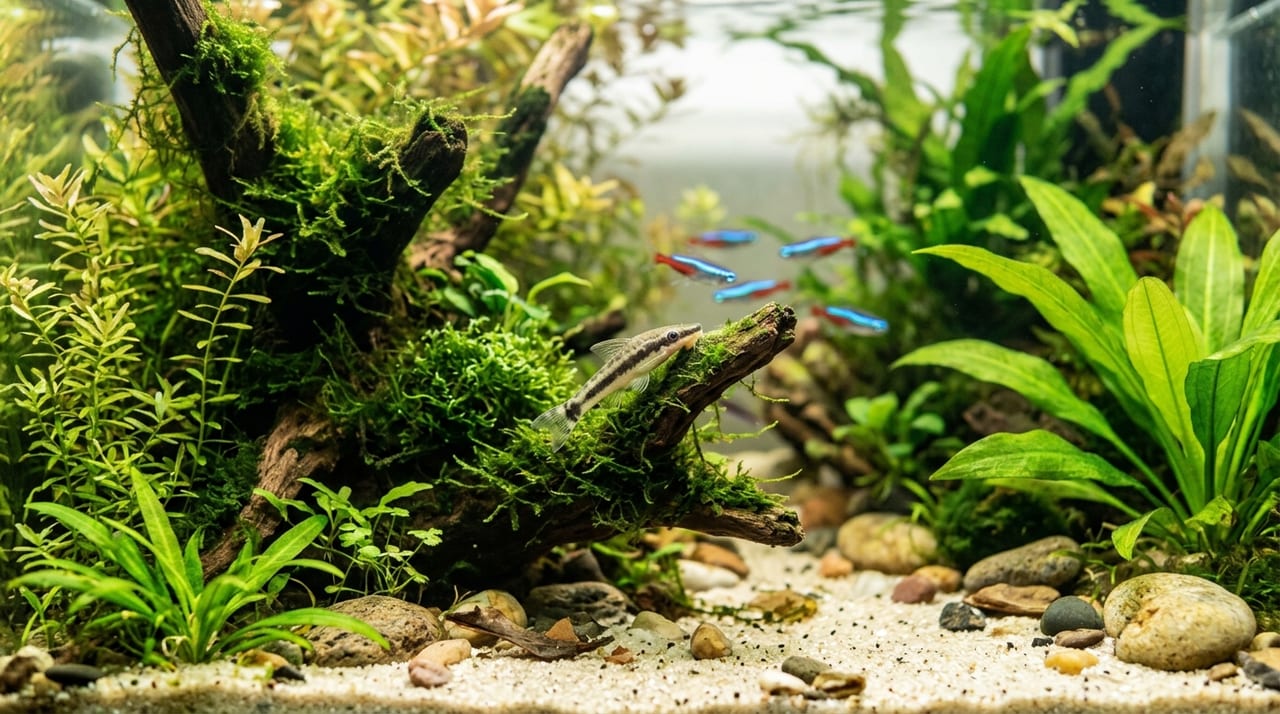
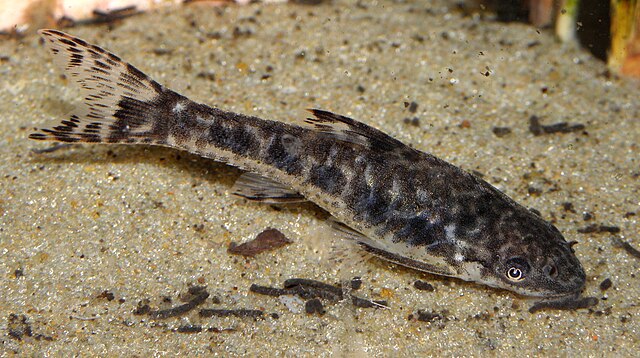
Otocinculus (Otocinclus genus) are small catfish from the Loricariidae family native to South America's Amazon basin. They have a body length of just 3-5 cm, and their mouth has evolved into a sucker-like structure, allowing them to attach to aquarium glass and plant leaves to eat algae—a unique adaptation. The most commonly available species are Otocinclus vittatus (O. vittatus) and Otocinclus affinis (O. affinis), though most imported individuals are difficult to identify precisely and are simply sold as "Otocinculus."
✍️
BreederDirect Editorial
The BreederDirect editorial team specializes in care information for animals, covering veterinary care and breeding to deliver beginner-friendly guides.
Find Tropical Fish on BreederDirect
Buy directly from verified breeders
Browse Related Listings
Find Tropical Fish listings related to this article on BreederDirect. Buy directly from verified breeders.
Related Tools
Related Articles
Browse by Category
🪸Coral
🐠Marine Fish
🐟Tropical Fish
🐡Goldfish
🐟Medaka
🦎Reptiles
Share
They have a long history of use as "algae-eating creatures" in planted aquariums, particularly effective at removing diatoms (brown algae) and thin film-like green algae. However, despite their reputation for voracious appetites, they have a delicate side—they easily lose their appetite when algae becomes scarce.
Setting Up Water Quality and Tank Environment
Otocinculus prefer slightly acidic to neutral soft water. Ideal water parameters are pH 6.0-7.5 and hardness (GH) around 2-10 dGH, closely matching the soft water environment of the Amazon River—the key to long-term success. The ideal temperature range is 22-28°C, which most standard tropical aquarium setups in Japan can easily accommodate.
Regarding water flow, they prefer moderate current, not too strong. When using external or hang-on filters, direct the outlet toward the glass to create indirect flow—this is the key technique. Particularly in newly established tanks where beneficial bacteria haven't yet fully colonized, ammonia and nitrite can spike suddenly, causing mass die-offs. A minimum tank size of 20 liters is recommended, with fine sand or smooth gravel as substrate. Adding driftwood or rocks as hiding places ensures adequate rest areas and allows them to settle comfortably.
Acclimation when introducing new fish should be done slowly using the drip method over 1-2 hours. Otocinculus are sensitive to water parameter changes, and there's a risk of shock death if the pH difference between the bag and tank exceeds 0.5. Newly purchased individuals are often exhausted from transport stress, so acclimate them slowly in dim lighting and a quiet environment.
Feeding and Addressing Loss of Appetite
The biggest challenge in keeping Otocinculus is "loss of appetite leading to weakness and death." Most individuals on display at shops are wild-caught and have already suffered transport stress and starvation. After introduction into a tank with little algae, many simply weaken and die.
The key solution is to establish algae in the tank before introducing the fish. Brown algae (diatoms) naturally develops in newly established tanks and serves as ideal initial food. In stable planted aquariums with less algae, offer supplementary foods such as store-bought vegetables (thinly sliced zucchini, blanched spinach) or plant-based tablet foods (algae wafers, spirulina-containing foods) placed on the glass or substrate. Over time, many will begin eating artificial foods willingly, though individual variation is large and some show poor feeding responses.
Observations indicate that when kept in groups of 5-10 or more, their feeding response activates and feeding behavior is promoted. With just 1-2 individuals, they tend to become isolated and lose their appetite, so group rearing is preferable.
Tank Mate Compatibility and Cautions
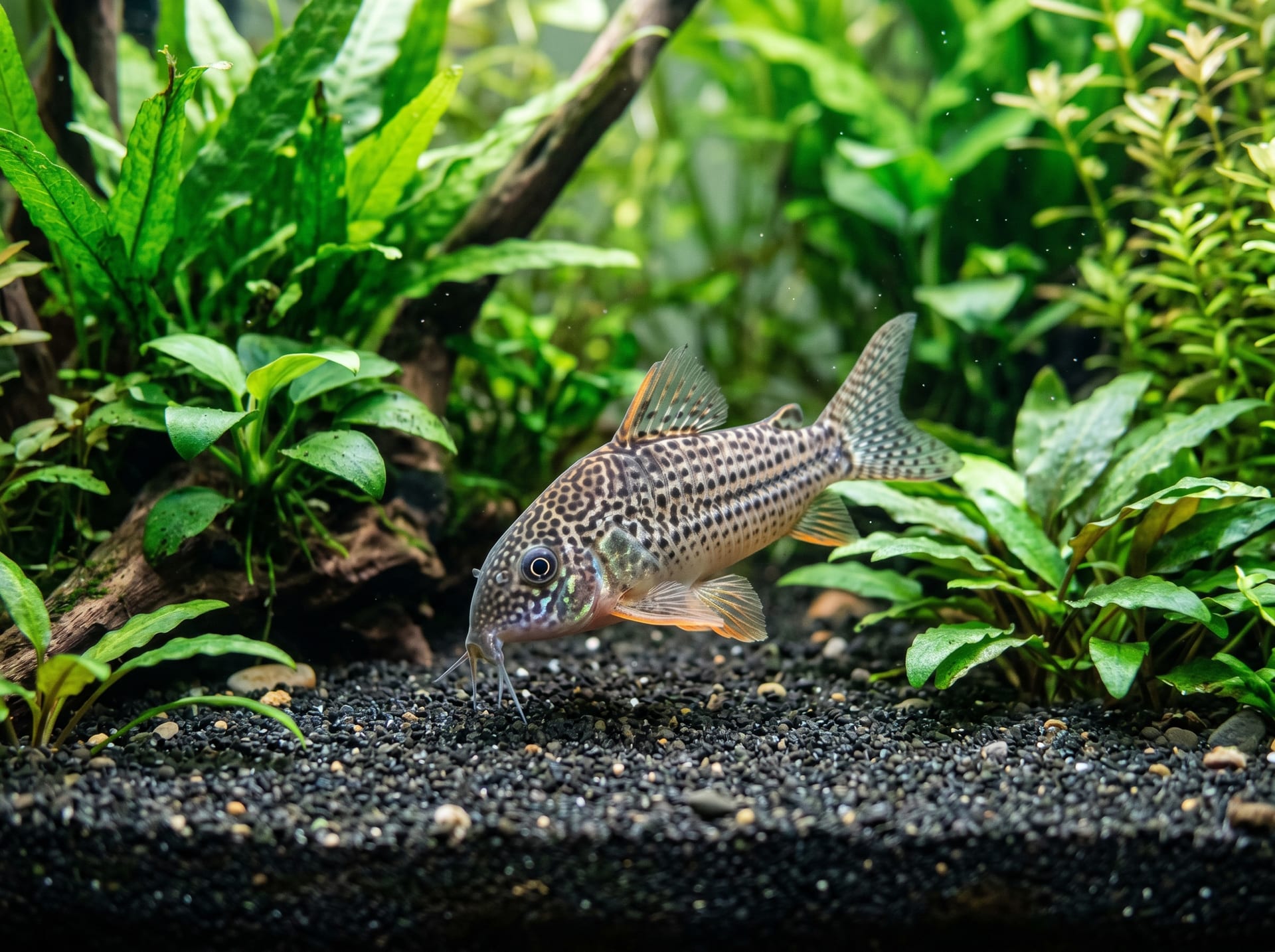
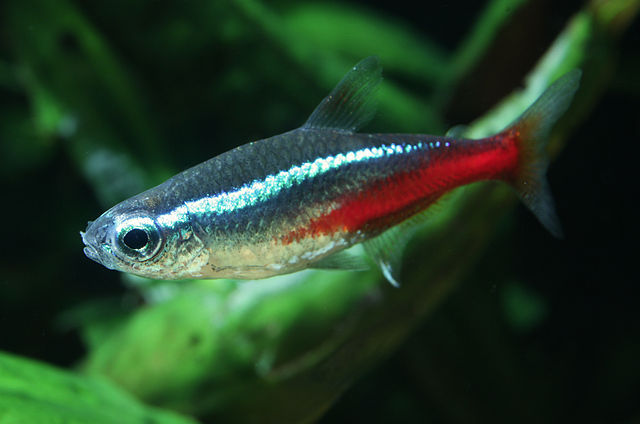
Otocinculus have a gentle temperament and show excellent compatibility with small fish of similar or smaller size. Combining them with neon tetras, rasboras, or Corydoras catfish creates an ideal community tank.
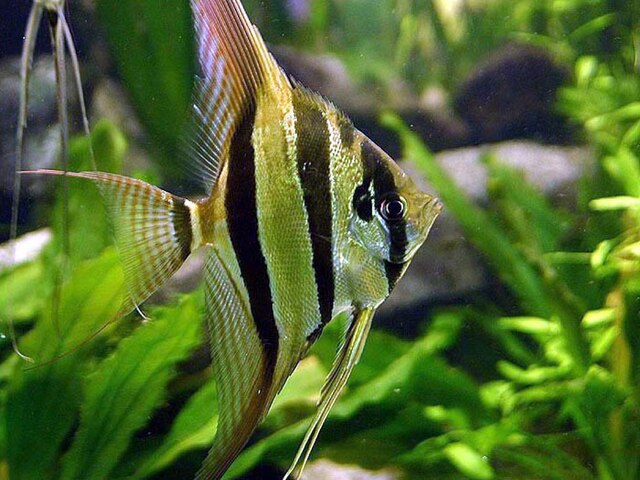
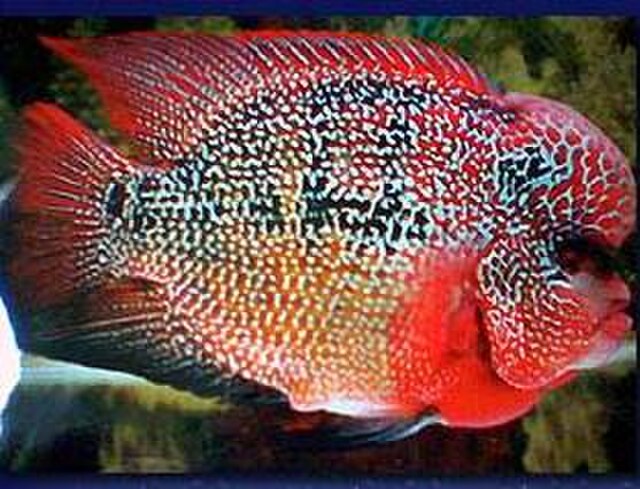
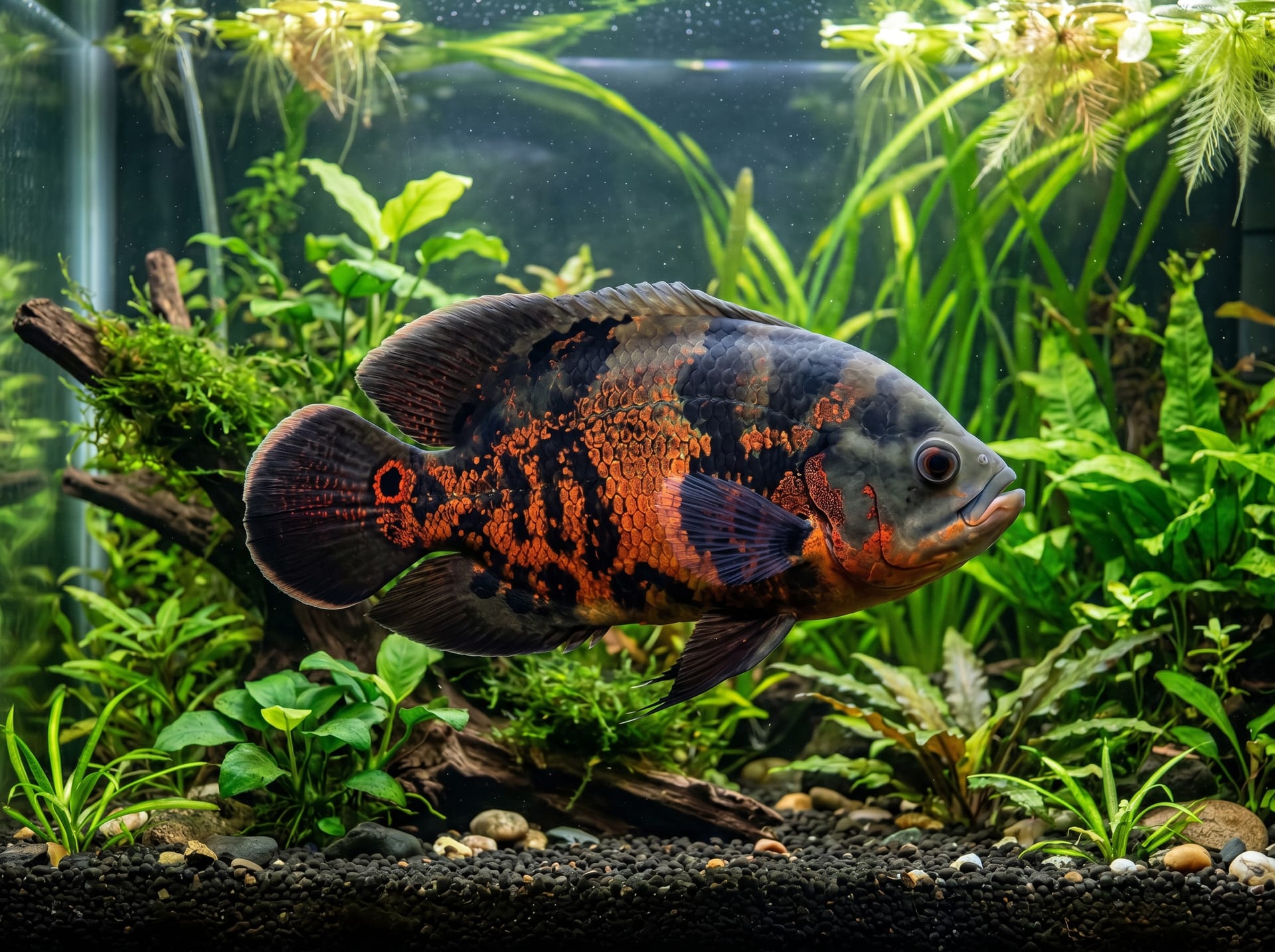
Fish that require caution as tank mates include the following. Bettas and large gouramis, which have strong territorial instincts, may chase Otocinculus and cause stress. Large cichlids (Oscars, Flowerhorns) will predate on them. Angelfish can also eat Otocinculus small enough to fit in their mouth, so adequate hiding places and tank size are necessary.
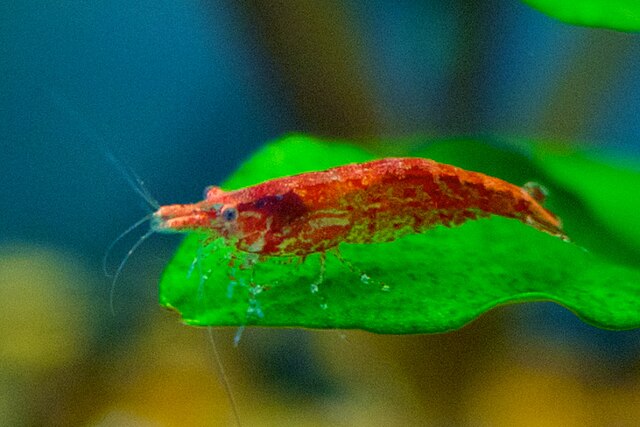
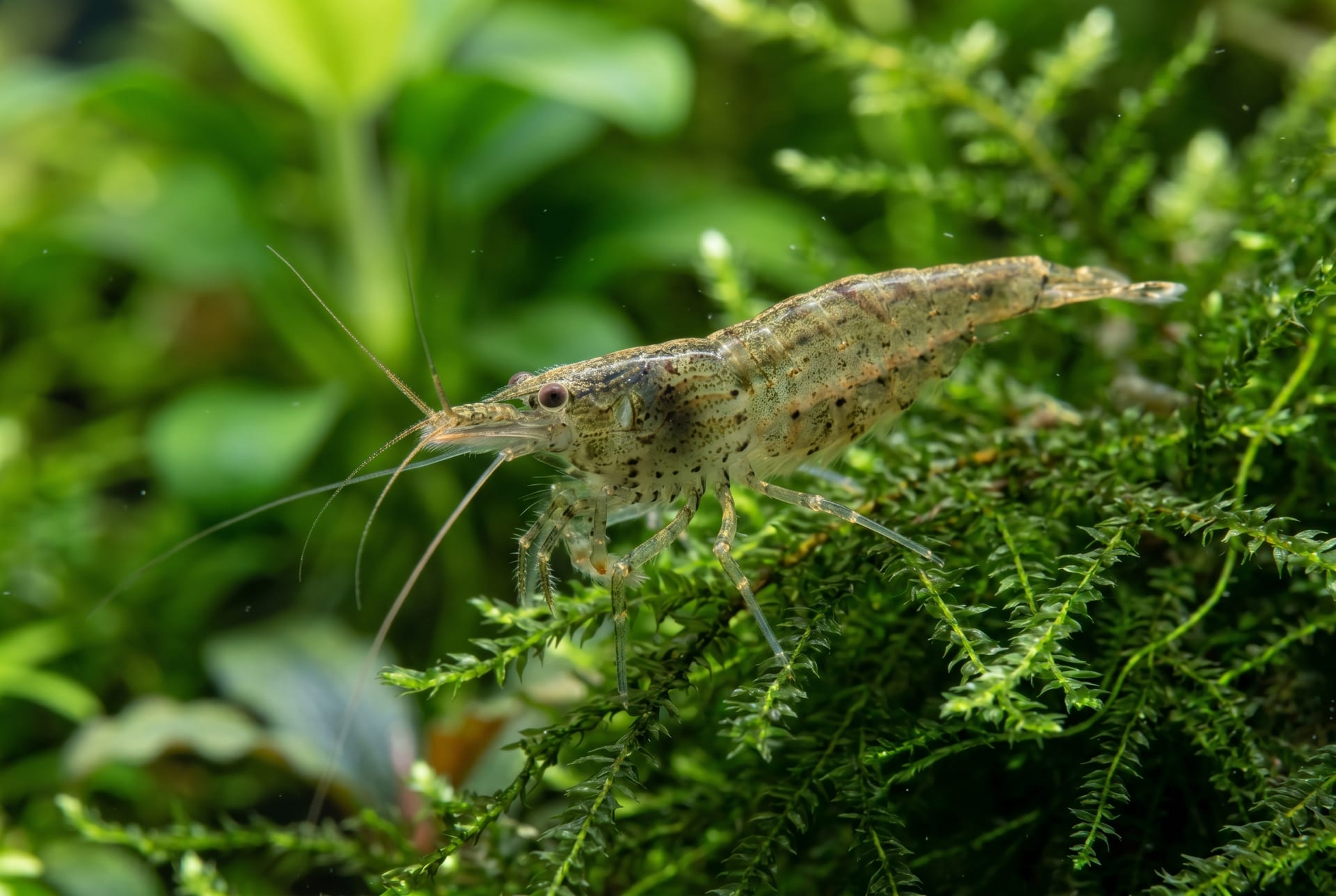
Shrimp species (Amano shrimp, cherry shrimp) can coexist without issue. Otocinculus don't chase shrimp and can live together peacefully. In planted aquariums, the Otocinculus and shrimp combo has become the standard "ultimate algae-control pair."
Within the same species, conflict is minimal, though they may compete for food. Particularly, you may observe them competing to occupy the same spot on flat rocks or driftwood.
Breeding Methods and Difficulty
Breeding Otocinculus is possible but is among the more difficult tropical fish species to breed. Most successful breeding cases have been achieved in dedicated breeding tanks set up with soft water and slightly acidic conditions (pH 6.0-6.8).
Spawning occurs on the undersides of broad, flat-leaved plants (Amazon swords or Anubias). They lay dozens to around 100 transparent eggs about 1-1.5 mm in diameter, which hatch after 3-4 days. The fry are extremely tiny (about 3 mm) and spend the first few days absorbing their yolk sac. They then begin eating fine algae and powdered food, though they're prone to the same appetite loss as adults.
An effective trigger for breeding is simulating seasonal change through large water changes (performing a 30-50% water change with soft water 2-3°C cooler). Mimicking the arrival of the rainy season has been reported to trigger spawning behavior. To distinguish males from females, look at the belly when viewing from above—the one with a rounded, swollen abdomen is female.
Summary: Keys to Long-Term Care
Although Otocinculus are popular for their cute appearance and algae-eating ability, successful long-term care requires proper understanding of their sensitive water parameter requirements and appetite loss risks. Careful acclimation at introduction and preparation of appropriate algae or alternative foods are the first steps to long-term success. Group rearing and maintenance of slightly acidic soft water will allow you to enjoy their adorable sucker-feeding behavior for years to come. Captive-bred domestic Otocinculus from breeders show better environmental adaptation than wild-caught individuals, and selecting stable specimens is another advantage of purchasing directly from breeders through BreederDirect.