Characteristics and Appeal of Congo Tetras
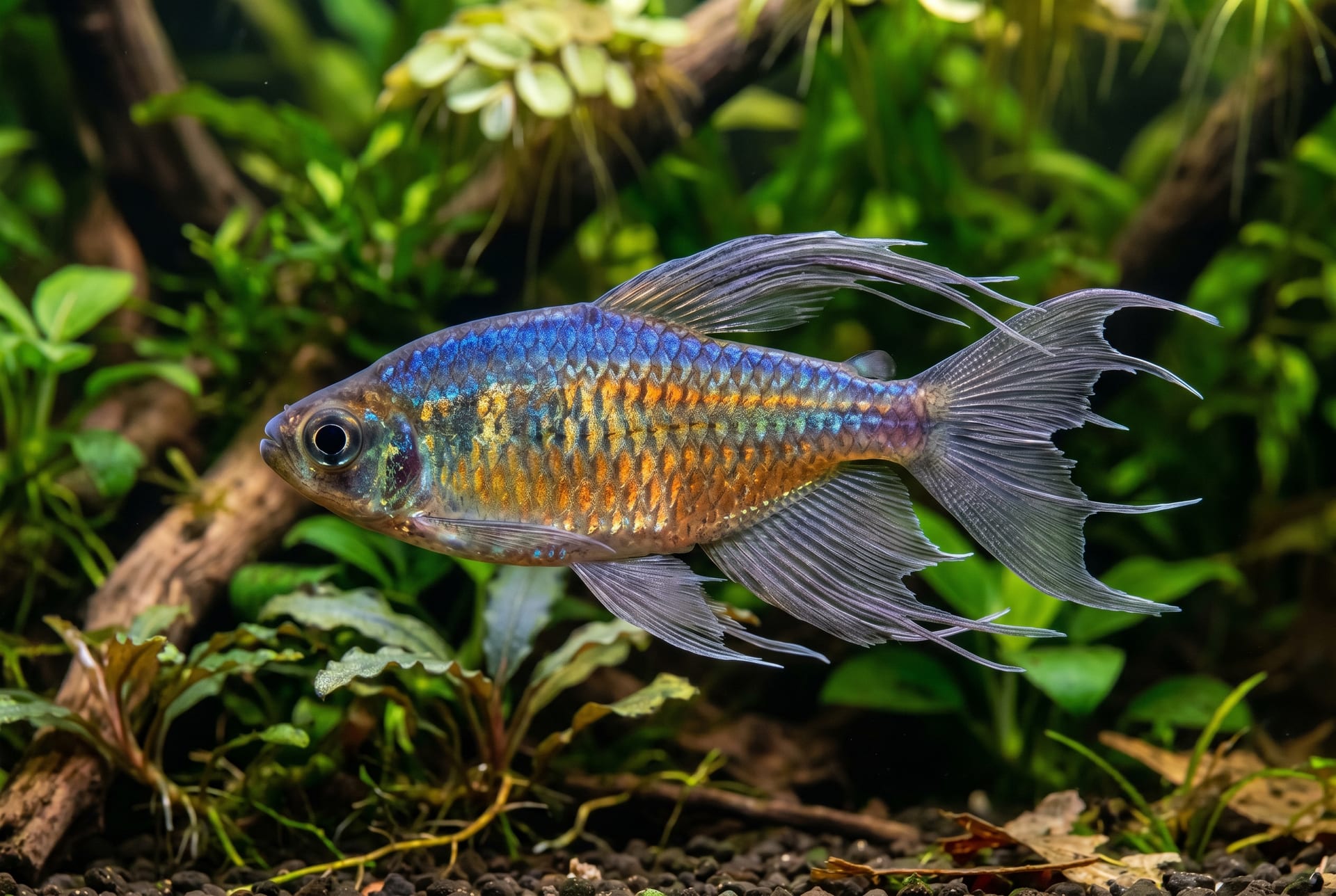
The Congo Tetra (Phenacogrammus interruptus) is a tropical characin found in the Congo River basin of Central Africa. Adult fish measure approximately 7–8 cm in length, placing them among the larger members of the tetra family. Their greatest appeal lies in their iridescent scales that shift through blue, green, red, orange, and purple depending on how light strikes them—an interference color that creates a spectacular rainbow effect. When kept in schools, they produce a breathtaking display of multicolored light dancing through the tank.
Males in particular have elongated central caudal fin rays that wave gracefully like a veil tail. Females have a stockier body shape with less fin extension, making it relatively easy to distinguish between the sexes. They have a peaceful temperament and can coexist calmly with other fish of equal size or larger.
In the wild, they inhabit wetlands and slow-flowing streams, having adapted to "blackwater" environments rich in humic matter. They prefer slightly acidic soft water abundant in tannins and humic acids, making water adjustment the key to bringing out their beauty in captivity.
The iridescent colors on their body are not due to pigments but are structural colors produced by the fine structure of the scales reflecting and interfering with light. Since the brilliance changes depending on the viewing angle and lighting direction, providing a layout that overlooks the entire tank and a stable lighting environment allows you to fully appreciate the beauty of the entire school.
Tank Setup
Tank Size: Congo Tetras are schooling fish, so it is ideal to keep them in groups of 6–10 or more. You should have at least a 90 cm tank (90×45×45 cm or larger). Since they swim quickly and prefer open space, larger tanks allow you to observe their natural behavior more fully.
Water Quality:
- Temperature: 22–27°C (optimal around 25°C)
- pH: 6.0–7.0 (6.5–6.8 is ideal)
- Hardness (GH): 2–10°dH (soft to moderately hard water)
- Nitrate: maintain below 20 mg/L
In regions where tap water is alkaline and hard, adjust pH and hardness by mixing with RO water or adding peat to your filter. While Congo Tetras can adapt to moderately high hardness once acclimated, maintaining soft, slightly acidic water is important if you plan to breed them.
Tank Layout: Combining dark substrate (black sand, dark lava rock) with aquatic plants (Amazon sword, Vallisneria, water sprite, etc.) makes the Congo Tetra's iridescent colors stand out. Lighting should be moderate brightness; stable white light brings out better coloration than flashing or color-changing LEDs.
Water Changes and Daily Maintenance
Congo Tetras are sensitive to sudden water quality changes, so it is important to maintain consistent frequency and method of water changes in daily care. When using tap water, always treat it with a dechlorinator before adding it to the tank. Remove food debris and waste accumulated in the substrate regularly using a siphon; avoid sudden, aggressive filter cleanings to maintain stable biological filtration, replacing only a portion of the media at a time. When introducing new fish, float the bag in the tank to equalize temperature, then slowly acclimate the fish by gradually adding tank water into the bag. This patient acclimation process minimizes stress from transport and shock from water quality differences.
Feeding and Nutrition Management
Congo Tetras are omnivorous and in nature feed on insects and small crustaceans that fall onto the water surface, as well as algae. In captivity, the following diet is appropriate.
- Staple Food: High-quality pellets or flake foods (such as Tetramin) fed twice daily in quantities they can finish
- Live and Frozen Foods: Frozen bloodworms and frozen brine shrimp given 2–3 times per week enhance color development and activity
- Vegetable Matter: Incorporating spinach pellets and spirulina-enriched foods promotes digestive health
They are not heavy eaters and keep water quality relatively stable, but you should still remove uneaten food promptly.
Rotating between commercial foods, live and frozen foods, and vegetable-based options promotes both vibrant coloration and long-term health. Portion sizes should be limited to what they can consume in a few minutes; uneaten food floating at the surface or sinking to the bottom degrades water quality, so remove it promptly.
Tank Mate Compatibility
Congo Tetras are peaceful, but they will eat very small fish (microfish 1–2 cm or smaller) that fit in their mouths. Examples of safe tank mates include:
- Large Characins and Barbs: Black Skirt Tetras, Brilliant Rasboras, Black Ghost Knife Fish (caution with very large species)
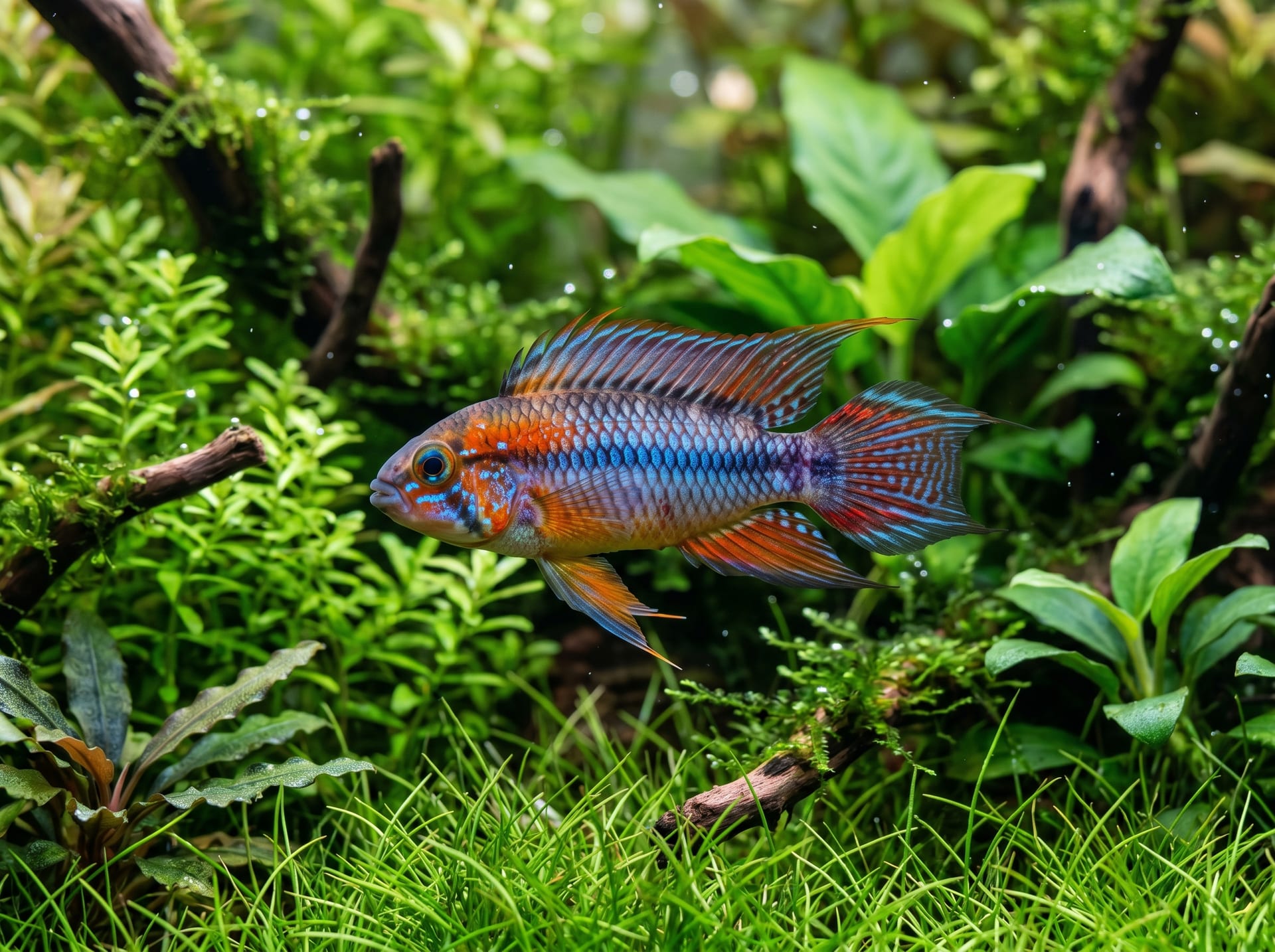
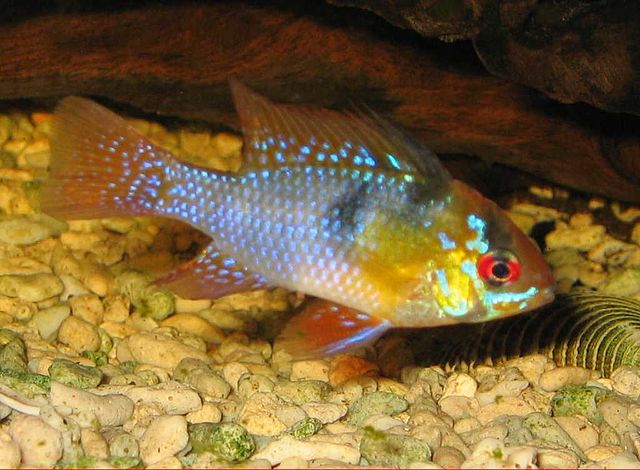
- Cichlids: German Blue Rams, Apistogramma species (choose those with similar temperature and pH ranges)
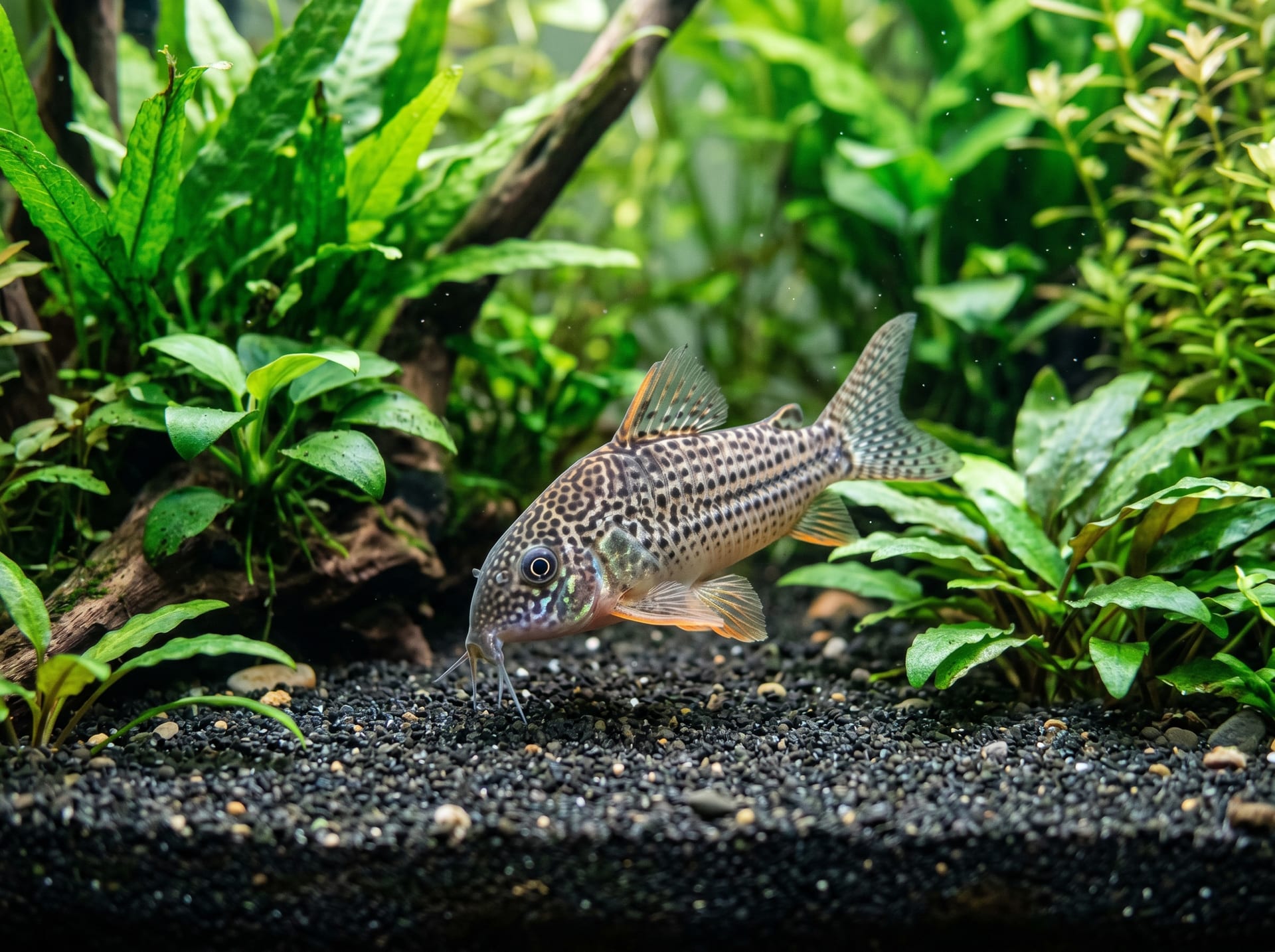
- Mid-sized Loaches and Corydoras Catfish: Since they inhabit the bottom, territorial conflicts are minimal
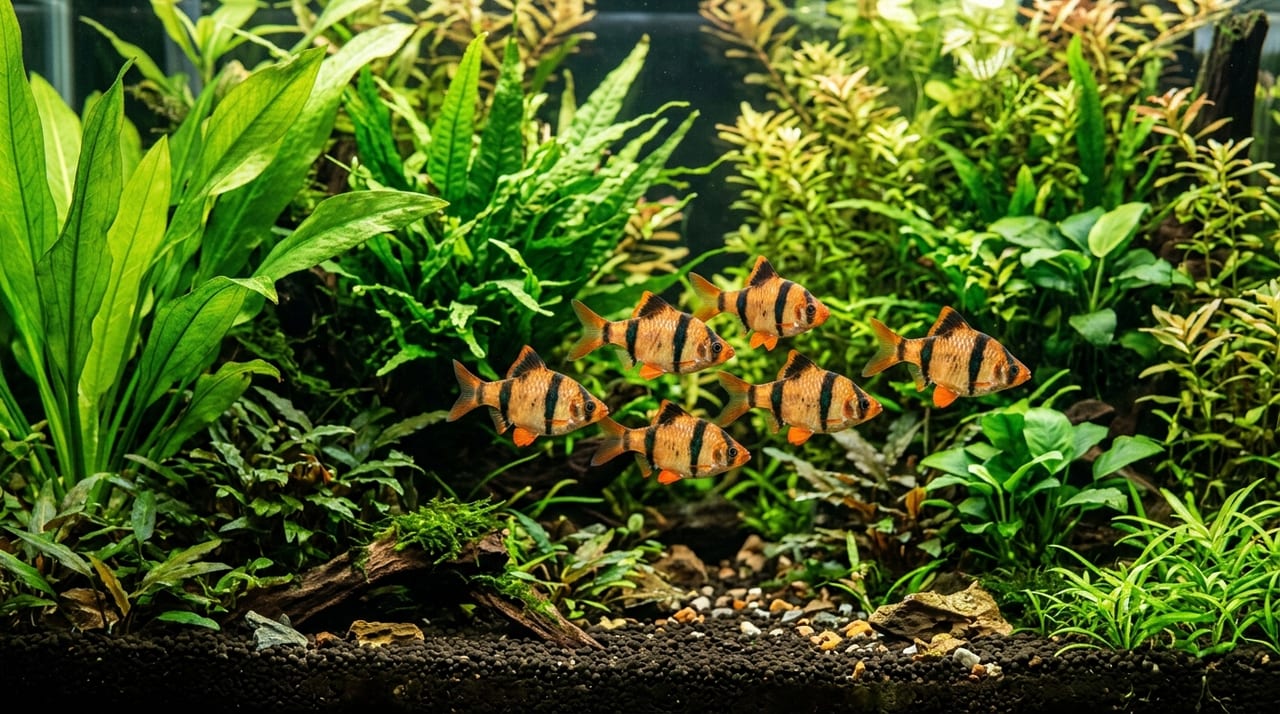
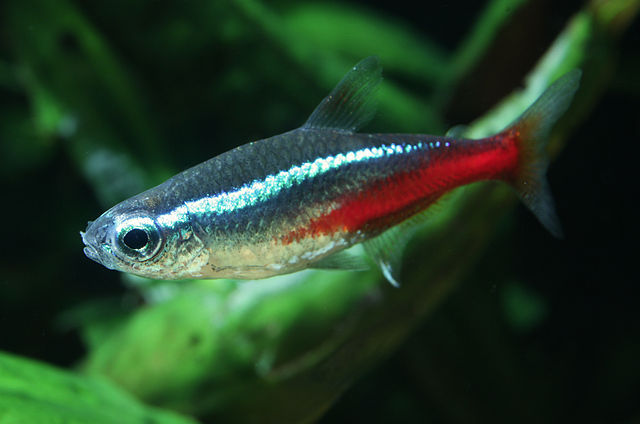
- Tank Mates to Avoid: Small tetras (such as Neon Tetras) pose predation risks. Tiger Barbs and Serpae Tetras that nip at fins will damage Congo Tetras' veil-like tail fins
When planning a community tank, prioritize open swimming space for Congo Tetra schools and maintain a balance between the number of tank mates and tank size to avoid overcrowding. Selecting fish with similar temperaments that prefer the same slightly acidic to neutral water conditions creates a low-stress environment for all residents. When introducing new tank mates, start with a few and observe carefully, gradually increasing numbers only after confirming the Congo Tetra school remains calm and settled.
Disease Prevention and Health Checks
Congo Tetras are hardy fish, but they are prone to illness from stress caused by sudden water quality changes or the stress of transport. Regularly observe their swimming behavior, appetite, and color vibrancy; the following changes warrant attention:
- White spot-like marks spreading across the body and fins (possible Ich / white spot disease)
- Lethargy with a tendency to hide, swimming away from the school
- Fins clamped shut or becoming cloudy white
- Sudden loss of appetite
When introducing new fish, ideally set up a separate quarantine tank to observe them for several days to a few weeks. This treatment period prevents disease introduction to your established fish. Stable water conditions and avoiding overcrowding are the most fundamental forms of disease prevention.
Breeding Basics
Congo Tetras breed in slightly acidic, soft water at 27°C. They are broadcast spawners, scattering eggs over the substrate, and since parents will eat the eggs, removal is necessary after spawning.
To succeed at breeding:
- Prepare soft water with pH 6.5 or below and hardness of 4°dH or less
- Use fine-leaved willow moss as a spawning substrate
- Maintain a harem structure of one male with 2–3 females
- Spawning typically occurs shortly after lights are turned on in the morning
- Eggs are transparent with a diameter just under 1 mm and hatch in 36–48 hours
- Feed fry in sequence: infusoria → frozen copepods → brine shrimp nauplii
For better success, set up a dedicated spawning tank with mesh-bottomed substrate or coarser willow moss that allows eggs to fall through and hide, preventing parents from eating them. Return parent fish to the main tank after spawning and manage the eggs alone in a quiet environment to ensure stable hatch rates.
Summary: Secrets to Keeping Congo Tetras Beautiful
Three factors are essential to maximize Congo Tetra beauty: water quality management, schooling, and proper lighting. Maintaining slightly acidic, soft water and keeping groups of 10 or more fish under lighting that contrasts with a darker substrate creates a breathtaking display—as if jewels were swimming in your tank. With their peaceful temperament and relatively straightforward care requirements, Congo Tetras are recommended not only for African freshwater fish enthusiasts but for tropical fish hobbyists in general seeking medium to large-sized tetras.
Through daily observation of water quality and school behavior, gradually refining your setup within reasonable limits is the key to maintaining Congo Tetra beauty and health over the long term.