Neocaridina (Cherry Shrimp) Complete Care Guide | Color Variations, Water Quality Management, and Breeding
Neocaridina shrimp (Cherry shrimp) are hardy and easy-to-breed freshwater shrimp, making them an ideal species for beginners. This guide explains abundant color variations like Red Cherry and Blue Dream, proper water quality management, filter selection, breeding methods, and tankmate compatibility for newcomers.
Key Takeaways
Neocaridina shrimp (Cherry shrimp) are hardy and easy-to-breed freshwater shrimp, making them an ideal species for beginners. This guide explains abundant color variations like Red Cherry and Blue Dream, proper water quality management, filter selection, breeding methods, and tankmate compatibility for newcomers.
Related Species
About Neocaridina Shrimp
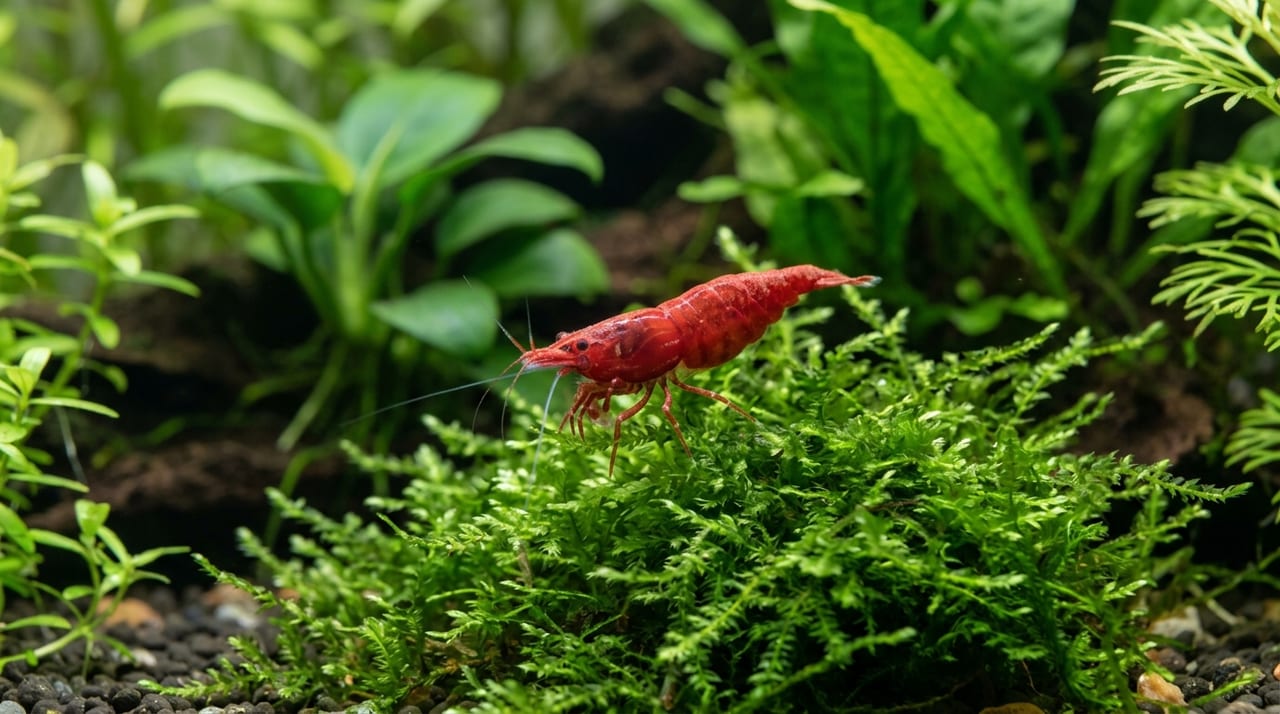
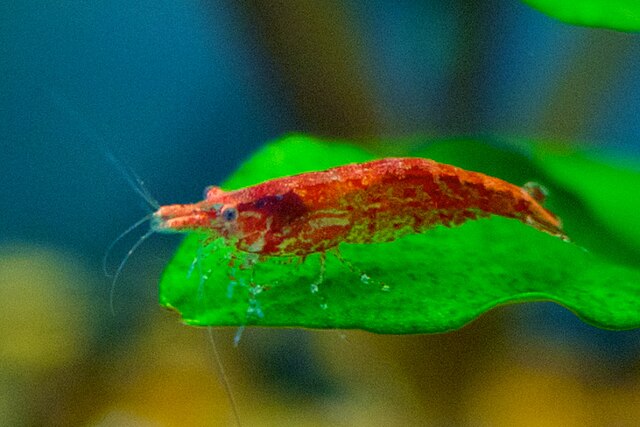
The Neocaridina genus is a group of freshwater shrimp native to Taiwan and southern China, commonly known as "Cherry shrimp" in the aquarium hobby. While the original species has dull coloration, selective breeding has produced over 20 vibrant color variations including Red Cherry, Yellow, Orange, Blue Dream, and Black Cherry.
Being hardy and easy to care for, they are supported by aquarists worldwide as an ideal beginner species for shrimp keeping. They are also excellent algae eaters in planted tanks and serve as a practical addition for maintaining tank aesthetics.
Basic Data:
- Size: 1–3 cm (females are larger)
- Lifespan: 1–2 years (average)
- Water Temperature: 18–28°C (ideal 22–26°C)
- pH: 6.5–7.5 (slightly acidic to slightly alkaline)
- Hardness: GH 6–10, KH 2–6 approximately
Major Color Variations
| Color | Characteristics |
|---|---|
| Red Cherry (RCS) | Most popular. Grade variations from deep red to light red |
| Fire Red | Highest grade of Red Cherry (completely bright red) |
| Yellow | Vibrant yellow. Excellent color expression |
| Orange | Orange-colored body. Hardy and easy to care for |
| Blue Dream | Deep blue to turquoise |
| Black Cherry | Jet-black body. Rare and expensive |
| Snowball | White to cream colored |
| Purple | Purple-colored variety |
Higher grades (more intense coloration) command higher prices. When color variations are mixed, breeding can cause color degradation, so management of a single color variety is typically recommended.
Setting Up the Tank and Environmental Configuration
Tank Size
Neocaridina are small, so a tank of about 20–60 L is sufficient. However, since smaller water volumes cause more dramatic water quality fluctuations, beginners are advised to use at least a 30 L tank or larger.
- Nano tanks (10–20 L): Experience is needed to stabilize
- 30 L tank: Ideal size for beginners
- 60 L tank: Ideal for establishing breeding colonies
Filter Selection
Shrimp risk being sucked into filter intake ports.
- Sponge filter: Optimal for shrimp. Safe for shrimplets, excellent biological filtration
- External filter: Wrap sponge around intake port (prevents suction)
- Hang-on-back filter: Requires sponge cover as shrimplets are easily sucked in
- Strong water flow stresses shrimp and should be avoided
Substrate and Aquatic Plants
While Neocaridina adapt to a wide pH range, sandy substrates (Aragonite sand, sand) often provide more stable long-term water quality maintenance compared to soil-based substrates.
Recommended substrates:
- Aragonite sand (acid-treated)
- Small amount of coral sand blend (maintains KH)
- Ceramic sand
Plants for algae control:
- Moss varieties (Willow moss, Java moss): Also serve as hiding places for shrimplets
- Anubias species: Hardy and easy to maintain
- Microsorum: Grows in partial shade
Water Quality Management
While Neocaridina are hardy, they are extremely sensitive to sudden water quality changes, so water changes require careful attention.
Water Change Method
- Frequency: Once weekly, 1/3 to 1/4 of the water volume
- Temperature matching: Always match water temperature before adding water
- Dechlorination: Always remove chlorine from tap water
- Don't do large water changes at once: Risk of shrimp death from sudden water quality shifts
Important Water Quality Parameters
| Parameter | Target Value | Notes |
|---|---|---|
| pH | 6.5–7.5 | No sudden changes |
| Ammonia (NH3) | 0 ppm | Dangerous if above 0 |
| Nitrite (NO2) | 0 ppm | Dangerous if above 0 |
| Nitrate (NO3) | 20 ppm or below | High values addressed with water changes |
| GH (General Hardness) | 6–10 | Too low causes molting failure |
Newly established tanks require at least 4–6 weeks of 'cycling' to establish nitrifying bacteria before adding shrimp.
Feeding
Neocaridina are omnivorous and eat algae, microorganisms, and organic matter in the tank, so supplemental feeding can be minimal in a healthy planted tank.
Commercial Foods
- Specialized shrimp food: Tablet-type containing spinach and spirulina
- Corydoras tablets: Sinking and easy to eat
- Dried spinach and blanched wood: Popular as treats
Feeding frequency and amount:
- 3–4 times per week, amount consumed within 2–3 hours
- Remove uneaten food immediately (causes water quality deterioration)
Foods to avoid:
- Vegetables with pesticide residue (use only pesticide-free or pesticide-washed vegetables)
- Foods containing salt
- Foods or medications containing copper (lethal to shrimp)
Breeding
Neocaridina breed naturally if proper conditions are maintained. With water temperature around 25°C and stable water quality, they breed year-round.
Breeding Cycle
- Mating: Males gather and mate immediately after a mature female molts
- Egg carrying: Female holds eggs (20–50) on her pleopods (carrying period: 3–4 weeks)
- Shrimplet birth: Direct hatching as miniature versions of parents (no zoea larvae stage)
- Maturity: Reach reproductive maturity in 3–4 months
Shrimplets are extremely small (about 1 mm) and at risk of being sucked into filters. Sponge filters are optimal.
Care for Egg-Carrying Females
Egg-carrying females are especially sensitive to water quality changes. Perform water changes in small amounts and carefully during this period, avoiding sudden flow changes.
Compatible and Incompatible Tankmates
Compatible tankmates:
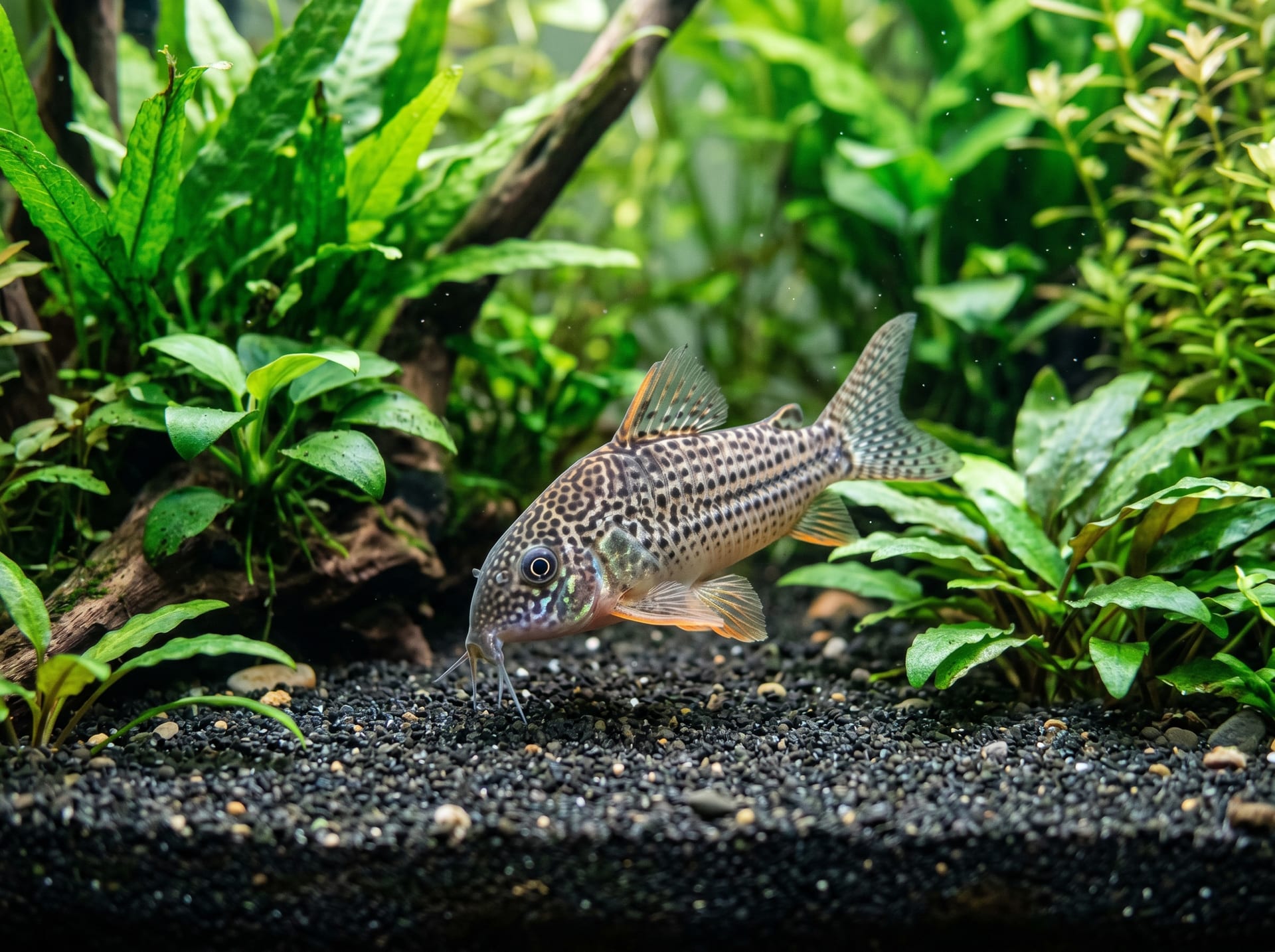
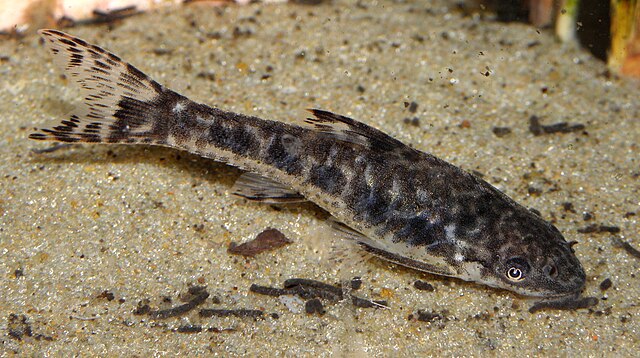
- Small Corydoras (do not eat shrimp)
- Otocinclus (ignore shrimp)
- Lampeyes (small and can coexist with shrimp)
- Various killifish (larger individuals may eat shrimplets)
Incompatible:
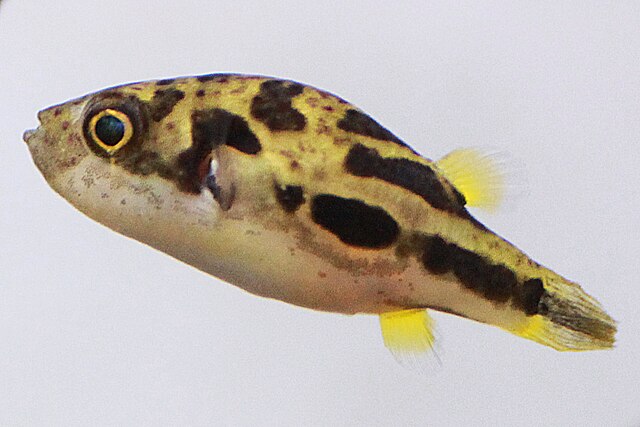
- Dwarf pufferfish (actively prey on shrimp)
- Betta fish (some individuals eat shrimp)
- Large snails other than killer snails (may eat them)
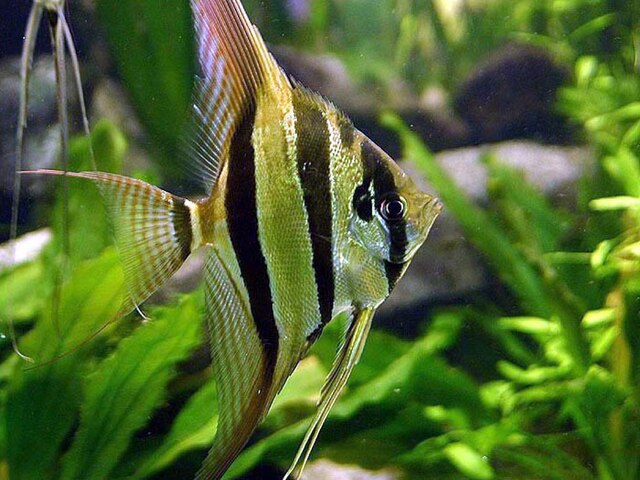
- Goldfish, large cichlids, and angelfish (high likelihood of predation)
Neocaridina shrimp are fascinating creatures that naturally multiply when proper conditions are maintained, enriching the tank ecosystem. They are perfectly suited for planted tanks and can be enjoyed by both beginners and advanced aquarists for their algae control and colorful appearance. With responsible care, you can bring out their full appeal.