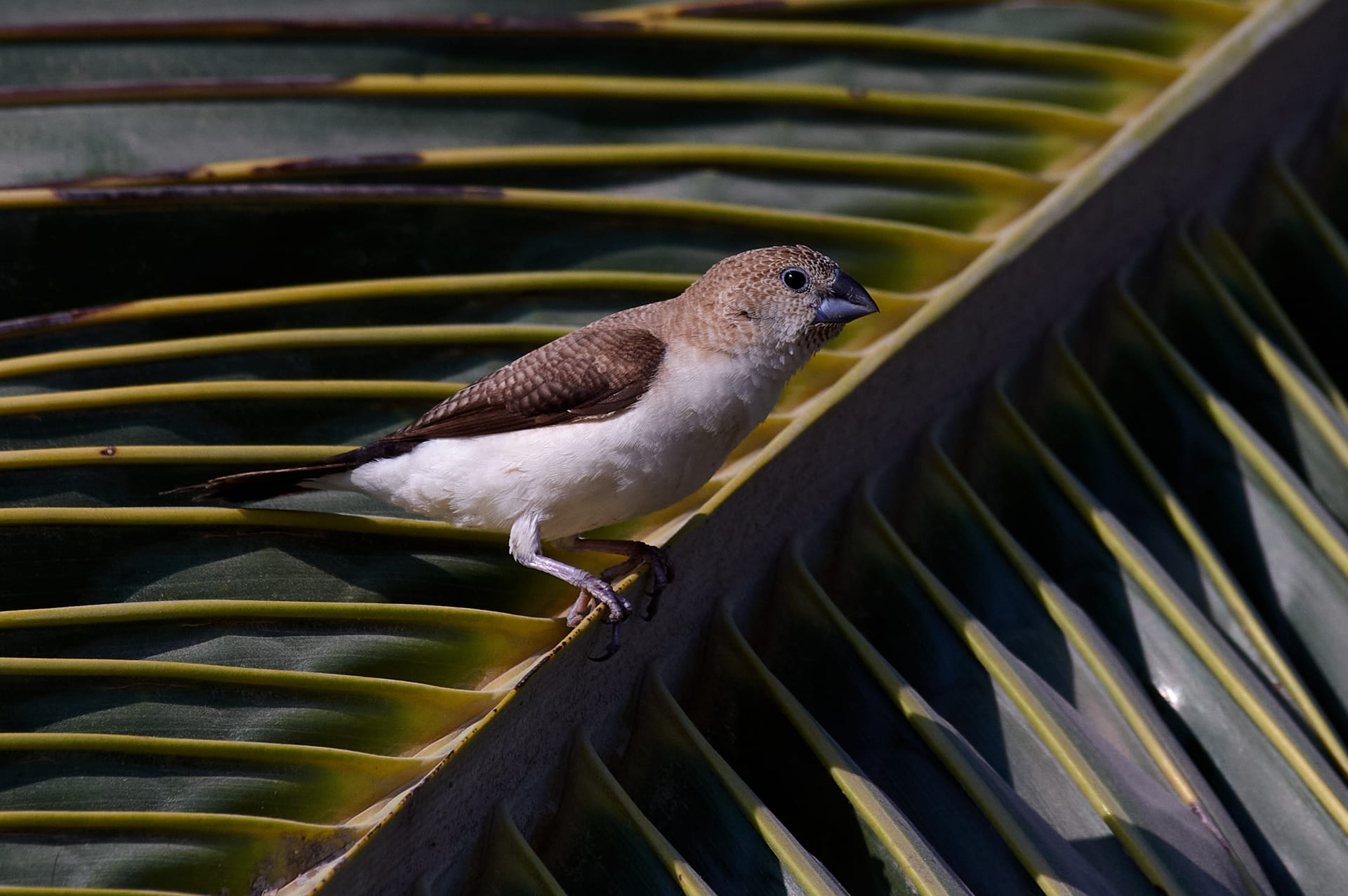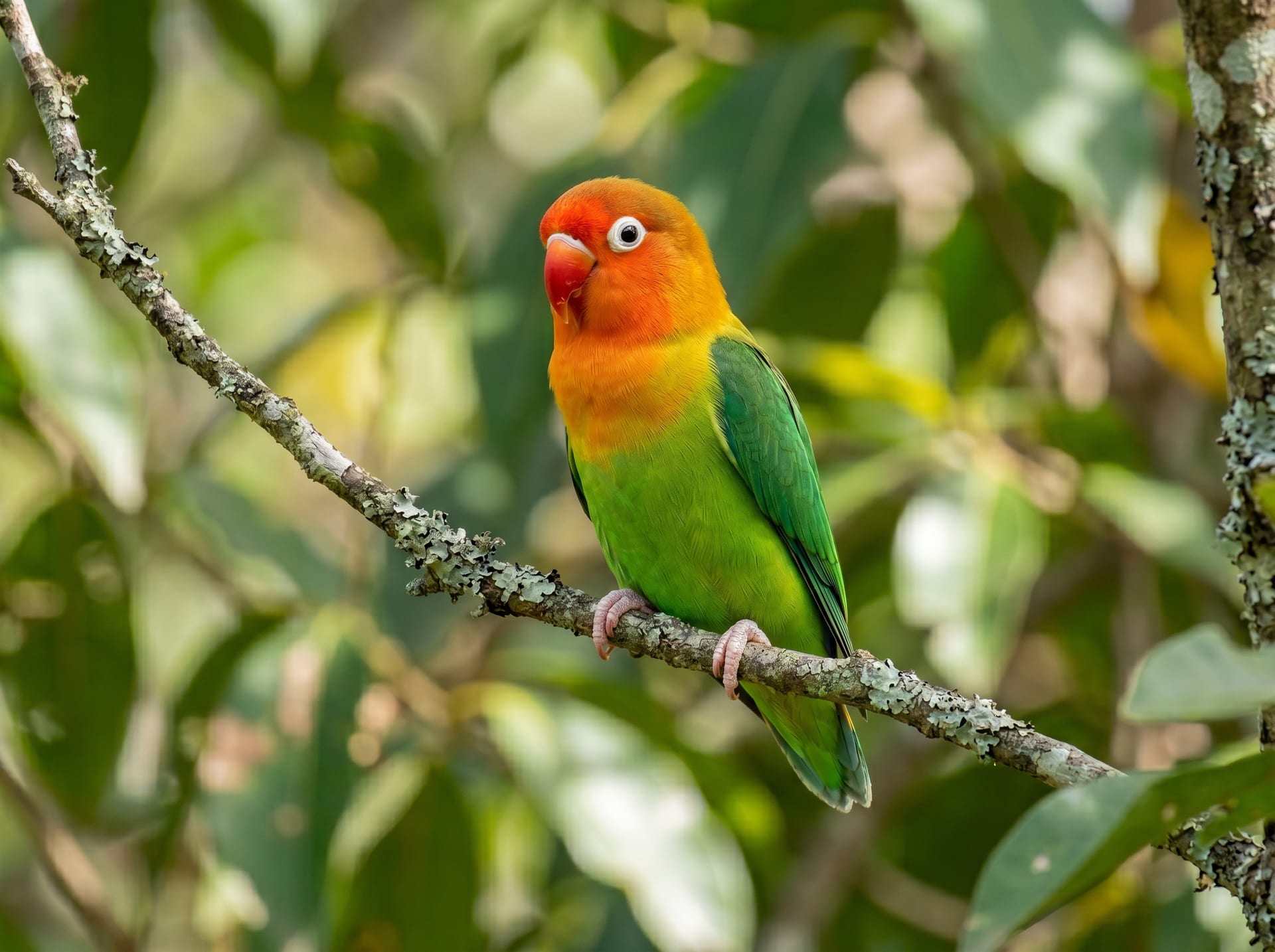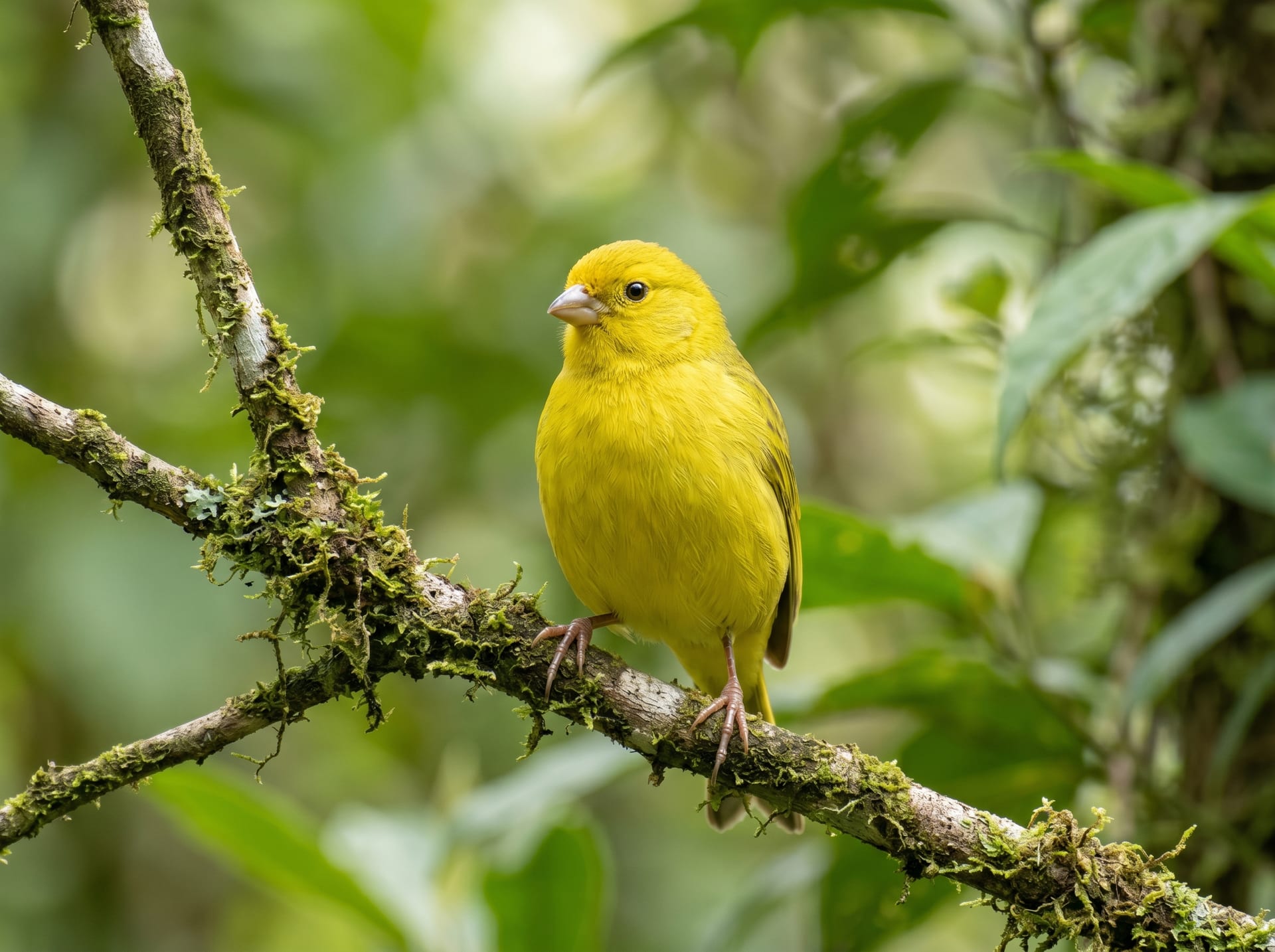
AI-generated image
Canary
BeginnerSerinus canaria
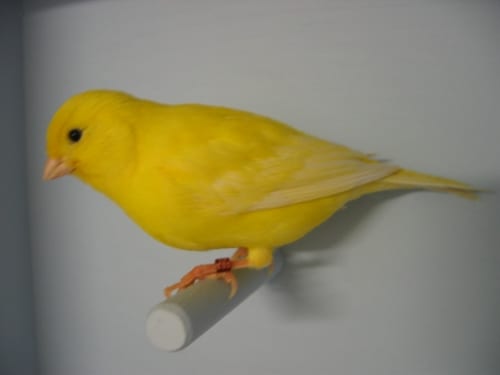
Known for beautiful singing. Yellow is classic but red and white varieties exist. Not for hand-taming but healing through song.
Difficulty
Beginner
Temperature
15〜25℃
Lifespan
8-12 years
Size
12-14cm
Humidity
40〜60%
Diet
Canary seed mix, greens
About
The domestic canary, or simply canary, is a domesticated form of the wild canary, a small songbird in the finch family Fringillidae, originating from the Macaronesian Islands of the Azores, Madeira, and the Canary Islands. Canaries were first bred in captivity in the seventeenth century and were brought to Europe by Spanish sailors. Only the male canary sings; females produce only simple chirps. They have been selectively bred for colour, song type, and feather characteristics, resulting in numerous distinct breeds recognised worldwide.
Lifespan of the Canary
The Canary lives 8-12 years.
Size of the Canary
The Canary grows to 12-14cm.
Temperature & humidity for the Canary
The ideal temperature for the Canary is 15〜25℃.
Basic Info
Origin
Canary Islands
Lifespan
8-12 years
Size
12-14cm
Temperature
15〜25℃
Humidity
40〜60%
Diet
Morphs (Varieties)
Canaries are divided into many varieties by color mutation, song, and type. Here, only representative examples of color variation are shown. Red factor is omitted from inheritance information as it derives from hybridization with red siskins and does not follow simple Mendelian inheritance.
RecessiveVisual only with two copies; one copy = het (carrier).
Recessive WhiteCinnamonIno
DominantVisual with a single copy; no distinct super form.
Dominant White
Other
Red factor
A curated selection of notable morphs. Inheritance modes are a breeding-planning guide; actual appearance varies with combos.
Calls & Media
Calls / Song
Song · © Cedric Mroczko · xeno-canto XC1091251 (CC BY-NC 4.0)
Call · © David Darrell-Lambert · xeno-canto XC1045526 (CC BY-NC 4.0)
Sources: xeno-canto
References & Sources
Edited & verified by: BreederDirect editorial team
The taxonomic, regulatory, and husbandry data on this page are compiled and verified against the authoritative primary sources below.
Primary sources
Taxonomy & Authority
Accepted name: Serinus canaria (Linnaeus, 1758)
Synonyms: Fringilla canaria
Authority databases: GBIF
Nomenclature follows global taxonomic authority databases.
Regulations & Conservation Status
Not CITES-listed
Serinus canaria (canary). Not listed in CITES appendices.
Sources: CITES Appendices (valid from 25.05.2024)
Regulations may change. Always verify the latest information with the relevant authorities.
Canary Listings
Loading latest listingsFind listings for this species