Source: Wikimedia Commons
African Silverbill
BeginnerEuodice cantans
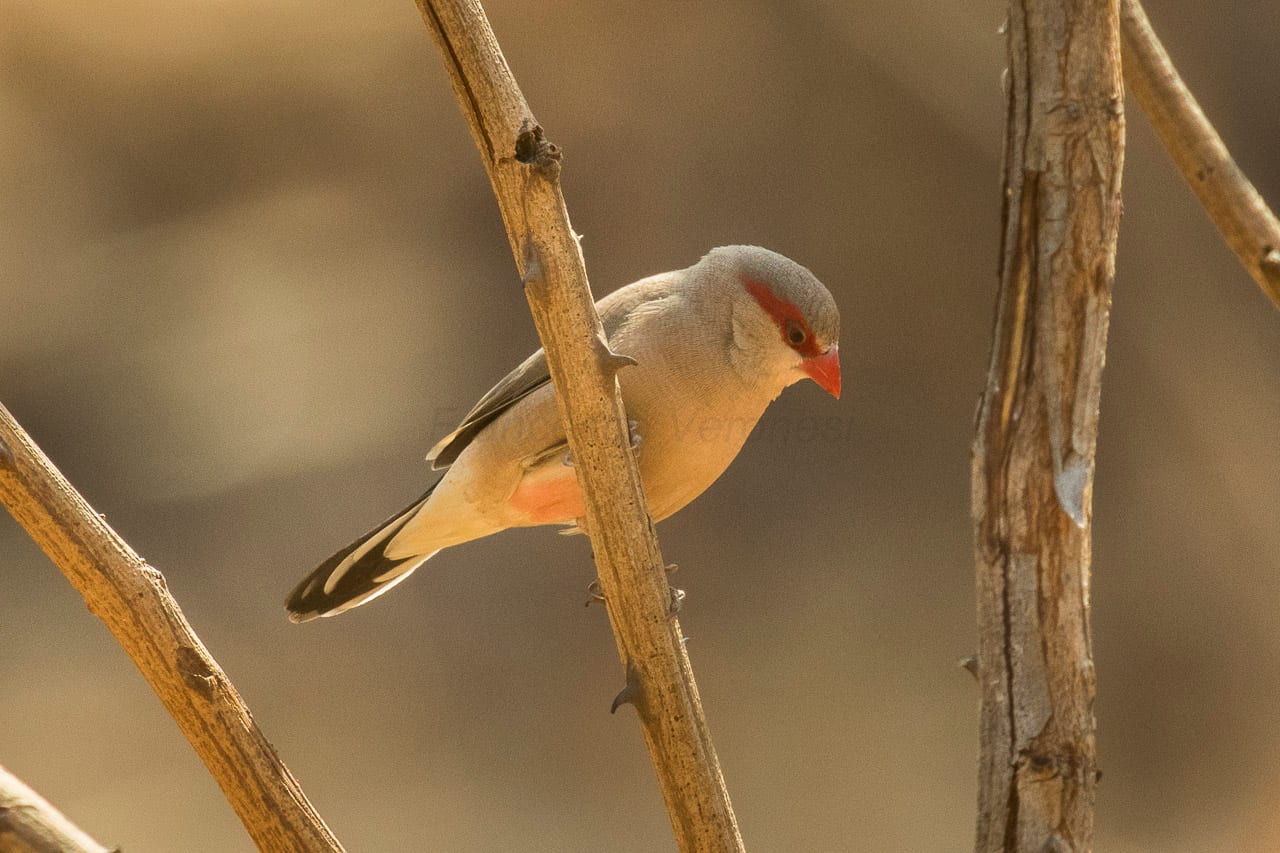
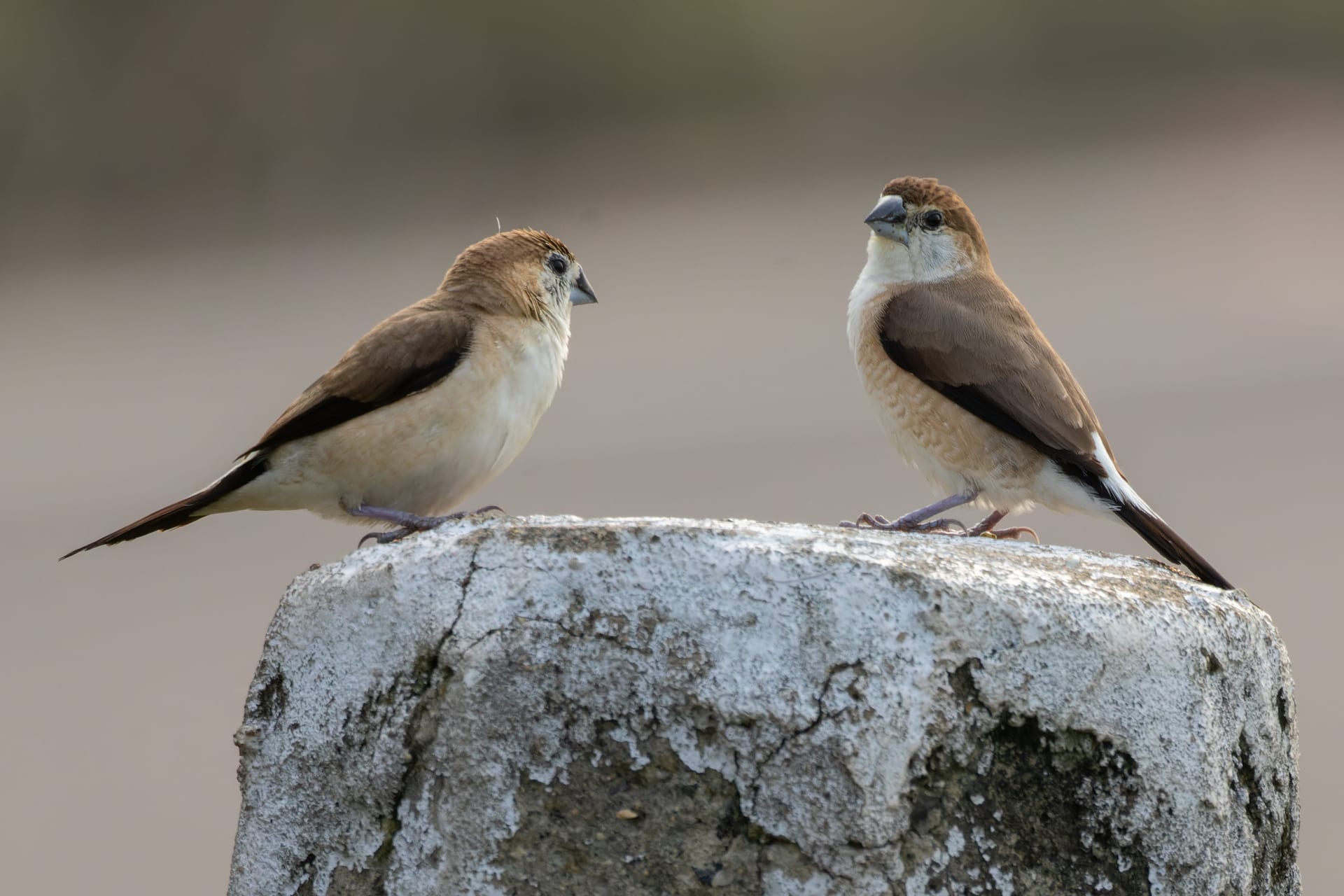
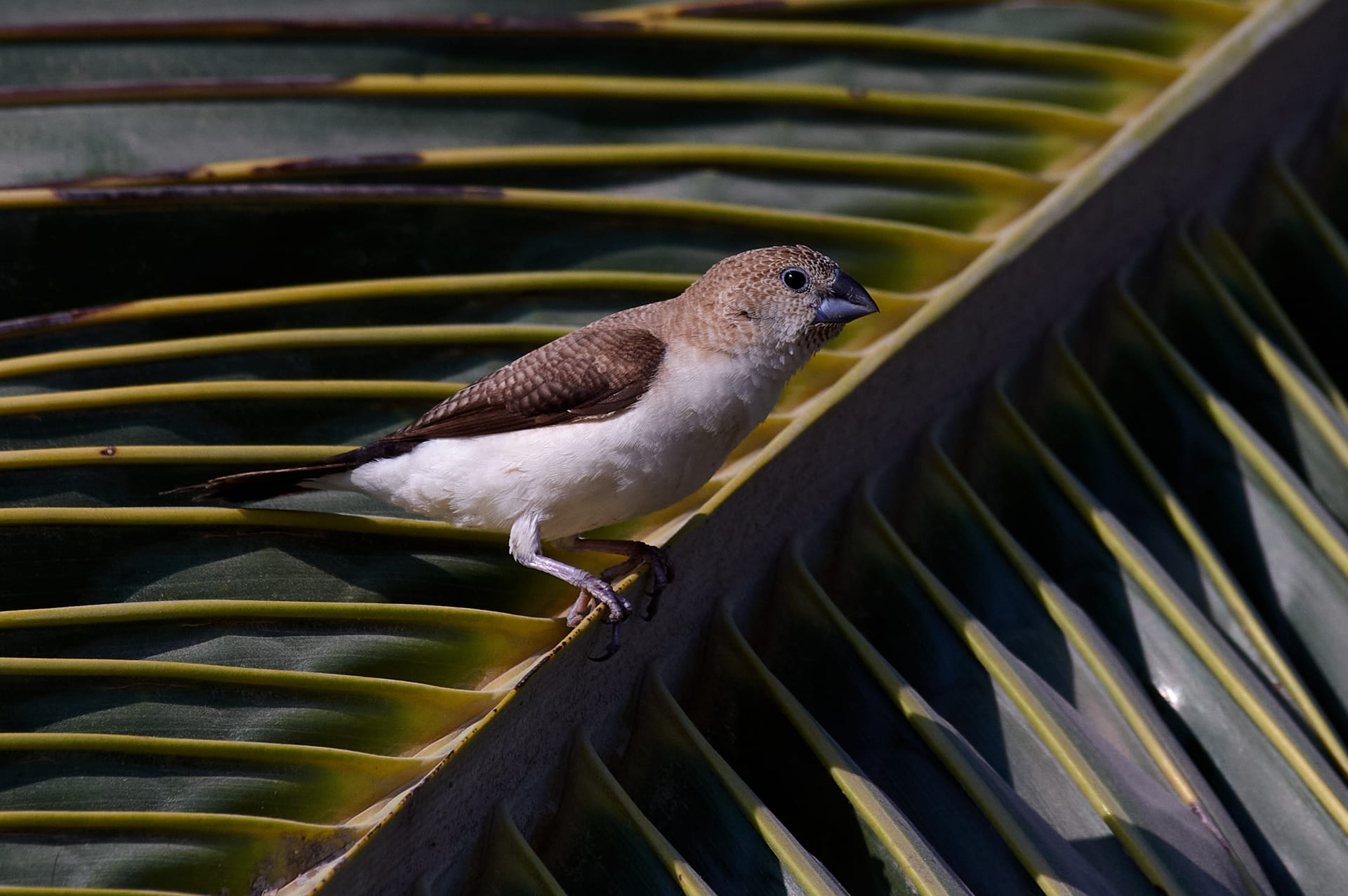
A small estrildid finch with a stubby silver-blue bill and finely vermiculated light-brown plumage. Native to dry savanna south of the Sahara, it is gentle and hardy, and mixes well with other finches.
Difficulty
Beginner
Temperature
15〜30℃
Lifespan
6-8 years
Size
10-11cm
Humidity
40〜60%
Diet
Mixed seed, spray millet, greens, sprouted seed
About
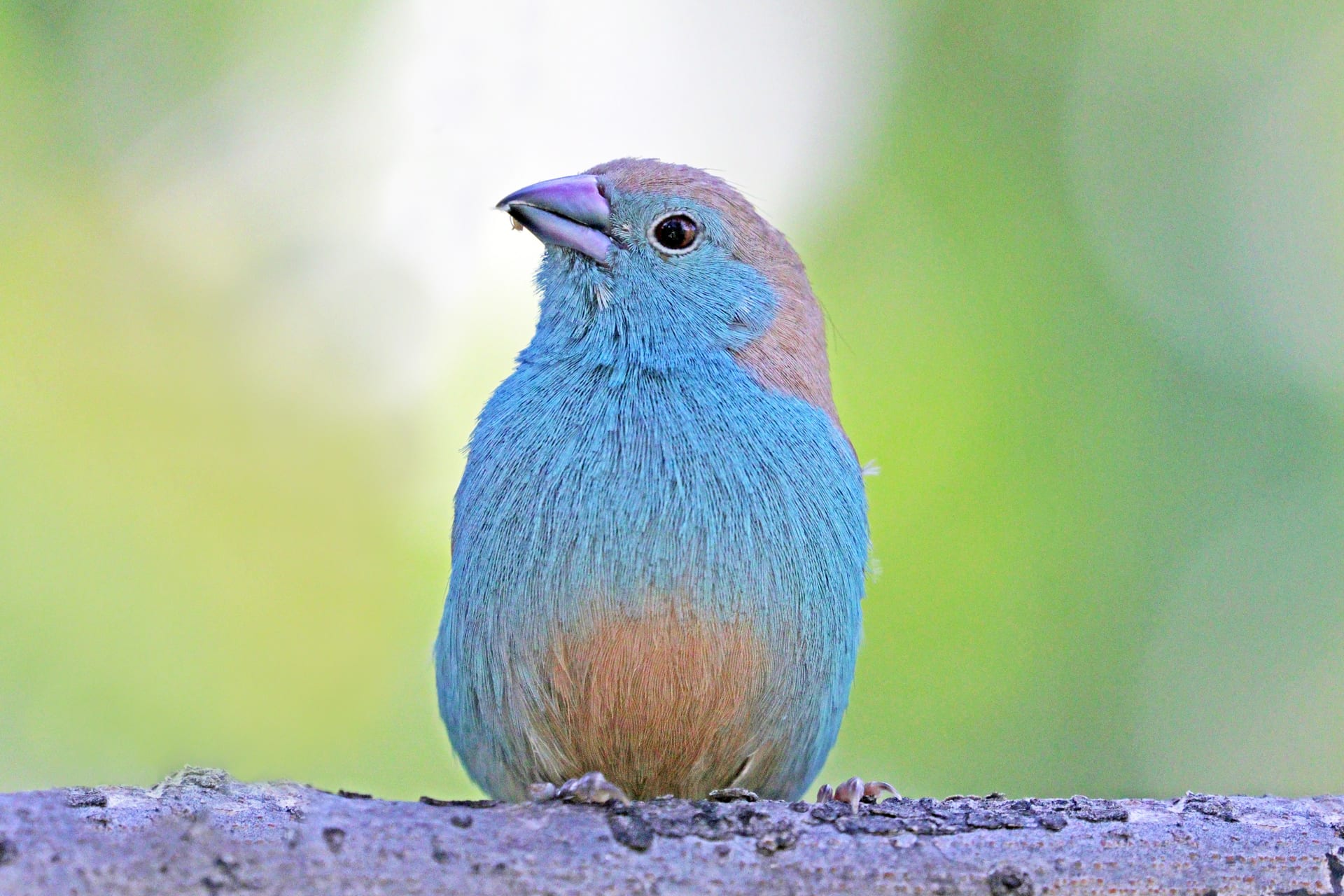
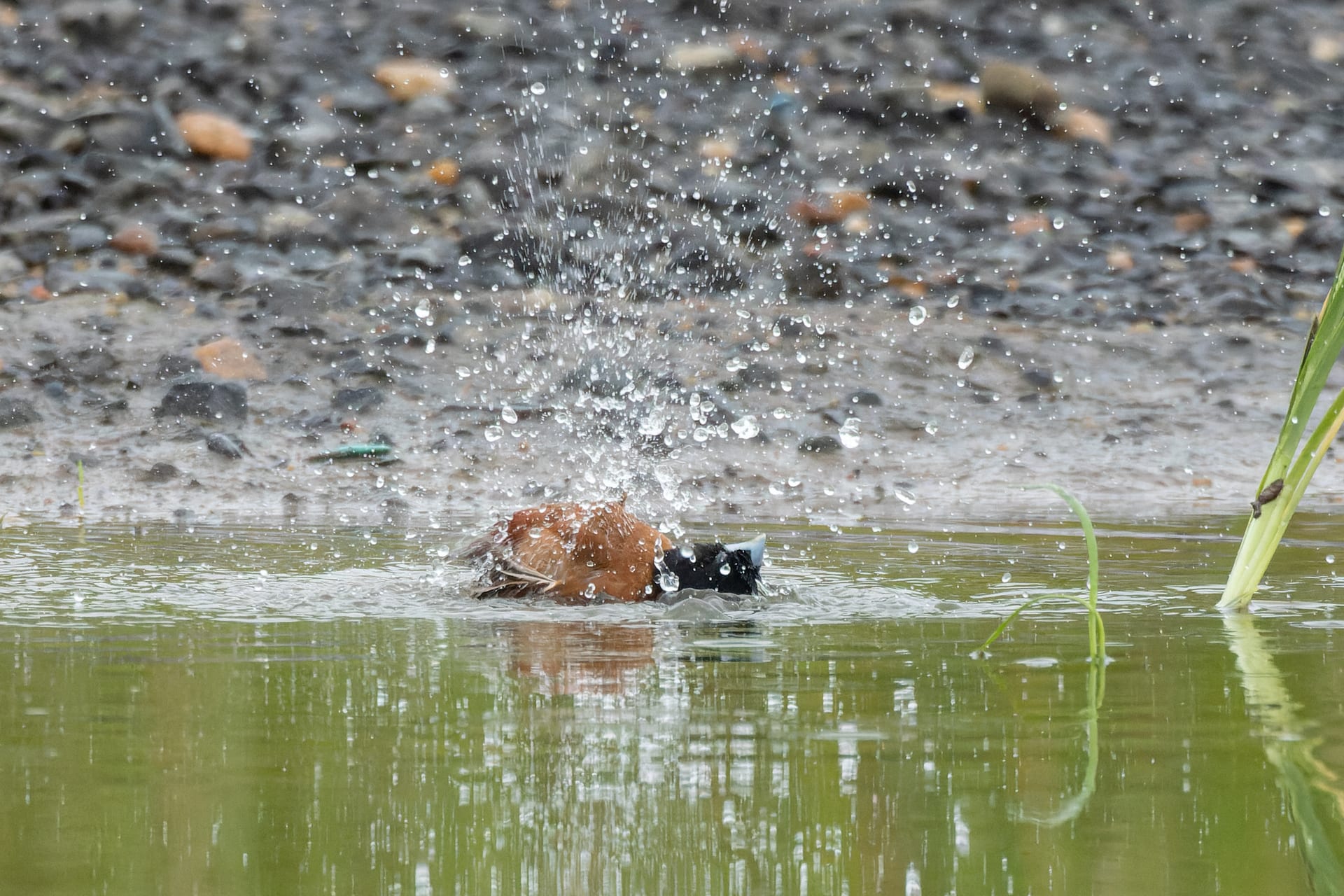
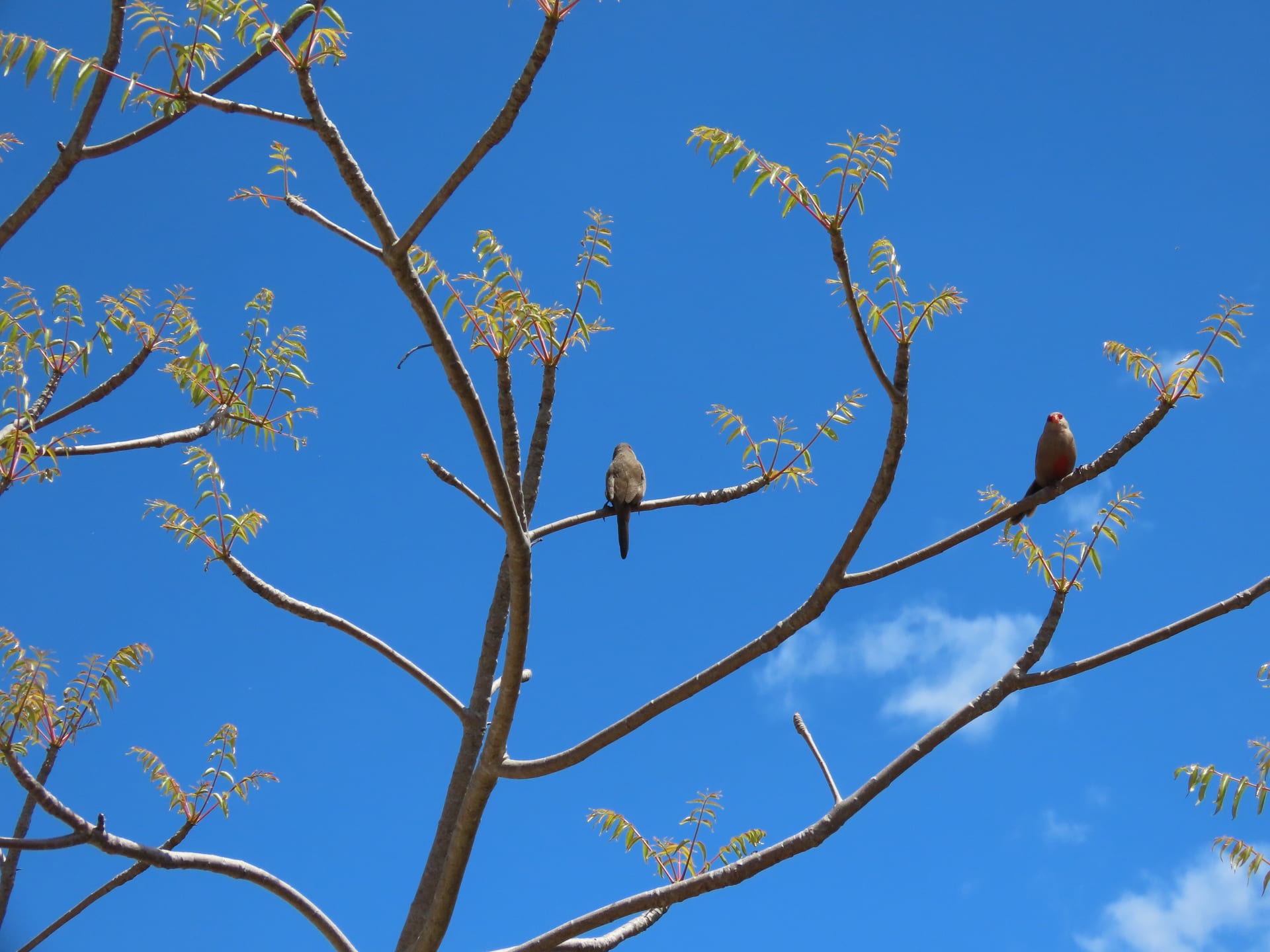
The African silverbill (Euodice cantans) is a small estrildid finch widespread in dry savanna south of the Sahara. It is 10-11 cm long, with finely vermiculated light-brown upperparts, whitish underparts, and a black rump and wings. The long pointed tail is black and the stubby bill is silver-blue. The sexes look alike and are hard to separate visually, so keepers rely on the song. Two subspecies are recognised, the nominate cantans and orientalis. It was formerly treated as conspecific with the Indian silverbill, but was separated in 1964 on the basis of differences in song structure. Introduced populations exist in Portugal, Qatar and the United States. It reached Europe by the end of the 18th century and is regarded as one of the most peaceable and hardiest estrildid finches in aviculture.
Source: Wikipedia (CC BY-SA 4.0)
Lifespan of the African Silverbill
The African Silverbill lives 6-8 years.
Size of the African Silverbill
The African Silverbill grows to 10-11cm.
Basic Info
Origin
Dry savanna of sub-Saharan Africa (Mauritania to South Sudan; southern Arabian Peninsula to Tanzania)
Lifespan
6-8 years
Size
10-11cm
Temperature
15〜30℃
Care Specifications
References & Sources
Edited & verified by: BreederDirect editorial team
The taxonomic, regulatory, and husbandry data on this page are compiled and verified against the authoritative primary sources below.
Taxonomy & Authority
Accepted name: Euodice cantans (Gmelin, 1789)
Synonyms: Loxia cantans, Lonchura cantans
Authority databases: GBIF
Nomenclature follows global taxonomic authority databases.
Regulations & Conservation Status
Not CITES-listedIUCN LC · Least Concern
Euodice cantans. The family Estrildidae is not listed in the CITES Appendices, so this species is not covered. The IUCN assesses it as Least Concern.
Sources: CITES Appendices (Estrildidae not listed) / IUCN Red List
Regulations may change. Always verify the latest information with the relevant authorities.
African Silverbill Listings
Loading latest listingsFind listings for this species