What Are African Grey Parrots?
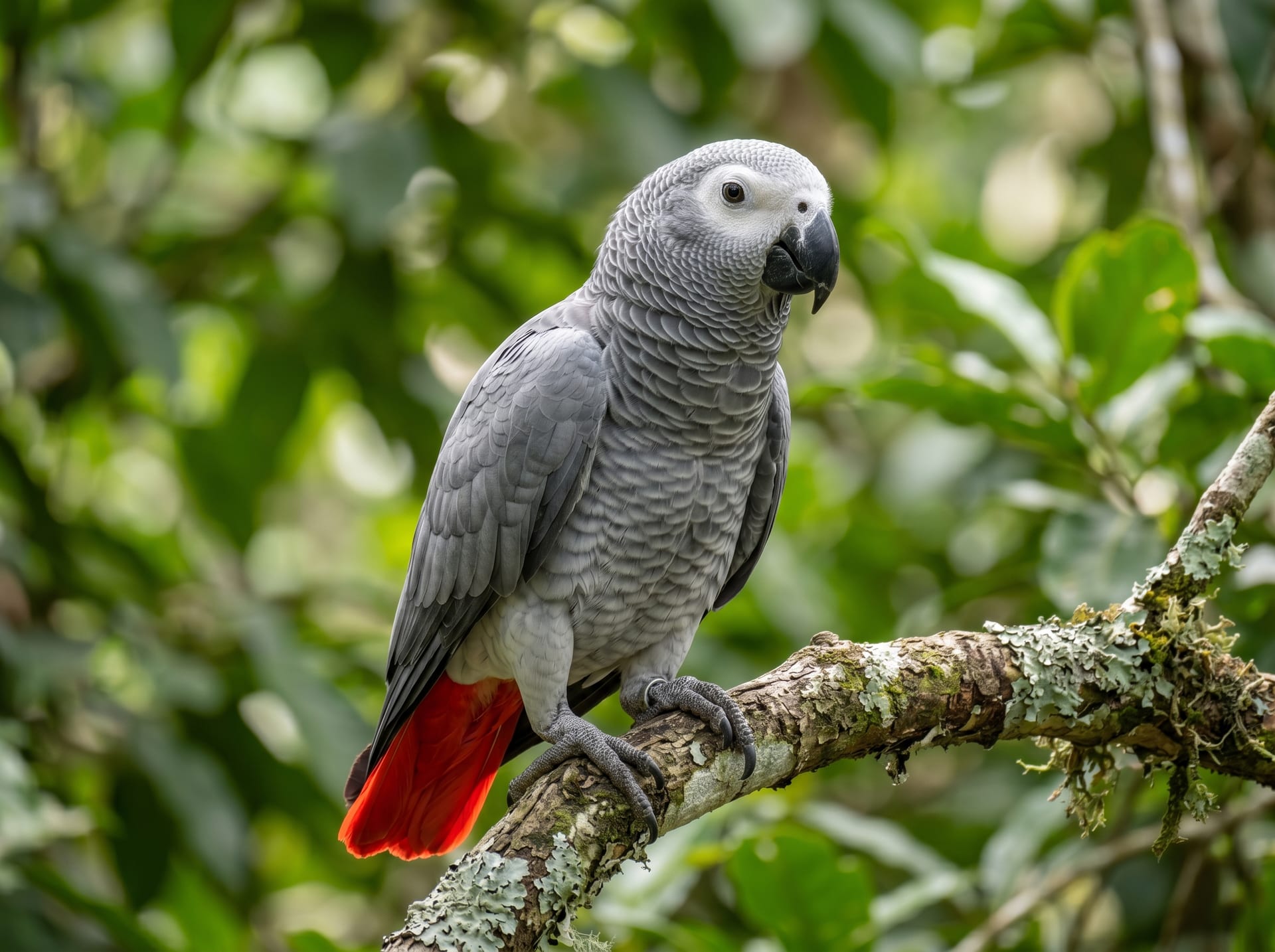
The African Grey Parrot (Psittacus erithacus) is a medium-sized bird in the parrot family, native to the tropical rainforests of central-western Africa. Standing approximately 33 cm tall and weighing 400 to 600 grams, it is distinguished by its gray plumage and striking red tail feathers. Renowned for exceptional intelligence—often compared to that of a five-year-old human—the African Grey gained worldwide recognition through the research of Dr. Irene Pepperberg. Her famous subject, a parrot named Alex, demonstrated remarkable abilities including understanding numerical concepts and color identification.
In captivity, they live 40 to 60 years, with recorded lifespans exceeding 80 years. This means they should be welcomed as a lifelong companion, requiring long-term commitment. While not designated as an invasive species in Japan, African Greys are listed on Appendix I of the Convention on International Trade in Endangered Species (CITES), meaning only legally bred captive-born (CBE) individuals are permitted in trade.
Temperament and Characteristics
African Greys are highly sensitive birds with strong empathetic abilities. They tend to bond intensely with a specific person, forming deep connections with a single caregiver. However, they are particularly susceptible to stress from environmental changes and loneliness, making mental health care especially important.
Key Personality Traits:
- High intelligence and problem-solving abilities
- Extensive vocabulary (some individuals learn hundreds to over 1,000 words)
- Context-dependent use of language (understanding of context)
- Rich emotional expression and ability to read their caregiver's feelings
- May engage in feather plucking behavior when bored or lonely
African Greys become psychologically unstable if left alone for extended periods. Ideal care requires at least 2 to 3 hours of daily interaction, including conversation, play, and out-of-cage time.
Setting Up a Proper Living Environment
Cage Selection
An appropriate cage for an African Grey must be at least 90 cm wide × 60 cm deep × 120 cm tall. Since African Greys are intelligent and can learn to open latches and doors, choose a cage with secure locking mechanisms.
- Material: Stainless steel is ideal (galvanized or painted cages pose toxicity risks)
- Bar spacing: 2 cm or less (wider spacing risks head entrapment)
- Perches: Multiple natural wood perches 3 to 4 cm in diameter (eucalyptus, acacia, willow, etc.)
Temperature and Humidity Control
The ideal temperature range for African Greys is 20 to 28°C with humidity between 50 and 70%. Low humidity can negatively affect respiratory health, so use a humidifier during dry winter months.
- Avoid sudden seasonal temperature fluctuations
- Do not expose directly to air conditioning or heating vents
- Maintain approximately 25°C during nighttime hours
Lighting Environment
Natural light and ultraviolet-B (UVB) radiation are essential for African Grey health. Provide approximately 30 minutes of daily sunbathing through a window, or consider installing a specialized avian UVB lamp. The lighting cycle should be 12 hours day and 12 hours night.
Diet and Nutrition Management
Diet is particularly important for African Greys, as nutritional imbalances can lead to calcium deficiency (hypocalcemia) and obesity.
Recommended Diet Composition
| Food Type | Percentage | Notes |
|---|
| High-quality pellets | 50-60% | Choose dye- and sugar-free varieties |
| Fresh vegetables and fruits | 30-40% | Dietary variety is important |
| Nuts and seeds | 10% or less | High calorie; treat as occasional treats |
Foods to Offer (Examples):
- Vegetables: Komatsuna, bok choy, broccoli, carrot, bell pepper
- Fruits: Apple (seeds removed), banana, berries, mango
- Protein: Boiled egg (whites), cooked legumes
Foods to Avoid (Toxins):
- Avocado (lethal toxicity)
- Chocolate, caffeine
- Onion and garlic family
- Alcohol
- Raw peanuts (aflatoxin contamination risk)
African Greys are particularly prone to hypocalcemia due to calcium and vitamin D3 deficiency. Monitor calcium levels through regular blood work and supplement with calcium supplements as needed.
Health Management and Common Diseases
Hypocalcemia
Hypocalcemia is a condition specific to African Greys. Symptoms include wing fluttering seizures, unsteady gait, and muscle tremors. Since it can occur even with pellet-based diets, annual to bi-annual blood work is recommended.
Feather Plucking
Feather plucking can be psychogenic, parasitic, or allergic in nature. Loneliness, boredom, and environmental stress are common triggers, and the condition worsens if left untreated. Treatment involves behavioral modification (enrichment with toys and increased social interaction) and veterinary evaluation as needed.
Respiratory Disease
Aspergillosis (fungal lung infection) results from inadequate humidity control or contaminated food. Prevention relies on regular cage cleaning and management of fresh food quality.
Routine Health Checkups
African Greys should receive annual to bi-annual veterinary checkups with an avian specialist, including physical examination, blood work, and fecal analysis. While avian-specialist veterinary clinics are increasingly available in Japan, confirm availability in advance.
Training and Communication
Training African Greys should be based on positive reinforcement. Punishment or scolding leads to severe stress responses and increased aggression, and must be avoided.
Step-Up Training
"Step-up" (perching on a finger or stick) is the foundational command to teach first. Use treats (small amounts of nuts) as rewards and practice repeatedly.
Speech Training
African Greys begin learning words around 6 months to 1 year of age. Repeat the same phrases consistently and respond enthusiastically when they vocalize—these are keys to language development.
Toy Enrichment
Foraging toys (puzzle feeders) are particularly effective for stimulating intelligence. Rotate toys daily to prevent boredom.
Before Bringing an African Grey Home
Given their 40 to 60-year lifespan, consider who would care for the bird if something happened to you. Additionally, African Greys are loud and can cause neighbor conflicts in apartments.
Checklist Before Purchase:
- CITES import certificate (verify legal captive-bred origin)
- Confirm breeder's living conditions and the bird's health status
- For young birds, confirm weaning status from hand-feeding
- Identify an avian veterinary specialist in advance
Life with an African Grey offers a uniquely rewarding experience, distinguished by the depth of their bond and remarkable intelligence. With understanding of the long-term commitment required, practice responsible stewardship.